

Edwardian Glass Cupboard
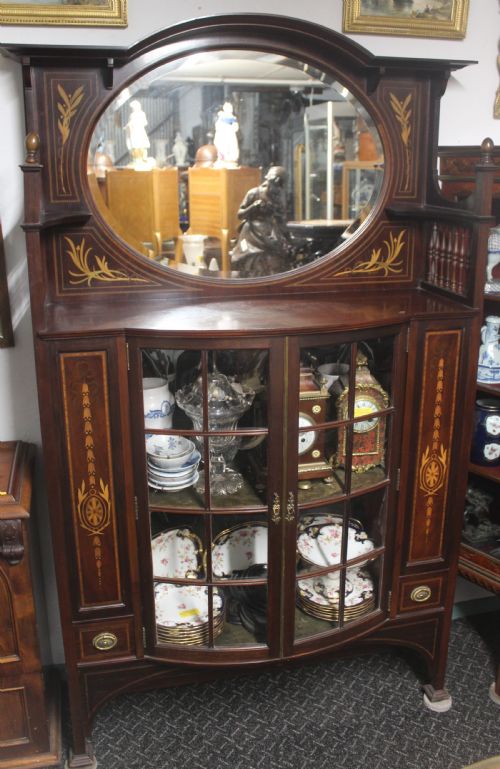
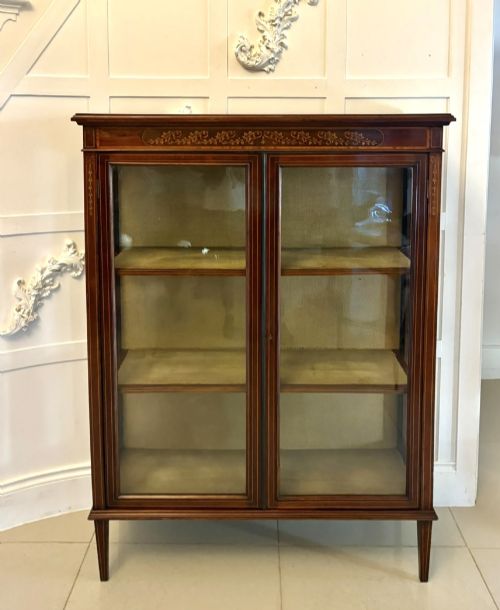
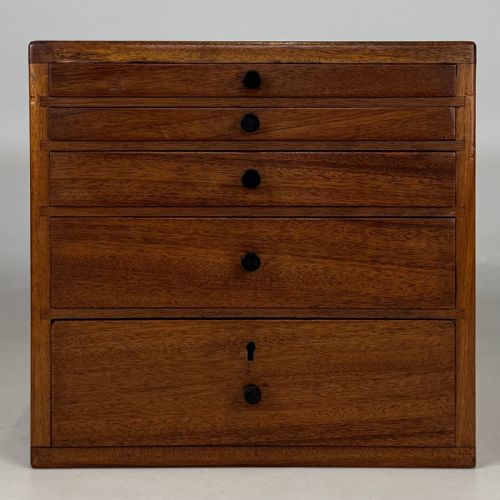
An edwardian glass cupboard is a refined display piece designed to showcase porcelain and books within the home.
Edwardian Glass Cupboard
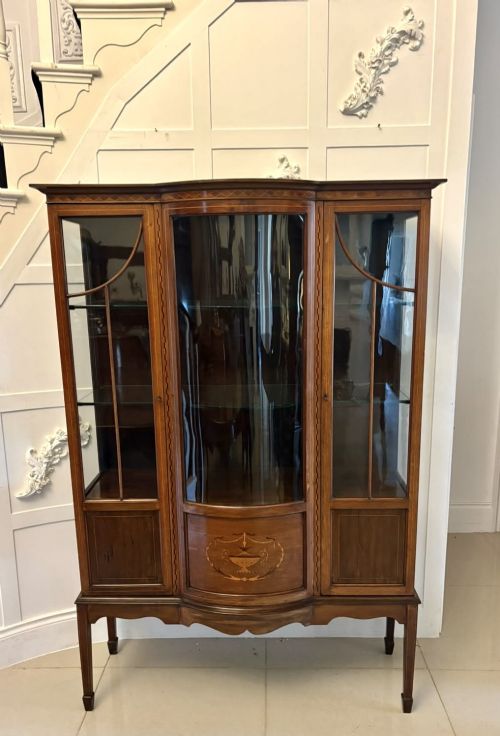
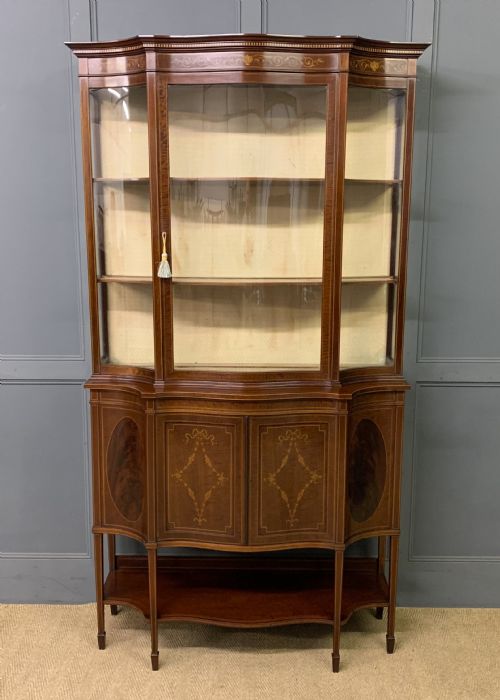
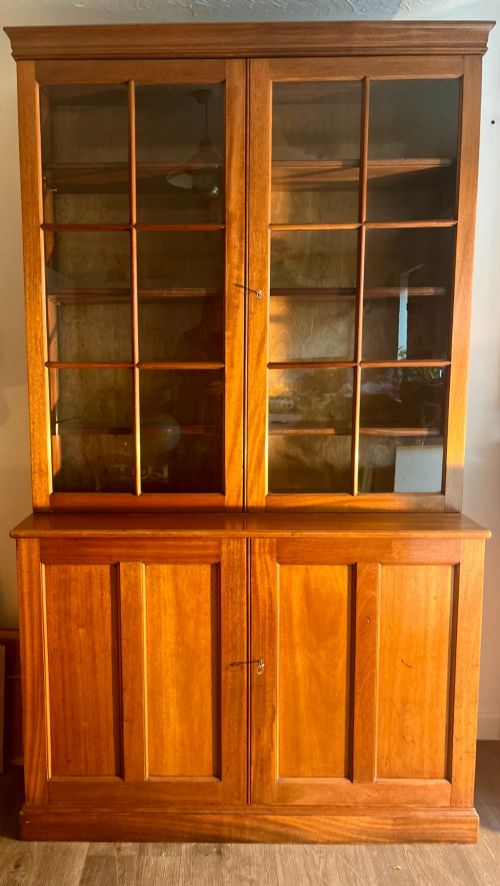
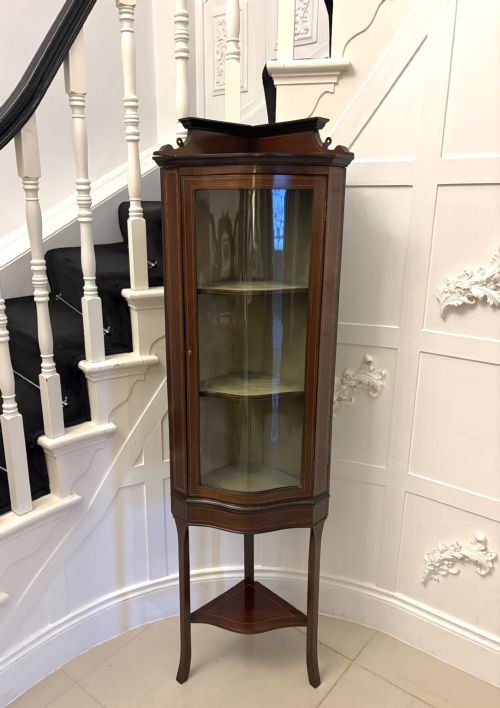
An edwardian glass cupboard brings together glazed display cabinets, bookcases, and wall-mounted storage forms originating from the early twentieth century. Buyers seeking this phrase encounter slender upright shapes with glass doors designed to protect delicate china and collections.
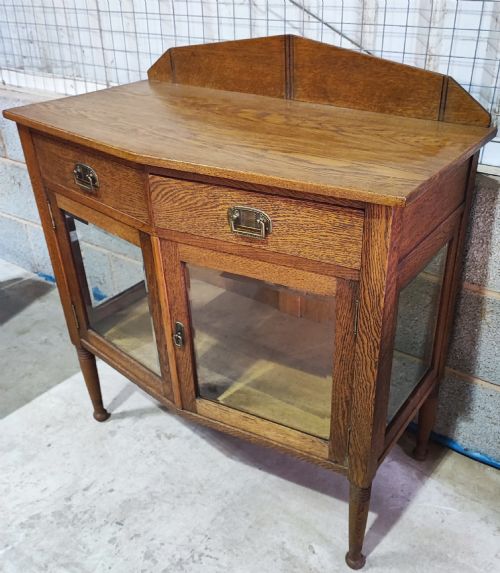
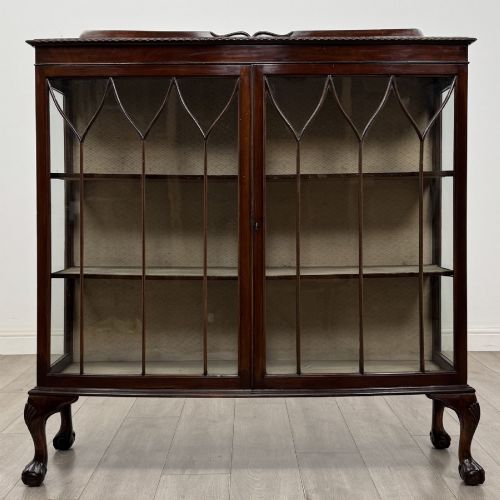
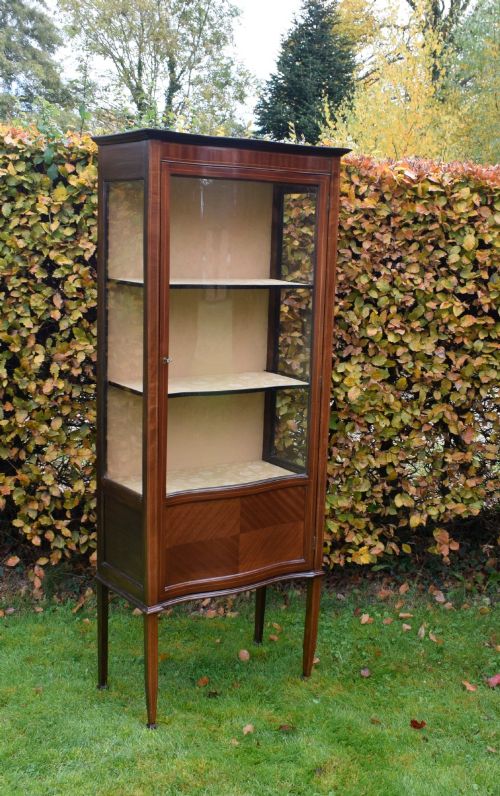
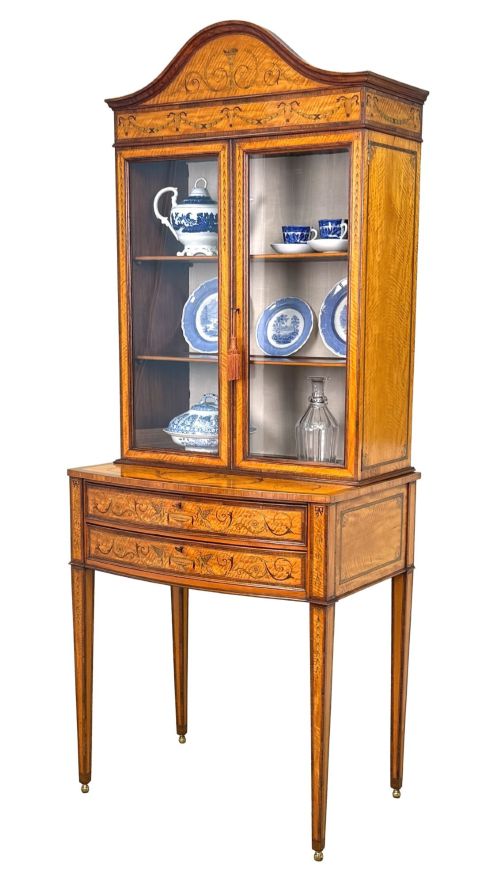
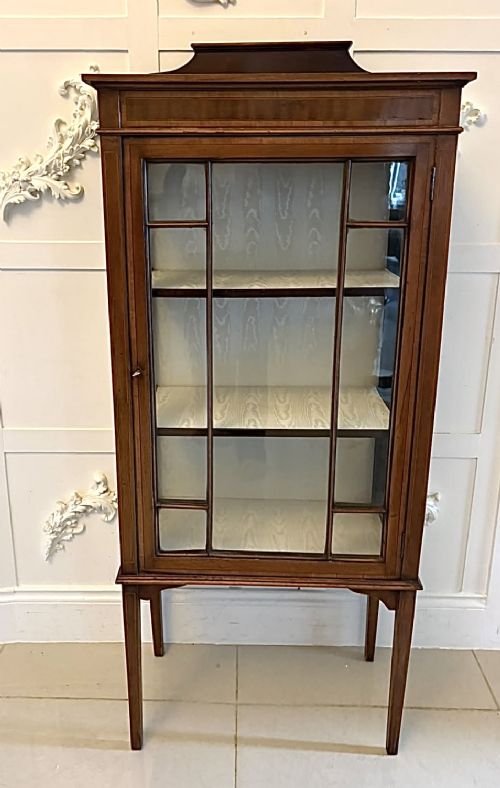
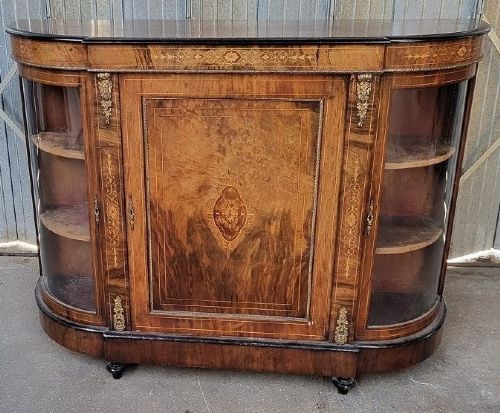
The most common examples on this page are mahogany display cabinets featuring satinwood inlay, bowfronts, and glazed panels. These pieces span Edwardian and Victorian periods alongside revival styles such as Sheraton Revival and Arts and Crafts.
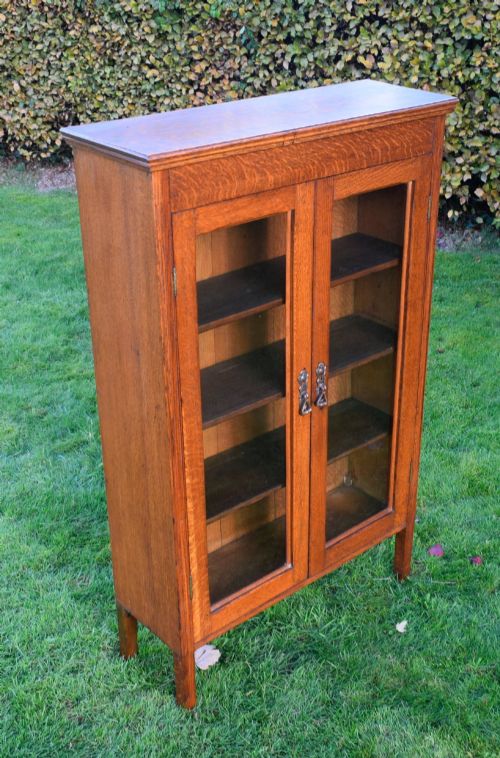
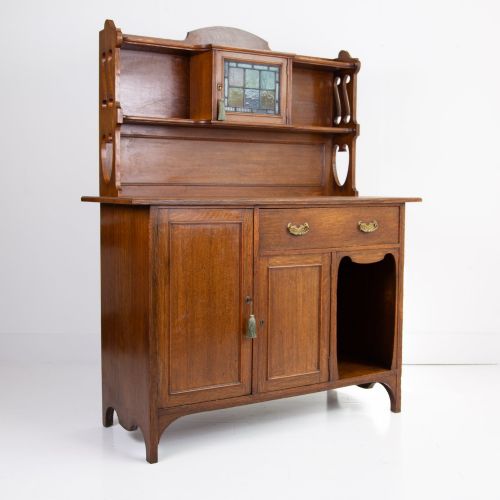
Makers and workshops of the period construct these cabinets using timbers including oak, walnut, and rosewood. Forms range from freestanding pier cabinets and dwarf units to large sideboards with integrated shelving.
Materials and construction methods
Cabinet makers construct these pieces primarily from solid mahogany, oak, and walnut, often applying finely figured satinwood veneers and marquetry inlay. Brass mounts, mirror glass, and fabric linings complement the timber frames.
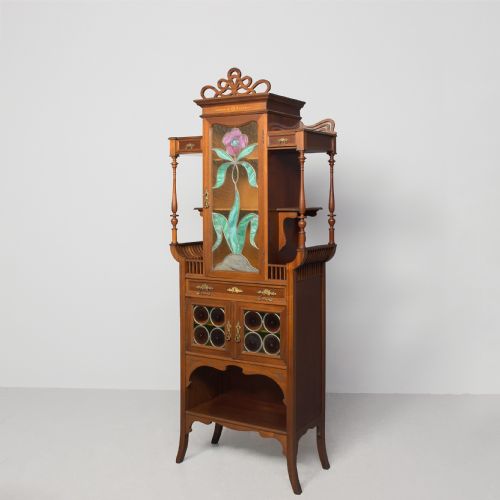
Glazing techniques utilise timber framing to hold glass panels securely within doors, while leaded glass appears on specific Arts and Crafts examples. Joinery methods include traditional framing and dovetailing to ensure structural stability for tall display units.
Edwardian Glass Cupboard Retail Price Guide 2026
Typical asking prices for edwardian glass cupboard among the pieces listed under this phrase on Sellingantiques today, from the lower quarter to the upper quarter. They describe what is for sale here now, not the wider market.
The listings span the Edwardian and Victorian periods, incorporating materials such as mahogany, oak, walnut, satinwood, and brass.
Distinctions in quality
Superior examples demonstrate meticulous timber selection, evident in deeply figured burr walnut or carefully matched mahogany grains. Finely executed marquetry inlay and painted decorations set finer pieces apart from plain production work.
Structural refinement shows in the delicacy of carved details, such as claw and ball feet, cabriole legs, and raised galleries. The crispness of the joinery and the original condition of the glass and hardware determine the upper tiers of the range.
Maple & Co.·Shapland and Petter·Liberty
The Edwardian Glass Cupboard Glossary
- Bowfront
- A cabinet front that curves outward in a convex arc. This shape softens the corners of a room and provides extra internal depth.
- Marquetry
- Decorative patterns formed by fitting contrasting wood veneers into a timber surface. Cabinet makers utilise this technique for floral and geometric tabletop or door panels.
- Pier cabinet
- A slender freestanding cabinet designed to fit narrow wall spaces between windows. These pieces often feature a single glazed door and velvet-lined interior shelves.
- Sheraton Revival
- A late nineteenth and early twentieth century design movement replicating the lighter neoclassical furniture styles of the eighteenth century. Pieces typically incorporate satinwood, painted details, and tapered legs.
- Vitrine
- A glass-fronted display cabinet intended for porcelain and curiosities. The sides and doors use glass panels to maximise light entry.
Edwardian Glass Cupboard: Frequently Asked Questions
What is an edwardian glass cupboard used for?
These cabinets serve primarily to display and protect porcelain, glass collections, and leather-bound books. The glass doors keep dust away while allowing visibility from across the room.
Many pieces include lower wooden cupboards or drawers for storing additional items out of sight. Their proportions suit living rooms, dining spaces, and hallways.
How do I distinguish Edwardian from Victorian cabinets?
Edwardian pieces generally exhibit lighter proportions, brighter mahogany or satinwood timbers, and neoclassical revival motifs. Victorian cabinets often appear heavier with darker timbers, deep carvings, and more sombre finishes.
Revival styles overlap across both eras, so examining the interior construction and secondary woods helps clarify the date.
Where should I place a display cabinet?
Position these cabinets against sturdy interior walls away from direct sunlight to protect timber finishes and fabric linings. Freestanding pier cabinets and wall-mounted versions suit narrower spaces where floor area is restricted.
Ensure the floor is level so the doors hang true and open without friction against the frame.
How do I care for polished wood and glass?
Dust surfaces regularly with a soft, dry cloth and apply a quality beeswax sparingly to nourish the timber polish. Avoid silicone-based sprays that can penetrate the grain and damage older finishes.
Clean the glass panels with a mild glass cleaner applied to a cloth rather than sprayed directly near the wooden frame.