




Edwardian Gilt Display Case
An edwardian gilt display case brings golden warmth and refined glass protection to treasured objects.
Edwardian Gilt Display Case
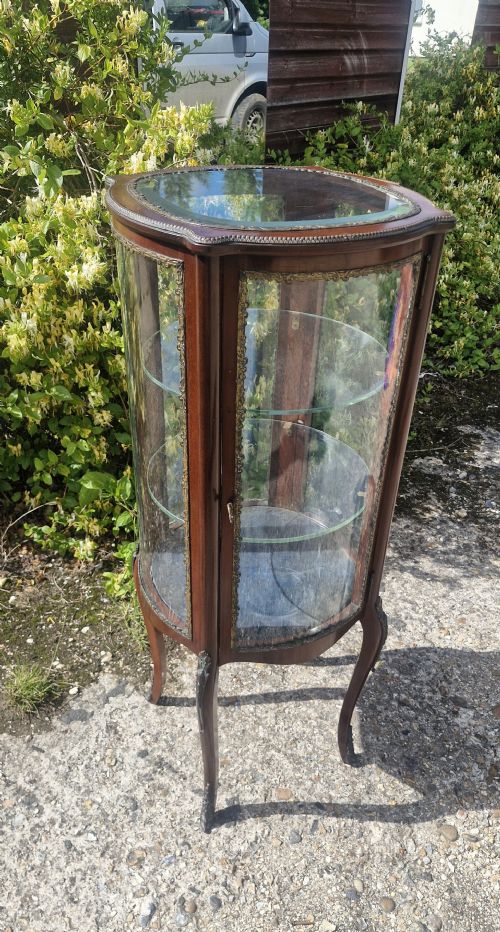
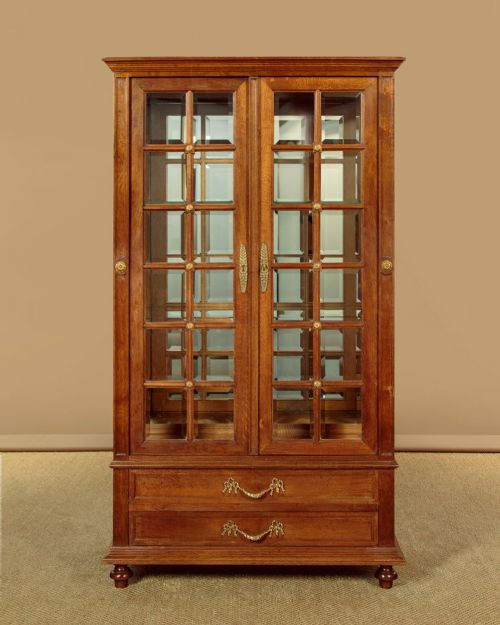
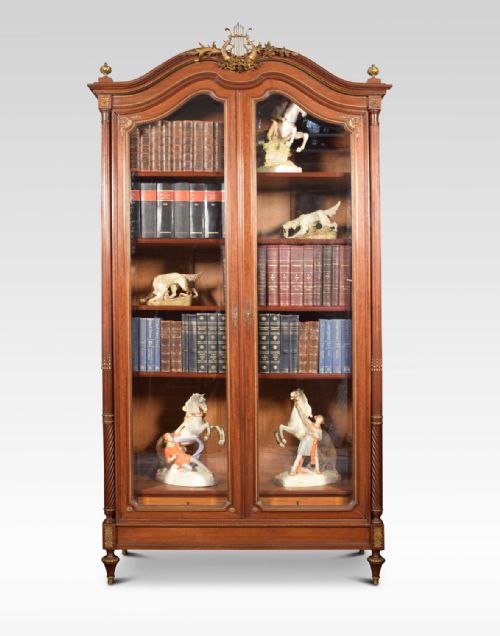
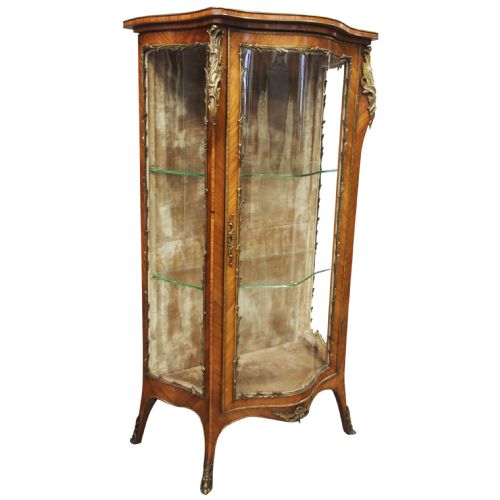
An edwardian gilt display case encompasses glazed cabinets and vitrines designed to showcase small possessions under glass. These pieces rely on gilt brass, giltwood, or ormolu mounts to highlight their structural lines.
The selections available here range from compact hanging wall vitrines to substantial mahogany or kingwood standing cabinets. Makers of the period often drew inspiration from French Louis styles or Rococo Revival motifs.
Buyers frequently encounter Edwardian and late Victorian variations featuring fabric-lined interiors and glazed sides. These forms served to protect delicate curiosities while reflecting ambient room light.
How they were made
Cabinet makers utilised fine timbers such as mahogany, kingwood, rosewood, and oak as the foundational carcass materials. Ebonised wood also appears, offering a dark contrast to bright metal mounts.
Gilt brass, ormolu, and gold leaf provide the characteristic metallic enrichment across frames, corners, and door surrounds. Glazed panels are fitted into doors and sides to maximise visibility from multiple angles.
Cabinets occasionally reveal faint nineteenth-century dust caught behind the glazing bars, untouched by a hundred years of curious eyes.
What varies in quality
The refinement of the cast metal mounts and the selection of timber veneers separate standard examples from exceptional ones. Finer cabinets display crisper chased ormolu details and more skillfully matched wood grains.
Interior execution also dictates standing, particularly where original fabric linings, mirrored backs, or painted Vernis Martin panels remain intact. Structural joinery and the clarity of the original glass panes contribute further to overall distinction.
Hutchings of Aberystwyth·Thomas Justice And Sons
The Edwardian Gilt Display Case Glossary
- Ormolu
- Gilded bronze mounts applied to furniture and decorative objects for enrichment. This technique involves mercury gilding on older pieces or electroplating on later ones.
- Vitrine
- A glass-fronted cabinet designed specifically for the display of porcelain, silver, or curiosities. These pieces often feature glazed sides to allow maximum light penetration.
- Vernis Martin
- A type of decorative furniture finish mimicking Japanese lacquer, developed in France. It is associated with painted pastoral or chinoiserie scenes on cabinets.
- Pier cabinet
- A low cabinet designed to fit against the wall space between windows during the Victorian and Edwardian eras. They commonly feature a single glazed door and velvet-lined shelves.
Edwardian Gilt Display Case: Frequently Asked Questions
Where should I place a display case?
These cabinets suit reception rooms, studies, or hallways where natural light can strike the gilt mounts and glass panels without causing fading to delicate contents.
Avoid positioning them in direct sunlight to protect internal fabric linings and any paper or textile items stored inside.
Are shelves adjustable?
Many period cabinets feature fixed wooden or glass shelves supported by wooden pelmets or small brackets rather than modern adjustable tracks.
When planning what to exhibit, check the height clearance between shelves to ensure taller ceramics or figures will fit comfortably.
How do I distinguish Edwardian from Victorian styles?
Edwardian pieces generally favour lighter timbers, airier proportions, and brighter neoclassical or French revival detailing inspired by the eighteenth century.
Victorian cabinets tend to use darker woods, heavier ebonising, and more robust proportions with denser decorative carving.