



Edwardian Gemstone Bracelet
An edwardian gemstone bracelet brings together delicate precious metals and colourful stones from the turn of the twentieth century, offering timeless wrist adornment.
Edwardian Gemstone Bracelet
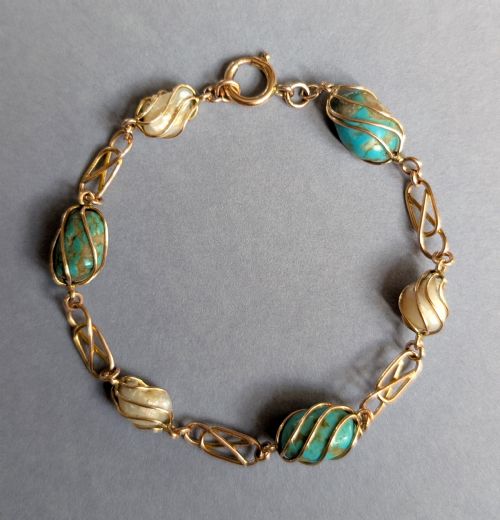
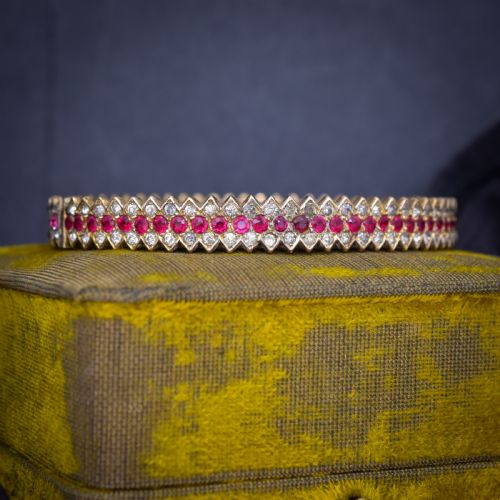
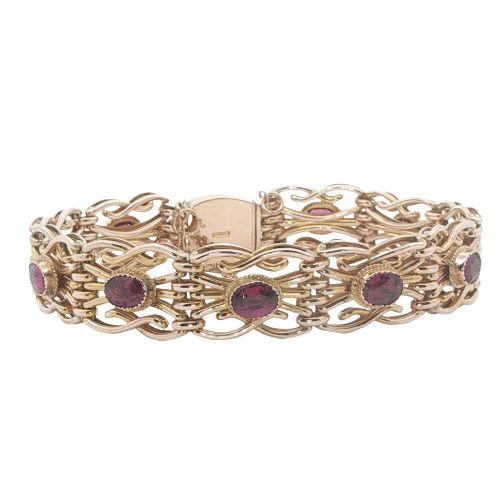
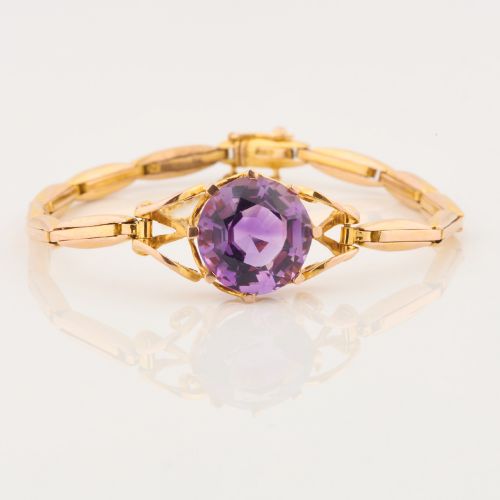
An edwardian gemstone bracelet comprises fine link chains, bangles and hinged pieces set with coloured stones such as sapphire, amethyst, garnet and turquoise. These jewels capture the elegant tastes of the early twentieth century and the preceding late Victorian era.
The versions met most frequently on this page span the Edwardian period alongside late Victorian and Art Deco eras. Makers mounted these stones in lower and higher carat golds as well as platinum and white gold.
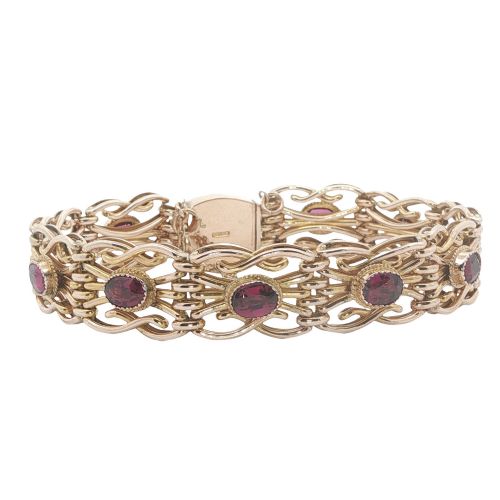
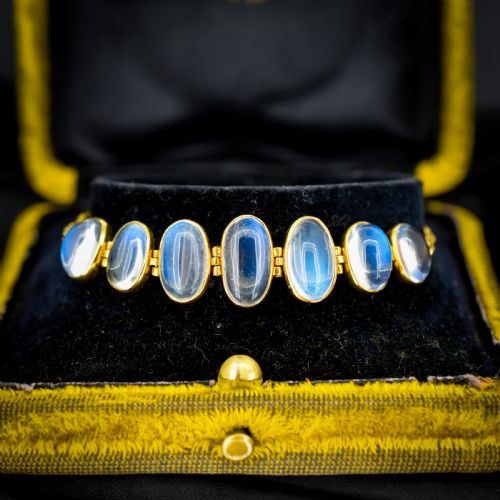
Forms range from delicate seed pearl and moonstone link bracelets to substantial gem-set bangles featuring cushion-cut zircons and glowing almandine garnets. Each piece reflects the refined metalwork and lapidary skills of its period.
Materials and construction
Goldsmiths utilised 9ct rose and yellow gold, 15ct gold, 18ct gold, and platinum to fabricate the structural links, settings and bangers. Seed pearls and diamonds frequently accent the central coloured gemstones.
Techniques combine hand-fabrication with early machine assistance, creating secure settings for softer stones like opals, moonstones and turquoise alongside robust prong and bezel settings for sapphires and diamonds.
Judgments of quality
Quality rests upon the selection and matching of the gemstones, the weight and purity of the precious metal, and the delicacy of the surrounding wirework or millegrain edge. Pieces showcasing well-matched stones display superior harmony.
The finesse of the original clasp mechanism and the integrity of the integrated safety chains indicate the standard of craftsmanship applied during manufacture.
The Edwardian Gemstone Bracelet Glossary
- Millegrain
- A decorative technique featuring a line of tiny raised metal beads along the edges of a setting, characteristic of Edwardian jewellery. This finish softens harsh metal lines.
- Seed pearl
- Very small natural or saltwater pearls, often drilled and strung tightly together or set in clusters. They provide a luminous contrast to coloured stones.
- Bangle
- A rigid bracelet that slips over the hand or opens via a hinged clasp. Many examples feature secure box clasps with safety chains.
- Almandine garnet
- A deep red variety of garnet popular in antique jewellery. It yields a rich, dark crimson hue when set in rose gold.
Edwardian Gemstone Bracelet: Frequently Asked Questions
How do I wear an antique bracelet safely?
Secure the integrated safety chain alongside the primary clasp whenever you fasten the piece around your wrist.
Remove the jewellery before swimming, gardening or performing heavy manual tasks to protect delicate gemstones and softer gold links.
What metals were used in Edwardian bracelets?
Goldsmiths worked extensively in 9ct rose gold, 15ct yellow gold, 18ct yellow and white gold, and platinum. Platinum gained popularity towards the end of the period for intricate diamond settings.
Lower carat golds often yielded a warmer pinkish tone, while higher carats offered a rich buttery colour.
How are different periods identified?
Edwardian pieces typically display lighter, airier openwork designs featuring seed pearls, diamonds and pastel stones in platinum or yellow gold. Victorian examples tend to be heavier, incorporating rich gold work and darker gemstones like almandine garnets.
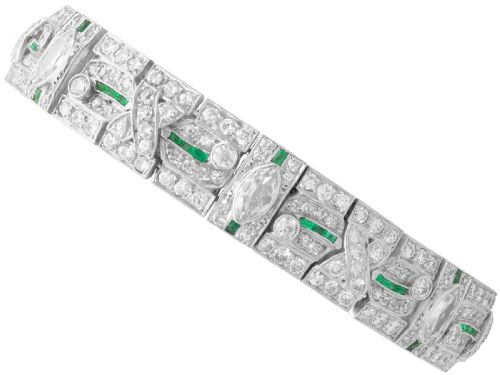
Art Deco items introduce geometric lines, calibrated sapphires and strong contrasts between platinum and diamonds.
Can these bracelets be adjusted for size?
Altering the length of a link bracelet is occasionally possible through a skilled jeweller removing or adding matching vintage links. Hinged bangles cannot easily be resized without altering their structural diameter.
Consult a specialist in antique jewellery before attempting any modifications to preserve the original hallmarks and construction.