
Edwardian Furniture Stand
Edwardian furniture stands bring practical elegance to the home, ranging from slender plant holders to robust hall stands crafted in mahogany and oak.
Edwardian Furniture Stand
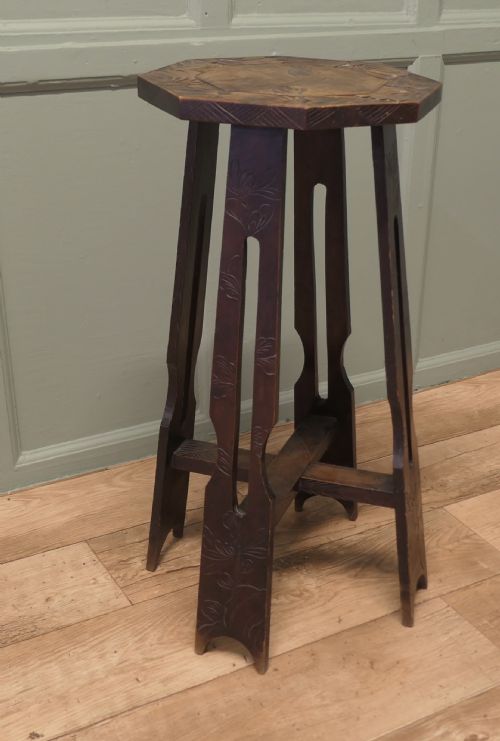
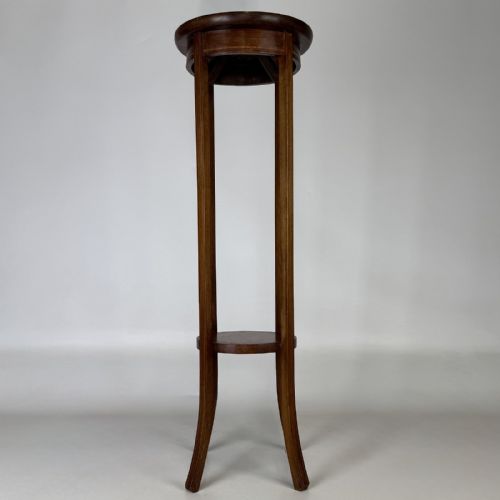
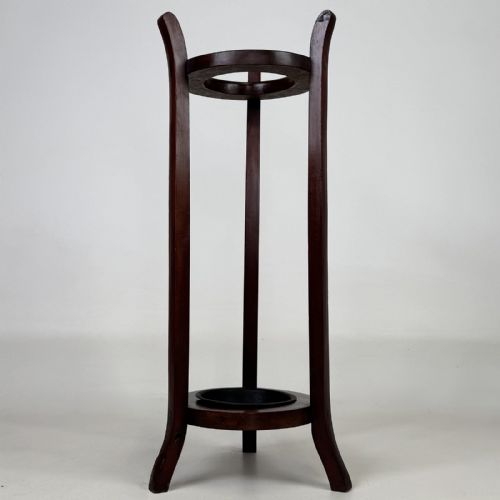
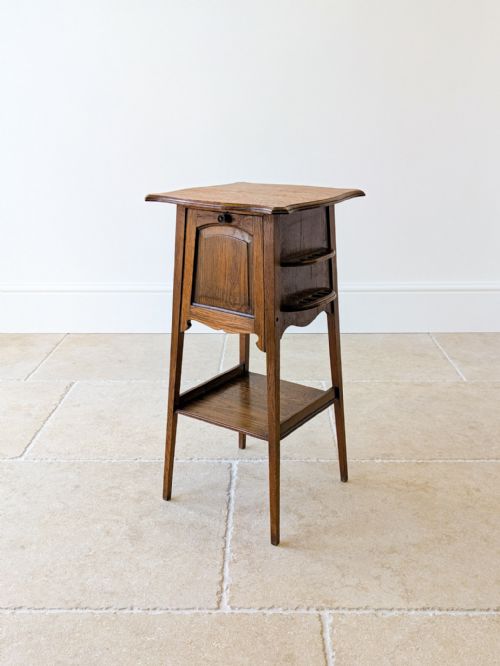
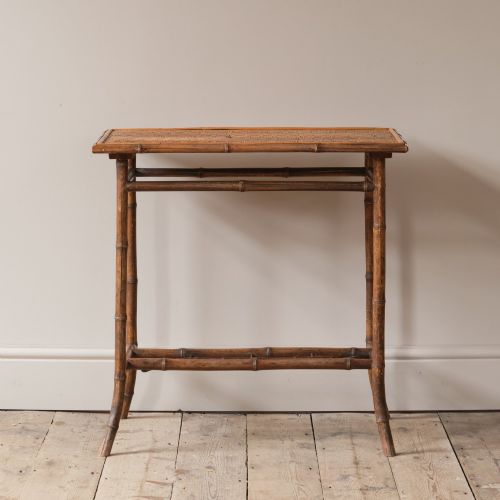
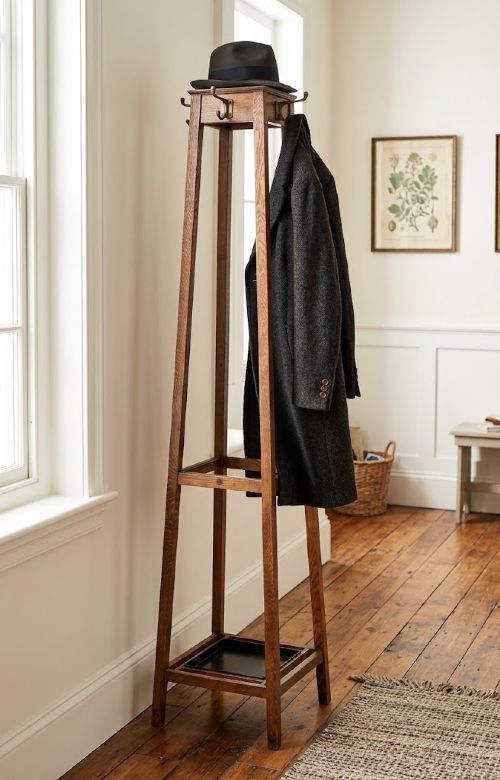
An Edwardian furniture stand covers a diverse group of domestic pieces designed to hold specific items, most commonly plant stands, umbrella stands, smoking stands, and cake stands. These items emerge predominantly from the Edwardian period and the early twentieth century, alongside related Victorian examples.
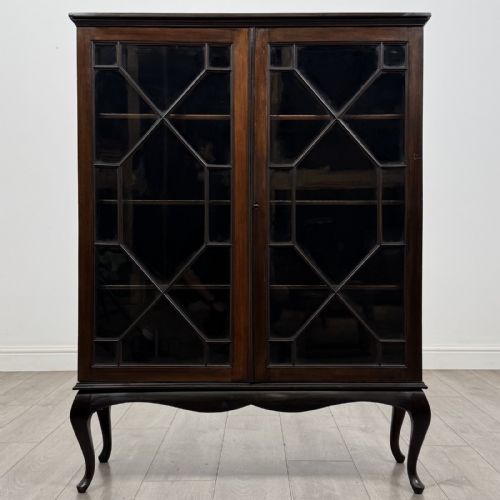
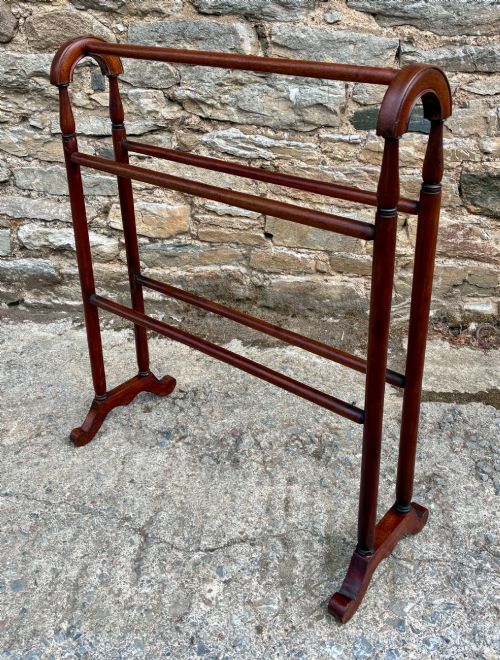
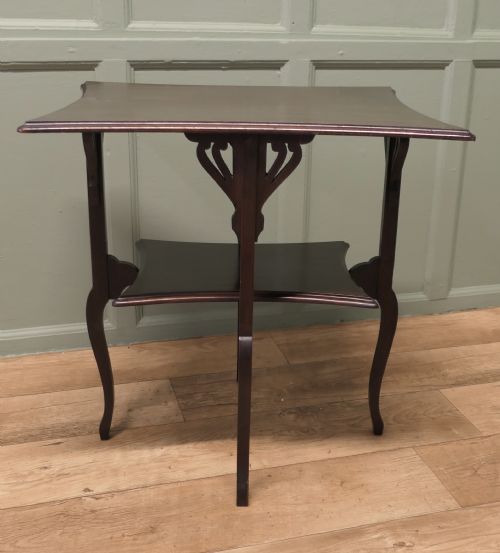
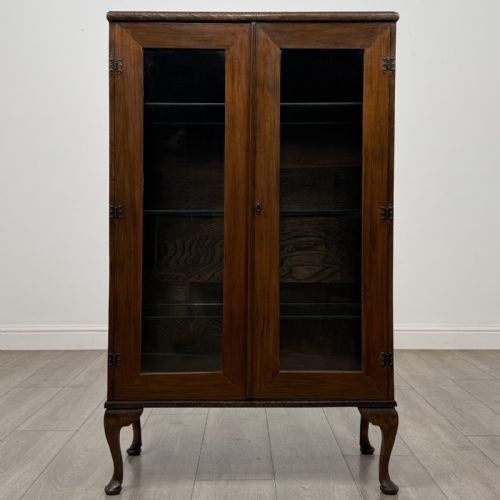
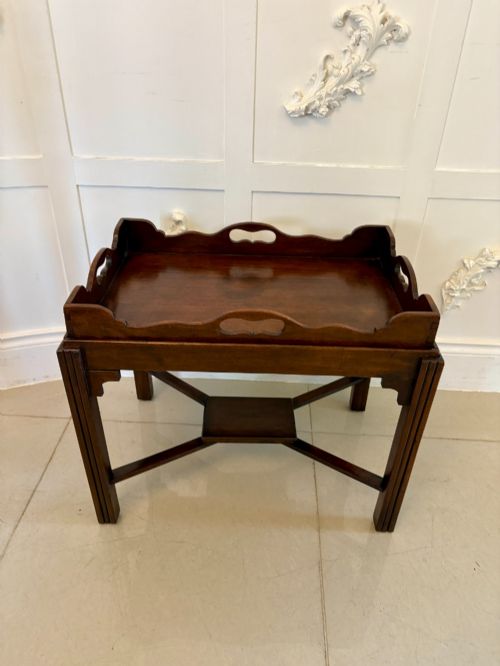
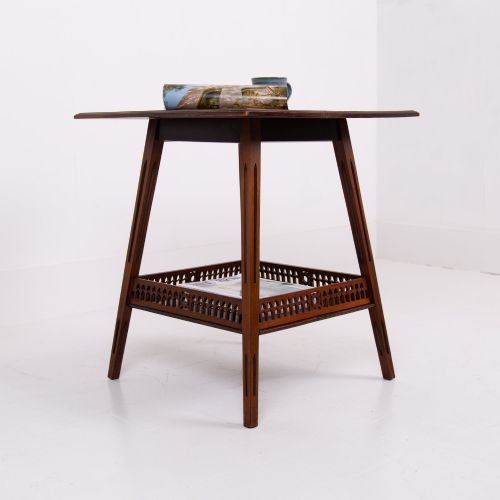
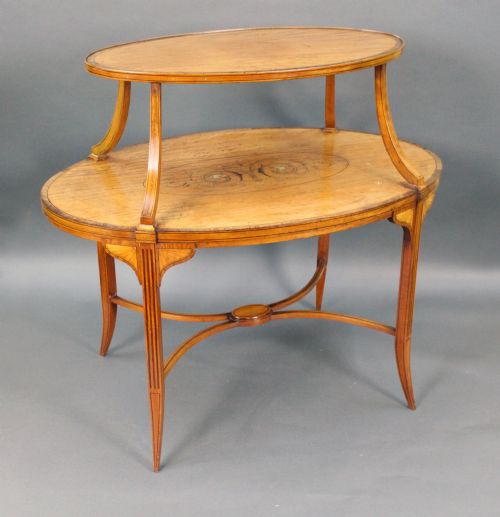
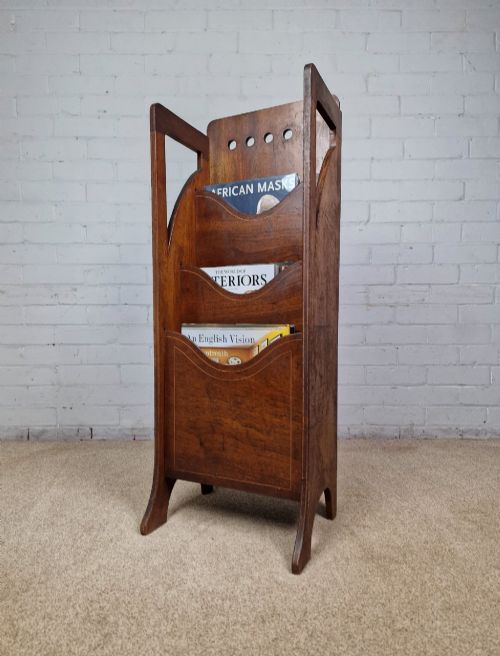
The most typical forms on this page include mahogany plant stands with lower shelves, oak umbrella stands, and tiered occasional tables. Makers of the time also produced specialised items such as revolving bookcases, towel rail stands, and display cabinets.
Buyers select these stands to add functional surface area and period character to hallways, drawing rooms, and studies. The designs balance utility with the refined aesthetic sensibilities of the late nineteenth and early twentieth centuries.
Materials and construction methods
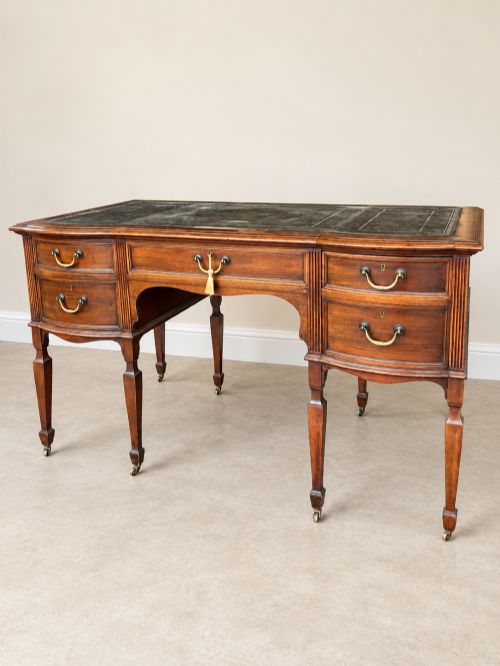
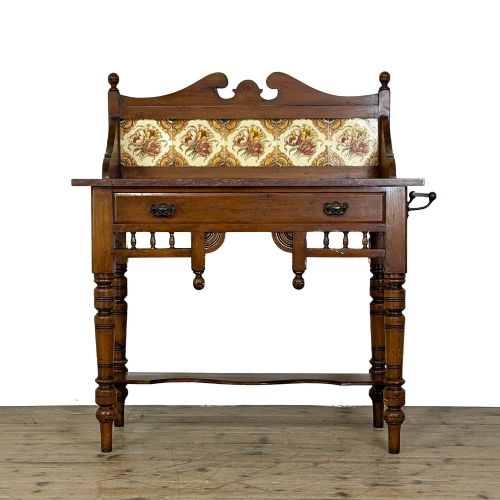
Cabinetmakers relied heavily on timbers such as mahogany, oak, and walnut, frequently utilising satinwood for inlaid details and decorative banding. Brass hardware and marble tops appear regularly on washstands and side tables, adding weight and contrast to the timber frames.
Construction techniques include traditional joinery, turned pillars, and carved ornamentation, particularly within the Arts and Crafts and Sheraton Revival styles. Surviving pieces demonstrate the durable joining of shelves, rails, and upright supports designed to bear daily domestic weight.
Floor-standing smoking stands provide a charming nod to an era when domestic ash trays required their own dedicated mahogany architecture.
Assessing quality in stands
The distinction between standard and superior pieces rests on the selection of timber and the precision of the joinery. Finer examples display figured mahogany or burr walnut veneers, meticulous inlay work, and hand-carved details rather than mass-produced stamping.
Proportion and structural integrity dictate the standing of a piece within the range. Well-balanced stands with original brass fittings, intact marble slabs, and sturdy tier connections represent the higher tier of surviving examples.
Liberty & Co·James Shoolbred·Finnigans·Trevor Page & Co·Shapland & Petter
The Edwardian Furniture Stand Glossary
- Étagère
- A piece of furniture consisting of a set of open shelves for displaying small ornaments. These tiered tables often appear in satinwood during the late nineteenth century.
- Plant stand
- A tall, narrow piece designed to elevate potted plants. They are frequently constructed from mahogany, elm, or oak with single or multiple shelves.
- Sheraton Revival
- A late nineteenth and early twentieth-century style inspired by the neoclassical designs of Thomas Sheraton. It utilises satinwood, delicate painting, and symmetrical inlay.
- Whatnot
- An open set of shelves used for storage or display, popular in Victorian and Edwardian interiors. They stand on upright corner supports and often feature multiple tiers.
- Inlay
- A technique where pieces of contrasting timber, such as satinwood or boxwood, are inserted into depressions in the base wood to form decorative patterns.
Edwardian Furniture Stand: Frequently Asked Questions
What is an Edwardian furniture stand?
An Edwardian furniture stand is a domestic piece designed for a specific utility, such as holding plants, umbrellas, cakes, or smoking accessories. These items date primarily from the early twentieth century and late nineteenth century.
They reflect the period's preference for specialised household items, combining practical function with decorative woodwork like mahogany, oak, and inlaid satinwood.
How do I use a plant stand today?
Plant stands serve their original purpose by elevating potted plants to catch optimal light or to fill empty corners in a room. Their slender footprints make them ideal for hallways and tight spaces.
Beyond horticulture, collectors often utilise smaller stands as bedside tables, lamp tables, or display surfaces for ceramics and framed photographs.
How do I distinguish Edwardian from Victorian pieces?
Edwardian furniture stands generally exhibit lighter proportions, brighter timbers like satinwood, and simpler neoclassical or Sheraton Revival motifs. They favor airiness over the heavier, darker woods typical of mid-Victorian design.
Victorian pieces often rely on robust mahogany, walnut, or heavy carved oak, sometimes incorporating marble tops and more elaborate, dense ornamentation.
Are these stands suitable for small homes?
Many Edwardian stands possess compact dimensions that fit well into modern apartments and modest rooms. Tiered tables, plant stands, and revolving bookcases maximise vertical space without consuming excessive floor area.
Their lightweight construction also allows them to be moved easily between rooms as living arrangements change.