

Edwardian Furniture C1900
Edwardian furniture c1900 brings domestic practicality and varied stylistic revivals into the home, offering solid function paired with traditional craftsmanship.
Edwardian Furniture C1900
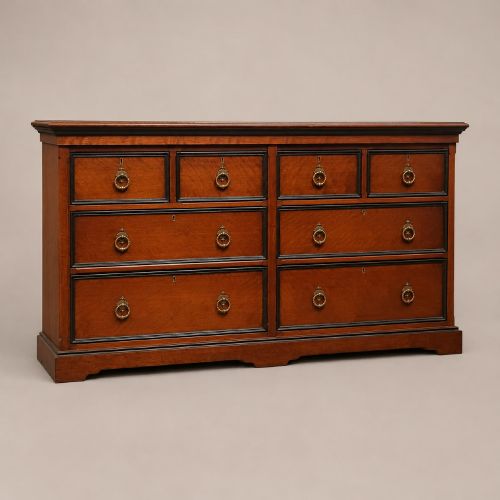
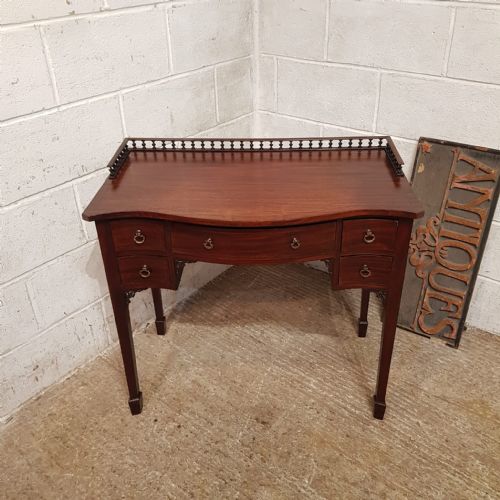
When searching for edwardian furniture c1900, buyers encounter a diverse selection of household items ranging from large bedroom wardrobes and chests of drawers to smaller bedside tables, washstands, and writing desks.
The pieces appearing on this page span the Edwardian period, late Victorian era, and early twentieth century, incorporating diverse aesthetic movements such as Arts and Crafts, Art Nouveau, and Regency Revival.
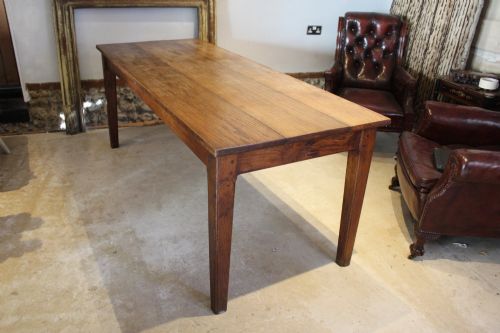
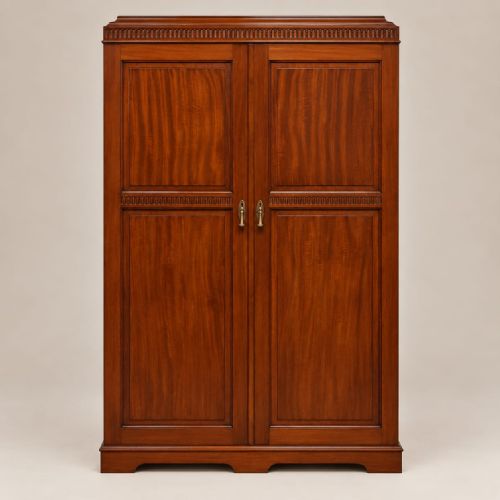
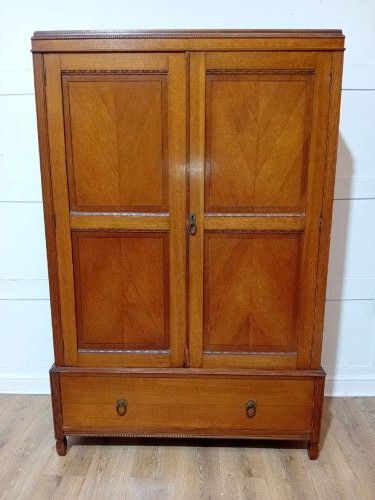
Large mahogany double and triple wardrobes sit alongside oak bookcases, occasional tables, and carved seating, reflecting the domestic requirements of homes at the turn of the century.
Materials and construction methods
Makers utilised traditional hardwoods including mahogany, oak, and walnut, frequently pairing them with secondary timbers like pine and ash, and adding decorative elements in brass, glass, satinwood, and iron.
Joinery techniques from this era supported both utilitarian output and decorative artistic styles, allowing for sturdy framework construction in large wardrobes, compactums, and chests.
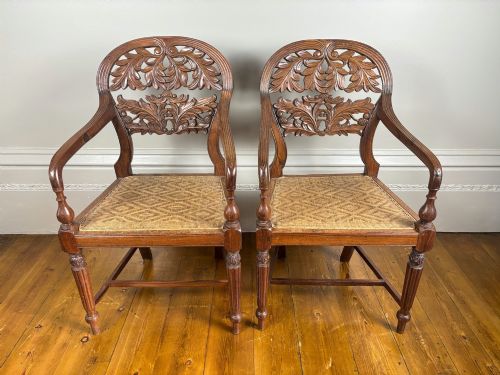
Surface finishes include polished mahogany, limed oak, painted treatments, and intricate carving, particularly evident in Anglo-Indian pieces and Arts and Crafts designs.
Edwardian Furniture C1900 Retail Price Guide 2026
Typical asking prices for edwardian furniture c1900 among the pieces listed under this phrase on Sellingantiques today, from the lower quarter to the upper quarter. They describe what is for sale here now, not the wider market.
Listings feature mahogany, oak, walnut, teak, and satinwood across various forms including wardrobes, chests, bookcases, and writing desks.
Factors that distinguish quality
Distinctions in quality arise from the selection of timber veneers, such as burr walnut or figured mahogany, and the precision of structural joinery rather than surface appearance alone.
Pieces bearing attribution to established makers or retailers display superior attention to detail in hardware, carving execution, and internal construction.
Design integrity separates standard utility items from works influenced by specific movements like Arts and Crafts or Art Nouveau, where proportions and custom hardware elevate the piece.
J Shoolbred·Harris Lebus·Liberty and Co·Shapland and Petter·James Shoolbred
The Edwardian Furniture C1900 Glossary
- Wardrobe
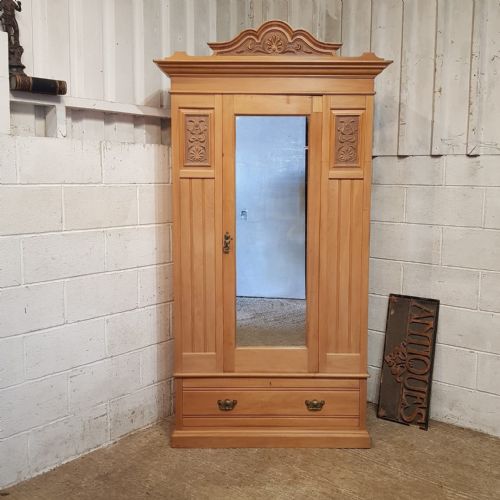
- A tall piece of furniture designed for hanging garments, often featuring mirrored doors and internal drawers in Edwardian examples.
- Compactum
- A multi-functional wardrobe combining hanging space, shelving, and drawers within a single enclosed unit.
- Whatnot
- An open set of multiple shelves used for displaying ornaments or holding books, popular in the late nineteenth and early twentieth centuries.
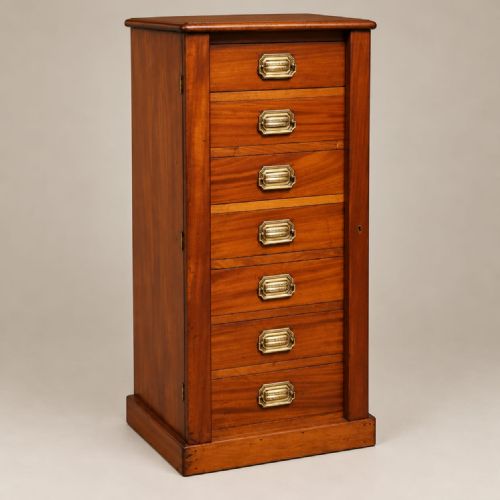
- Wellington chest
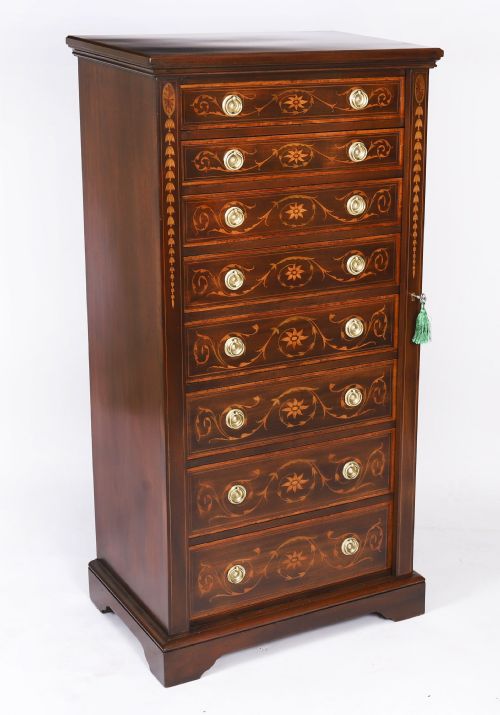
- A tall, narrow chest of drawers secured by a hinged vertical locking strip on one side.
- Washstand
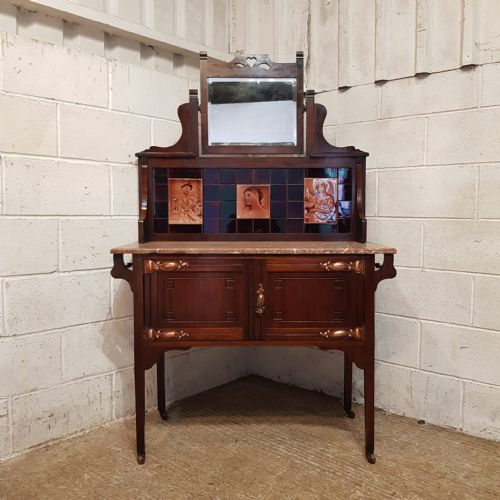
- A wooden table with a surface designed to hold a wash basin and jug, frequently incorporating marble tops and tile splashbacks.
Edwardian Furniture C1900: Frequently Asked Questions
What defines edwardian furniture c1900?
Pieces from this era reflect a transition from heavy Victorian ornamentation to lighter, more versatile domestic designs. They encompass diverse styles including Arts and Crafts functionalism and polished mahogany revival pieces.
Craftsmen utilised both traditional timbers like mahogany and oak alongside exotic woods, producing furniture tailored to the changing domestic interiors of the early twentieth century.
How do I identify an Arts and Crafts piece?
Arts and Crafts items typically highlight natural wood grains, notably oak, and often feature visible construction methods, hand-carved details, or distinctive copper and iron hardware.
These designs prioritise honest construction and utility over applied decorative veneer, aligning with the philosophies of the movement prominent around nineteen hundred.
Where were these pieces used in the home?
Wardrobes, washstands, and bedside cabinets served bedrooms, while bookcases, writing desks, and side tables furnished libraries, studies, and reception rooms.
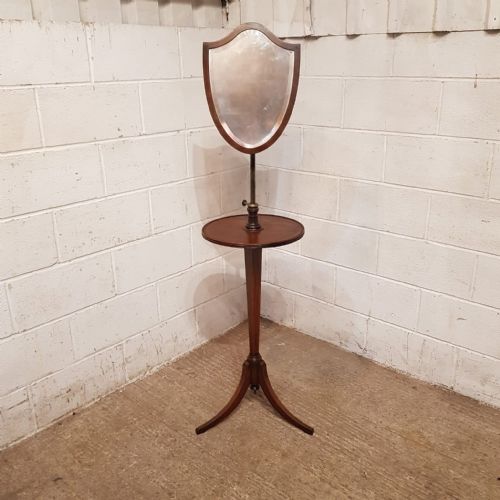
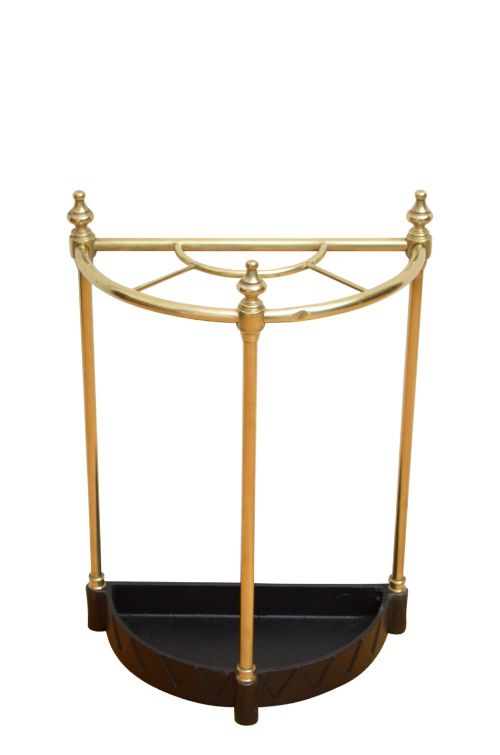
Specialist items like shaving stands, umbrella racks, and piano stools fulfilled specific domestic routines characteristic of the period.
How do walnut and mahogany pieces differ?
Mahogany pieces often present a deep reddish-brown tone with straight grain patterns, favoured for formal bedroom suites and writing tables. Burr walnut offers highly figured, swirling grain patterns used on decorative table tops and front panels.
Both timbers received different finishes depending on whether the piece followed classical revival styles or later artistic movements.