

Edwardian Fruit Bowl
An edwardian fruit bowl brings the heavy silver and bright cut glass of the early twentieth century directly to the dining table.
Edwardian Fruit Bowl
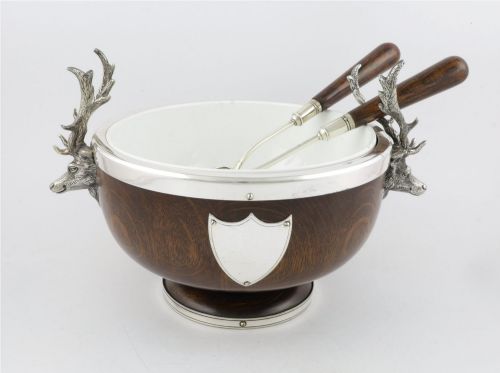
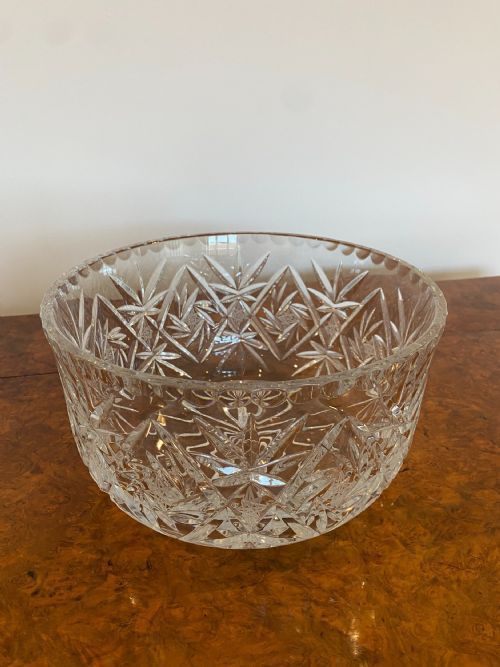
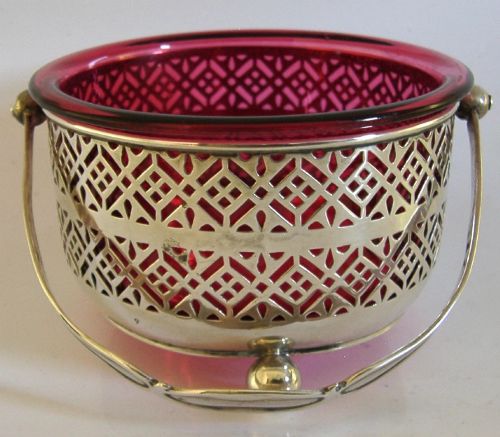
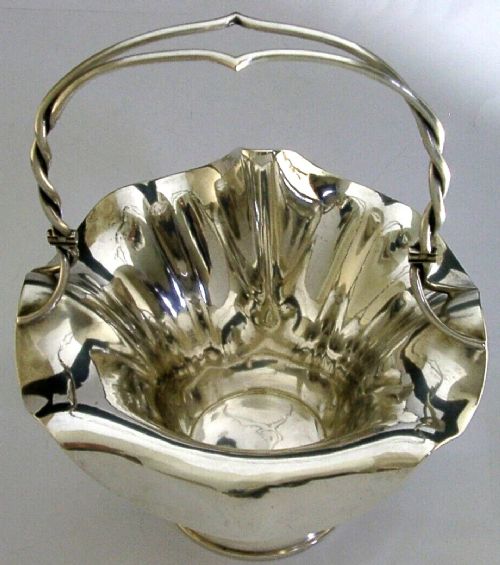
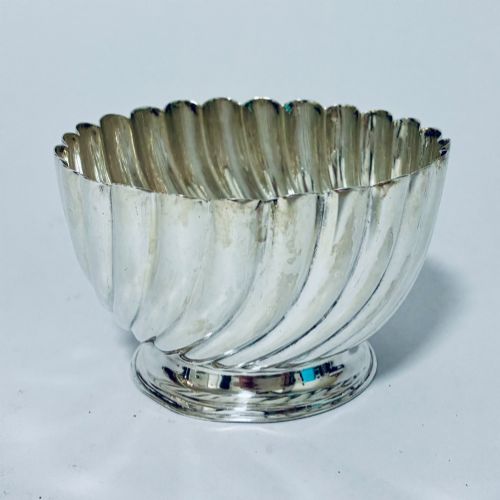
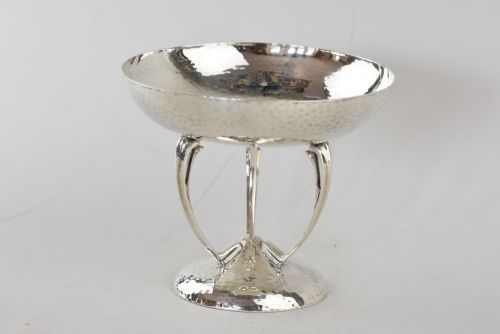
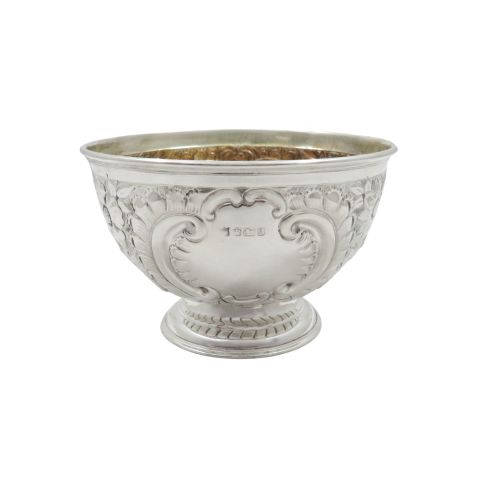
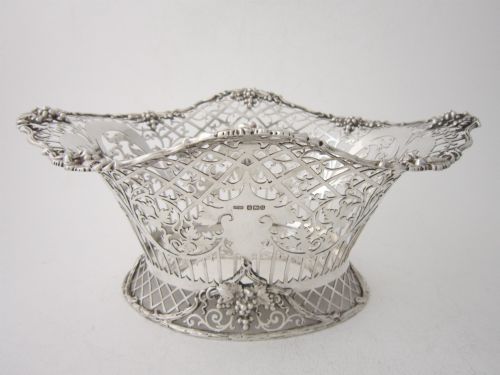
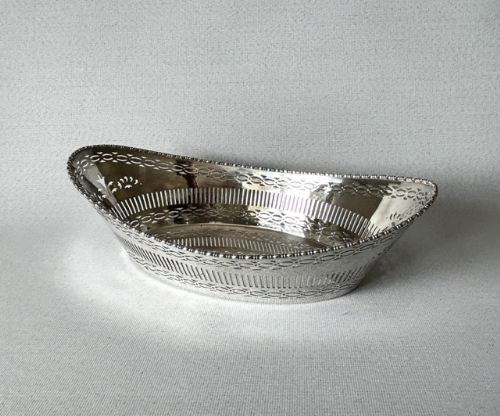
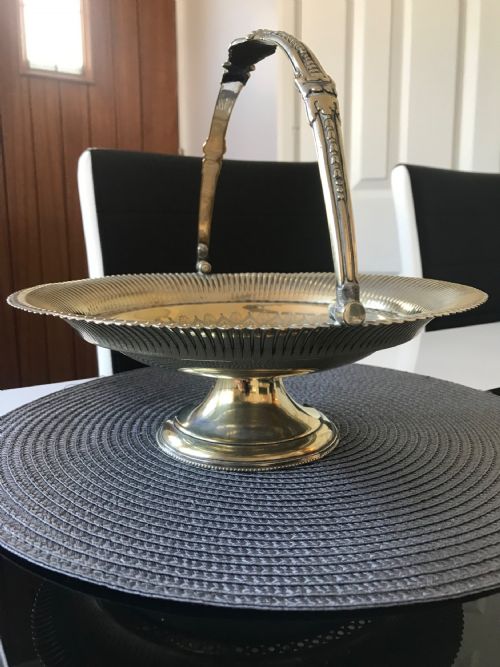
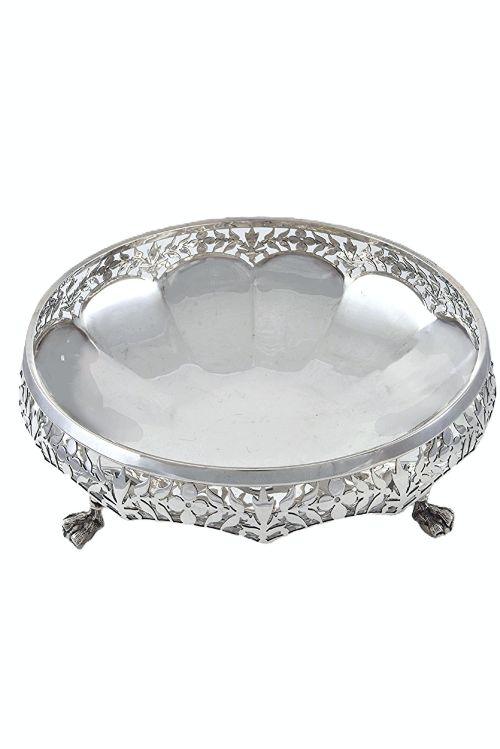
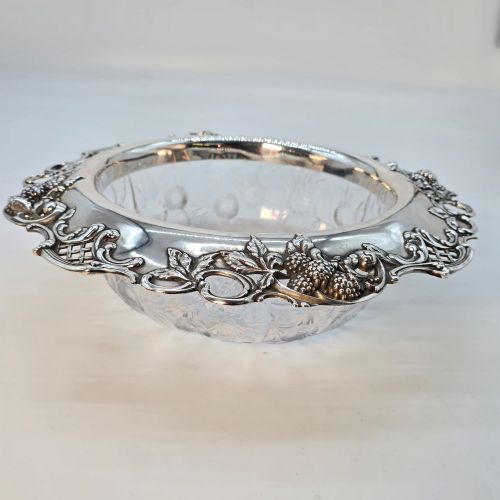
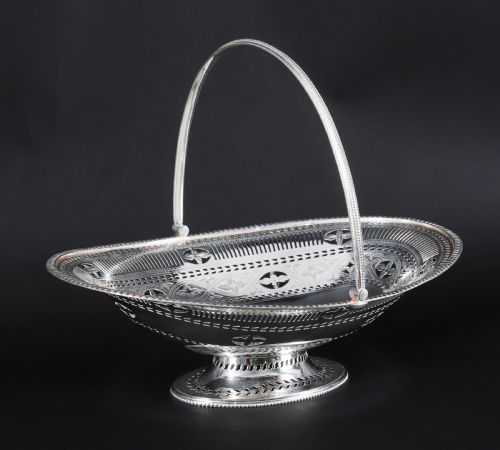
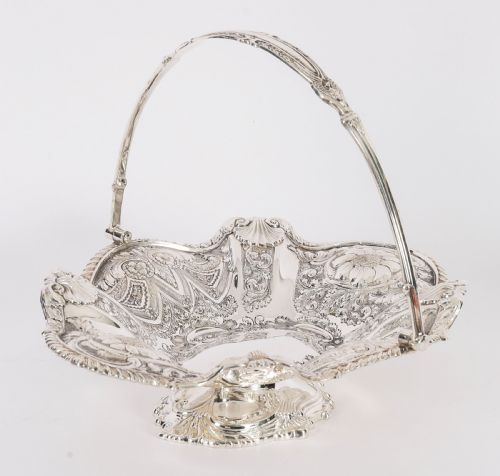
The edwardian fruit bowl manifests primarily as a sturdy basket, a wide pedestal dish, or a low centerpiece designed for holding fresh produce or serving bread. These pieces frequently draw upon sterling silver, silver plate, and cut glass.
Makers of the period utilised distinct styles ranging from flowing art nouveau floral motifs to clean arts and crafts hammered surfaces. Pieces frequently date from around nineteen hundred through to the nineteen tens.
Buyers will encounter swing-handled baskets alongside heavy ceramic centrepieces and mounted glass dishes. The selection on this page reflects the domestic dining habits of the early twentieth century alongside lingering nineteenth-century forms.
Markers of quality
Weight and gauge of metal separate utilitarian domestic vessels from ambitious presentation pieces. Heavier silver gauge ensures the basket rim holds its shape under the weight of a swing handle.
The clarity and depth of hand-cut glass facets define superior glass vessels, where sharp cutting reflects light evenly without distortion. Painted porcelain quality rests on brushwork control and firing consistency in floral details.
Edwardian Fruit Bowl Retail Price Guide 2026
Typical asking prices for edwardian fruit bowl among the pieces listed under this phrase on Sellingantiques today, from the lower quarter to the upper quarter. They describe what is for sale here now, not the wider market.
Listings feature sterling silver, silver plate, porcelain, enamel, gilt, and cut glass across Edwardian, Art Nouveau, and Arts and Crafts styles.
Goldsmiths and Silversmiths Company London·Hamilton and Inches Edinburgh·George W Scott and Sons Ltd·Liberty and Co Tudric Pewter·Tiffany and Co·Mappin and Webb·Royal Doulton·Charles Boyton·Elkington·Thomas Bradbury·Royal Worcester·Joseph Rodgers·Schierholz
The Edwardian Fruit Bowl Glossary
- Tazza
- A shallow saucer-like dish mounted on a stem and foot, traditionally used for serving fruit or small cakes. These pieces sit elevated above the table surface.
- Repoussé
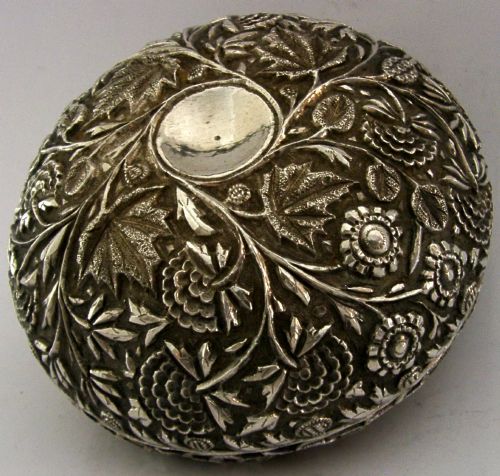
- A metalworking technique where the artisan hammers the design from the reverse side to form raised relief patterns on the front. Floral borders often utilise this method.
- Epergne
- An elaborate central table ornament featuring multiple branching dishes or baskets for fruit and sweetmeats. They dominate the centre of large dining tables.
- Gilt
- A thin layer of gold applied to the surface of silver, bronze, or glass to provide a rich golden finish. This treatment protects underlying metals from tarnishing.
Edwardian Fruit Bowl: Frequently Asked Questions
How were these bowls used?
Households placed these vessels in the centre of dining tables to present fresh fruit, bread, or sweetmeats during formal meals.
Deep swing-handled baskets allowed servants to pass fruit around the table or carry provisions between rooms.
How do I clean silver bowls?
Use a soft cloth and a reputable silver cream to remove tarnish gently without disturbing chased or repoussé details.
Avoid abrasive brushes that scratch the soft metal surface and wear down thin silver plating over time.
Can I use cut glass for food?
Cut glass bowls function well for serving fresh fruit, berries, or salads safely on the dining table.
Wash them by hand in warm soapy water rather than placing them in a modern dishwasher.
How do I date an edwardian piece?
Examine the base or rim for British hallmarks, which stamp the exact assay office, standard of metal, and date letter.
Stylistic cues like flowing art nouveau whiplash lines or geometric art deco forms also help narrow the decade.