

Edwardian Front Door
An edwardian front door is a solid threshold piece that brings period character to a property.
Edwardian Front Door
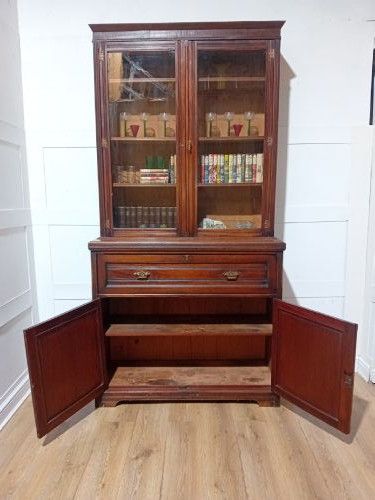
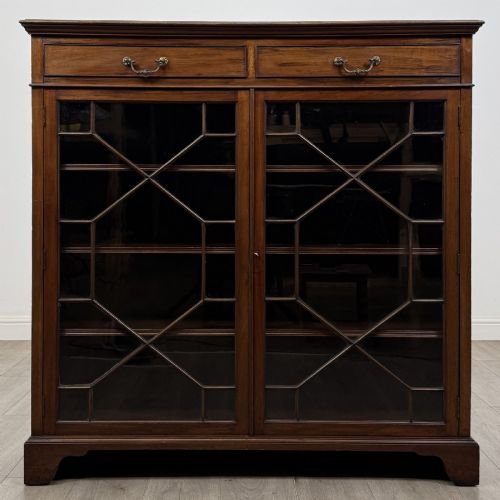
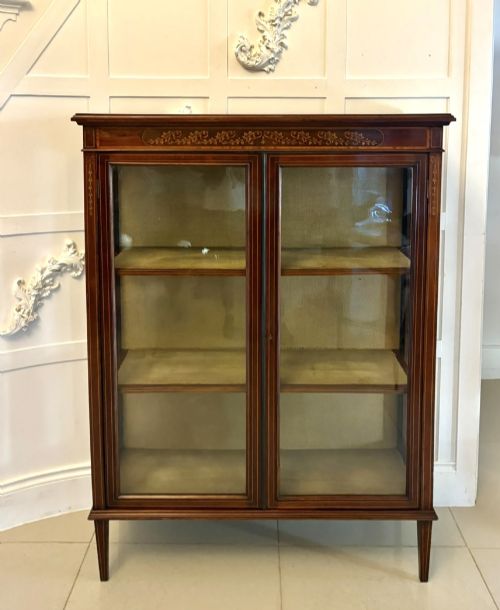
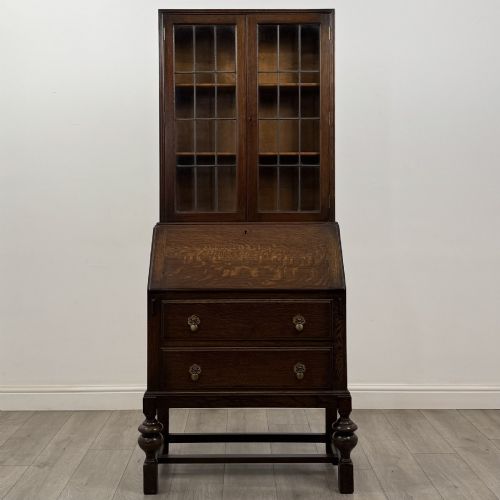
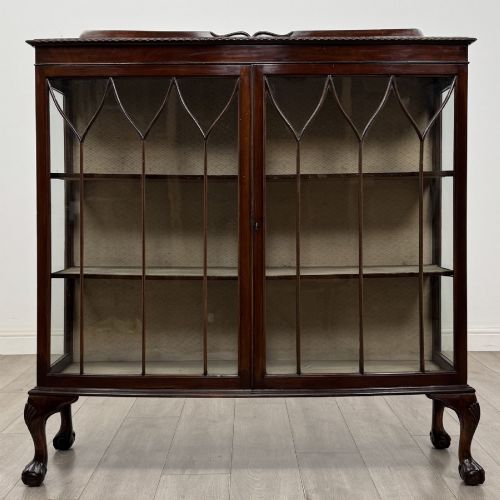
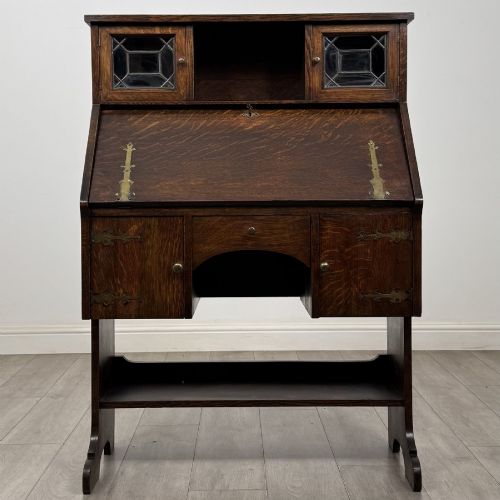
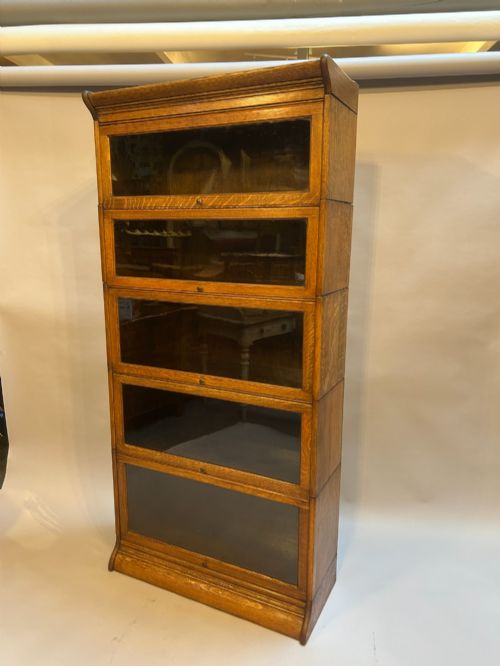
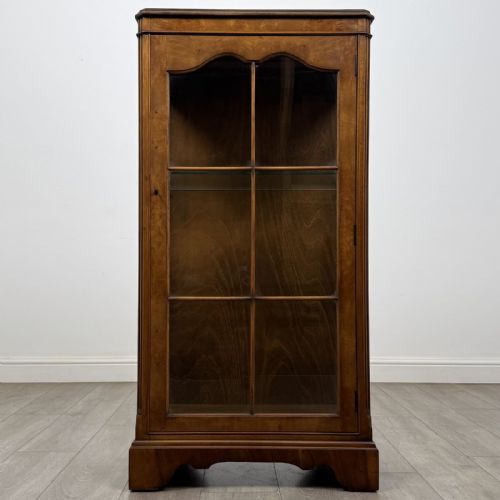
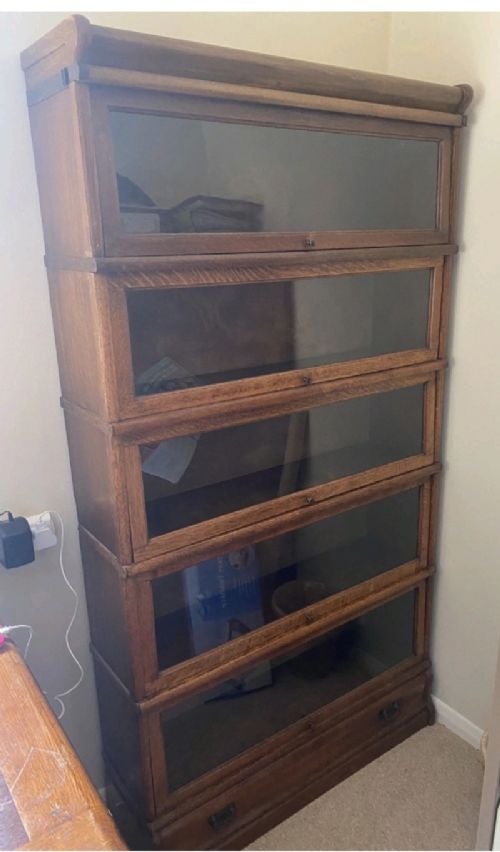
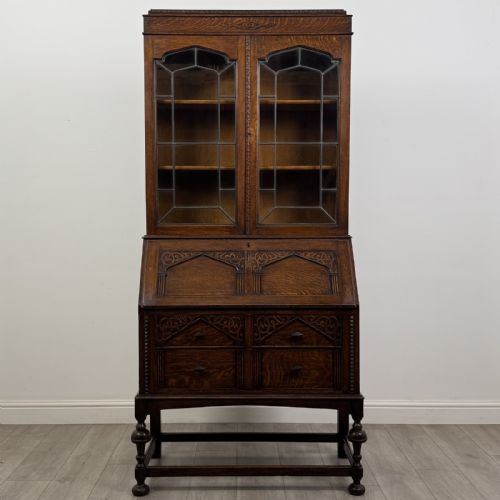
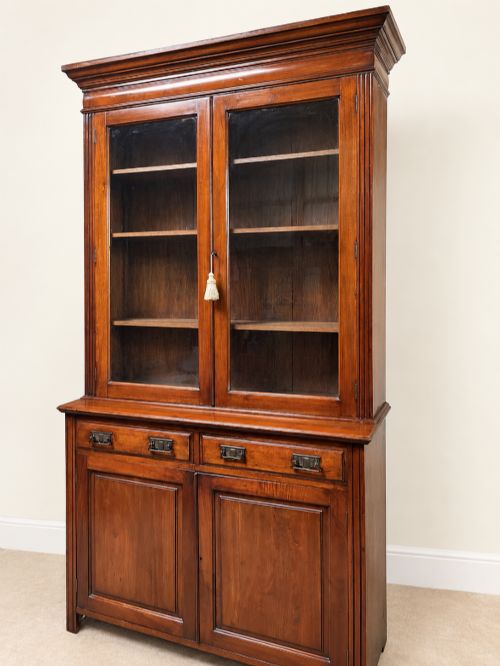
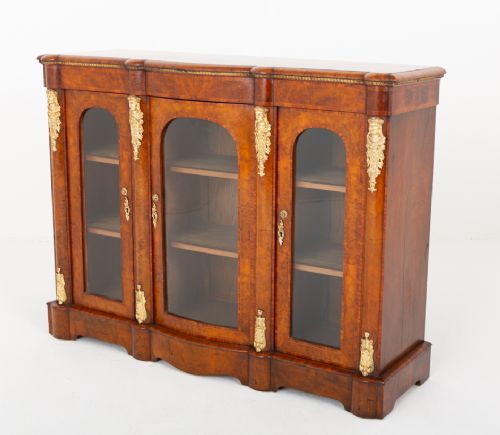
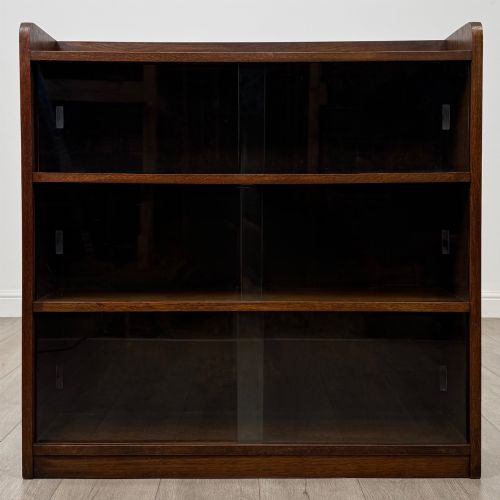
When searching for an edwardian front door, buyers encounter a selection of items that span multiple periods and materials, predominantly featuring display cabinets, bookcases, and cupboards in oak and mahogany.
The material record on this page shows oak, mahogany, walnut, and burr walnut worked into display cabinets, bookcases, and bureaus, rather than architectural entryways.
Buyers are most likely to meet timber cabinetry bearing Edwardian, Victorian, and early twentieth-century dates, reflecting the cabinetmaker's craft rather than external house doors.
What varies in quality
Distinctions across the range depend on timber selection, such as figured burr walnut versus plain oak, and the complexity of veneering and inlay.
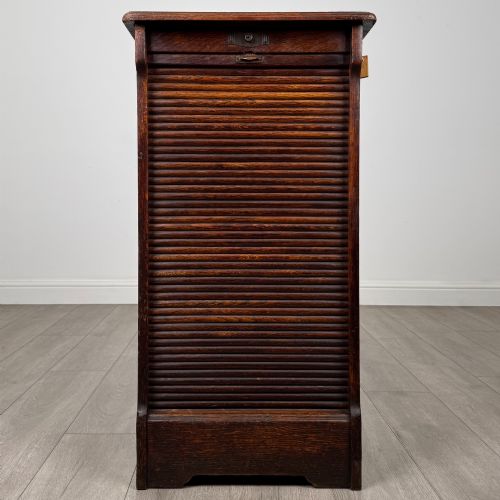
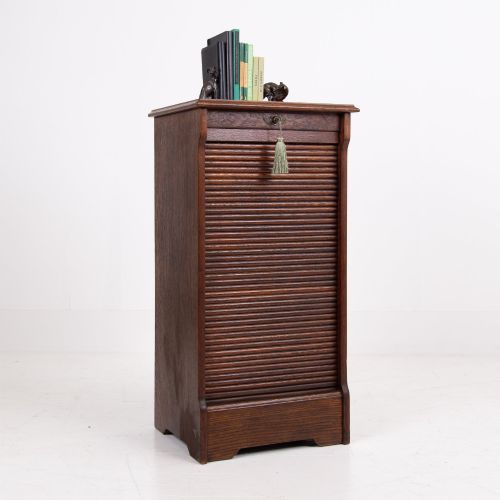
Cabinetwork precision, including the execution of glazed doors, tambour slats, and carved panels, separates standard production from finer examples.
Edwardian Front Door Retail Price Guide 2026
Typical asking prices for edwardian front door among the pieces listed under this phrase on Sellingantiques today, from the lower quarter to the upper quarter. They describe what is for sale here now, not the wider market.
Door knockers make a brief appearance among the cabinetry, proving that hardware sometimes wanders into the wrong category.
The Edwardian Front Door Glossary
- Astragal glazed
- A method of dividing glass panes within a door using thin wooden mouldings called astragals. This technique creates a grid pattern typical of period bookcases.
- Tambour
- Slats of wood glued to a canvas backing that slide in a track to open a cabinet. It allows smooth access to interiors without outward-swinging doors.
- Burr walnut
- Timber taken from a growth on a walnut tree, showing intricate swirling grain patterns. Cabinetmakers sliced this wood into veneers for decorative surfaces.
- Credenza
- A low cabinet, originally for holding food, later adapted as a display piece in Victorian drawing rooms. These often feature glass doors and marquetry.
- Globe Wernicke
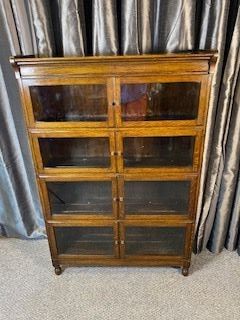
- A sectional bookcase system patented in the late nineteenth century. The units stack modularly with upward-lifting glass doors.
Edwardian Front Door: Frequently Asked Questions
What periods do these cabinets span?
The listings include pieces from the nineteenth and twentieth centuries, with a strong representation of Edwardian and Victorian examples.
Dates range from the 1860s through to the 1930s, encompassing styles such as Arts and Crafts and Sheraton Revival.
Which timbers are most common?
Oak and mahogany appear frequently across the cabinetry, supplemented by walnut and burr walnut.
Selected items also incorporate satinwood and rosewood for decorative contrast.
How do glazed doors differ?
Some cabinets feature simple glass panels, while others utilise astragal glazing bars to divide the window into smaller panes.
Certain pieces incorporate curved or bowed glass doors that require specialist bending techniques.
What function do tambour cabinets serve?
Tambour doors use flexible slats that slide along a recessed track to enclose shelving or filing space.
This mechanism suits compact spaces where swinging doors would obstruct movement.