



Edwardian Folding Desk
An Edwardian folding desk offers clever space-saving utility through ingenious mechanisms designed for compact Victorian and Edwardian living.
Edwardian Folding Desk
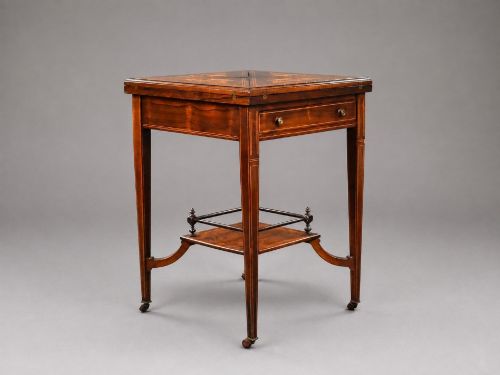
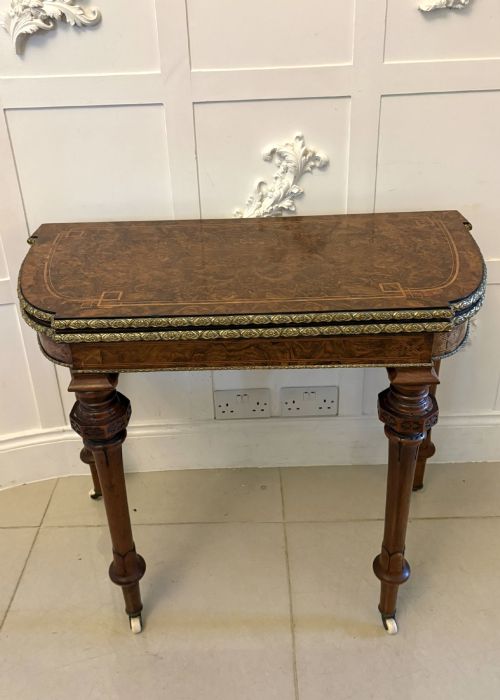
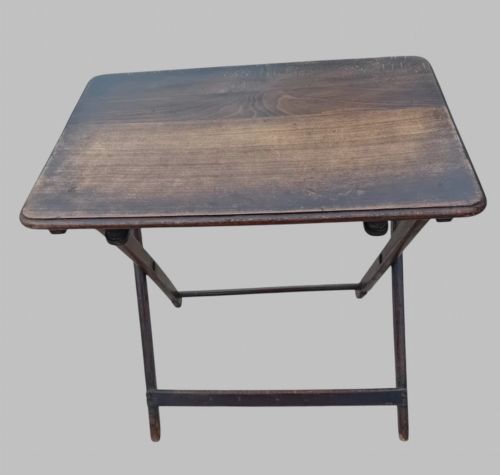
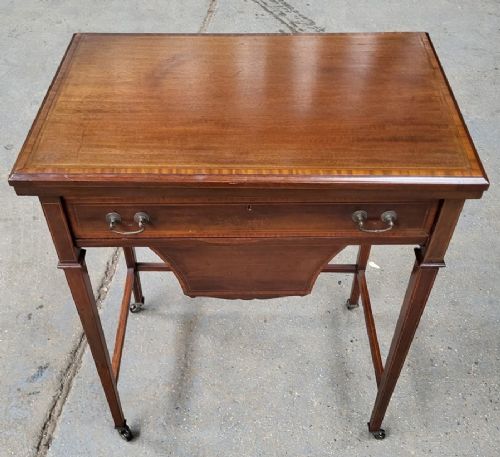
The edwardian folding desk appears in various compact incarnations designed for portability and efficient room usage, drawing upon late Victorian and Edwardian ingenuity. Buyers frequently encounter metamorphic writing tables, campaign style fold-out lady's desks, and fold-over card or games tables across these periods.
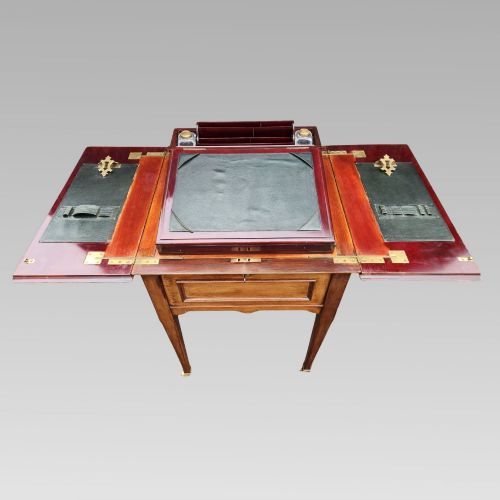
Makers of the era utilised clever hinges, drop leaves, and lift actions to transform occasional tables into fully functional writing surfaces. These space-saving pieces reflect a domestic demand for multi-purpose furniture within urban residences and country houses alike.
Materials and construction methods
Cabinet makers constructed these folding pieces primarily in mahogany, walnut, satinwood, and rosewood, often embellishing surfaces with intricate inlay and cross-banding. Brass mounts, hinges, and patent mechanisms provided the structural support required for repeated folding and unfolding.
Secondary timbers such as beech and pine appear in campaign and trestle variations, while leather writing inserts offered durable surfaces for daily correspondence. Patent hardware by makers such as Betjemann ensured smooth operation of the metamorphic parts.
Edwardian Folding Desk Retail Price Guide 2026
Typical asking prices for edwardian folding desk among the pieces listed under this phrase on Sellingantiques today, from the lower quarter to the upper quarter. They describe what is for sale here now, not the wider market.
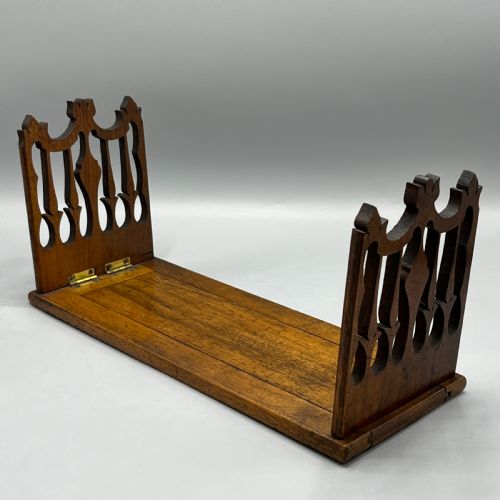
The selection includes various folding forms ranging from campaign style tables and card tables to metamorphic ladies writing desks and book slides.
Distinctions in craftsmanship and finish
The refinement of the mechanical action separates ordinary folding furniture from exceptional examples, where drop leaves and sliding surfaces operate with absolute precision. Superior pieces display finely figured timber veneers, crisp inlay work, and robust brass fittings that endure decades of movement.
Design ambition also marks the hierarchy of these items, ranging from utilitarian pine trestles to sophisticated satinwood and rosewood lady's writing desks with integrated compartments.
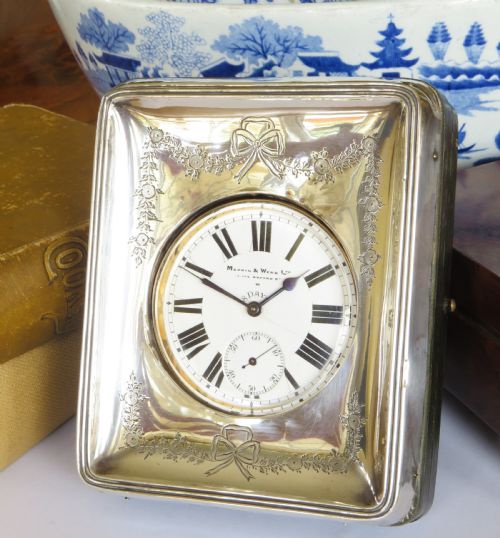
Mappin and Webb·J.C Vickery of London·Betjemanns·Maples of London·Asprey London
The Edwardian Folding Desk Glossary
- Metamorphic
- Furniture designed to transform from one form or function into another, such as a side table converting into a writing desk. These pieces rely on hidden hinges and clever folding leaves.
- Campaign style
- Portable furniture constructed for travel and military use, typically featuring recessed brass handles and corner brackets. Beech and mahogany were favoured for durability on the move.
- Cross-banded
- A border technique where thin strips of veneer are laid across the grain of the main timber. This decorative framing is typical of finer Edwardian cabinet work.
- Ormolu
- Gilded bronze mounts applied to furniture for decorative effect. They accent the corners and aprons of high-status tables.
- Inlay
- The insertion of contrasting woods, shells, or metals into depressions within a solid timber base to form decorative patterns. Satinwood and rosewood often featured this detailed ornamentation.
Edwardian Folding Desk: Frequently Asked Questions
What is a metamorphic writing table?
A metamorphic writing table is a multi-functional piece of furniture that conceals its writing surface, drawers, or compartments within a compact closed form such as a cabinet or card table.
By lifting, folding, or sliding panels, the user reveals a fully equipped desk space without taking up permanent room in a study.
How do campaign style desks differ?
Campaign style desks were originally built for military officers and travellers requiring portable furniture that could withstand rough transit.
They are characterised by sturdy timbers, folding legs, and protective brass hardware countersunk into the wood to prevent damage during movement.
Where were these folding desks used?
These versatile items found places in drawing rooms, bedrooms, and libraries where space was at a premium or multi-functional furniture was required.
A lady might utilise a fold-out satinwood desk for correspondence in a boudoir, while a games table doubled as an occasional lamp table.
How can I identify the Edwardian period?
The Edwardian period spans from nineteen hundred to nineteen ten, leaning towards lighter timbers, delicate satinwood inlay, and refined proportions compared to earlier Victorian heaviness.
Construction often incorporates patent brass mechanisms and sophisticated folding actions tailored to Edwardian domestic comfort.