



Edwardian Flower Pin
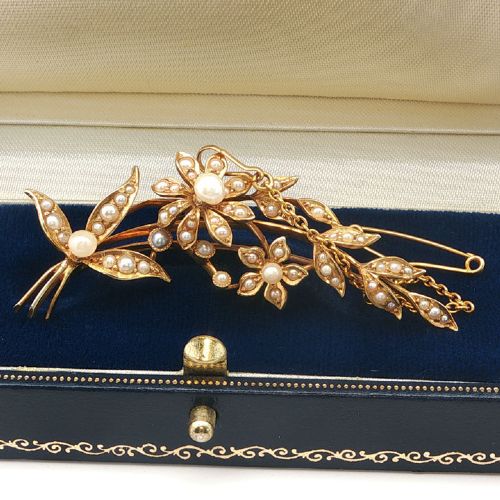
An edwardian flower pin brings floral brightness to a lapel, offering delicate gem and enamel work from the early twentieth century.
Edwardian Flower Pin
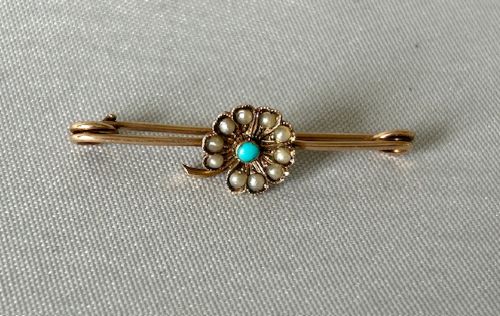
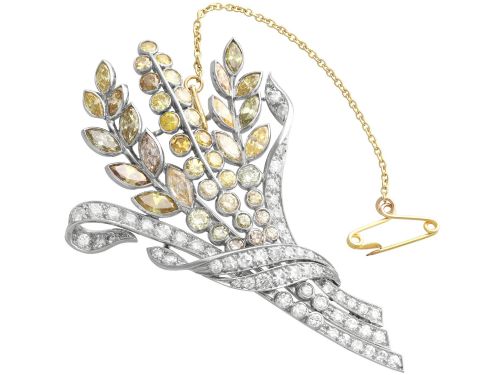
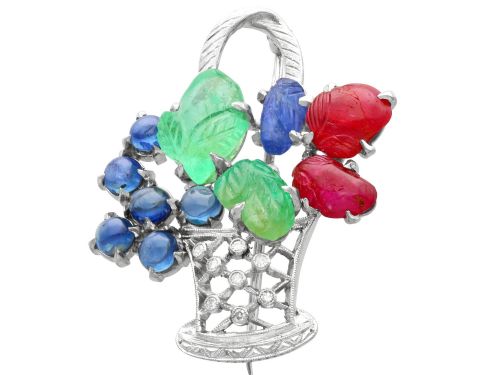
An edwardian flower pin takes the form of a brooch, often shaped as a flower spray, single blossom, or basket of blooms. The examples found here span the Edwardian period alongside pieces from the early decades of the twentieth century, bridging Victorian tradition and later Art Deco lines.
Makers fashioned these jewels as floral bar brooches, spray pins, and cluster designs, utilising precious metals like yellow and white gold, silver, palladium, and 15ct gold. Gems and organic materials such as diamond, pearl, moonstone, sapphire, emerald, ruby, almandine garnet, and polychrome enamel bring colour and naturalism to each piece.
Buyers meet varied stylistic influences across these items, from direct Edwardian floral representations to Arts and Crafts enamel work and early Tutti Frutti or swirl cluster arrangements. The forms consistently celebrate botanical subjects through meticulous metalwork and stone setting.
Materials and Craftsmanship
Goldsmiths and jewellers constructed these floral pins using a foundation of 15ct gold, yellow gold, white gold, silver, or palladium to support delicate stone settings. Metals were shaped into twisted wire stems, textured leaves, and secure settings for diamonds and coloured gems.
Enamel work provides vibrant colour to petals and leaves, often combined with cabochon moonstones, pearls, and faceted stones including sapphires, emeralds, rubies, and garnets. Hand-setting techniques secure each diamond and coloured stone within the precious metal framework.
Edwardian Flower Pin Retail Price Guide 2026
Typical asking prices for edwardian flower pin among the pieces listed under this phrase on Sellingantiques today, from the lower quarter to the upper quarter. They describe what is for sale here now, not the wider market.
Materials recorded across the inventory include diamond, pearl, enamel, moonstone, sapphire, emerald, ruby, garnet, gold, silver, and palladium.
Quality Variations in Floral Pins
The sophistication of the lapidary work and metal fabrication distinguishes different tiers of these floral pins. Pieces featuring substantial diamond weight and multi-gem combinations display advanced technical skill in mounting and stone matching.
The finesse of the enamel application and the organic realism of the floral modelling separate standard production from finer examples. Superior execution shows in the delicate articulation of petals, leaves, and stems using gold, silver, and palladium.
The Edwardian Flower Pin Glossary
- Bar brooch
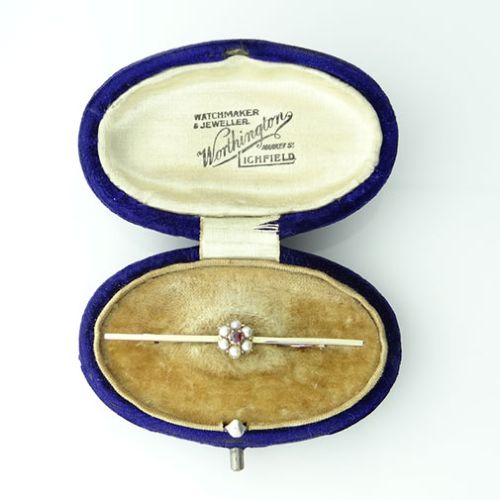
- A horizontal pin designed with a slender bar foundation, frequently decorated with a central floral cluster or spray.
- Tutti Frutti
- A colourful style of jewellery incorporating mixed multi-gem stones, often carved into fruit and floral motifs.
- Essex crystal
- Reverse-crystal intaglio work painted by hand and set beneath a domed rock crystal cabochon.
- Almandine garnet
- A deep red variety of garnet stone utilised in antique jewellery for rich colour contrast.
Edwardian Flower Pin: Frequently Asked Questions
How were these floral pins worn?
These pieces functioned primarily as fastening brooches for garments, secured to lapels, collars, and shawls.
Their secure pin stems and balanced weights allowed them to sit flat against fabrics without pulling or sagging.
What materials appear in these pins?
Jewellers utilised a mix of precious metals, including yellow gold, white gold, 15ct gold, silver, and palladium.
Decorations rely on diamonds, pearls, moonstones, coloured gemstones, and polychrome enamel to render petals and leaves.
How do styles differ across periods?
Edwardian and Victorian antecedents lean towards naturalistic floral sprays and delicate enamel work, while later pieces show Arts and Crafts or early Art Deco influences.
Cluster arrangements and geometric twists emerge alongside traditional organic botanical forms in pieces from the nineteen-twenties and thirties.