





Edwardian Floral Stand
An edwardian floral stand holds plants and blooms, bringing domestic interiors alive with natural timber and brass.
Edwardian Floral Stand
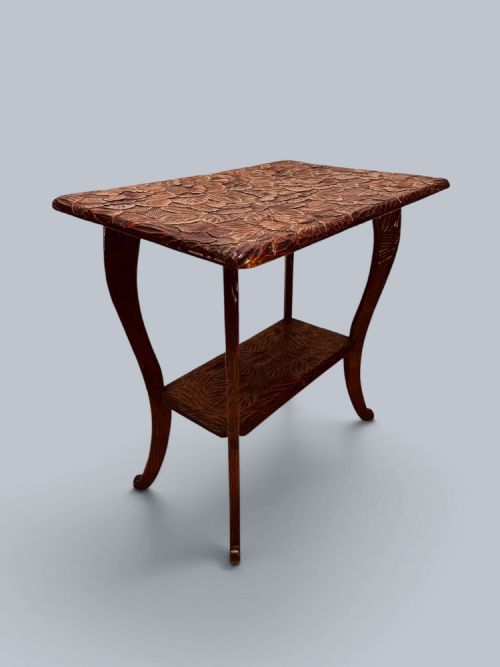
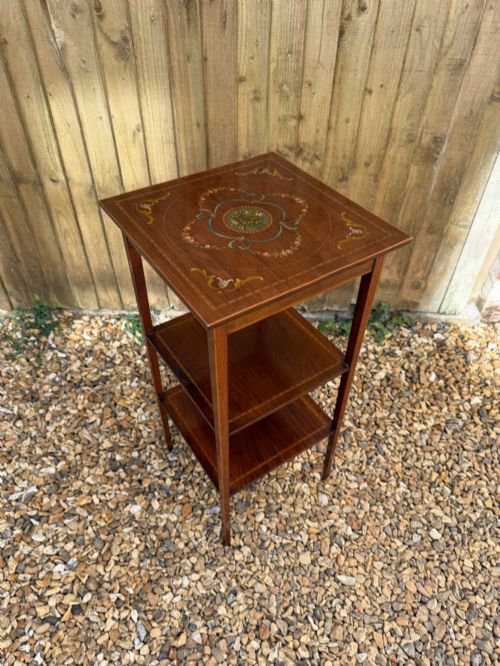
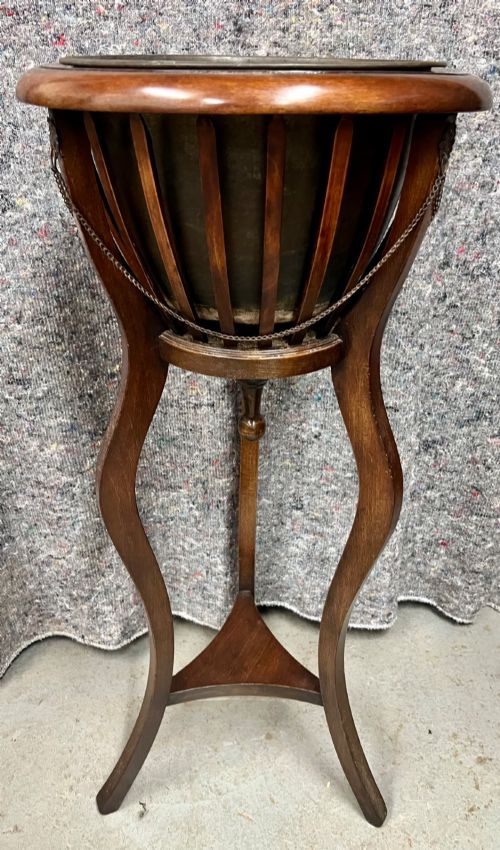
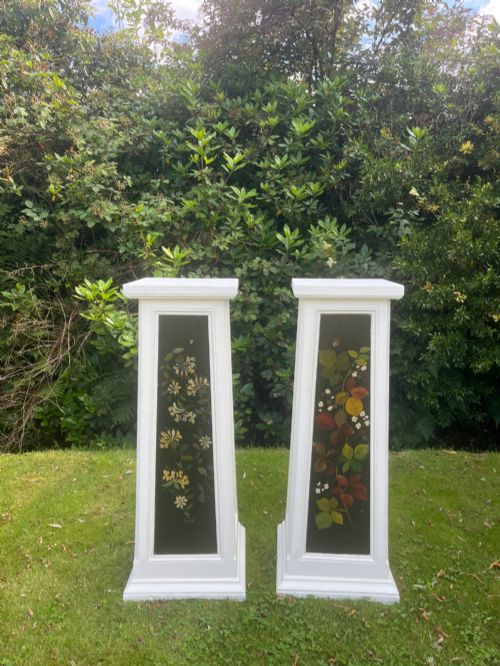
When searching for an edwardian floral stand, buyers encounter versatile display furniture designed to showcase plants and ornamental botanical arrangements within reception rooms and hallways. These pieces typically manifest as jardiniere stands, pedestals, or tiered tables originating from the late nineteenth and early twentieth centuries.
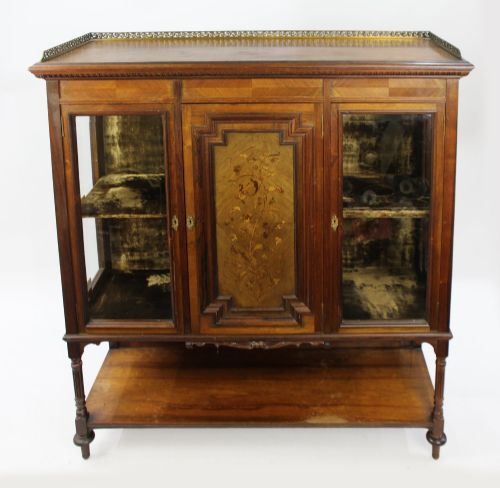
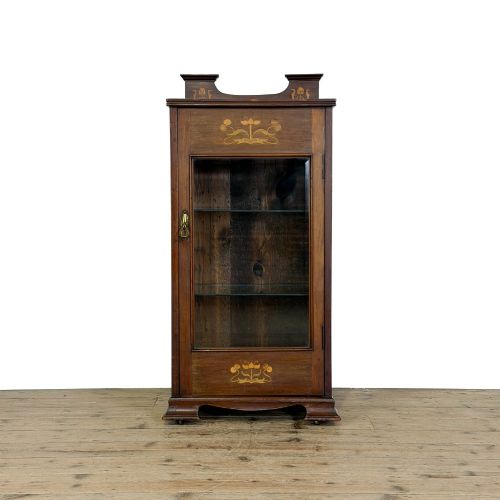
The selections on this page span Edwardian, Victorian, and later periods, capturing stylistic echoes from Art Nouveau, Arts and Crafts, and Sheraton Revival movements. Alongside dedicated plant holders, related forms such as occasional tables and display furniture emerge from the broader evidence.
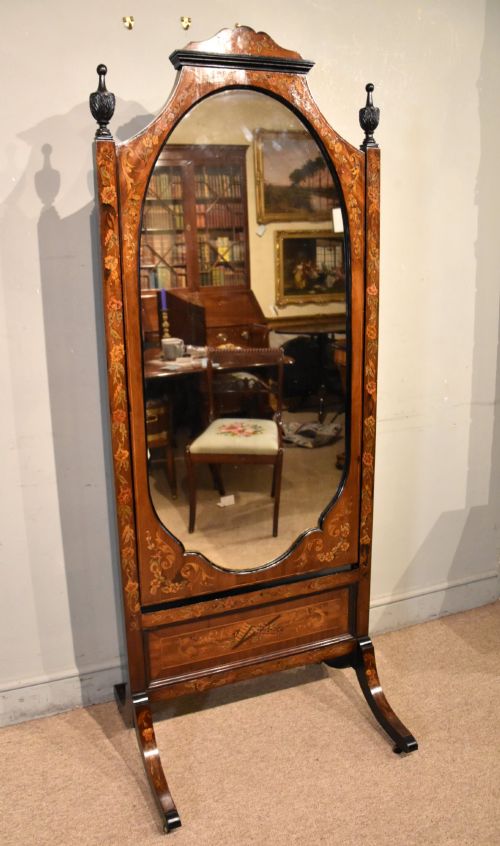
Construction materials lean towards traditional cabinet timbers like mahogany, oak, satinwood, and rosewood, frequently accented with marquetry inlay or paint. Brass and iron elements appear in structural mounts and decorative floral openwork bases.
Materials and construction
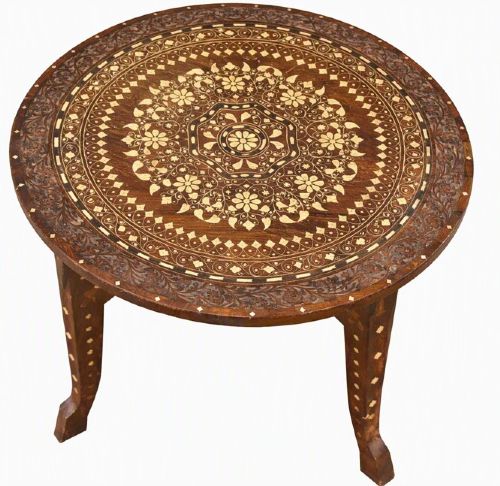
Cabinet makers utilised solid hardwoods and selected veneers, applying marquetry and bone inlay to enrich flat surfaces. Painted finishes and delicate lacquer work also define the decorative vocabulary of the period.
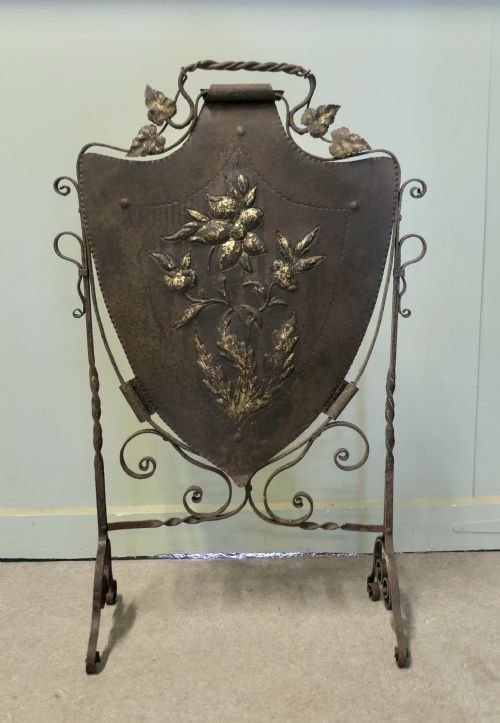
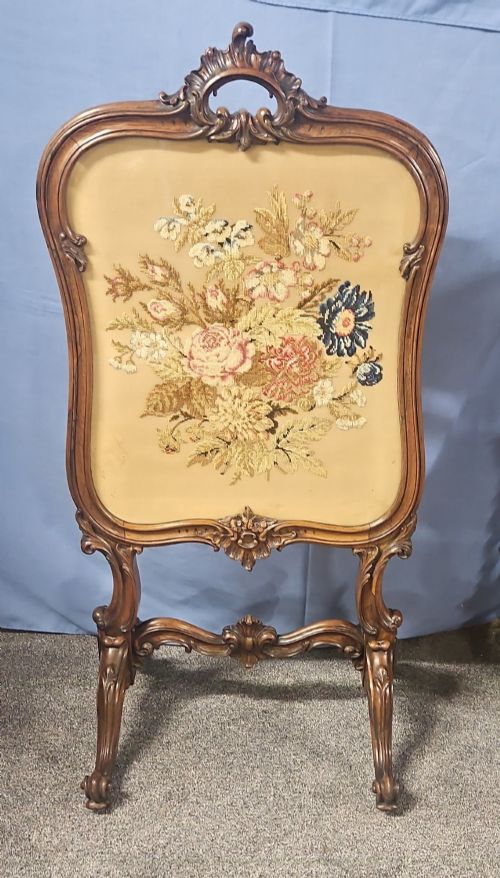
Metal components involve cast or embossed brass and iron, seen in floor lamps, fire screens, and structural jardiniere mounts. Glass and porcelain elements complement the timber frameworks in related decorative forms.
Edwardian Floral Stand Retail Price Guide 2026
Typical asking prices for edwardian floral stand among the pieces listed under this phrase on Sellingantiques today, from the lower quarter to the upper quarter. They describe what is for sale here now, not the wider market.
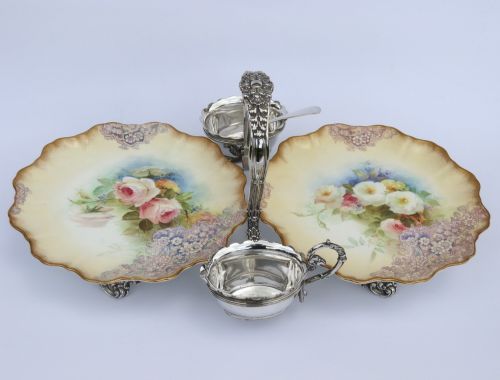
Putti dance eternally around porcelain roses, bringing stubborn cheer to any room regardless of the weather outside.
Assessing quality and craftsmanship
Quality rests in the crispness of the carving, the precision of marquetry inlay, and the structural integrity of the timber joints. Superior examples exhibit balanced proportions and well-finished secondary woods.
The finesse of hand-painted details and the weight of cast brass mounts distinguish finer items from simpler utilitarian furniture. Original surfaces and honest patination significantly elevate a piece.
Liberty & Co·Walker and Hall·Doulton Burslem·Abel Landry·Minton
The Edwardian Floral Stand Glossary
- Jardiniere
- A large decorative pot or stand intended for holding flowers or live plants. They sit on floors or dedicated pedestals.
- Marquetry
- Decorative patterns formed by inserting pieces of coloured wood, veneer, or bone into a solid wood matrix. This technique adorns tabletops and cabinet doors.
- Étagère
- A piece of furniture consisting of a set of open shelves for small objects. These tiered structures provide multiple display surfaces.
- Torchere
- A tall stand or candlestick designed to hold a light source or decorative object. In furniture, it often serves as a plant or bust pedestal.
- Satinwood
- A durable, lustrous wood with a golden sheen, heavily utilised in fine cabinet-making. It forms the canvas for painted Neoclassical motifs.
Edwardian Floral Stand: Frequently Asked Questions
What is an edwardian floral stand used for?
These stands serve to elevate potted plants, flowers, and ferns within living spaces. They bring greenery into domestic rooms while protecting flooring and furniture surfaces.
Beyond botany, similar tiered and pedestal forms act as display spaces for ceramics and decorative objects. Their compact footprints suit corners and window bays.
How do I care for antique wood furniture?
Maintain timber pieces by keeping them away from direct sunlight and sudden temperature changes. Gentle dusting with a dry, soft cloth preserves the polish and patina.
Avoid silicone-based sprays, opting instead for traditional beeswax applied sparingly. Treat inlaid surfaces with particular care to prevent moisture damage.
How can I date an edwardian piece?
Examine the construction methods, timber choices, and hardware for period characteristics. Edwardian furniture often lighter in build than Victorian predecessors, favouring Sheraton Revival and Art Nouveau motifs.
Maker marks, stamps, and labels provide definitive chronological markers when present. Secondary woods and fastener types also offer clues to the decade of manufacture.
Where should I place a plant stand?
Position these stands near natural light sources where indoor plants thrive without sustaining heat damage. Hallways and drawing room corners make ideal settings for vertical display.
Ensure the floor surface remains level so tall pedestals and multi-tiered stands stay stable. Balance the weight of heavy ceramic pots across the centre of the base.