




Edwardian Fireguard
An edwardian fireguard protects a room from stray embers while adding period character to a hearth.
Edwardian Fireguard
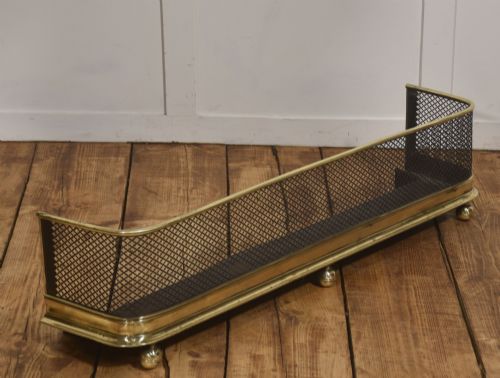
When you search for an edwardian fireguard, you encounter hearth furniture spanning the late nineteenth century into the early twentieth century. The selection on this page centres on fire screens, nursery fenders, and fireplace accessories designed to contain sparks.
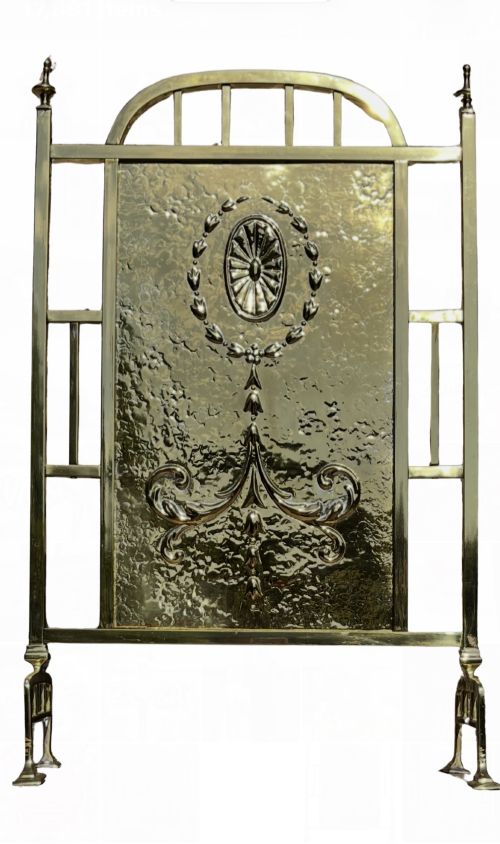
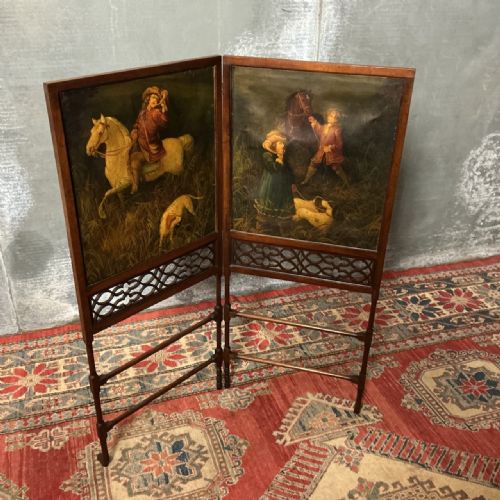
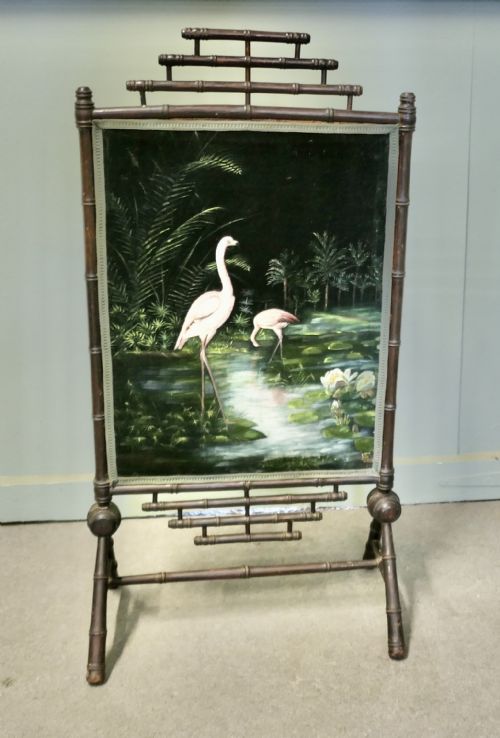
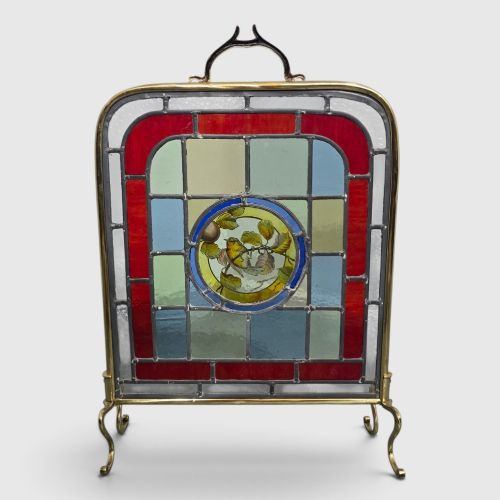
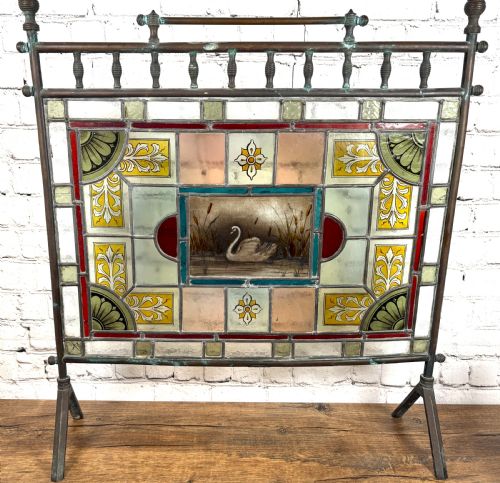
Most pieces combine functional mesh or solid metal frames with decorative elements such as stained glass, oil paintings, and embossed metal panels. You will find forms ranging from simple wire mesh guards to elaborately framed brass and copper screens.
Originating across periods including the Victorian era and the Edwardian epoch, these items reflect the domestic safety requirements and aesthetic tastes of their time. The designs incorporate prevailing styles like Art Nouveau, Arts and Crafts, and Chinoiserie.
Materials and Construction
These guards rely on metals like brass, copper, iron, and steel to build sturdy frames and protective wire mesh. Smiths and metalworkers hammered, pierced, and cast these materials to create durable hearth barriers.
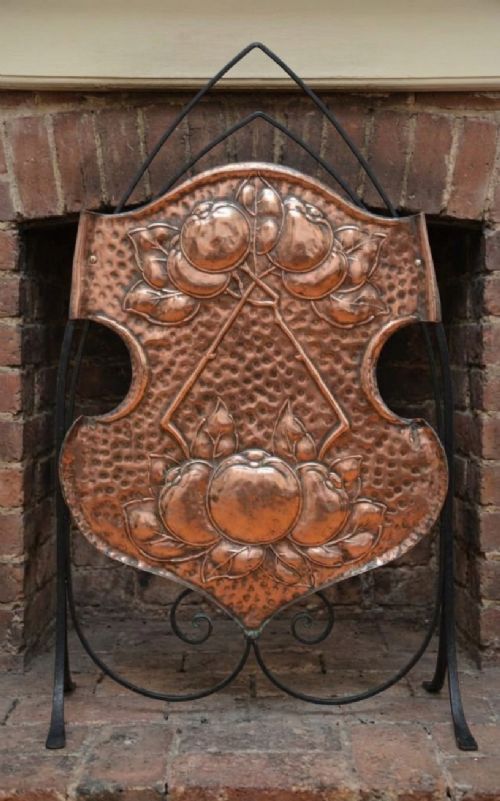
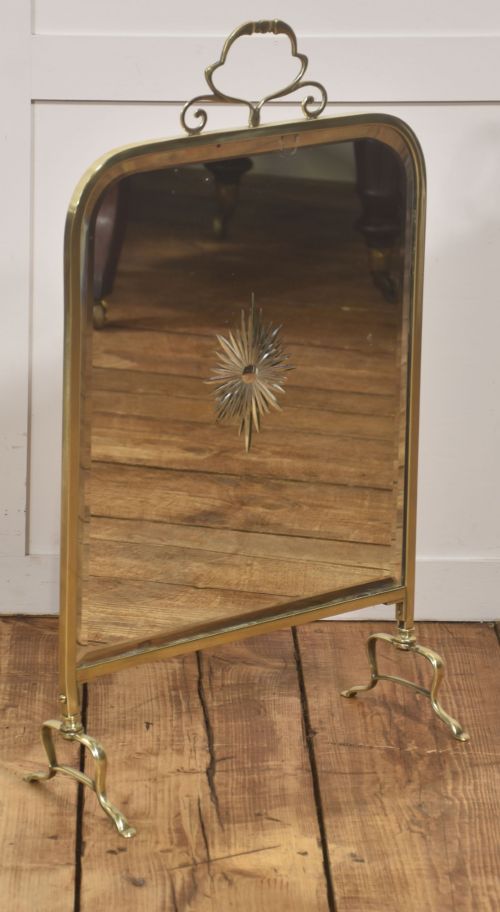
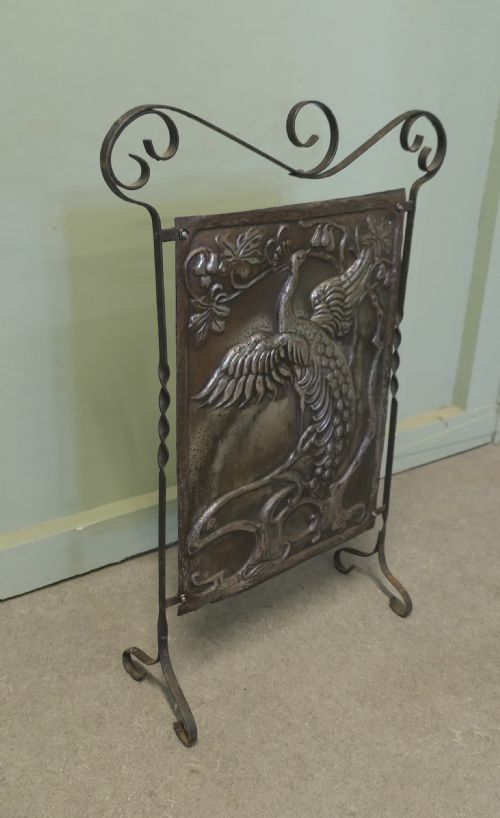
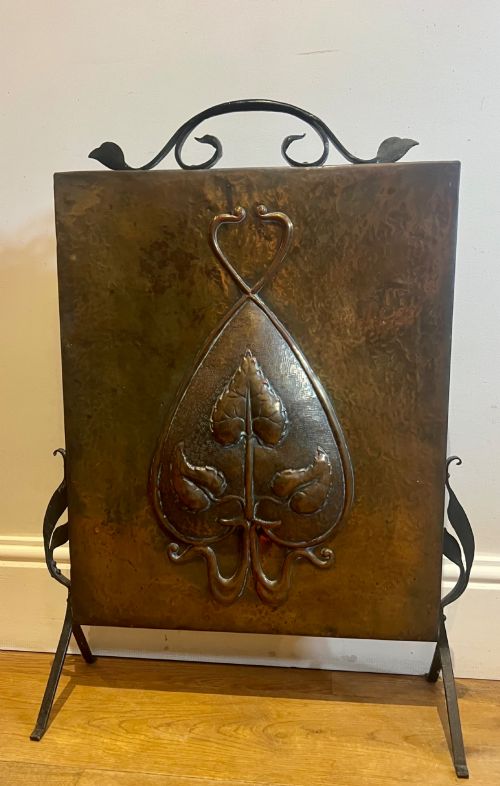
Decorative panels integrate varied media including oil paint on canvas, stained glass, and mirrored glass set into wooden or metal structures. Artisans utilised embossing and repoussé techniques, particularly on copper surfaces, to pattern floral and avian motifs.
Edwardian Fireguard Retail Price Guide 2026
Typical asking prices for edwardian fireguard among the pieces listed under this phrase on Sellingantiques today, from the lower quarter to the upper quarter. They describe what is for sale here now, not the wider market.
Art Nouveau and Arts and Crafts styles dominate the decorative metalwork, alongside Victorian brass fenders and painted screens.
Assessing Quality
Quality rests in the gauge of the metal and the integrity of the frame construction, separating robust pieces from lighter utilitarian versions. Heavier brass and iron frameworks maintain stability around an active hearth.
Artistic execution distinguishes standard production from finer examples, especially in hand-beaten copper panels or detailed stained glass work. The integration of painted canvases or textile inserts shows the original maker's ambition.
The Edwardian Fireguard Glossary
- Fire Screen
- A movable panel placed before a fireplace to block excessive heat or contain sparks when the fire dies down. These often feature decorative glass, metal, or fabric.
- Nursery Fender
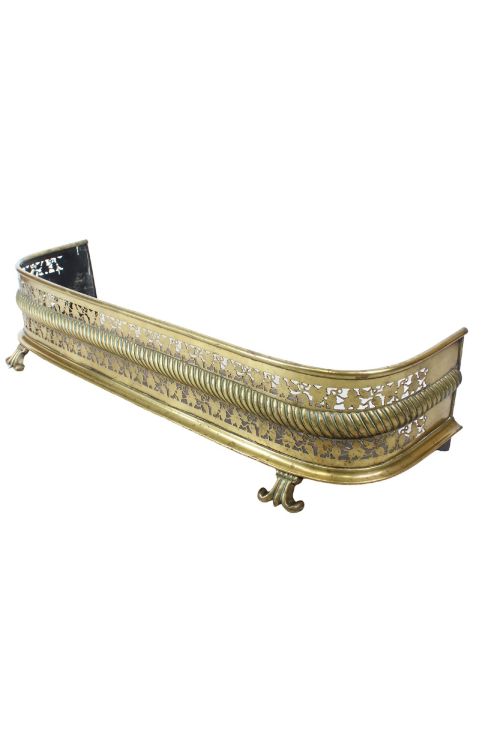
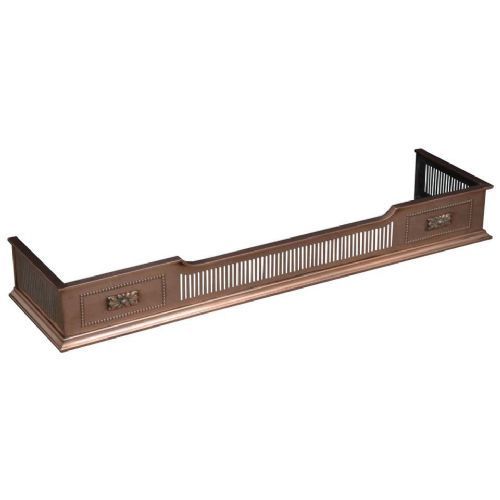
- A low protective barrier enclosing a hearth to keep children and pets at a safe distance from flames. They frequently incorporate mesh panels and sometimes integrated rails.
- Repoussé
- A metalworking technique where the artisan hammers metal from the reverse side to form a raised design on the front. This method appears widely on copper fire screens.
- Patera
- A circular ornamental disc resembling a classical medallion, often carved or stamped onto metalwork. You find these decorating the corners or friezes of fenders.
- Spark Guard
- A fine wire mesh screen designed specifically to intercept flying embers. These often include folding sections for adjustment.
Edwardian Fireguard: Frequently Asked Questions
What is an edwardian fireguard?
An edwardian fireguard is a protective hearth accessory designed to block sparks and embers from escaping an open fire. They range from solid framed screens with decorative glass to wire mesh guards.
These pieces served a practical safety role while contributing to the overall interior decoration of period reception rooms.
How do I use a fire screen?
Fire screens stand directly in front of the fireplace opening when the fire is unlit or burning down. They shield the room from stray sparks and draft while concealing an empty grate.
Position the screen to cover the hearth opening fully, ensuring the heavy base or feet maintain stable footing on the floor.
What materials are used?
Makers constructed these guards primarily using brass, copper, iron, and steel for the structural frames and protective mesh. Secondary elements include stained glass, oil paintings, mirrors, and textiles.
Metal components were often polished, lacquered, or left with a natural oxidized finish depending on the prevailing style.
How do I tell periods apart?
Identifying the period involves looking at the decorative vocabulary, such as flowing organic lines for Art Nouveau or honest hand-worked surfaces for Arts and Crafts. Victorian pieces often display heavier cast brass and ornate ornamentation.
Edwardian designs tend toward lighter proportions and distinct stylistic revivals, incorporating materials like wire mesh and mahogany.