


Edwardian Fire Curb
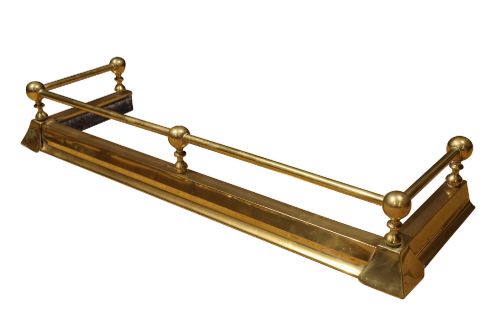
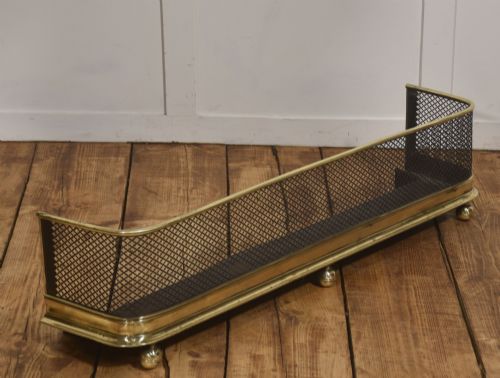
An edwardian fire curb defines the hearth, combining protective metalwork with period character.
Edwardian Fire Curb
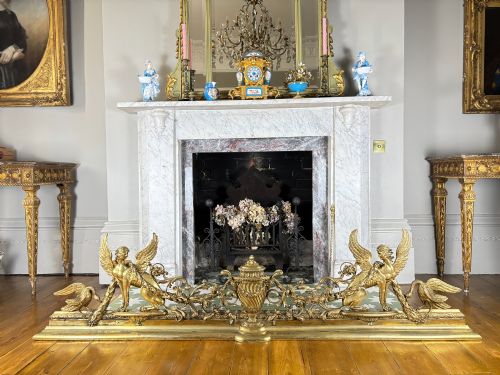
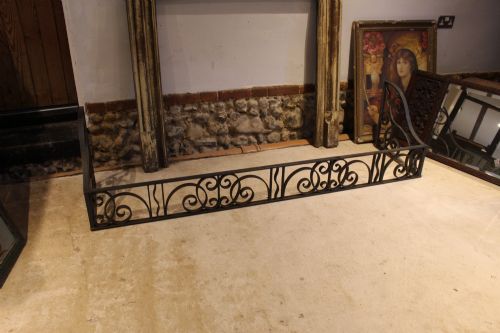
An edwardian fire curb frames the fireplace floor, keeping hot embers contained while anchoring the room's fireside scheme. The selection spans the Victorian and Edwardian eras, reaching back into the late nineteenth century.
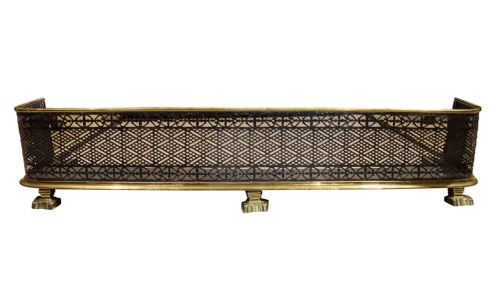
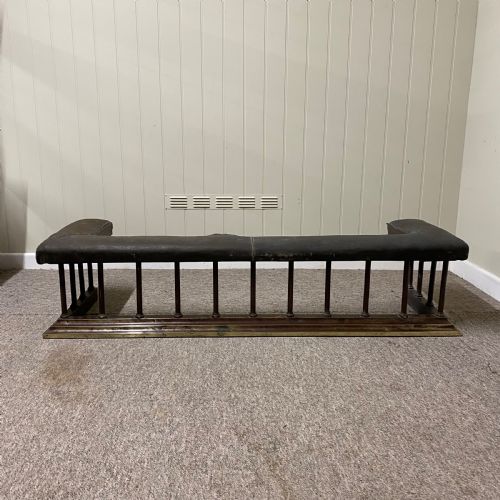
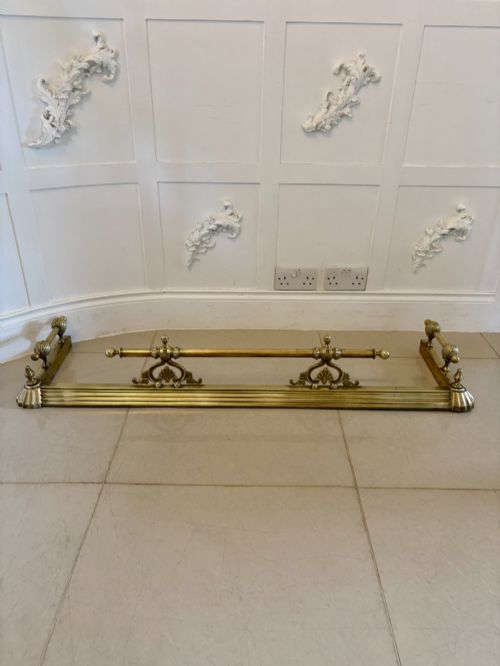
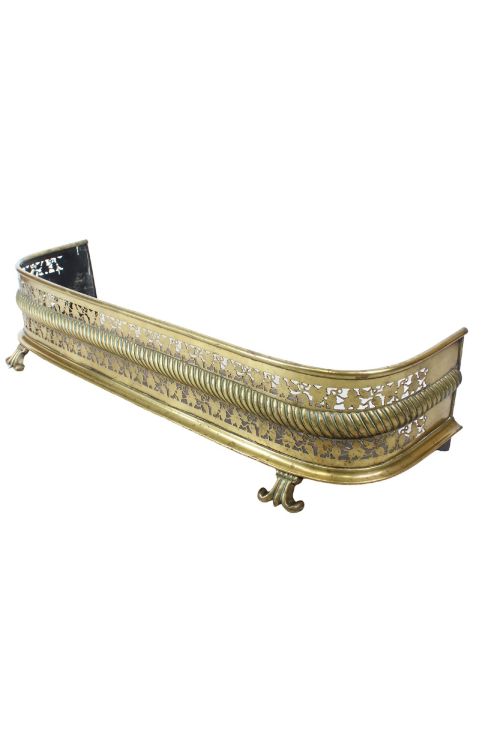
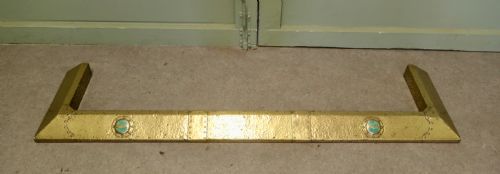
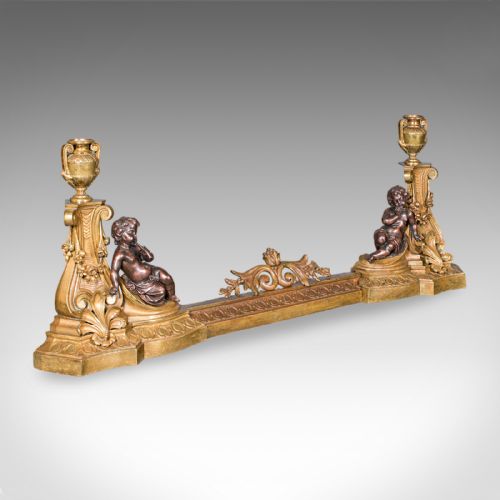
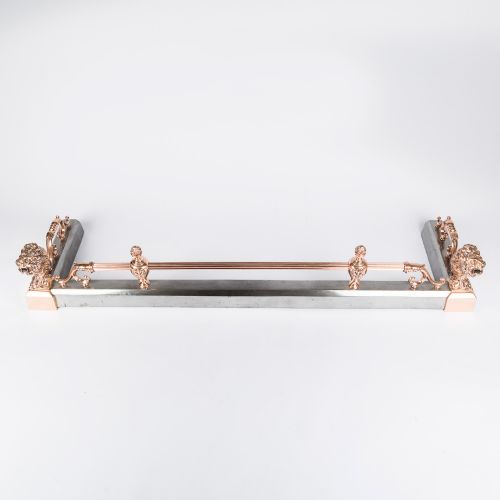
Most examples take the form of adjustable brass or copper frames, alongside variants in iron, steel, and oak club fenders. Makers from these periods utilised diverse stylistic languages, from ornate Victorian castings to flowing Art Nouveau motifs and hand-beaten Arts and Crafts designs.
Materials and construction
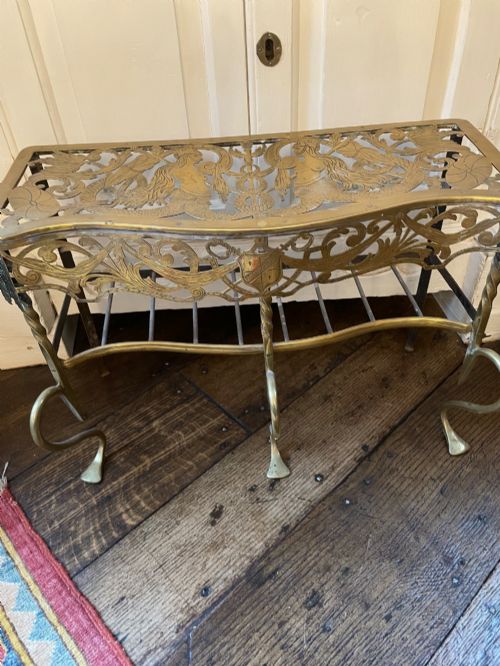
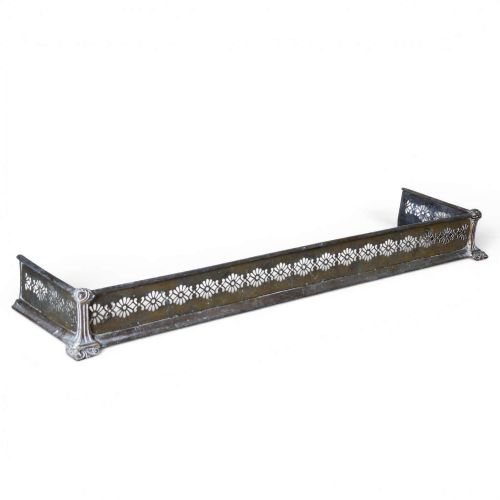
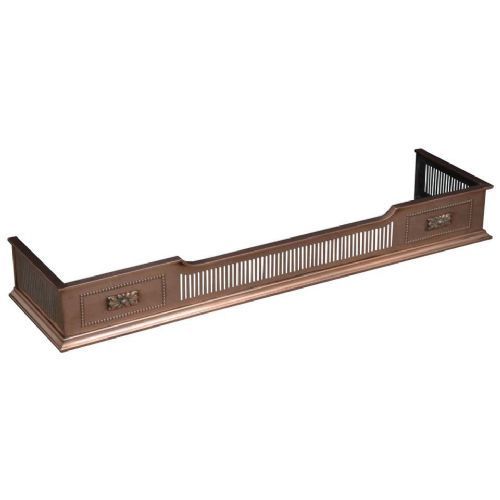
Workshops relied heavily on bright brass and warm copper, frequently pairing them with structural iron and steel components. Details such as green enamel cabochons, flower pateras, beaded decoration, and pierced brass panels add texture to the metal framework.
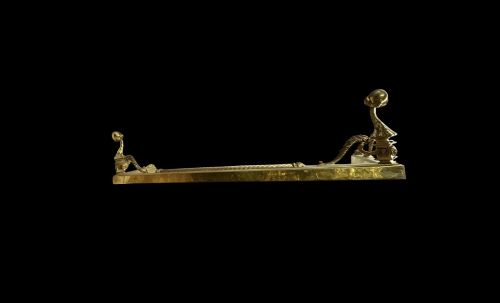
Many pieces incorporate adjustable mechanisms to fit varying hearth dimensions, whilst others utilise heavy-gauge metals and patinated finishes achieved through traditional metalworking techniques.
Edwardian Fire Curb Retail Price Guide 2026
Typical asking prices for edwardian fire curb among the pieces listed under this phrase on Sellingantiques today, from the lower quarter to the upper quarter. They describe what is for sale here now, not the wider market.
Assessing quality in hearth furniture
Metal weight and gauge set the foundation for durability, where heavy-gauge construction delivers a more substantial presence around the fireplace. Superior examples display crisp chasing on cast brass, precise piercing, and secure joinery.
Surface preservation and original patination elevate an individual piece, distinguishing carefully tended examples from those with heavy losses or crude replacements.
The Edwardian Fire Curb Glossary
- Fire curb
- A low metal barrier placed around the hearth to keep logs and ash contained. It serves both a protective and a decorative function in the room.
- Club fender
- A low, upholstered seat built over a metal frame around the fireplace. These pieces offer fireside seating within the hearth boundary.
- Patera
- A circular ornamental motif resembling a classical dish, often carved or cast into metalwork. They appear frequently on Victorian and Edwardian fireplace accessories.
- Cabochon
- An unfaceted, polished gemstone or enamel insert set flush into the metal frame. Green enamel versions provide colour contrast on Arts and Crafts pieces.
Edwardian Fire Curb: Frequently Asked Questions
How do I measure for a fire curb?
Measure the width and depth of your hearth stone to ensure the metal frame sits comfortably within the perimeter. Account for any clearance needed around the fireplace opening itself.
Consider whether an adjustable model offers the flexibility required for your specific hearth dimensions.
What is the difference between a fender and a curb?
The terms are often used interchangeably to describe the metal barrier surrounding a fireplace opening. Both serve to catch stray embers and define the hearth space.
Some regional terminology prefers curb, whilst others use fender for the identical brass or iron framework.
How do I clean brass and copper?
Dust the metal gently with a soft cloth to remove everyday particles without disturbing the underlying patina. Avoid harsh chemical cleaners that strip the aged surface character.
Preserving the natural warmth of the metal maintains the historical integrity of these Victorian and Edwardian pieces.
Are these curbs adjustable in size?
Many period examples feature sliding mechanisms that allow the width to expand or contract. This design enabled makers to fit varying fireplace openings during the nineteenth and early twentieth centuries.
Fixed-width models remain common, requiring precise measurement before purchase.