


Edwardian Equestrian Painting
When you seek an edwardian equestrian painting, you enter a sphere of thoroughbreds, coaching scenes, and field sports rendered in oils and watercolours.
Edwardian Equestrian Painting
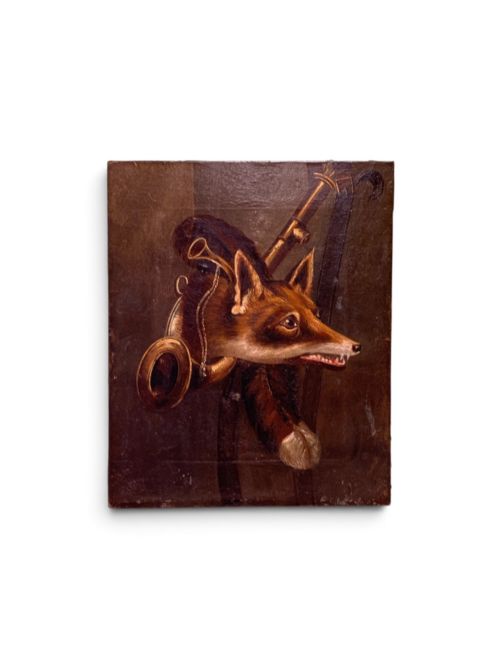
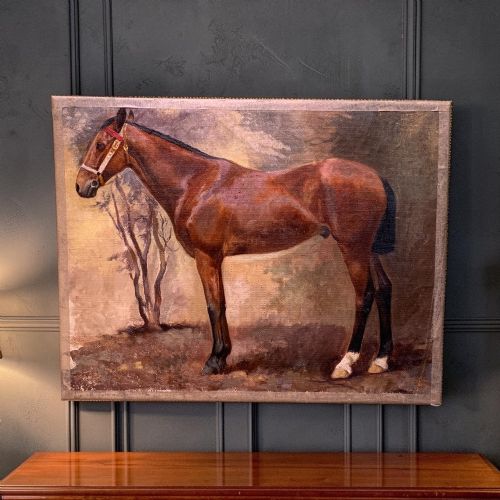
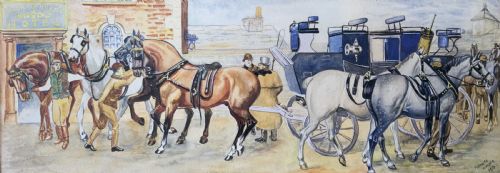
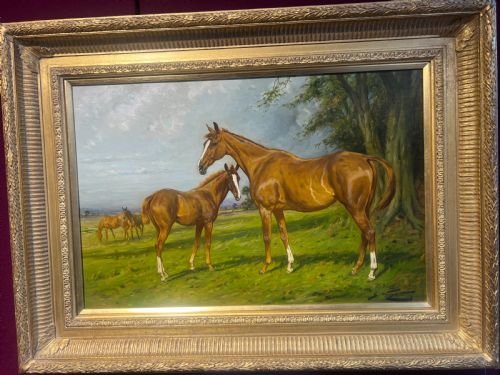
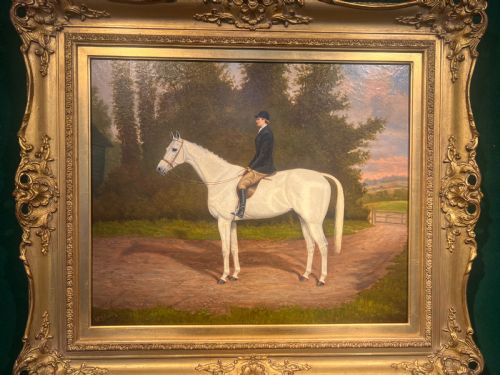
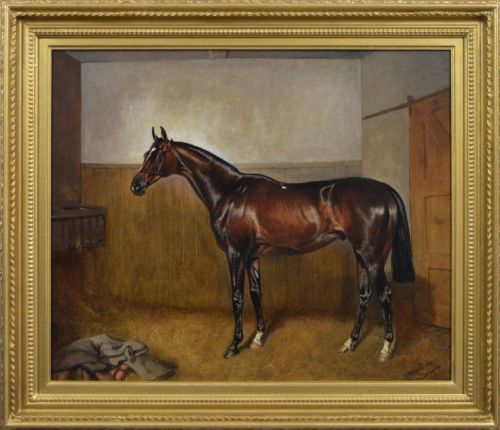
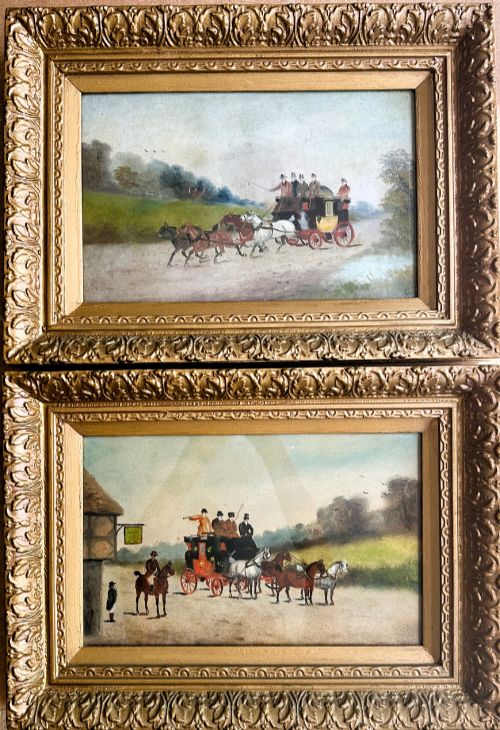
An edwardian equestrian painting captures horses, hounds, riders, and coaching scenes from the late Victorian, Edwardian, and early twentieth-century periods. These works record specific named racehorses, prize hunters, and spirited coaching journeys across British landscapes.
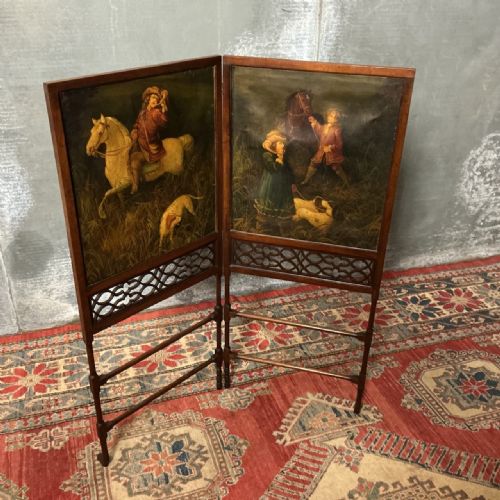
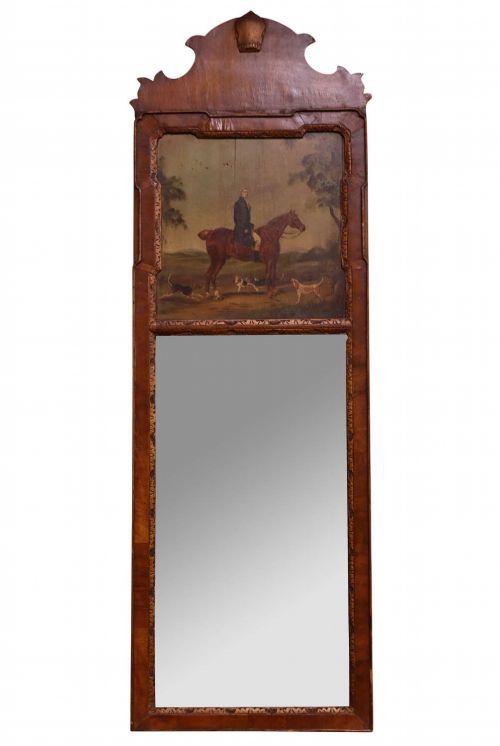
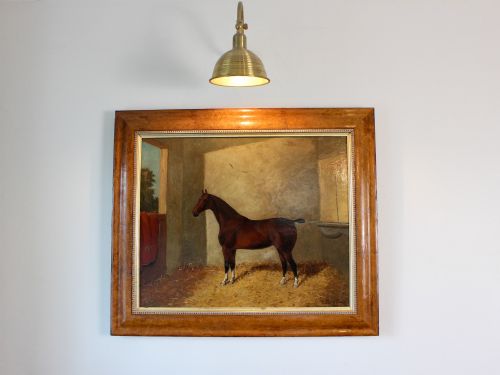
You will encounter oil on canvas, framed watercolours, and occasionally pieces integrated into furniture such as fire screens or pier glass mirrors. The subjects range from solitary equine portraits in stables to dynamic hunting sequences and bustling horse fairs.
How they were made
Artists utilised oil paint on canvas or board, alongside watercolour on paper, applying pigments to capture the musculature of horses and the motion of coaching scenes. Frames often incorporate giltwood, oak, or mahogany, matching the period aesthetic of the artwork.
The technique relies on careful observation of equine anatomy, handling light on coats and leather harness, and placing subjects within detailed countryside settings or stable interiors.
Several canvases record specific Victorian racing champions with names like General Peace and Diamond Jubilee.
What varies in quality
Quality rests upon the artist's command of equine proportion, movement, and expression, distinguishing a generic depiction from a spirited portrait by a recognised sporting painter. The handling of background landscapes and atmospheric weather conditions further elevates the work.
The integrity of the original canvas, the preservation of the pigment without excessive restoration, and the appropriateness of the period frame contribute significantly to the standing of the piece.
George Wright·William Albert Clarke·John Alfred Wheeler·Philip Rideout·John Sanderson Wells·Isaac Cullin·Charles Johnson Payne Snaffles
The Edwardian Equestrian Painting Glossary
- Oil on canvas
- Pigment suspended in a drying oil applied to a stretched fabric surface. This medium allowed artists to build rich layers of colour and texture.
- Watercolour
- Pigments suspended in a water-soluble base applied to paper. It produces translucent washes prized for delicate landscape backgrounds.
- Giltwood
- Wood carved and coated with a thin layer of gold leaf. Frames finished this way complement traditional sporting paintings.
- Provenance
- The documented history of ownership of an artwork. It traces the journey of a painting from its creation to the present day.
Edwardian Equestrian Painting: Frequently Asked Questions
What subjects appear in these paintings?
The works depict named racehorses, hunters in stables, coaching scenes with stagecoaches and hounds, and country horse fairs.
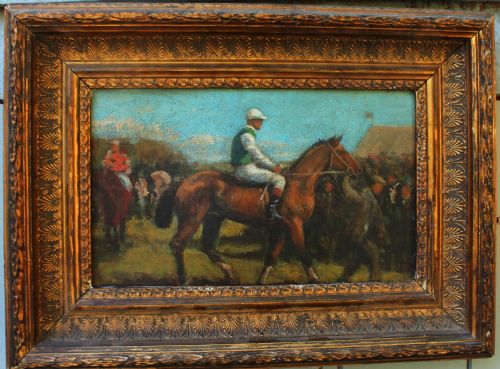
Subjects span from individual portraits of champion thoroughbreds with their jockeys to sweeping hunting sequences across open fields.
Are these works painted on canvas?
Many pieces utilise oil paint on stretched canvas or wooden panels, capturing the rich tones of equine coats and leather tack.
Others are executed as watercolours on paper, offering lighter and more translucent depictions of rural countryside settings.
How do I date an equestrian painting?
Dating relies on the costume of riders, the style of the frame, period signatures, and records of the specific horses or races depicted.
Many works carry inscriptions, dates, or artist signatures that anchor them firmly within the Edwardian or late Victorian eras.
Where were these paintings displayed?
Original owners typically hung these artworks in country houses, estate libraries, and sporting lodges to celebrate their passion for horses and field sports.
Certain pieces were also built directly into decorative furniture items, such as wall mirrors and fireplace screens.