


Edwardian Equestrian Oil Artwork
Edwardian equestrian oil artwork captures the movement and character of horses through traditional paint on canvas.
Edwardian Equestrian Oil Artwork
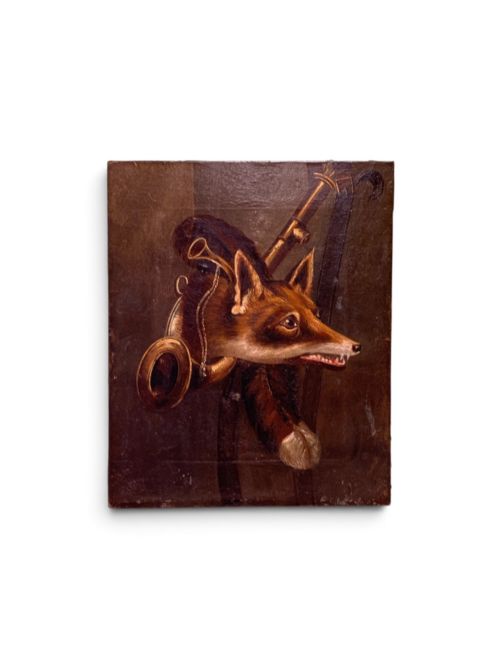
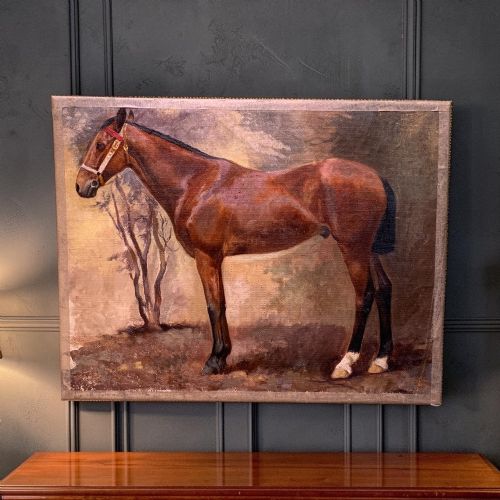
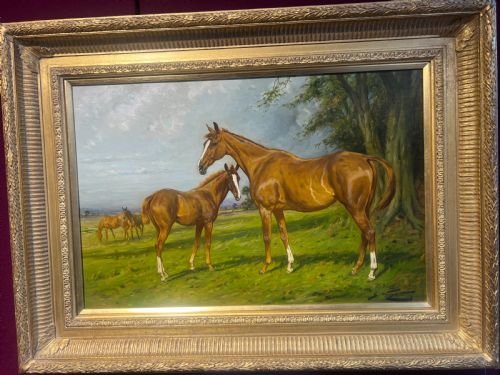
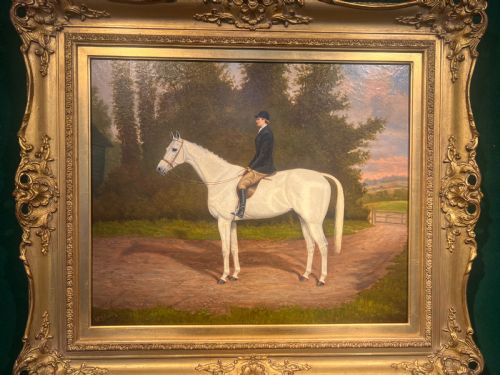
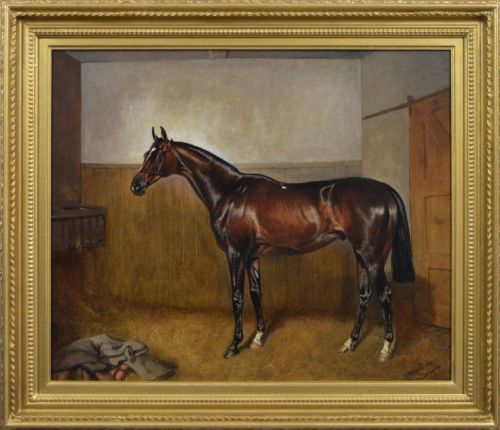
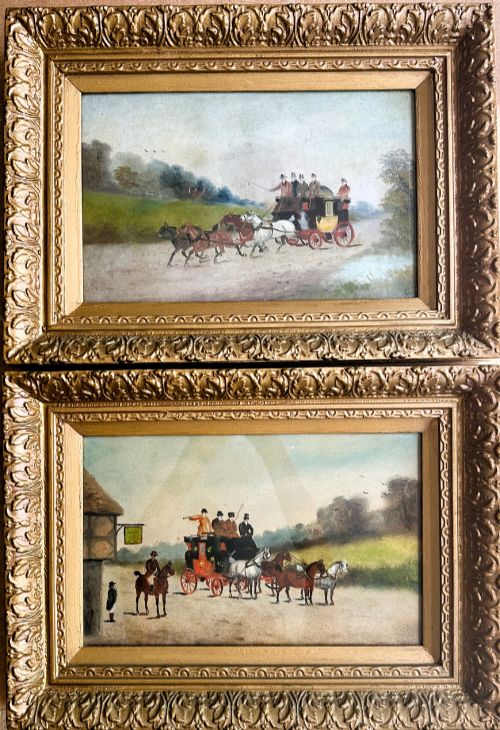
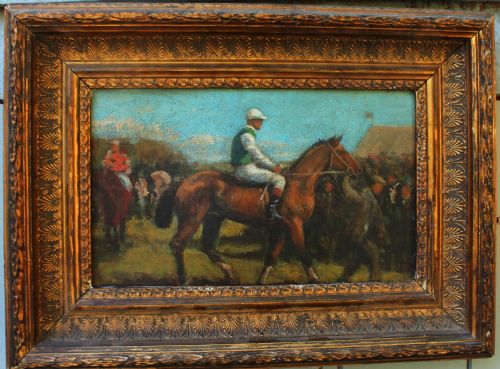
Edwardian equestrian oil artwork centres on horses, racehorses, hunters, and coaching scenes painted during the early twentieth century and surrounding periods. These paintings record specific animals, stable life, and sporting pursuits with meticulous attention to form and anatomy.
The pieces on this page span the Victorian era, the Edwardian period, and the early twentieth century, taking the form of framed oil paintings and wall art. Buyers meet both detailed portraits of named thoroughbreds and dynamic hunting or coaching compositions.
Subjects range from individual champions like General Peace and Diamond Jubilee to sweeping landscape scenes with hounds, riders, and heavy horses. Each canvas preserves a distinct chapter of British sporting art and equestrian history.
Materials and Technique
These works utilise oil paint applied to stretched canvas, capturing rich textures and deep tones through layered pigments. Artists built up the surface with confident brushwork to render the sheen of a horse's coat and the atmosphere of the landscape.
Finished canvases sit within frames constructed from wood, often featuring giltwood or gilded wood finishes that complement the warm palettes of the paintings. The combination of durable oil media and solid wooden framing ensures the survival of these artworks across the centuries.
Listings span the Victorian and Edwardian periods up to the mid-twentieth century, featuring canvas and giltwood materials.
Evaluating Quality
Quality in these paintings rests on the artist's command of equine anatomy, proportion, and movement. The finest works capture the distinct personality and conformation of the subject rather than relying on generic horse forms.
Composition and background detail distinguish superior examples from simpler studies. Master hands integrate the horse, rider, and landscape into a cohesive scene with balanced light and convincing atmosphere.
George Wright·William Albert Clarke·John Alfred Wheeler·Philip Rideout·Alfred Munnings·John Sanderson Wells·Valentine Thomas Garland·Alexander Maclean·Alfred Grenfell Haigh·John Charles Tunnard·Alfred Duke·John Charles Maggs·Vernon Stokes·Isaac Cullin·Thomas Blinks·Edwin Henry Landseer·Godfrey Douglas Giles
The Edwardian Equestrian Oil Artwork Glossary
- Canvas
- A heavy woven fabric stretched across a wooden frame to serve as a foundation for oil painting. It provides a flexible yet resilient surface that holds layers of pigment securely.
- Giltwood
- Wood that has been coated with a thin layer of gold leaf or gold paint. This finish frequently frames antique sporting art to add brightness and formal weight.
- Sporting Art
- A genre of painting dedicated to depicting sports, field sports, and animals such as horses, hounds, and game. It holds a significant place in British artistic heritage.
- Thoroughbred
- A breed of horse best known for its use in horse racing, frequently documented in equestrian oil paintings alongside jockeys and trainers.
- Equestrian
- Relating to horse riding, horse management, or the depiction of horses in art. It defines the core subject matter of these paintings.
Edwardian Equestrian Oil Artwork: Frequently Asked Questions
What subjects appear in these paintings?
These artworks depict racehorses, hunters, coaching scenes, and farm horses within landscape or stable settings. Many pieces record named thoroughbred champions alongside their jockeys or trainers.
Other compositions show hounds, riders, and field sports reflecting the sporting culture of the period.
How do I display an antique oil painting?
Antique oil paintings require placement away from direct sunlight and excessive moisture to protect the canvas and pigments. Stable room temperatures prevent the wooden stretcher and frame from warping over time.
Matching the painting to a suitable wall space allows the giltwood frame and rich oil colours to stand out effectively.
How are different periods identified?
Periods are identified through the clothing of figures, the style of the brushwork, and the framing techniques typical of the era. Victorian pieces often feature heavier, highly detailed staging while Edwardian works lean towards impressionistic movement.
Signatures, dates inscribed on the canvas or stretcher, and recorded artist lifespans offer further confirmation of a painting's age.
What is the difference between a study and a finished portrait?
A study is typically a looser, faster painting created to capture light, movement, or composition before executing a larger work. These pieces display energetic brushstrokes and spontaneous detail.
A finished portrait focuses on the precise conformation, markings, and character of a specific horse, often commissioned by its owner.