



Edwardian English Countryside Painting
When you search for edwardian english countryside painting, you enter a world of watercolours and oils capturing rural life at the turn of the century.
Edwardian English Countryside Painting
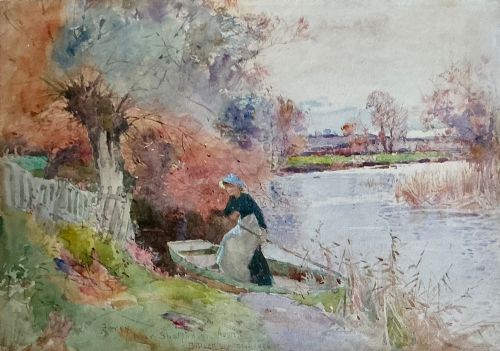
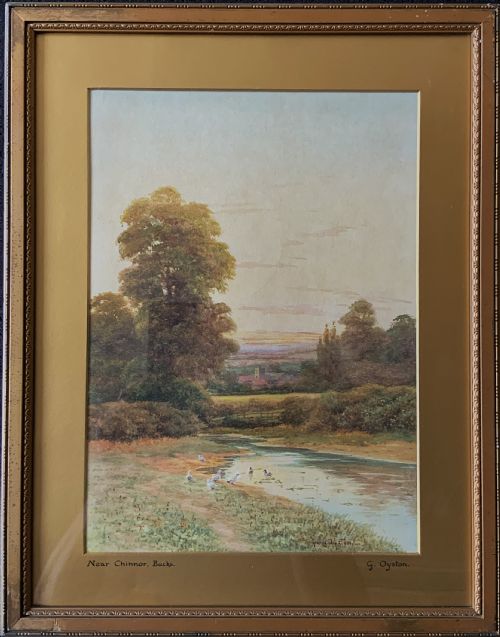
An edwardian english countryside painting depicts rural scenes, river valleys, and village life across Britain. These works bridge the gap between traditional Victorian pastoral art and early twentieth-century realism.
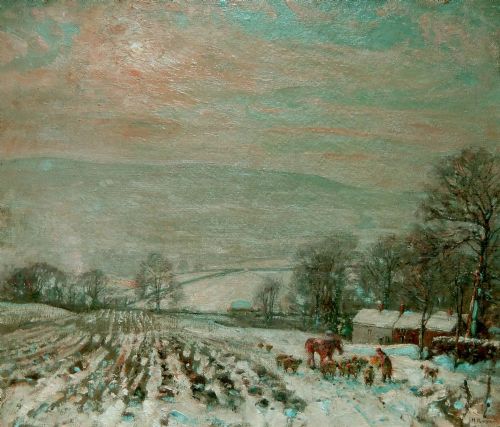
You will most commonly encounter watercolours on paper and oil paintings on canvas depicting Yorkshire, southern counties, and farming scenes. Artists of this era focused on quiet lanes, thatched cottages, and agricultural labour.
The objects span from small framed watercolours to larger oil paintings produced between the late nineteenth century and the interwar period. Each piece preserves a specific location and moment in British topography.
How They Were Made
Painters utilised watercolour pigment on paper for fluid atmospheric effects, often working en plein air to capture natural light. These watercolours rely on the white of the paper to generate brightness through translucent washes.
Oil paint on canvas allowed artists to build rich textures and deeper colour palettes for larger landscapes. Canvas supports were stretched over wooden frames, sometimes retaining their original period framing under glass.
Edwardian English Countryside Painting Retail Price Guide 2026
Typical asking prices for edwardian english countryside painting among the pieces listed under this phrase on Sellingantiques today, from the lower quarter to the upper quarter. They describe what is for sale here now, not the wider market.
Several artists packed their watercolours into wool coats and headed straight into Yorkshire blizzards to catch sheep eating in the snow.
What Varies in Quality
The distinction between works rests on the artist's handling of light, brushwork confidence, and compositional balance. A stronger painting conveys a palpable atmosphere of weather and season rather than mere topographical recording.
Condition and originality also separate examples, particularly the survival of the original wooden frame and the stability of the paper or canvas over time.
Thomas Mackay·Herbert Royle·George Oyston·Alfred George Morgan·Edgar Woollatt·Henry Charles Fox·Cuthbert Crossley·John Sanderson Wells·Reginald Grange Brundrit·Arthur Tucker·James William Booth·Frederick Septimus Lewis·William Sydney Cooper·M. C. Hider·William Joseph Boyes·Henry H Parker·Harry Sylvester Stannard·Robert Hollands Walker·Basil Bradley·Alfred W. Parsons·Peter Jackson·Thomas Ivester Lloyd·John Abernethy Lynas-Gray·Henry John Kinnaird·Charles James Adams
The Edwardian English Countryside Painting Glossary
- Watercolour
- A painting method where fine pigment is suspended in a water-soluble binder on paper. It creates luminous washes favoured by Edwardian topographers.
- Oil Paint
- A slow-drying medium made by mixing pigments with drying oils such as linseed. It provides depth and allows for heavy impasto application.
- Canvas
- A heavy woven fabric used as a surface for oil painting. It is typically stretched tightly over a wooden frame before painting.
- Pastoral
- A genre of art depicting rural life and idealized agricultural scenes. These works celebrate shepherds, farmsteads, and quiet country lanes.
Edwardian English Countryside Painting: Frequently Asked Questions
What subjects appear in these paintings?
The works depict rural English life, including harvest scenes, thatched cottages, livestock, and river landscapes. Common subjects feature farmworkers, sheep grazing, and specific village views across Yorkshire and southern counties.
Artists recorded the changing seasons, from winter feeding to autumn harvest, providing a detailed record of the Edwardian countryside before mechanisation.
How do I care for an antique painting?
Keep watercolours and oils away from direct sunlight to prevent the fading of pigments and paper discolouration. Stable room temperatures and low humidity protect the canvas and wooden frames from warping.
Glazed watercolours require protection against trapped moisture behind the glass. Periodic checks by a specialist ensure the backing boards remain secure.
Are these works signed by the artists?
Many pieces carry visible signatures or inscriptions by the artist, often noting the specific location and date in the margin or corner. Some examples remain indistinctly signed or attribution relies on stylistic traits.
Inscribed titles on the reverse or mount help historians pinpoint the exact valleys, rivers, and hamlets portrayed.
How can I tell a watercolour from an oil painting?
Watercolours are executed on paper, usually displayed under glass, and show translucent washes where the white paper illuminates the pigment. They capture light through thin, fluid application.
Oil paintings utilise canvas or panel supports with thicker, opaque paint layers that can hold visible brush marks and textured surfaces.