



Edwardian Dressing Chair
An edwardian dressing chair is a neat bedroom seat designed for the dressing table, combining light timbers with practical elegance.

Edwardian Dressing Chair
When you search for an edwardian dressing chair, you encounter compact seating made primarily during the early twentieth century and the late Victorian era. These pieces frequently appear as small side chairs, armchairs, or low stools intended specifically for bedroom use.
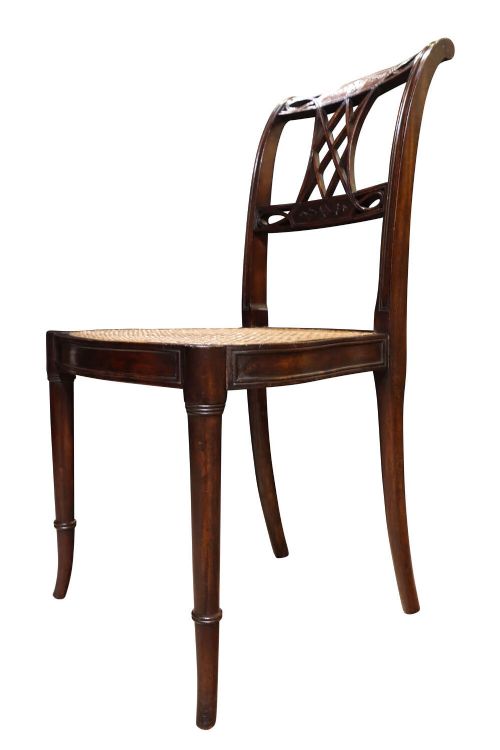
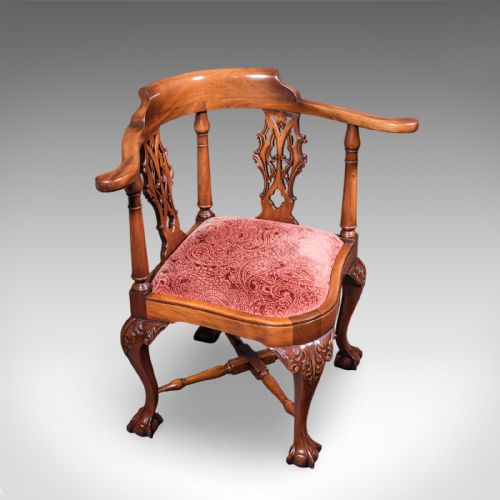
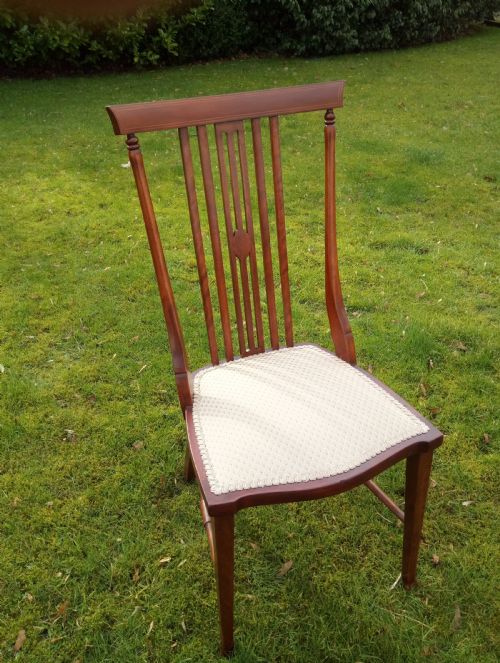
The versions most commonly met on this page include mahogany frames with inlaid details, cane seats, and upholstered pads. Alongside these sit occasional walnut stools, oak examples, and occasional nursing chairs or X-frame seats from the same period.
Materials and construction
Makers utilised solid timbers such as mahogany, walnut, and oak to build the frames, often incorporating satinwood inlay for decorative contrast. Textile, fabric, and tweed linen serve as traditional upholstery coverings.
Periods represented span from the mid-nineteenth century through the Edwardian era up to the early nineteen-tens.
Judging quality
The distinction between standard examples and finer pieces lies in the crispness of the timber carving and the precision of any inlaid woodwork. Heavier carving and select wood grains elevate a piece beyond basic utility.
Original elements versus modern replacements also divide the range. Retaining period cane work or traditional upholstery foundations influences the character of the seating.
The Edwardian Dressing Chair Glossary
- Inlaid
- Woodwork decorated by embedding small pieces of contrasting timber or shell flush with the surface to form geometric or floral patterns.
- Cane
- Woven material made from the peeled bark of rattan palms, utilised here for lightweight and resilient seat panels.
- Nursing chair
- A low-seated armchair traditionally designed for comfort in the bedroom or nursery.
- X-frame
- A structural furniture form utilising intersecting diagonal supports to form the base of a stool or chair.
Edwardian Dressing Chair: Frequently Asked Questions
Where were these chairs used?
These pieces were designed primarily for the bedroom, positioned beside dressing tables to provide a seat during grooming and morning routines.
Their compact proportions also suited them for use as small desk chairs or occasional seating in smaller sitting rooms.
How do I identify the period?
Dating relies on timber choice, construction methods, and decorative motifs such as satinwood inlay or carved mahogany characteristic of the early twentieth century.
Earlier Victorian examples tend to feature heavier carving or turned wooden legs without delicate stringing.
Can I use them at a desk?
Many of these chairs function comfortably as small desk or dressing table seats due to their compact dimensions and open arms.
Care should be taken to check the seat height against your specific desk clearance before daily use.
How do I clean cane seats?
Cane seating benefits from gentle dusting with a soft brush and occasional wiping with a damp sponge to keep the plant fibres supple.
Avoiding excessive moisture prevents the woven material from becoming brittle over time.