

Edwardian Dresser Drawers
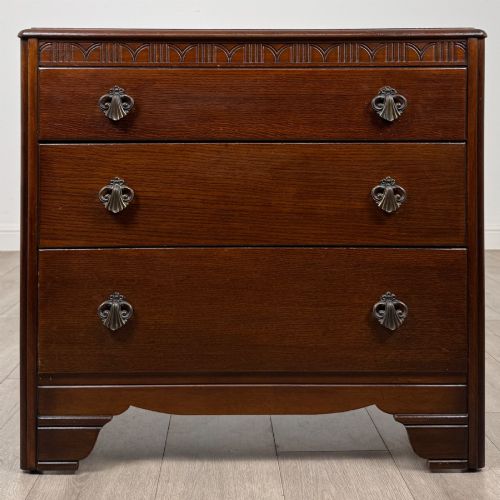
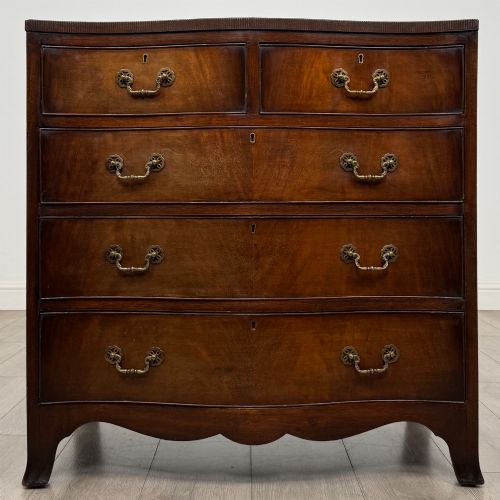
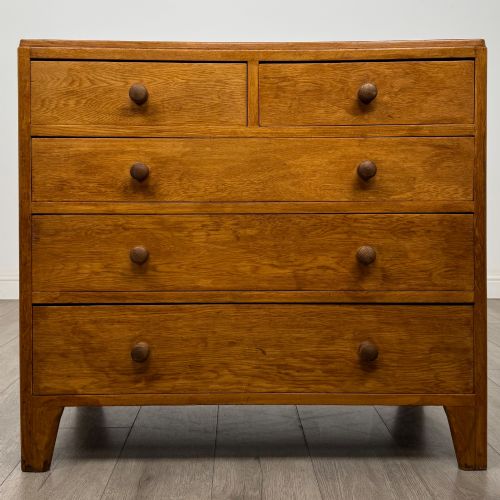
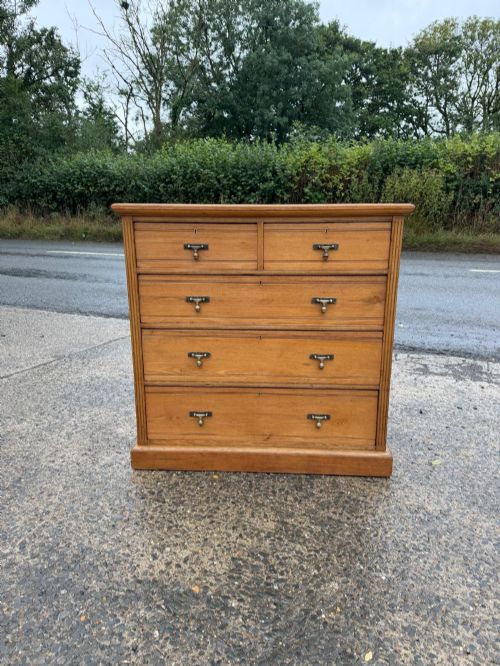
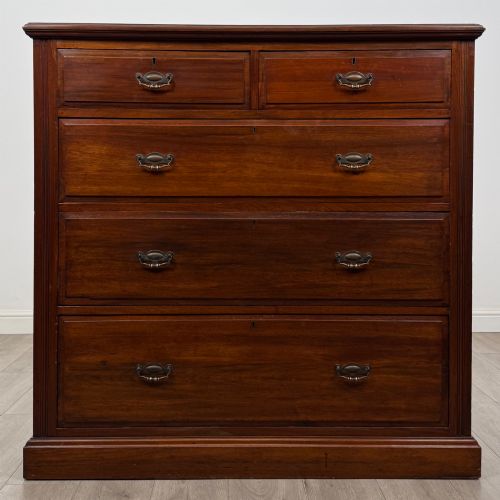
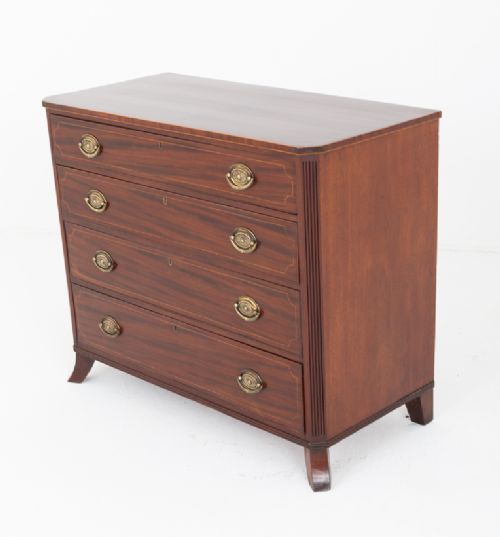
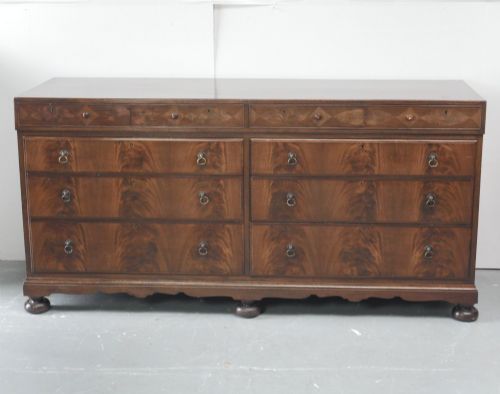
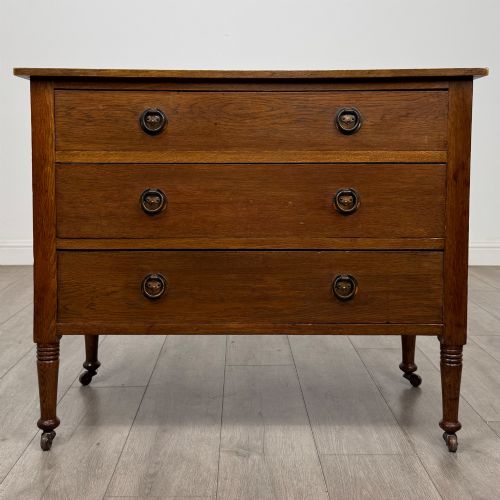
These edwardian dresser drawers bring practical storage and period character into a room.
Edwardian Dresser Drawers
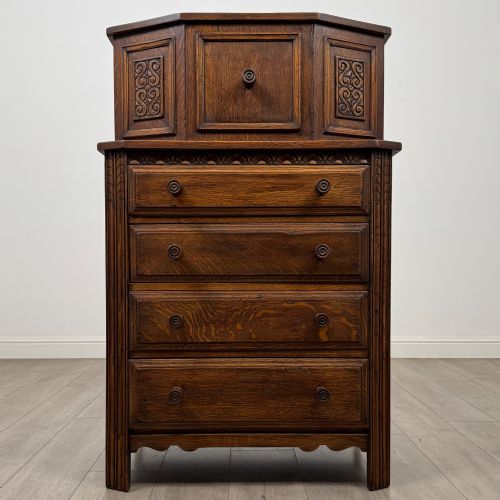
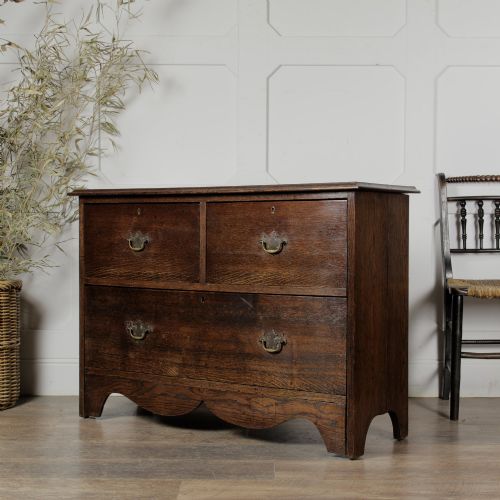
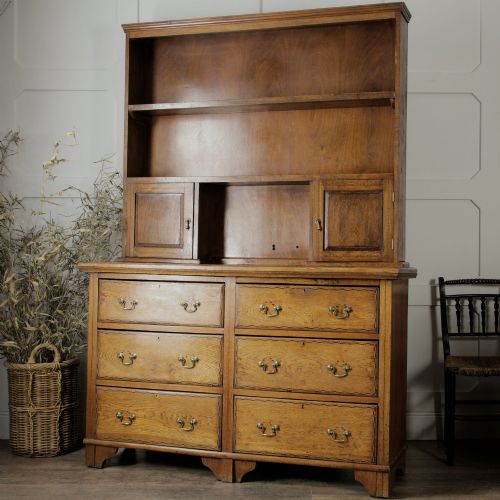
When you search for edwardian dresser drawers, you encounter a selection centred heavily on oak and mahogany storage furniture produced around the early twentieth century. The forms range from traditional chests of drawers and dresser bases to sideboards and kitchen dressers originating across the Edwardian period, alongside earlier Victorian and Georgian pieces.
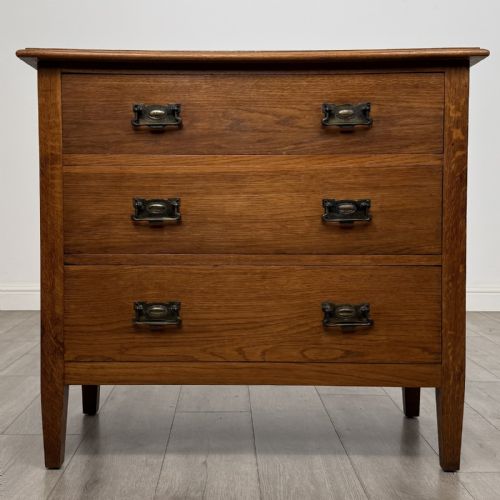
You meet solid oak and honey oak variations frequently, often reflecting Arts and Crafts ideals or simpler vernacular forms. Walnut and pine versions also appear, sometimes displaying bow fronts or painted finishes from workshops operating in the nineteen-tens and nineteen-twenties.
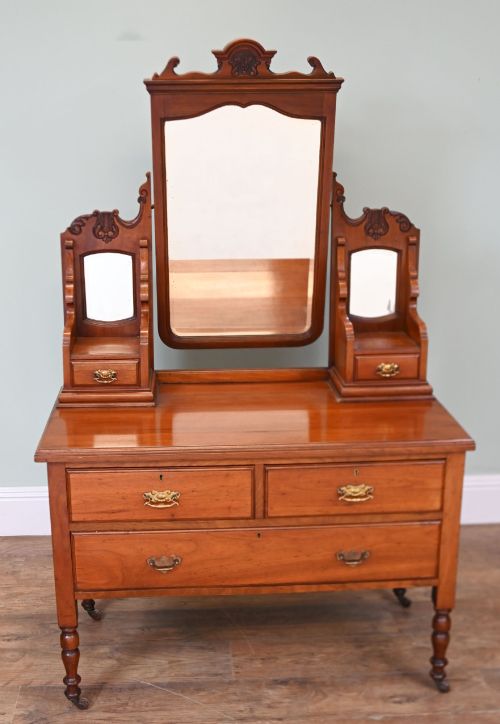
The category encompasses not only standard drawer chests but also kitchen dressers with open racks, tallboys, and serving tables fitted with multiple drawers. These items served dining rooms, bedrooms, and halls, fulfilling domestic storage needs with timber construction characteristic of the era.
How they were made
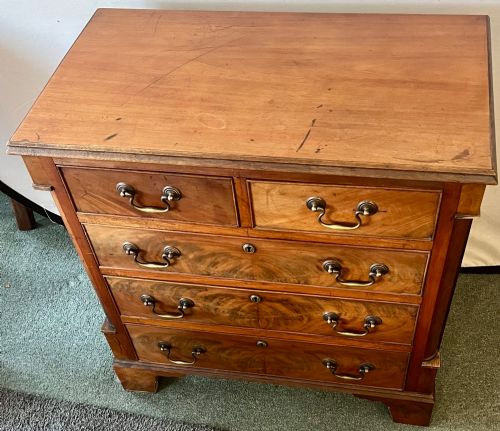
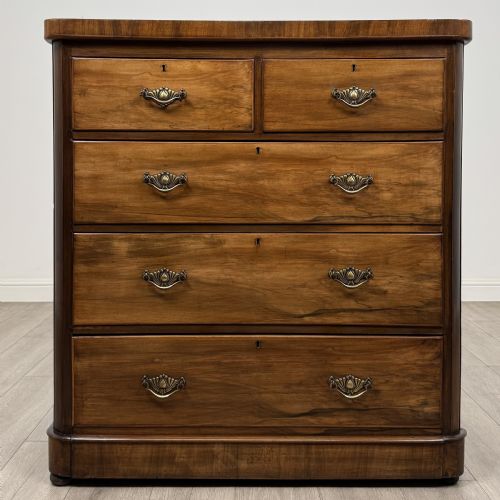
Cabinet makers relied predominantly on oak, mahogany, and walnut, selecting solid timbers or applying figured veneers to drawer fronts and surfaces. Pine served as a secondary wood for internal drawer linings and carcass backs, while brass provided hardware such as drop handles and backplates.
Construction involved traditional joinery techniques, seen in the dovetailing of drawer boxes and the assembly of straight, serpentine, or bow front frames. Surface treatments ranged from polished wax finishes on honey oak and flame mahogany to painted surfaces on specific artistic commissions.
Some chests arrive with surprise faux bamboo framing.
What varies in quality
The distinction between standard commercial output and high workshop production lies in timber selection and cabinetmaking refinement. Pieces featuring figured mahogany, burr walnut, or carefully matched flame veneers demonstrate superior material choice compared to plain utility items.
Manner of construction and maker attribution elevate certain pieces, particularly those bearing stamps or labels from notable firms. Subtleties in proportion, timber thickness, and decorative detailing such as subtle carving or fitted interior slides separate ordinary examples from exceptional ones.
Whytock and Reid·Sir Clough Williams-Ellis·Jas Shoolbred·Howard and Sons·Druce & Co
The Edwardian Dresser Drawers Glossary
- Bow front
- A convex curved cabinet or chest front that swells outward in the centre.
- Dresser base
- A low sideboard form equipped with drawers, originating from traditional kitchen furniture.
- Brushing slide
- A pull-out wooden shelf integrated into a chest of drawers above the main drawer tiers.
- Arts and Crafts
- A design movement prioritising honest construction, plain oak materials, and visible hand-craftsmanship.
- Tallboy
- A tall vertical chest of drawers, often combining a smaller upper chest with a larger lower section.
Edwardian Dresser Drawers: Frequently Asked Questions
What defines an Edwardian chest?
Edwardian chests typically date from the first two decades of the twentieth century and make extensive use of oak or mahogany. They often display influences from earlier revival styles while retaining lighter proportions than their Victorian predecessors.
Drawer configurations vary from three-height models to larger four-drawer formats, sometimes incorporating brass hardware and simple bracket feet or plinth bases.
How do I identify oak pieces?
Oak furniture from this era displays distinct grain patterns with visible medullary rays, often finished in honey tones or fumed darker shades. It appears frequently in Arts and Crafts designs and standard bedroom chests.
Solid construction is standard for these pieces, providing a sturdy weight and durable surface that withstands daily domestic use.
Where were dressers used?
Dressers and dresser bases served primarily in kitchens and dining rooms for storing tableware, linens, and provisions. Welsh dressers often included open rack plate shelves above the base unit.
Over time, many transitioned into living spaces and hallways as decorative storage units suited to modern interiors.
What is figured mahogany?
Figured mahogany refers to timber boards exhibiting decorative grain patterns such as flame or curl. Cabinet makers reserved these choice veneers for prominent surfaces like drawer fronts to create visual depth.
This material treatment distinguishes finer cabinet work from plain utility furniture.