


Edwardian Double Door Cabinet
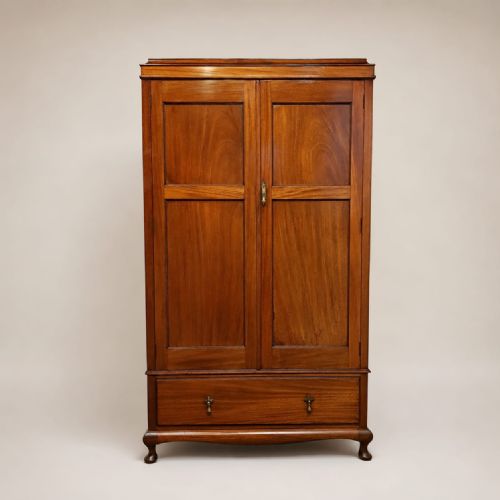
The edwardian double door cabinet offers practical storage with balanced proportions, providing a timeless focal point for the home.
Edwardian Double Door Cabinet
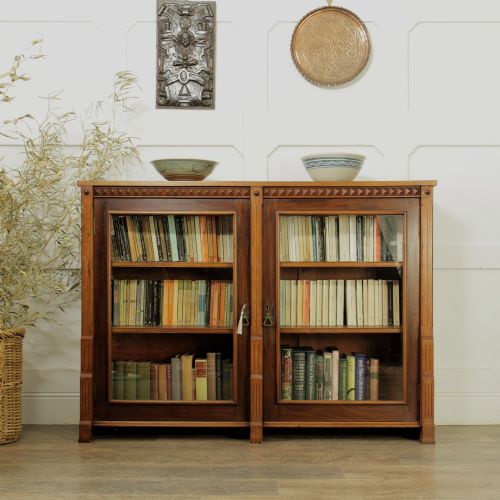
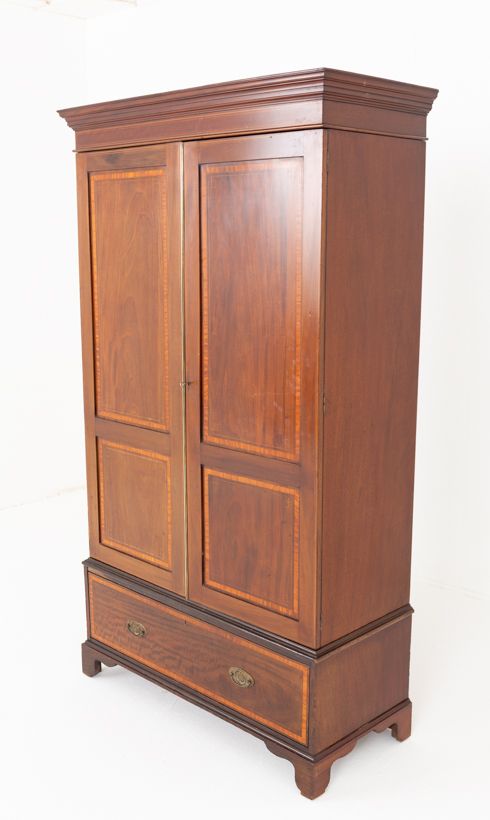
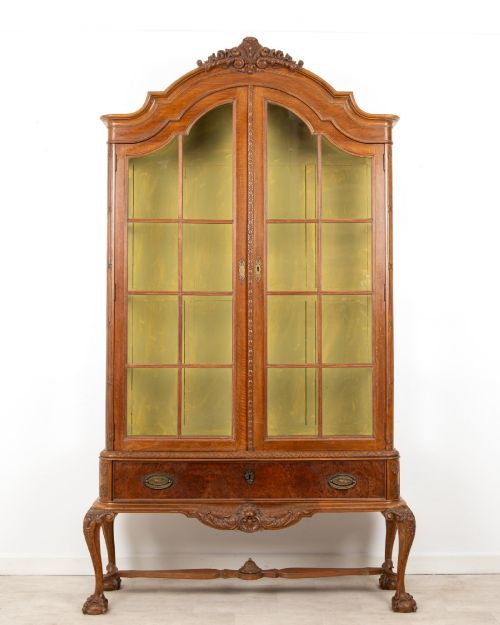
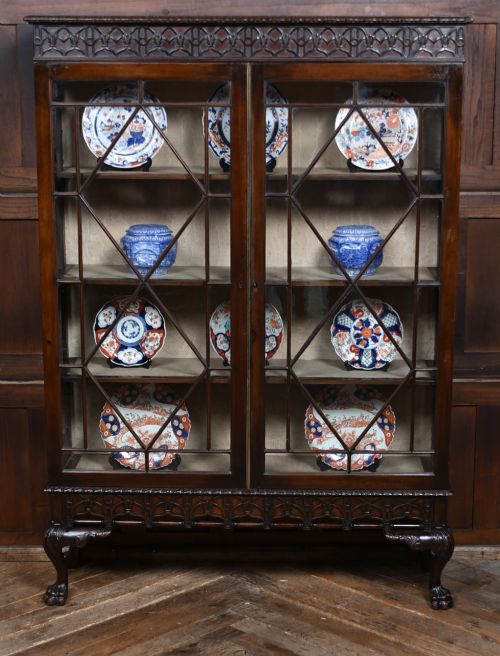
When searching for an edwardian double door cabinet, buyers encounter a variety of forms including display cabinets, bookcases, and wardrobes. These pieces reflect the tastes of the period, spanning from the late nineteenth century through to the early decades of the twentieth century.
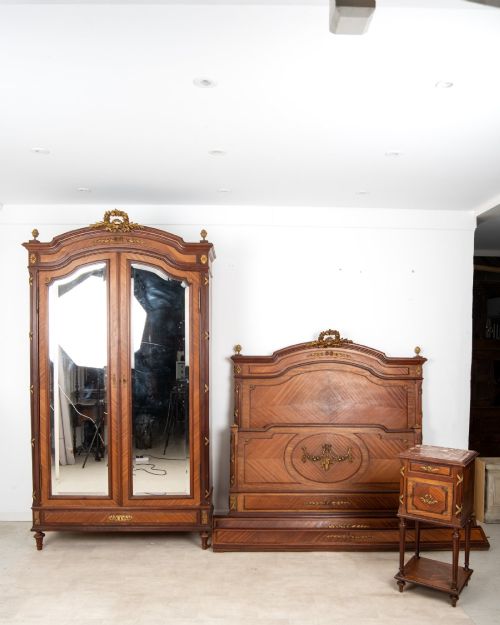
Mahogany and oak are the most common timbers found in these examples, often complemented by glass doors or brass hardware. The designs draw heavily on earlier historical revivals such as Chippendale, Sheraton, and Louis XVI.
Buyers are most likely to meet refined glazed bookcases and spacious wardrobes on this page, reflecting the domestic storage needs of the era. Sideboards and storage cupboards also appear, demonstrating the versatility of double door configurations across different rooms.
Assessing quality
The choice of timber and the precision of the veneer work distinguish standard utility items from finer pieces. Superior examples exhibit carefully matched wood grains across both doors and harmonious proportions throughout the carcass.
Hardware quality also separates the range, with solid brass fittings and original glazing marking out better workshops. The refinement of carved details and the integrity of internal shelving indicate the level of care invested in the construction.
Office filing found a home in domestic spaces too, as demonstrated by the occasional appearance of a double tambour front.
Maple and Co
The Edwardian Double Door Cabinet Glossary
- Astral glazing
- A method of dividing glass panes using slender wooden bars. This technique creates geometric patterns across cabinet doors.
- Revival style
- A design movement that reinterprets historical aesthetics. Examples include Chippendale, Sheraton, and Louis XVI revivals.
- Tambour front
- A series of narrow wooden slats affixed to a flexible backing. This allows the door to slide open around a curve.
- Ormolu
- Gilt bronze mounts applied to furniture for decoration. It is frequently found on pieces influenced by French styles.
Edwardian Double Door Cabinet: Frequently Asked Questions
What rooms suit an edwardian double door cabinet?
These cabinets suit studies, living rooms, and bedrooms depending on their internal configuration. Glazed versions display books or china effectively in reception spaces.
Wardrobes and storage cupboards provide enclosed storage for clothing and linens in private rooms. Their balanced double door design makes them straightforward to place against a main wall.
How do I identify the wood used?
Mahogany typically shows a reddish-brown hue with straight or ribbon-like grain patterns. Oak displays a distinct open grain with visible medullary rays.
Walnut offers rich dark brown tones with intricate figuring. Pine is lighter in colour and often finished with wax.
Are the glass doors original?
Original glass frequently exhibits minor surface imperfections, small bubbles, or slight waviness due to older manufacturing methods. Modern replacement glass tends to be perfectly flat and clear.
Inspecting the putty or wooden glazing beads can also reveal whether the panes have been re-secured or replaced recently.
How do revival styles differ?
Chippendale and Sheraton revivals draw on eighteenth-century English elegance with classical proportions and understated mahogany veneers. Louis XVI revival pieces incorporate French decorative elements such as ormolu mounts and lighter wood tones.
Queen Anne revival items often feature walnut timber and subtle curved outlines. Each style reflects the Edwardian era's fondness for historical quotation.