

Edwardian Document Chest
An Edwardian document chest holds correspondence and papers while bringing period character to a room.
Edwardian Document Chest
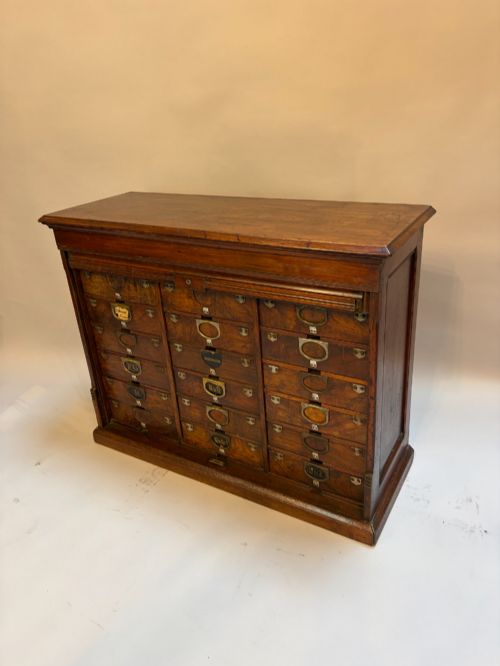
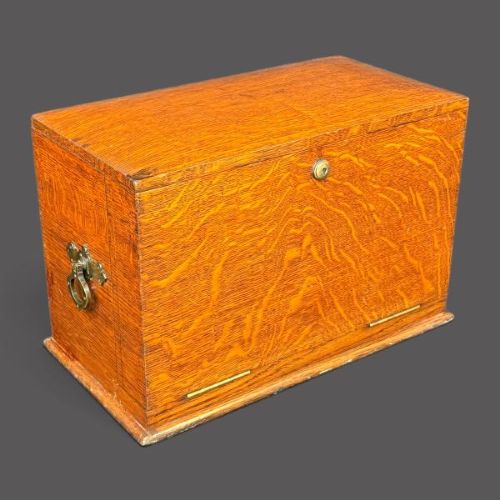
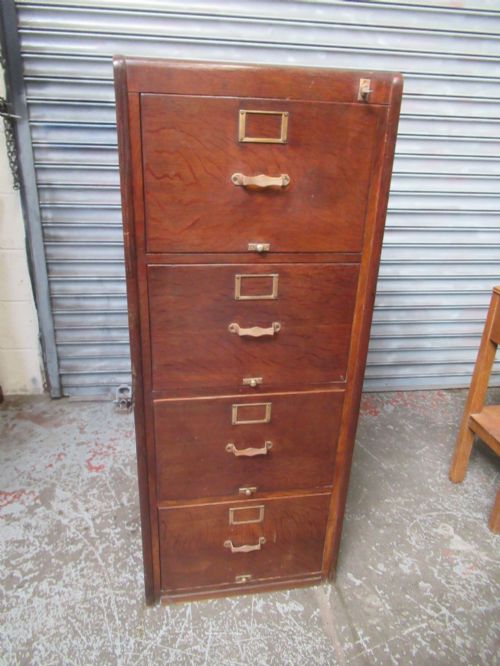
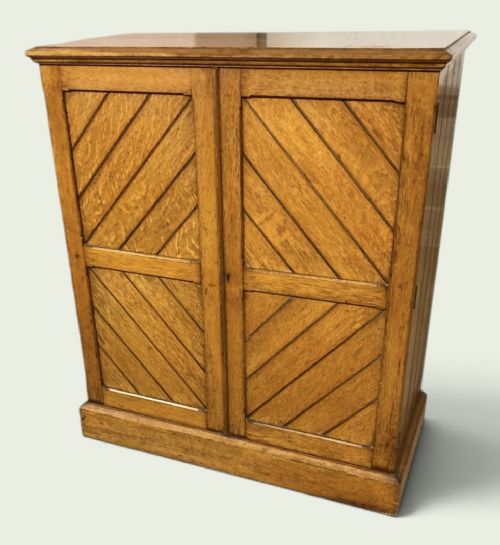
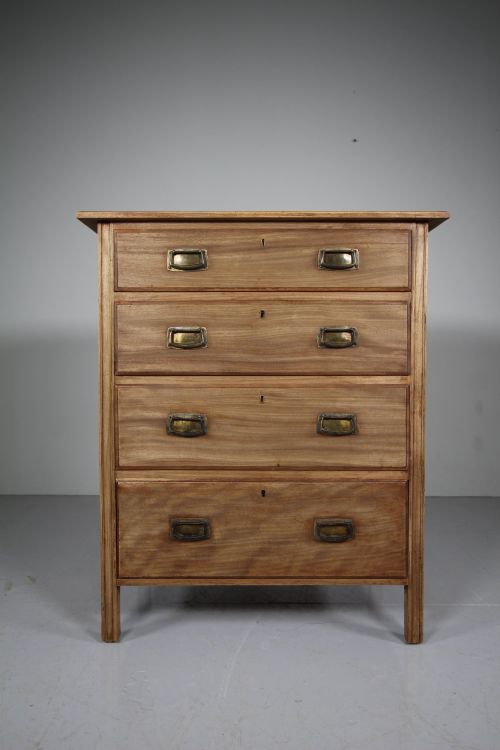
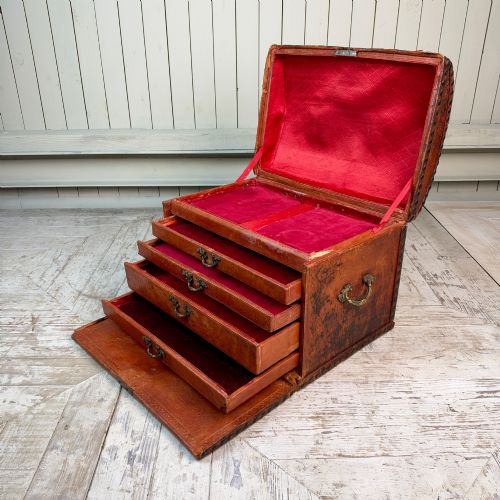
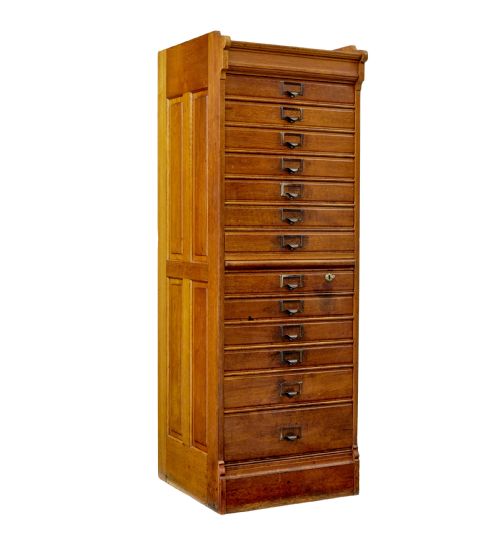
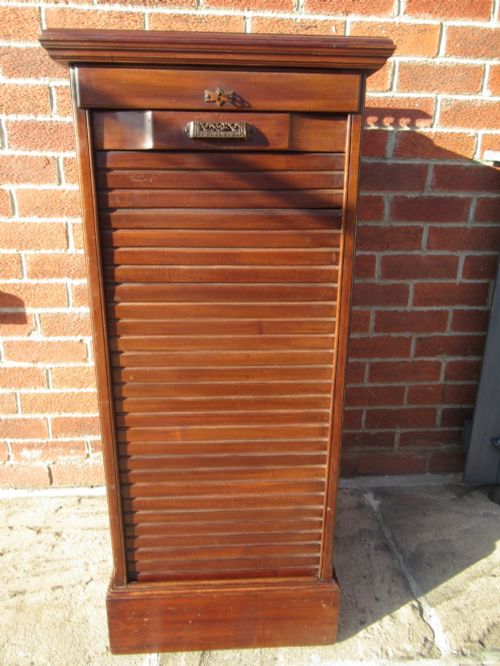
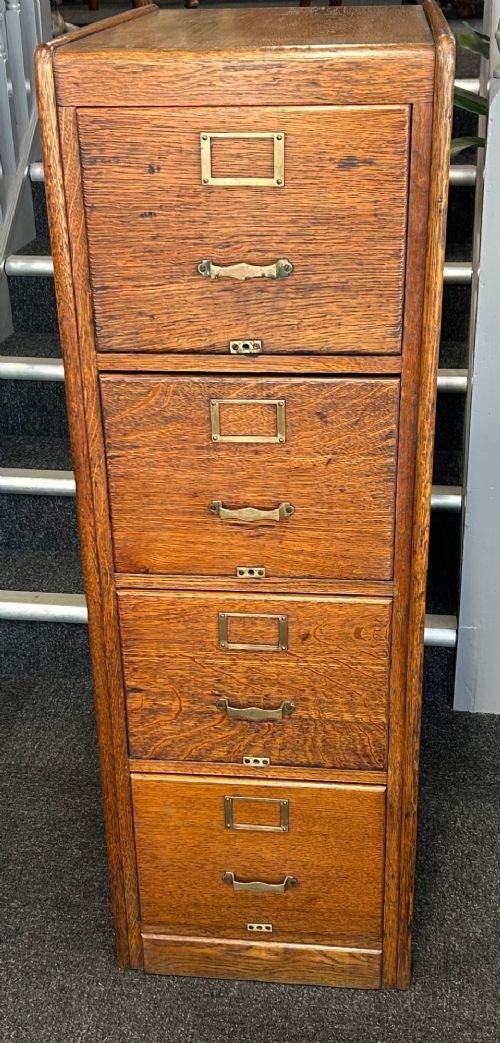
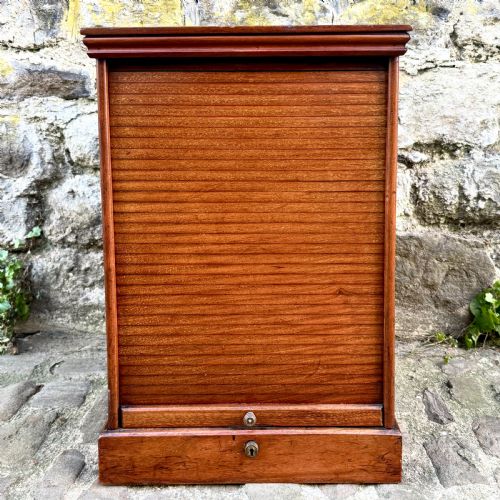
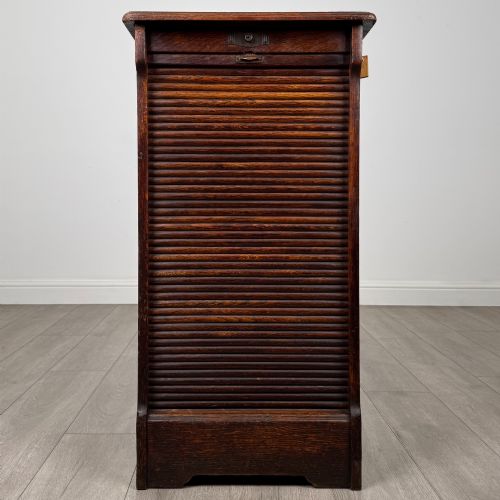
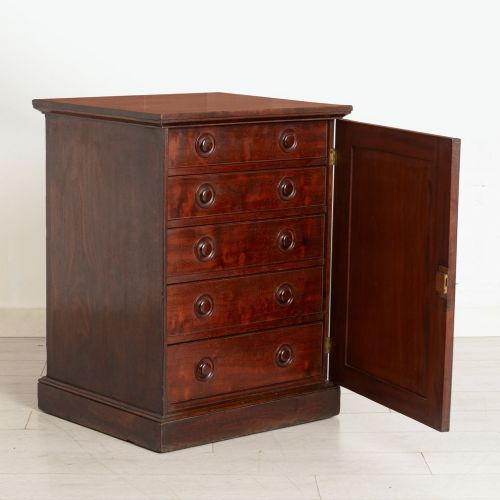
When you search for an edwardian document chest, you encounter a specialised form of antique storage designed to house correspondence, ledgers, and papers. These pieces span filing cabinets, banks of drawers, music cabinets, and desk accessories from the late nineteenth and early twentieth centuries. The versions most commonly met on this page include oak and mahogany filing cabinets with multiple drawers or tambour fronts, alongside desktop document boxes.
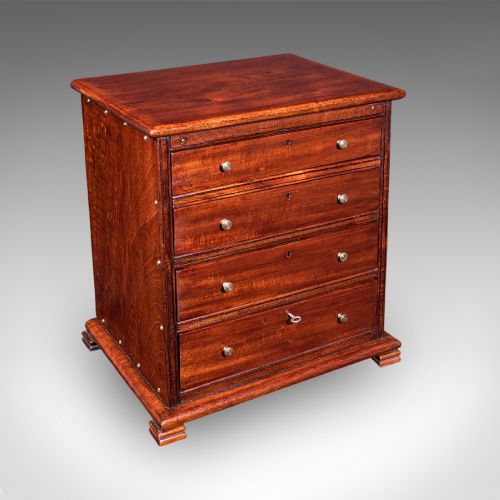
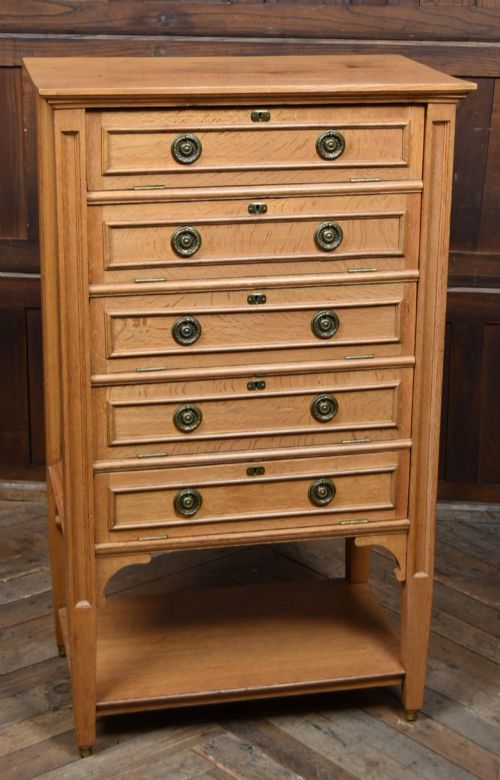
The selection reflects both formal office furniture and domestic stationery storage from the Edwardian era and surrounding decades. Pieces range from multi-drawer filing chests and haberdashery units to compact walnut and pine collectors drawers. Makers and inventors such as Amberg and Shannon also appear, supplying patented letter files and specialised office organisation.
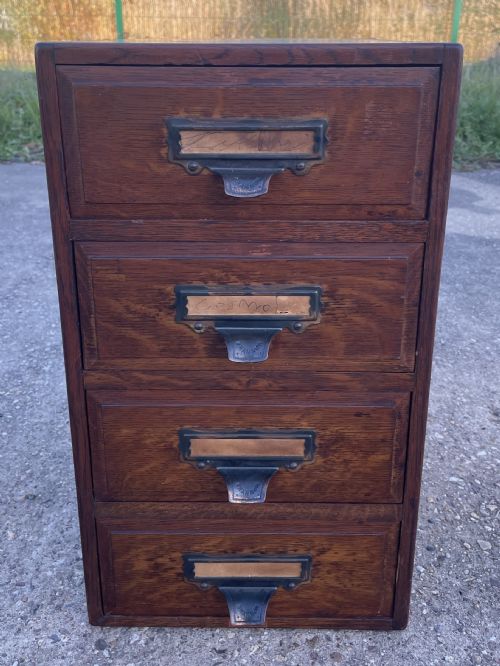
Stylistic influences vary across the selection, encompassing plain utilitarian oak, Arts and Crafts designs, and Chippendale Revival mahogany. Alongside British pieces, French walnut banks of drawers and Anglo-Indian ebony writing boxes emerge within the inventory. Buyers encounter everything from tall office filing chests to small table cabinets with brass handles and label holders.
Materials and Construction
Cabinet makers utilised robust timbers such as solid oak, mahogany, walnut, and pine to construct these storage units. Oak and mahogany predominate in the larger filing chests and folio cabinets, offering structural stability for daily office use. Finer desktop boxes incorporate decorative veneers including laburnum oyster, rosewood, and ebony with reeded decoration.
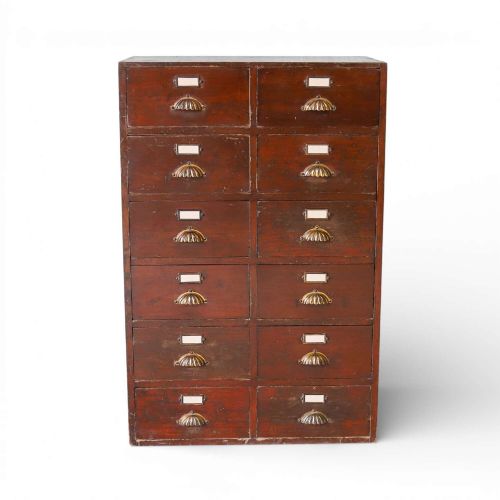
Functional hardware defines the construction, with brass handles, shell pulls, and label holders fitted to individual drawers. Tambour fronts incorporate flexible wooden slats sliding in tracked channels, allowing smooth access to internal compartments. Leather tooling, tooled leather inserts, and steel mechanisms appear on specific deed boxes, pen boxes, and patent letter files.
Edwardian Document Chest Retail Price Guide 2026
Typical asking prices for edwardian document chest among the pieces listed under this phrase on Sellingantiques today, from the lower quarter to the upper quarter. They describe what is for sale here now, not the wider market.
Musicians shared the filing workspace; several surviving cabinets stored sheet music before finding new roles for paper.
Markers of Quality
The distinction between tiers rests upon timber selection, hardware integrity, and the preservation of original mechanisms. Superior examples feature dense mahogany, quarter-sawn oak, or intricate veneers paired with matching period brass handles and intact label holders. Lesser items may show mismatched replacement hardware or simplified joinery lacking the refinement of patent filing systems.
Execution of specialised details separates standard storage from finer craftsmanship. Tambour doors that glide without binding, adjustable internal shelving, and clean tooled leather surfaces indicate superior workshop output. The presence of maker stamps or patent marks from firms like Amberg or Shannon adds substantive documentary weight to a piece.
The Edwardian Document Chest Glossary
- Tambour front
- A flexible door formed of narrow wooden strips glued to a fabric backing, sliding along a recessed track. This mechanism conceals interior filing compartments without requiring clearance for swinging doors.
- Folio cabinet
- A tall or table-standing storage unit designed to hold large sheets of paper, prints, or documents flat. These pieces often feature wide, shallow drawers or vertical compartments.
- Bank of drawers
- A multi-drawer cabinet configured to sort diverse paperwork, specimens, or small items. They frequently display brass label holders and shell pulls on each drawer front.
- Haberdashery cabinet
- A compartmentalised storage unit originally intended for shop retail use but readily adapted for documents and small collections. They typically feature glazed or panelled doors enclosing numerous shallow drawers.
- Shell pull
- A pressed or cast brass handle shaped like a stylised scallop shell, commonly found on Edwardian office furniture. They often incorporate a curved slot to retain a paper label.
Edwardian Document Chest: Frequently Asked Questions
What fits inside an edwardian document chest?
These chests accommodate standard paperwork, letters, notebooks, and stationery supplies within their dedicated drawers or drop-front compartments. Multi-drawer filing chests sort correspondence by category, while desktop boxes secure smaller personal documents.
Larger folio cabinets and tambour units hold unfolded sheets, ledgers, and periodicals safely out of sight. The internal configurations reflect early twentieth-century administrative needs yet adapt readily to modern domestic storage.
How do I distinguish Edwardian from Victorian pieces?
Edwardian pieces generally exhibit lighter timbers, simpler proportions, and less heavy ornamentation than their Victorian predecessors. Mahogany and oak dominate Edwardian office furniture with clean architectural lines.
Victorian storage often employs darker finishes, heavier mouldings, and more elaborate brasswork or carving. Patent office hardware and mechanical filing innovations also became more widespread by the Edwardian period.
Where should I place a document chest at home?
Compact desk boxes and table cabinets sit comfortably on top of writing desks, sideboards, or console tables. They keep daily correspondence organised while adding period timber warmth to a room.
Larger floor-standing filing chests and banks of drawers function as standalone storage units in studies, home offices, or living spaces. Their shallow drawer depths suit hallways and alcoves where deep furniture protrudes too far.
What maintenance do antique timber boxes need?
Periodic application of quality beeswax or furniture polish preserves the moisture and sheen of oak, mahogany, and walnut surfaces. Avoid placing timber chests near direct heat sources or strong sunlight to prevent warping and fading.
Internal leather panels benefit from gentle cleaning without harsh chemical solvents. Moving mechanical parts such as tambour tracks and brass drop handles should be kept clean of dust to maintain smooth operation.