
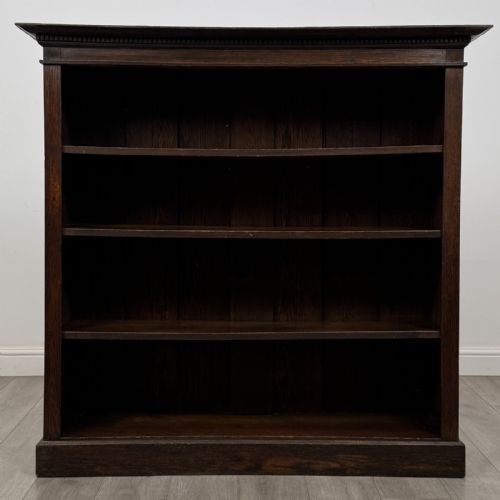
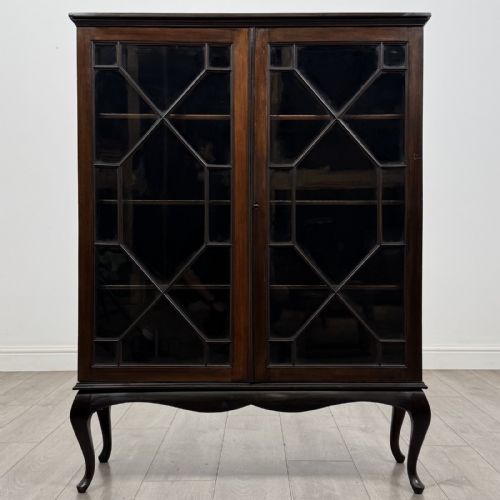
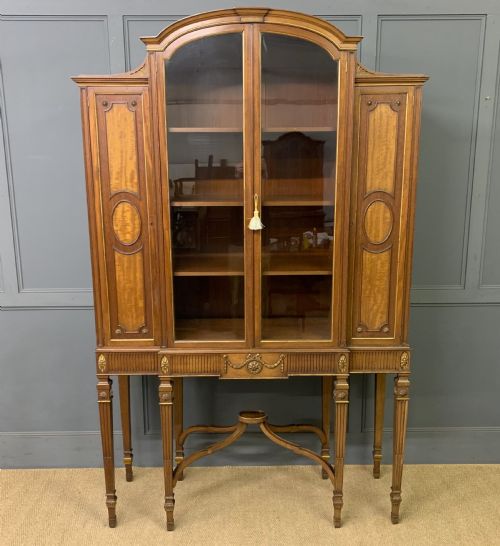
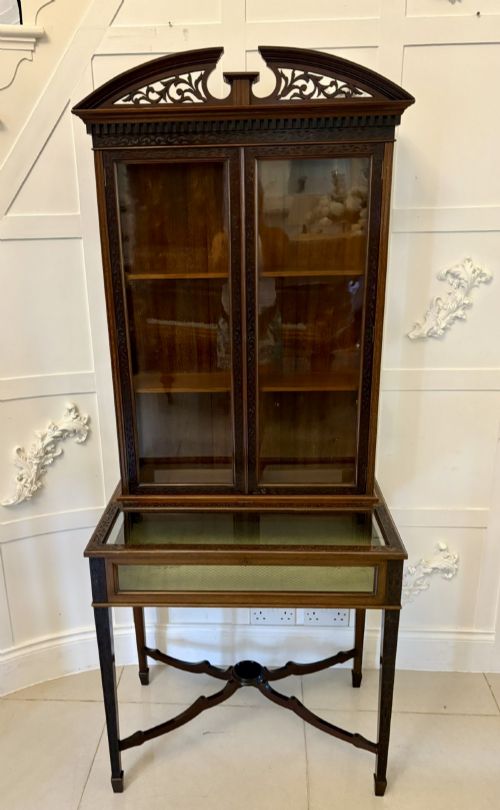
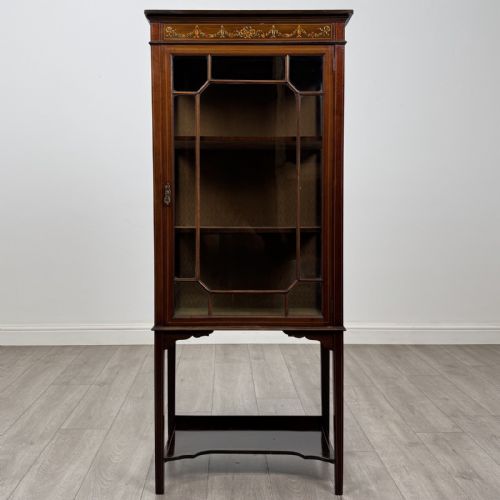
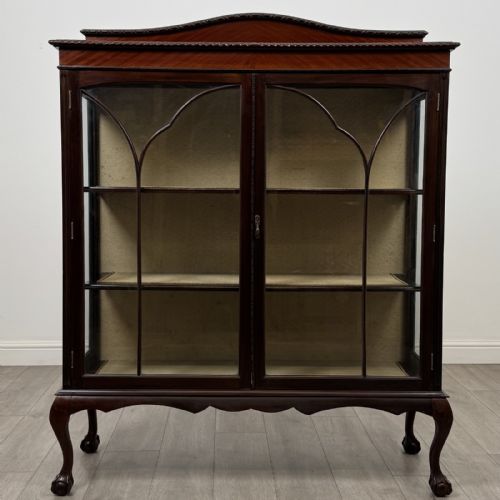
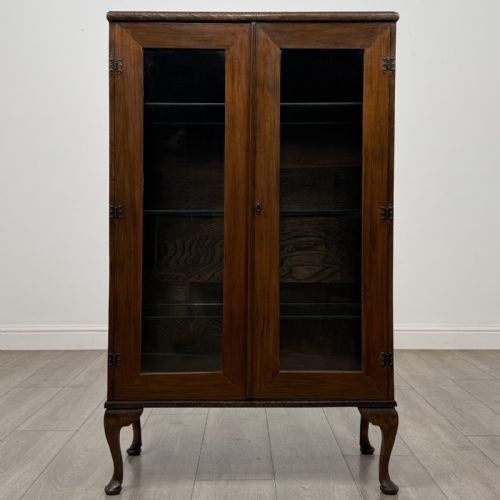
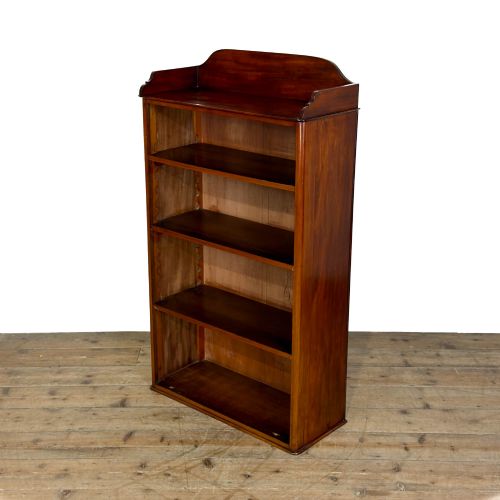
Edwardian Display Cabinet on Stand
When you want an edwardian display cabinet on stand, you look for glazed elevation and polished timber designed to exhibit cherished ornaments.
Edwardian Display Cabinet on Stand
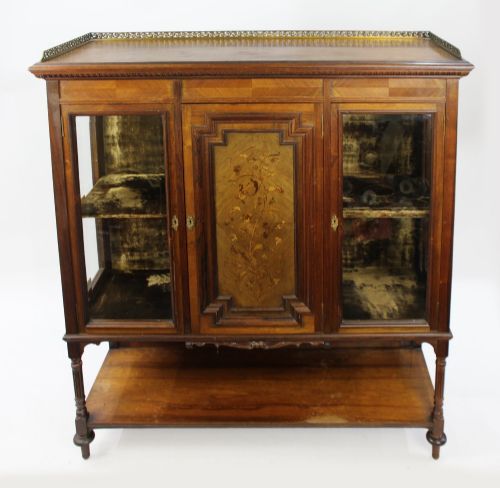
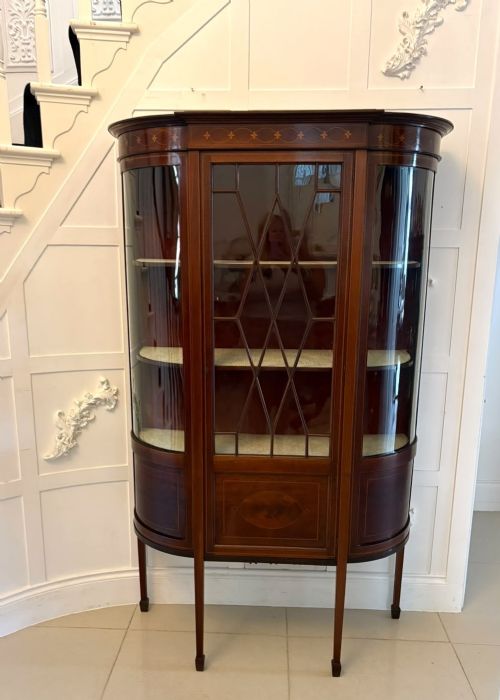
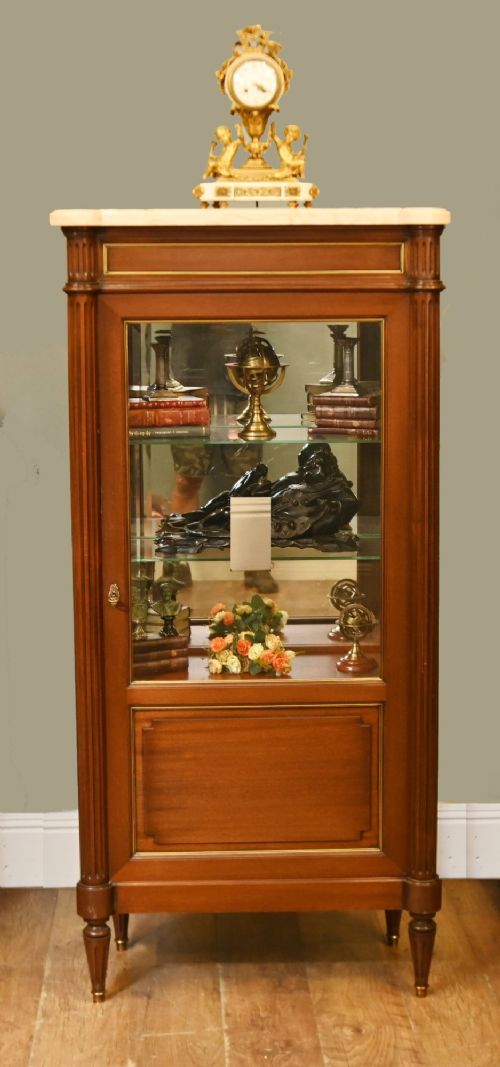
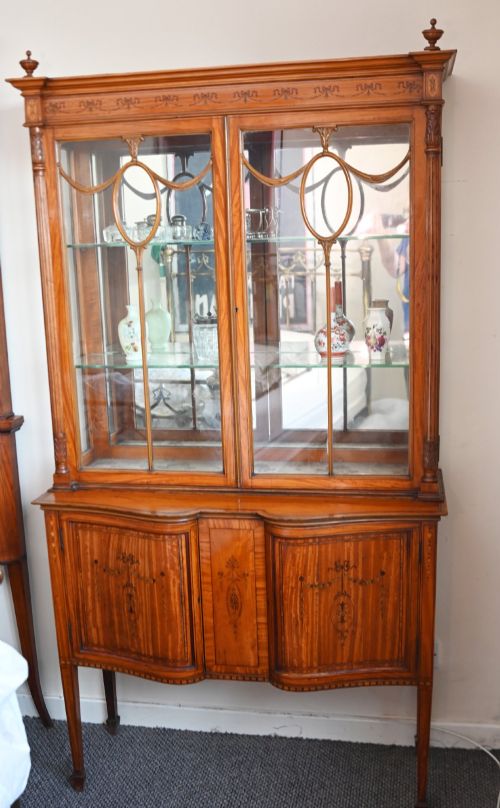
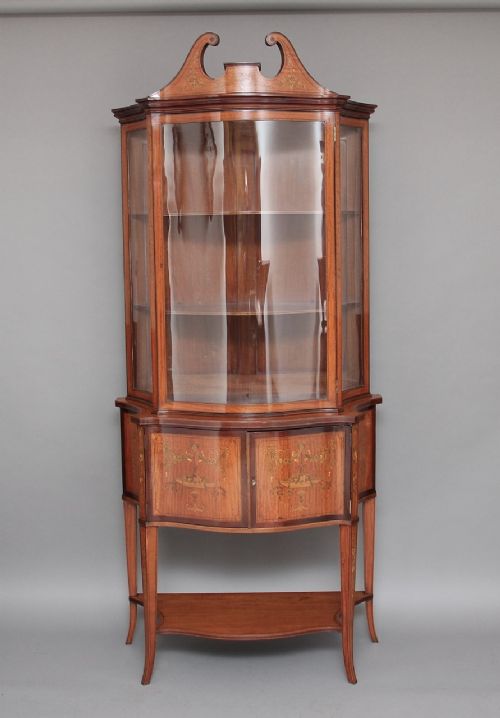
An edwardian display cabinet on stand combines a glazed upper storage compartment with a raised supporting base or table structure. These pieces emerge predominantly from the Edwardian era and the late Victorian period, drawing upon styles like Sheraton Revival and Chinese Chippendale.
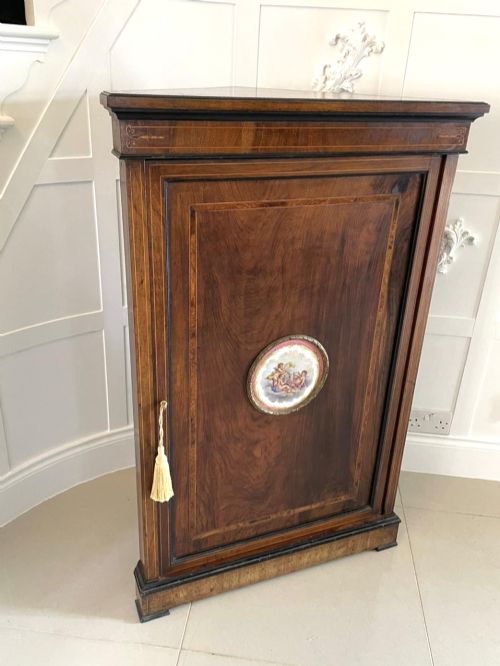
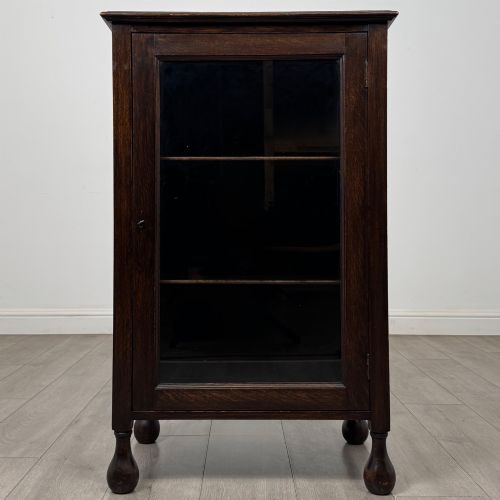
The form appears in freestanding formats, corner configurations, and pedestal designs. Buyers encounter variations featuring single doors, multiple glazed panels, and integrated lower drawers beneath the main display area.
How They Were Made
Cabinet makers utilised solid and veneered timbers including mahogany, walnut, oak, and satinwood, frequently embellished with contrasting boxwood stringing and marquetry inlay. Glass panels fitted into slender wooden frames allow light into the interior shelves while protecting objects from dust.
Structural support comes from stable stands equipped with straight legs, tapering supports, or brass castors. Joinery techniques from the period ensure rigid frames capable of holding heavy glass doors and timber weight.
Some delicate Edwardian models stand high on slender legs, looking as though they might tiptoe away when nobody is watching.
What Varies in Quality
Superior examples display crisp timber selection, such as figured mahogany or finely matched walnut veneers, coupled with intricate satinwood inlay and original painted decoration. Lesser pieces rely on plain secondary timbers with minimal decorative enrichment.
The refinement of the glazing bars, the precision of the stand joinery, and the presence of original hardware distinguish workshop output. Master makers achieve a balanced proportion between the upper cabinet and the supporting stand.
Maple & Co.·Liberty & Co.·Leonard Wyburd·Edwards & Roberts
The Edwardian Display Cabinet on Stand Glossary
- Astral glazing
- Framework dividing glass panels into smaller geometric panes. This technique creates a lighter visual appearance on cabinet doors.
- Satinwood inlay
- Contrasting light wood inserted into darker timber surfaces to form decorative borders. It defines the formal vocabulary of Sheraton Revival pieces.
- Marquetry
- Elaborate veneer patterns forming pictorial or floral motifs. Craftsmen cut different woods together to produce these detailed surface designs.
- Cornice
- The moulded projection sitting atop the upper cabinet structure. It finishes the vertical elevation of the furniture piece.
Edwardian Display Cabinet on Stand: Frequently Asked Questions
What is a display cabinet on stand?
A display cabinet on stand is an elevated glazed storage unit raised upon legs or a supporting frame. This design lifts precious items off the floor to improve visibility.
Such furniture serves to showcase ceramics, glassware, and small ornaments in domestic reception rooms.
How do I date these cabinets?
Dating relies on timber characteristics, stylistic influences, and construction methods. Edwardian pieces often display lighter satinwood inlays and Sheraton Revival forms.
Victorian examples tend to utilise heavier carved mahogany or darker walnut with robust proportions.
Where should I place one?
These cabinets suit drawing rooms, dining spaces, or hallways where natural light illuminates the glazed sections. Placing them away from direct heat sources protects the timber veneers.
Freestanding versions require sufficient surrounding space to appreciate the supporting stand and leg architecture.
Are the shelves adjustable?
Many period cabinets feature fixed wooden shelves or simple resting battens rather than modern adjustable tracks. Original interiors often retain fabric linings or painted surfaces.
Care must be taken when loading shelves with heavy porcelain or glass collections.