






Edwardian Display Box
An edwardian display box holds treasured objects behind glass, bringing order and visibility to small collections through fine woodwork and glazing.
Edwardian Display Box
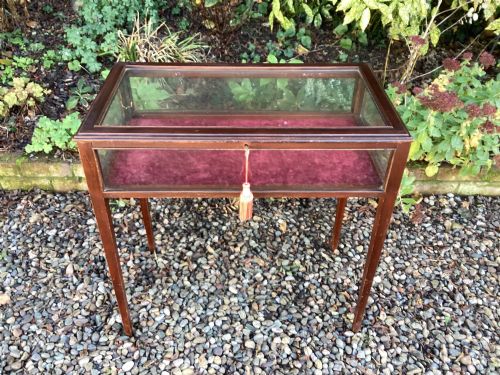
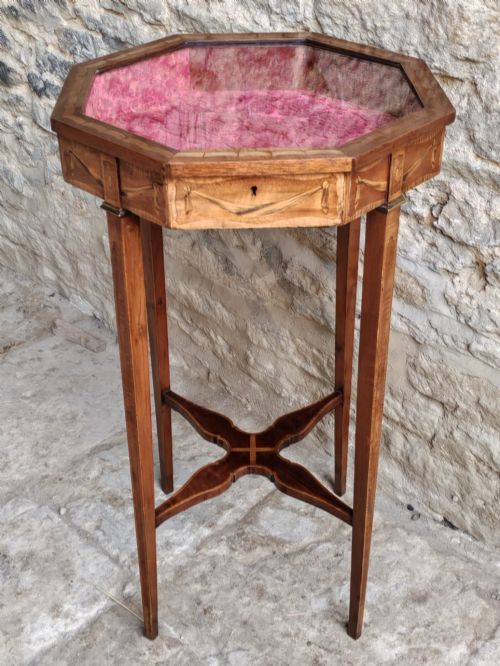
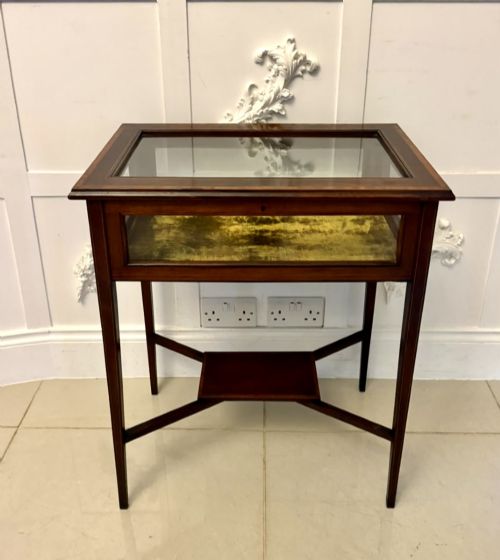
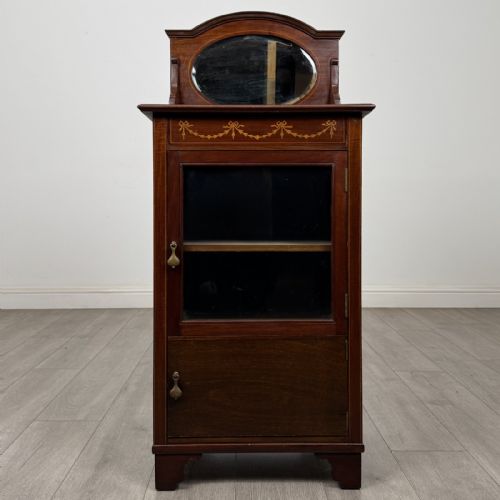
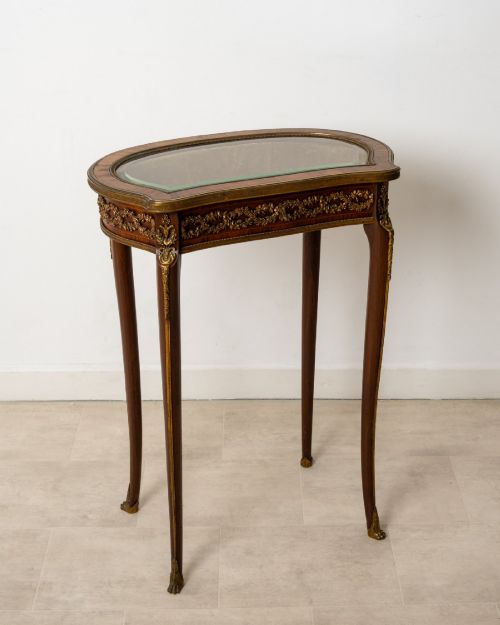
An edwardian display box encompasses glazed table cabinets, freestanding bijouterie tables, and countertop shop cases designed to showcase curiosities and personal valuables. The pieces encountered here span primarily from the Edwardian era and the late nineteenth century into the early twentieth century.
Most examples rely on mahogany and satinwood timbers, often shaped in serpentine or kidney outlines and accented with marquetry and inlay work. Alongside domestic bijouterie tables, the selection includes shop display counters, taxidermy cases, and specialised storage boxes.
Makers and workshops constructed these glazed enclosures to protect delicate items from dust while permitting all-round inspection. Buyers find both domestic forms intended for drawing rooms and commercial variants salvaged from period shops.
How they were made
Cabinet makers joined solid timbers and decorative veneers such as mahogany, satinwood, and rosewood around structural frames designed to hold bevelled or flat glass panels. Brass hinges, locks, and handles secure the opening lids and doors, while internal compartments frequently feature linings of velvet or fabric.
Inlay work and marquetry add subtle geometric or floral patterns to tabletops and friezes, contrasting light and dark woods. Glazed tops on standing tables sit above lined wells accessible by hinged lids, allowing contents to be viewed from above.
Edwardian Display Box Retail Price Guide 2026
Typical asking prices for edwardian display box among the pieces listed under this phrase on Sellingantiques today, from the lower quarter to the upper quarter. They describe what is for sale here now, not the wider market.
Listings feature mahogany, satinwood, rosewood, burr yew, and brass alongside glass and velvet.
What varies in quality
The refinement of the timber selection and the crispness of the inlay set finer examples apart from simpler utilitarian boxes. Timber choice shifts from standard hardwoods to figured veneers like burr walnut or meticulously matched satinwood.
Joinery execution determines the integrity of the frame, particularly where glazed lids meet carcass edges on frequently opened tables and cabinets. Interior finishes, including original velvet linings and hand-cut brass hardware, signal the standard of the original commission.
James Jones of London·Manoah Rhodes & Sons Ltd
The Edwardian Display Box Glossary
- Bijouterie table
- A glass-topped display table specifically designed for showing jewellery, medals, and small decorative items.
- Marquetry
- Decorative woodwork where pieces of veneer are fitted into a ground to form floral or geometric patterns.
- Vitrine
- A glass cabinet or display case used for exhibiting fine objects and curiosities.
- Toleware
- Painted or enamelled metalware, frequently taking the form of decorated storage boxes and canisters.
- Satinwood
- A lustrous, hard timber with a yellowish colour utilised for fine cabinetmaking and decorative stringing.
Edwardian Display Box: Frequently Asked Questions
What goes inside an edwardian display box?
These glass-topped enclosures traditionally held personal trinkets, medals, pocket watches, and delicate natural history specimens. The glazed lids protected fragile items from dust while keeping them visible in drawing rooms.
Today, collectors use them to display modern curiosities, jewellery, and small antiques. The lined wells cushion objects securely against movement when lids are lifted.
How do I clean the interior fabric?
Original velvet and fabric linings require gentle surface dusting with a soft brush rather than liquid cleaners. Moisture can damage both the old textile fibres and the underlying timber frame.
Vacuum attachments should be avoided unless secured at the lowest suction setting. Preserving the original lining material maintains the integrity of the piece.
Are these cases suitable for everyday use?
Countertop and table forms function well for daily access when hinges and locks operate smoothly. Regular opening benefits from steady handling to protect the vintage glass panels and delicate wood joints.
Positioning them away from direct sunlight prevents the fading of interior fabrics and timber surfaces. Stable indoor temperatures keep the old wood from drying out or warping.
How can I tell Edwardian pieces from Victorian ones?
Edwardian examples tend to feature lighter satinwood inlay, brighter mahogany tones, and slightly more restrained ornamentation than earlier nineteenth-century furniture. Victorian pieces often display heavier proportions, darker rosewood, or more elaborate carving.
Construction methods also shift around the turn of the century, moving towards simpler Edwardian frames. Examining the secondary timbers and interior hardware helps confirm the manufacturing period.