


Edwardian Dining Storage
Edwardian dining storage provides the substantial timber cabinetry needed to organise a period dining room.
Edwardian Dining Storage
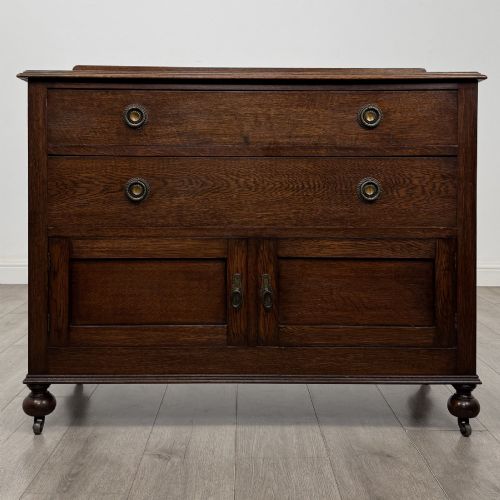
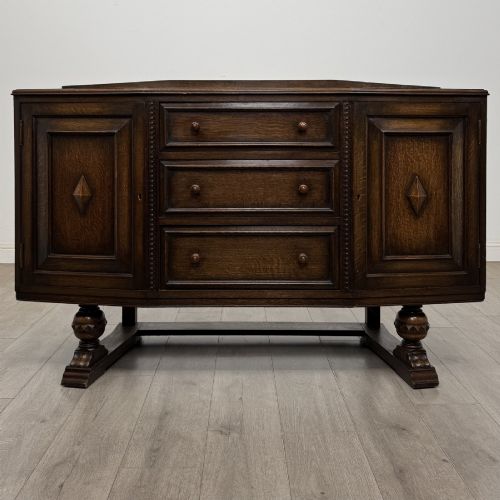
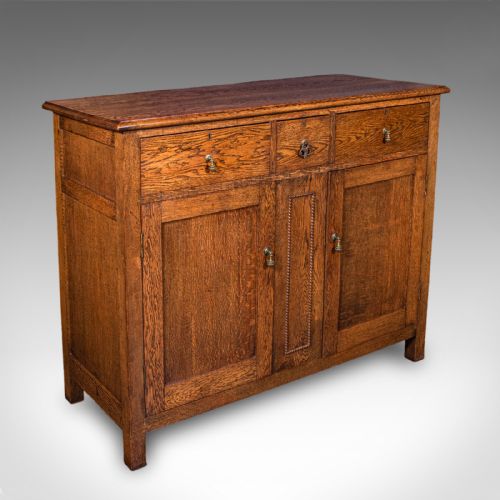
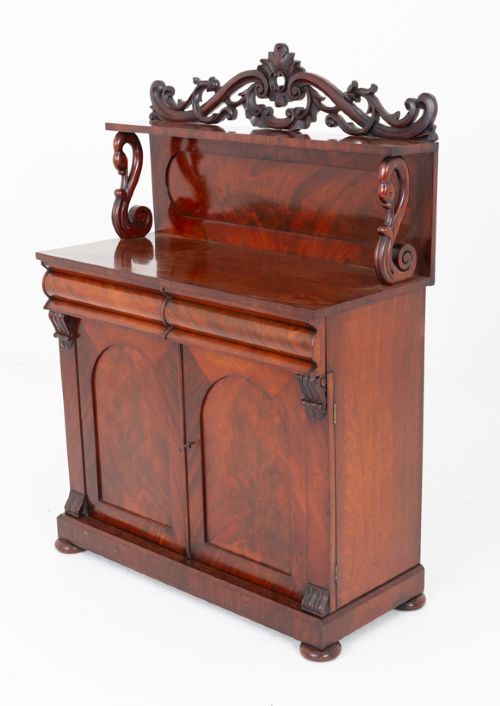
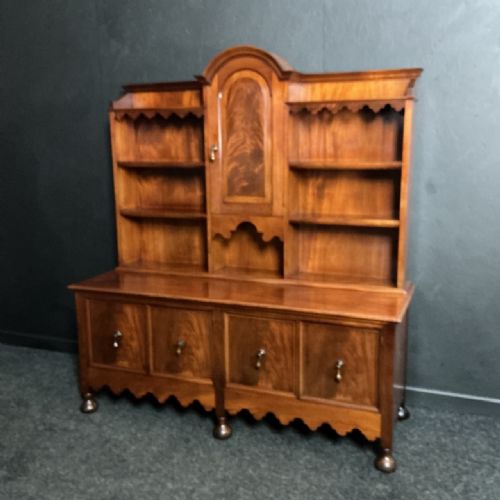
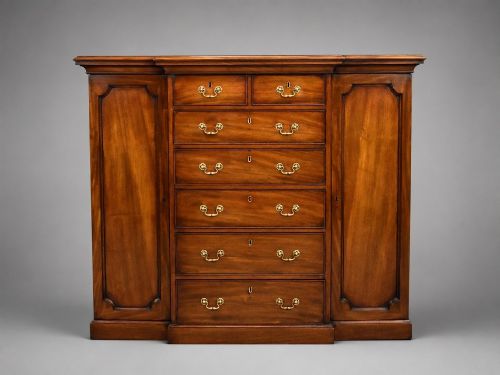
Edwardian dining storage encompasses the large timber furniture built to house tableware, linen and provisions in the dining room. When exploring edwardian dining storage, sideboards, dressers and side cabinets dominate the selection. These pieces date principally from the Edwardian era and the late nineteenth century, often reflecting earlier revivals like Sheraton or Jacobean styles.
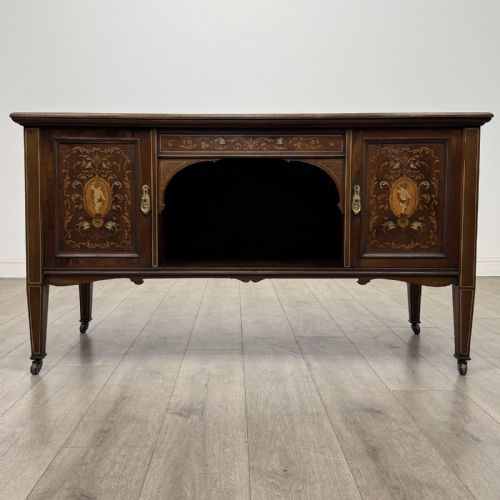
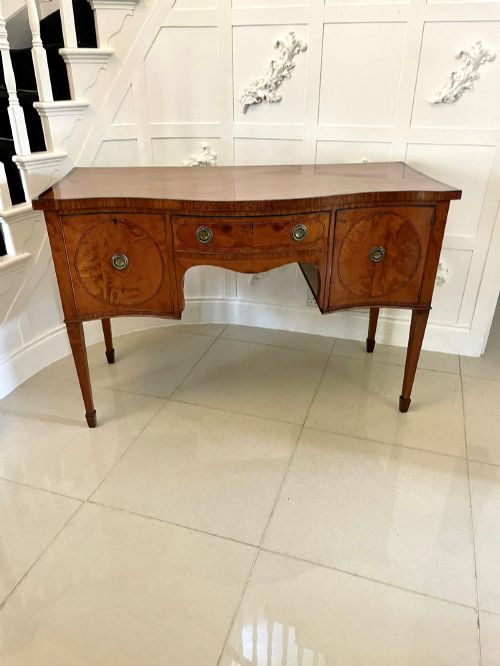
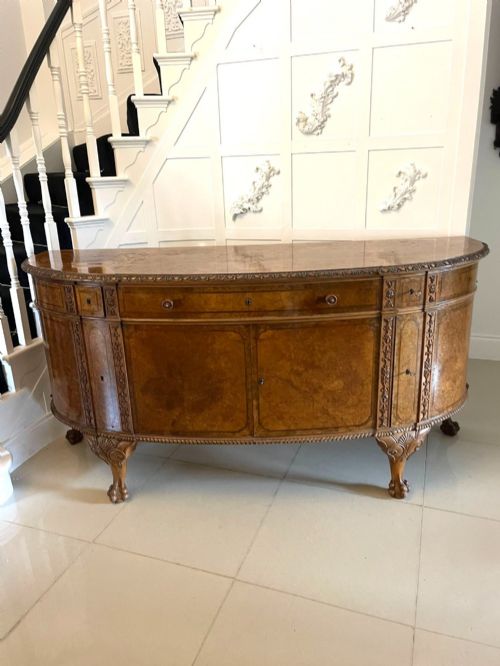
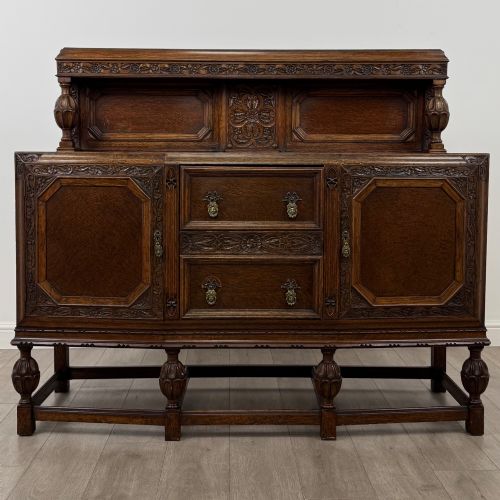
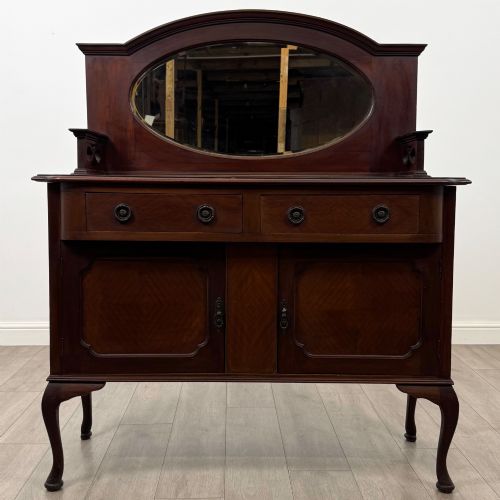
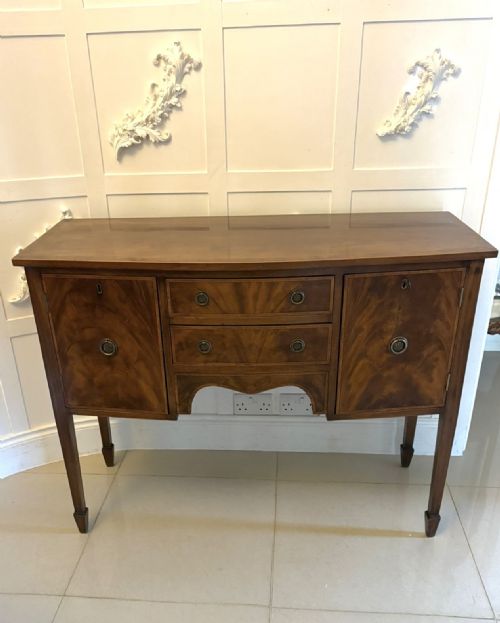
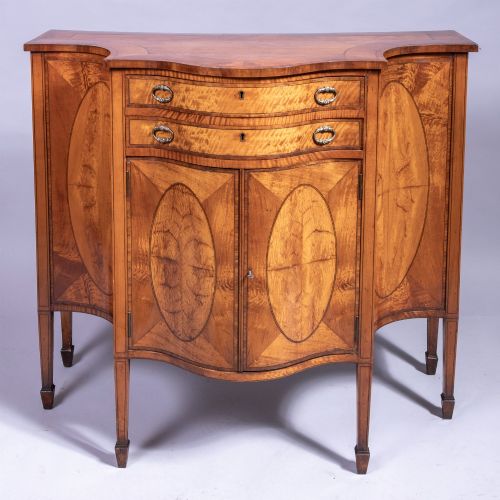
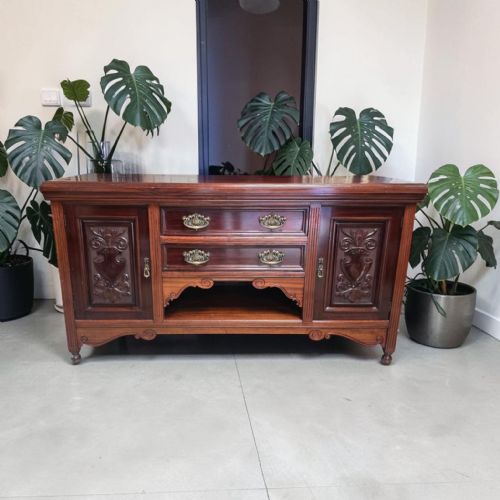
The most frequent form encountered is the mahogany or oak sideboard, sometimes featuring a raised mirror back or carved panels. Cabinets with bow fronts and brass handles provide enclosed shelving for heavy service items. Alongside formal Edwardian examples, related Victorian and early twentieth-century designs appear frequently within this grouping.
Materials and Construction
Timber selection defines these pieces, with solid and veneered mahogany, oak and burr walnut forming the primary structures. Workshops utilised figured woods such as flame mahogany and satinwood for drawer fronts and decorative panels. Brass hardware, including handles and backplates, accompanies these timbers alongside occasional glass doors and mirrored backs.
Joinery methods rely on sturdy framing to support heavy timber tops and internal shelving. Carved ornamentation, inlaid marquetry and raised galleries demand skilled carpentry rather than applied cast decoration. Original handles and polished finishes remain common across the surviving stock.
Edwardian Dining Storage Retail Price Guide 2026
Typical asking prices for edwardian dining storage among the pieces listed under this phrase on Sellingantiques today, from the lower quarter to the upper quarter. They describe what is for sale here now, not the wider market.
Sarcophagus wine coolers stand ready for chilled refreshment.
Factors of Quality
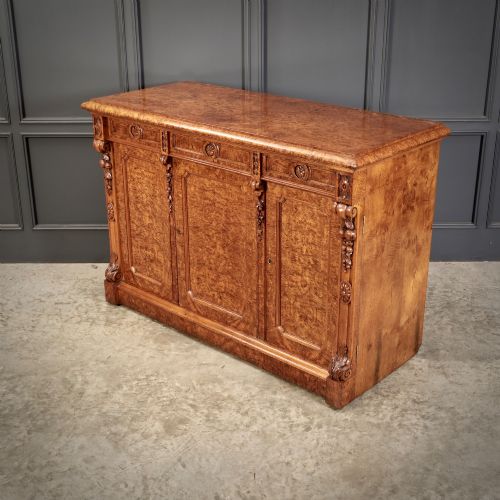
Quality rests primarily on the selection of timber and the ambition of the design. Pieces utilising finely figured burr walnut, satinwood or pollard oak display a superior visual richness compared to plain utility timbers. Cabinetmakers who incorporated serpentine shaping or delicate marquetry achieved a higher grade of finish.
The integration of decorative elements further separates standard output from exceptional workshop production. Carved details executed directly into solid wood rather than applied composition show superior craftsmanship. Original hardware and intact mirror plates preserve the integrity of the piece.
Maple and Co·Edwards and Roberts·Liberty
The Edwardian Dining Storage Glossary
- Sideboard
- A long dining room cabinet designed for serving food and storing tableware. It usually combines cupboards and drawers within a single low frame.
- Mirror back
- A wooden superstructure incorporating a mirror plate mounted above the main sideboard top. This feature reflects light and displays ornamental items.
- Bow front
- A convex curved cabinet front that swells outward in the centre. This shape softens the rectangular geometry of large dining furniture.
- Marquetry
- Decorative patterns formed by fitting contrasting veneers into a wood ground. Craftsmen used exotic woods to create intricate geometric or floral designs.
- Serpentine
- A shaped furniture front featuring a concave centre flanked by convex curves. This undulating profile requires advanced woodworking skill to execute cleanly.
Edwardian Dining Storage: Frequently Asked Questions
What is an edwardian dining storage cabinet?
These cabinets are large wooden furniture pieces designed to hold dining room essentials like plates, cutlery and table linen. They provide heavy shelving and drawer space behind closed doors.
Most examples stand against a dining room wall, offering a flat surface on top for serving food. Their robust construction allowed them to carry heavy ceramic and silver service items safely.
How do I identify an edwardian piece?
Edwardian furniture often displays lighter timbers and slender proportions compared to heavier Victorian designs. Stylistic revivals of Sheraton and Art Nouveau appear frequently across the period.
Look for inlaid contrasting woods, oval mirror backs and original brass drop handles. The combination of Edwardian manufacture with earlier revival styles creates a distinct aesthetic.
Where should I place a sideboard?
Sideboards suit dining rooms, large hallways or living spaces where substantial surface and storage area is beneficial. Their long profiles anchor a wall effectively.
Ensure adequate floor clearance for opening cupboards and drawing out wide interior drawers. Placing them away from direct heat sources protects the polished wood and veneer.
Are these pieces made of solid wood?
Many items combine solid timber frames with high-quality wood veneers applied to stable secondary woods. This technique prevented warping on large doors and wide panels.
Mahogany, oak and walnut form the structural core of these cabinets. Figured veneers like burr walnut and satinwood provided decorative surfaces on key fronts.