

Edwardian Dining Set
An Edwardian dining set brings the refined mahogany and oak craftsmanship of the early twentieth century directly to your table.
Edwardian Dining Set
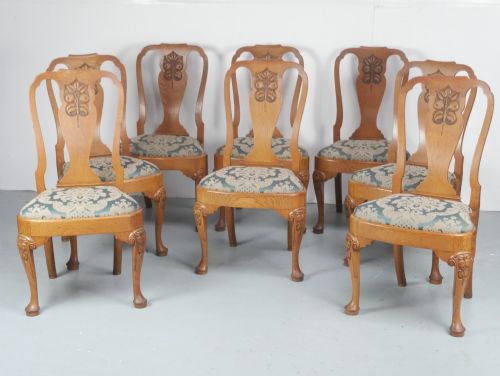
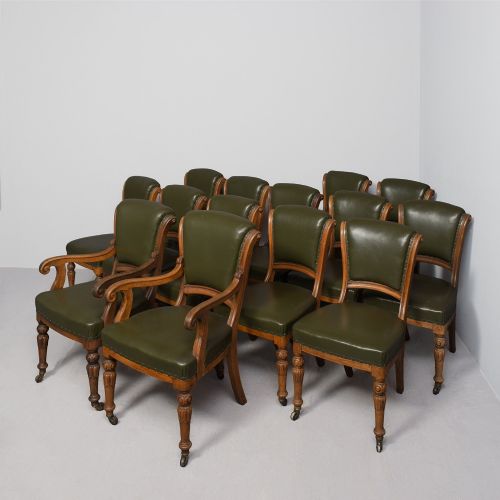
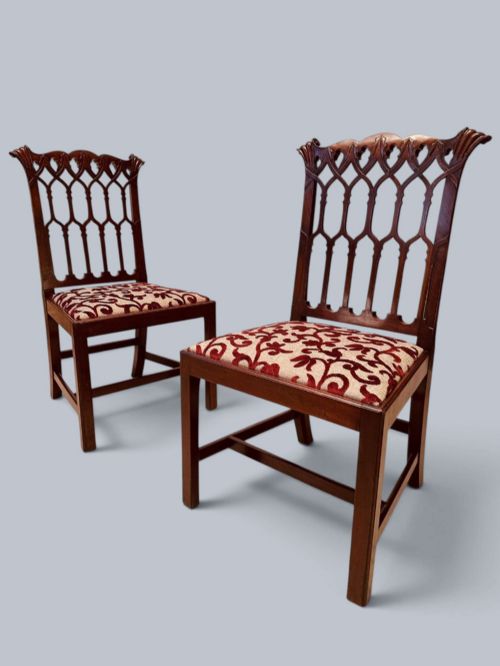
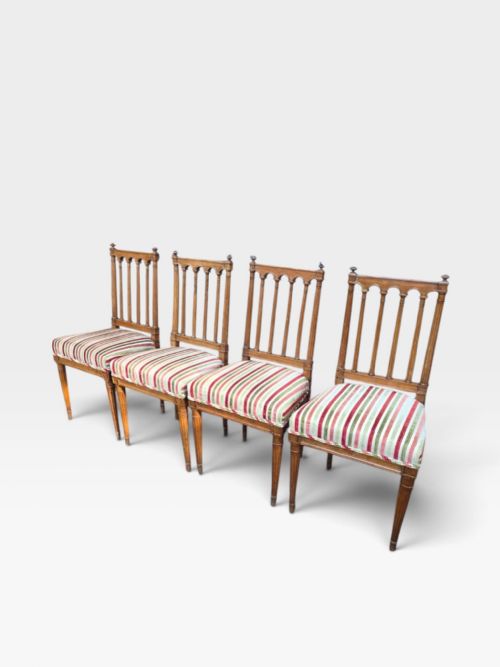
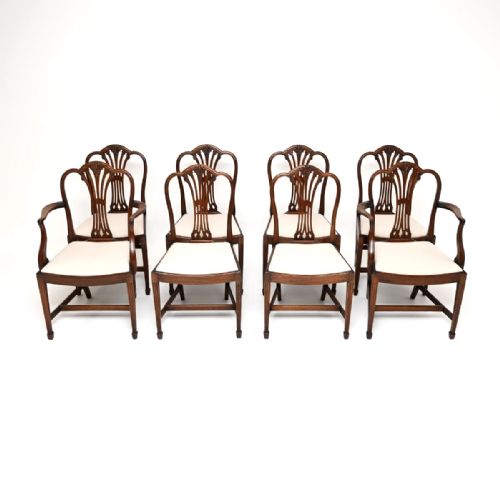
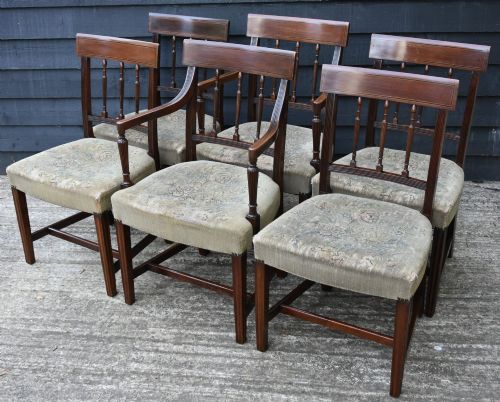
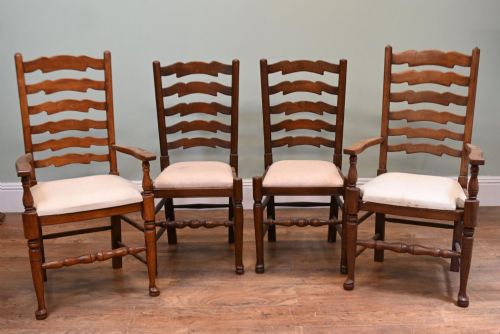
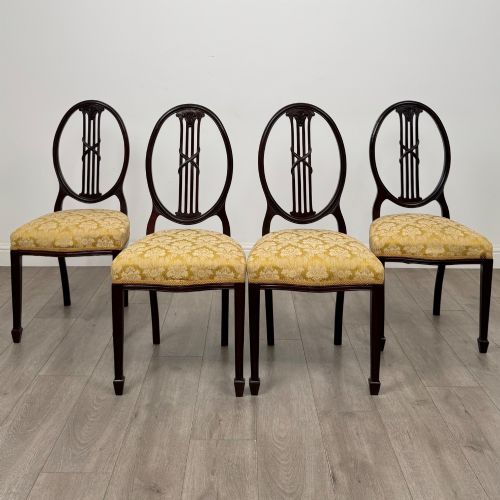
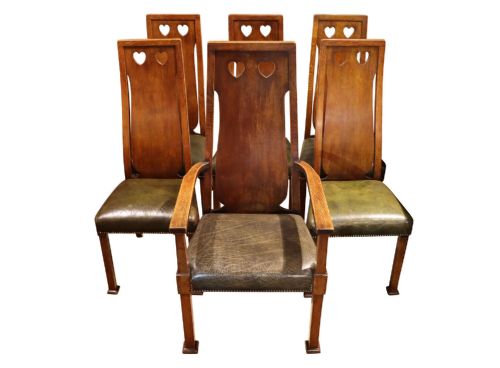
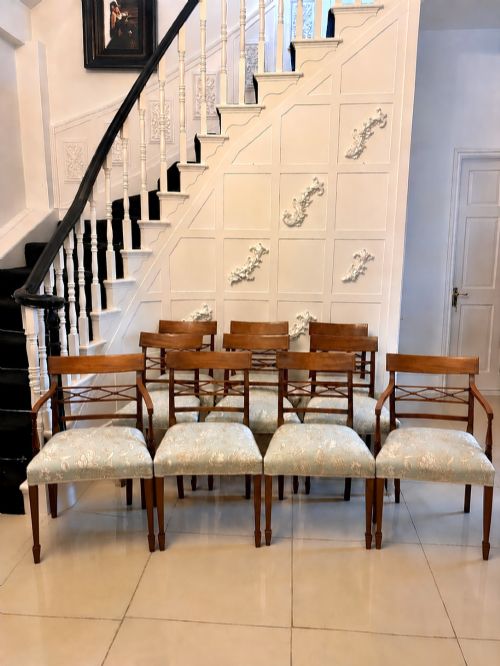
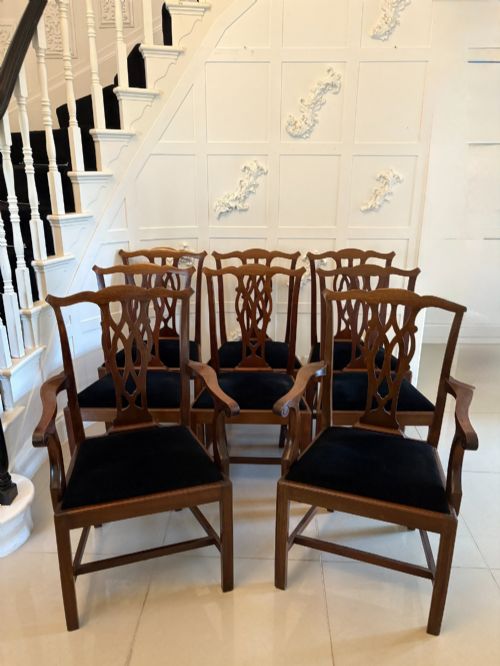
When you search for an Edwardian dining set, you encounter matched collections of chairs and tables spanning the Edwardian era, alongside related nineteenth and twentieth-century dining furniture. These groupings frequently take the form of matching seating sets, sometimes incorporating carver armchairs alongside standard dining chairs.
The most common configurations on this page are matched sets of mahogany or oak dining chairs, often originating from around nineteen-hundred to nineteen-ten. Alongside timber seating, the listings encompass occasional sideboards, side tables, and associated dining room accessories.
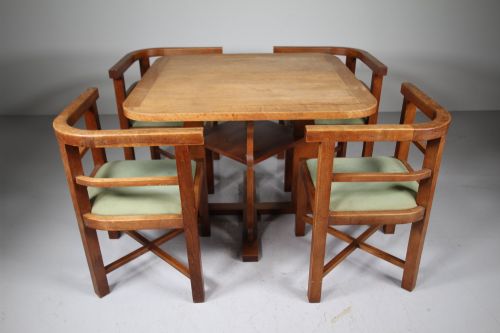
While many suites date strictly from the Edwardian period, the selections extend to include earlier Victorian models, Georgian styles produced later, and robust Arts and Crafts or Jacobean revival designs. Buyers select these suites to anchor a traditional dining room with period authenticity.
Materials and construction
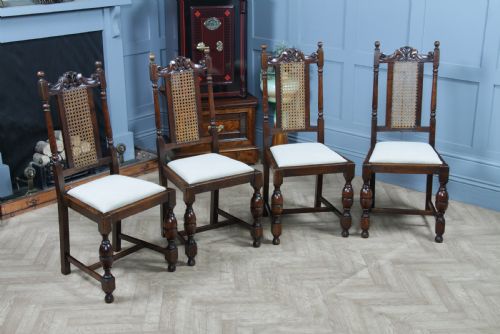
Cabinetmakers and chair bods constructed these pieces primarily using solid mahogany, oak, and maple, frequently selecting dense hardwoods for durability in daily domestic service. Timber components were joined using traditional methods, supported by turned barley twist supports, carved top rails, and sturdy stretcher frames.
Decorative embellishments relied on contrasting techniques, including geometric marquetry inlay, delicate stringing, and careful wood carving. Seating elements incorporated rush seats, cane panels, or padded cushions upholstered in fabric and leather, secured with traditional tacks.
Edwardian Dining Set Retail Price Guide 2026
Typical asking prices for edwardian dining set among the pieces listed under this phrase on Sellingantiques today, from the lower quarter to the upper quarter. They describe what is for sale here now, not the wider market.
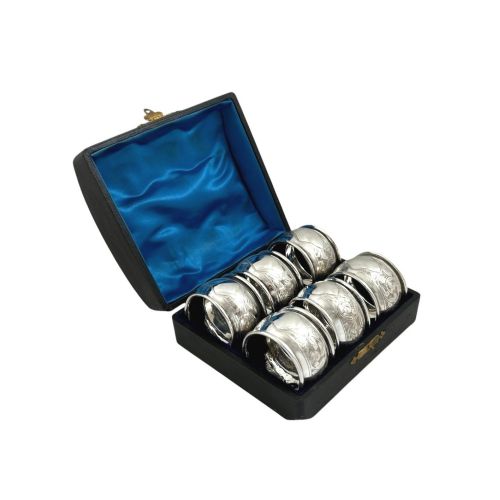
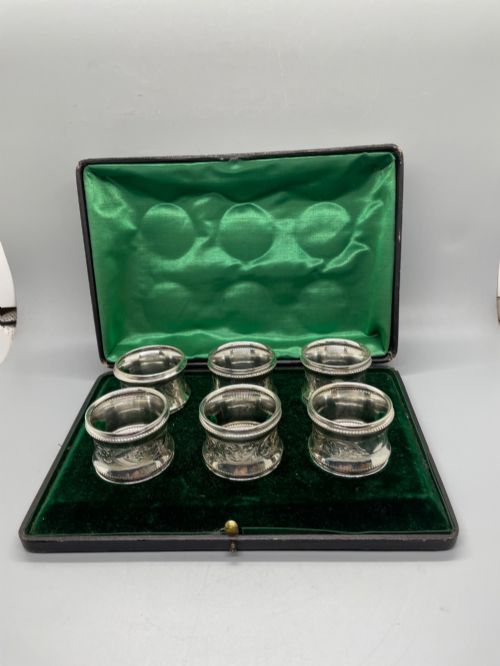
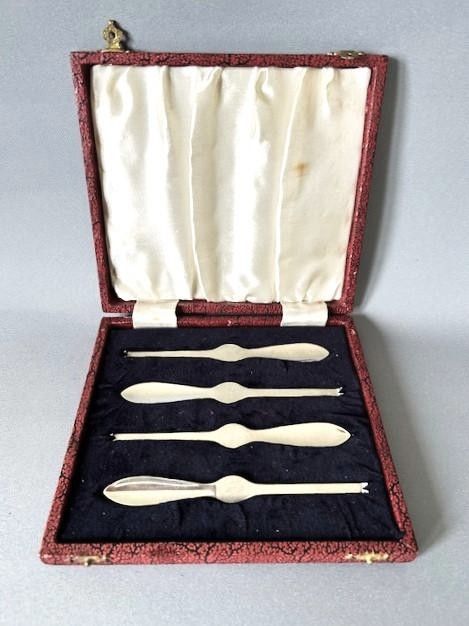
Alongside heavy dining tables, the selections include delicate silver crab picks and butter knives for exceptionally formal Victorian and Edwardian meals.
Distinctions in craftsmanship
The distinction between standard dining furniture and top-tier workshop production lies in the crispness of the timber carving and the selection of figured wood grains. Superior sets demonstrate meticulous attention to matching veneer patterns across all chairs in the suite, alongside robust joinery that remains tight after decades of use.
Maker attribution also influences standing, with pieces bearing stamps or labels from recognised workshops commanding particular regard. Furthermore, the completeness of larger sets, such as matching groups of ten or twelve chairs containing original carvers, elevates the standard of the ensemble.
Maple and Co·Goodyers London·Alfred Allen of Birmingham
The Edwardian Dining Set Glossary
- Carver armchair
- A dining chair featuring integrated armrests, typically placed at the head of a table. These sat at either end of a matching suite alongside smaller side chairs.
- Shield back
- A chair back design shaped like a heraldic shield, popularised in the eighteenth century and revived during the Edwardian era. This silhouette requires precise woodworking to achieve its curved outline.
- Marquetry
- Decorative patterns formed by fitting contrasting pieces of veneer into a prepared wooden surface. Craftsmen used this technique to ornament chair backs and sideboard surfaces with geometric motifs.
- Barley twist
- A carved wooden furniture leg or stretcher resembling a twisted rope. This turned detail appears frequently on oak dining furniture from the period.
- Draw leaf table
- A dining table equipped with pull-out leaves stored beneath the main top. This mechanism allows the surface area to expand without removing central sections.
Edwardian Dining Set: Frequently Asked Questions
How many chairs come in a typical set?
Listings commonly feature matching groups ranging from four chairs up to twelve pieces, often including two carver armchairs for the heads of the table.
Buyers select the count that matches their dining space, with sets of six or eight representing the most frequent configurations.
Are these sets made entirely of solid wood?
Most structural components, frames, and legs consist of solid mahogany or oak, providing the necessary strength for daily seating.
Selected decorative areas, such as table tops or sideboard panels, may utilise fine wood veneers over stable secondary timbers to display figured grain patterns.
How do I care for antique dining timber?
Maintain the finish by dusting regularly with a dry cloth and applying traditional beeswax periodically to nourish the wood surface.
Position the furniture away from direct heat sources and strong sunlight to prevent timber shrinkage and protect the antique polish.
What is the difference between Edwardian and Georgian style?
Edwardian dining furniture produced around nineteen-hundred often revived earlier eighteenth-century Georgian and Sheraton forms, reinterpreting classic shield backs and inlay.
Original Georgian pieces date to the eighteenth century, whereas Edwardian reproductions reflect the Edwardian era's enthusiasm for historical revivalism.