
Edwardian Desk Lighting
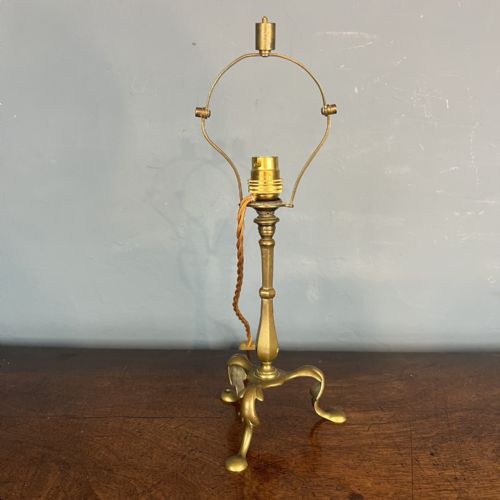
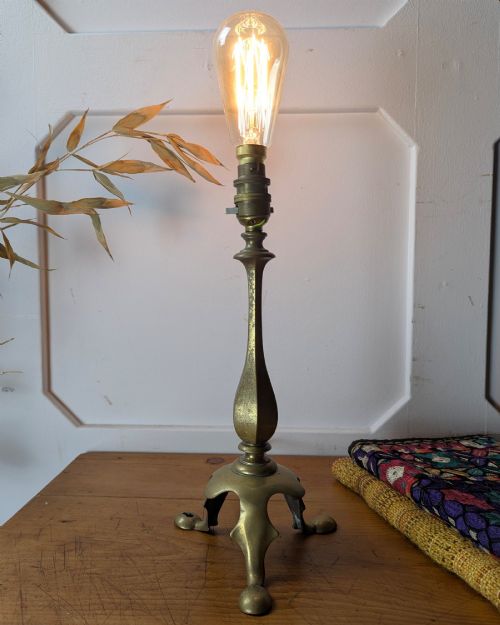
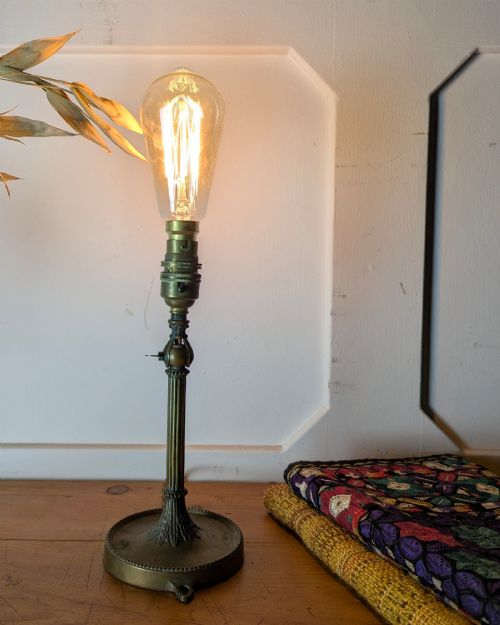
Edwardian desk lighting brings functional illumination to workspaces through brass desk lamps, adjustable student lights and bankers desk lamps.
Edwardian Desk Lighting
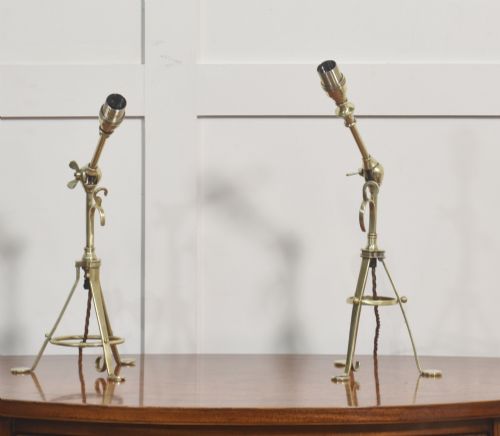
When a buyer searches for edwardian desk lighting, they examine task-focused illumination created around the turn of the twentieth century. These objects include adjustable brass student lamps, bankers desk lamps, and reading lights designed for practical use in studies and offices.
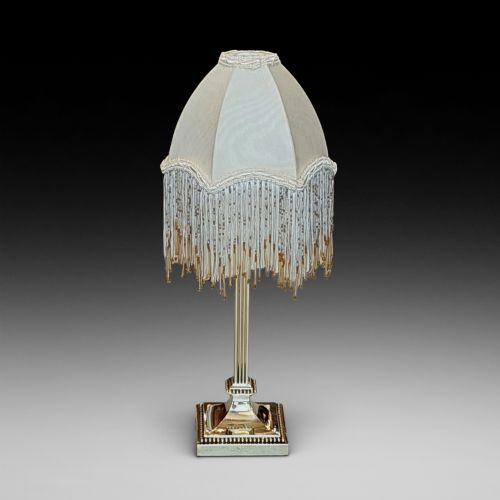
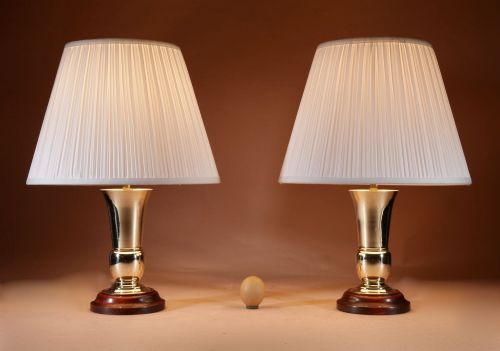
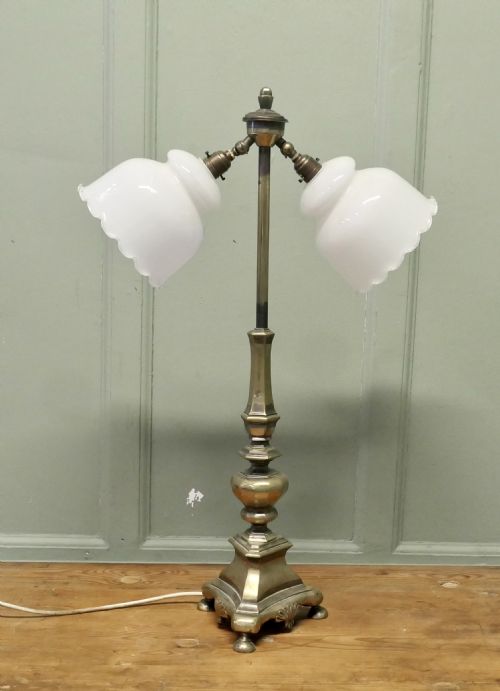
The selections on this page encompass pieces from the Edwardian period alongside adjacent nineteenth and twentieth-century eras, such as Victorian, George V, and the nineteen-twenties. Forms range from heavy metal columns to twin-angled reading lamps and brass pullman lights.
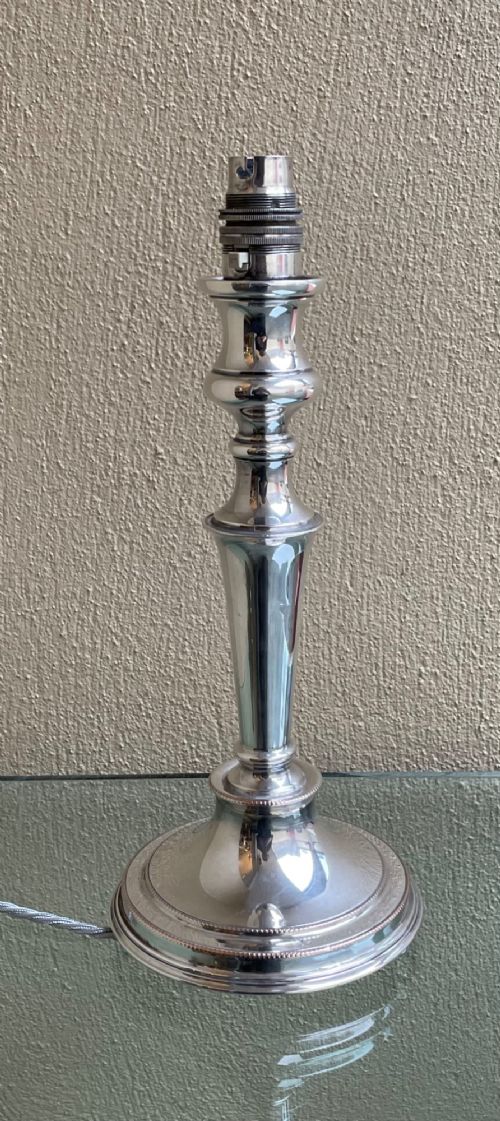
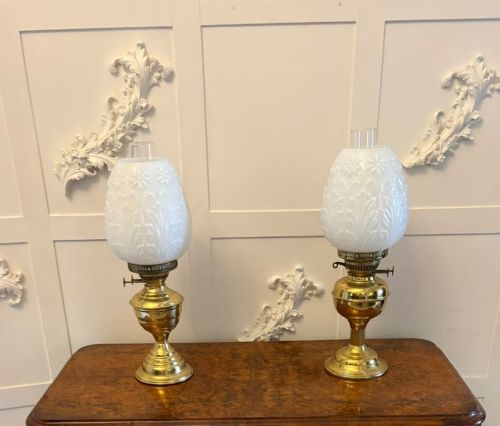
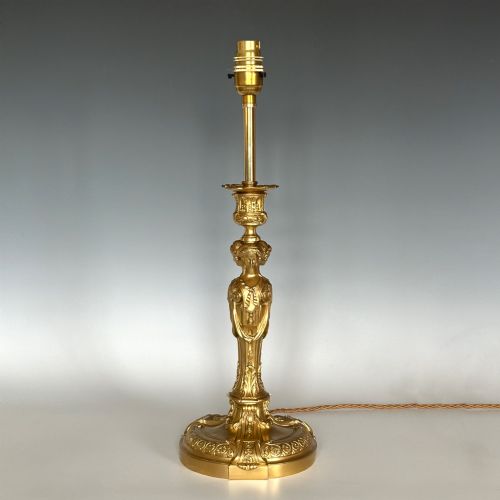
Beyond purely utilitarian desk lamps, the listings feature related items like oil lamps with opaline glass shades, alabaster table lamps, and occasional gilt bronze or silver plated pieces. Brass remains the predominant metal underpinning these workplace illumination pieces.
Materials and Construction
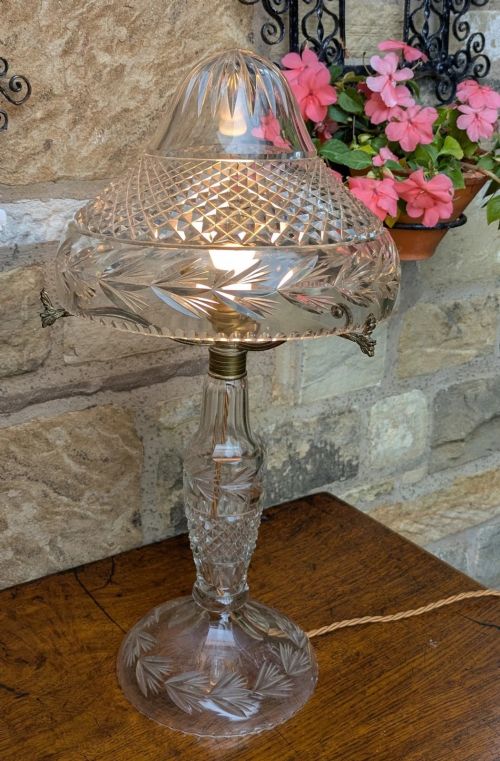
Maker construction relies heavily upon cast and spun brass, silver plate, and various metals shaped into columns, balusters, and adjustable arms. Glass components, including cut crystal and opaline shades, complement the metalwork to diffuse light effectively across a work surface.
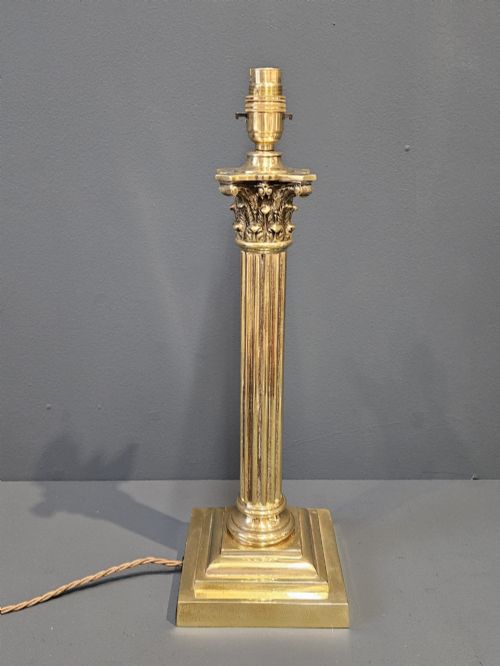
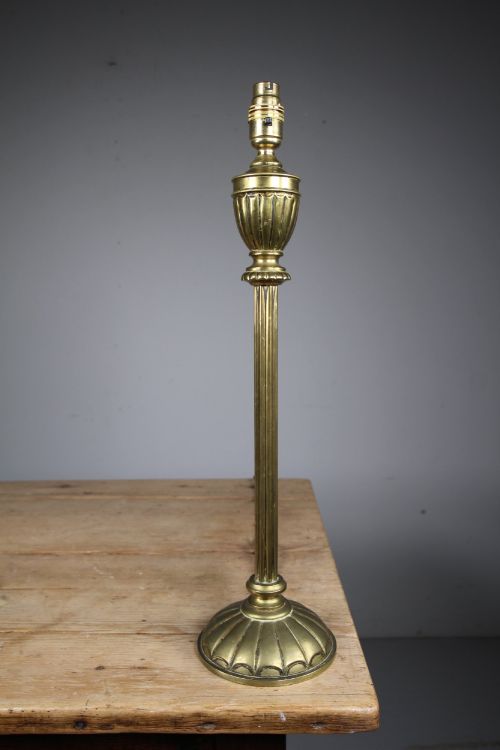
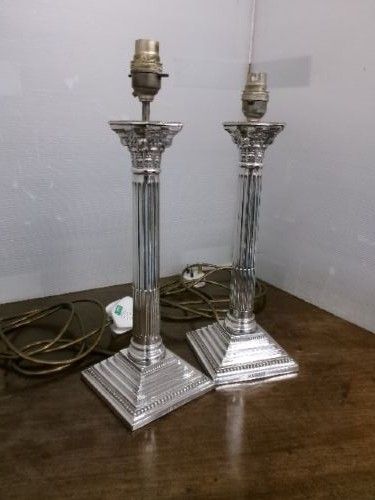
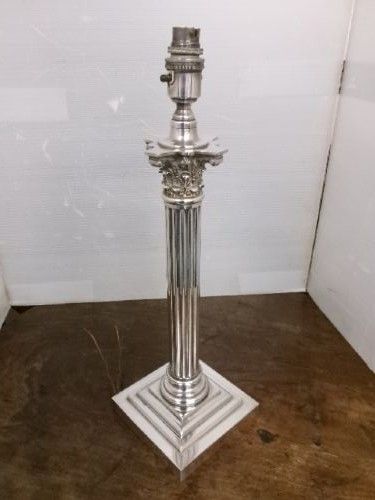
Secondary materials such as oak, walnut, alabaster, and marble appear in bases and structural elements, adding weight and stability to the lighting fixtures. Techniques include reeded turning, Corinthian column capitals, and adjustable mechanical joints found on student and reading lamps.
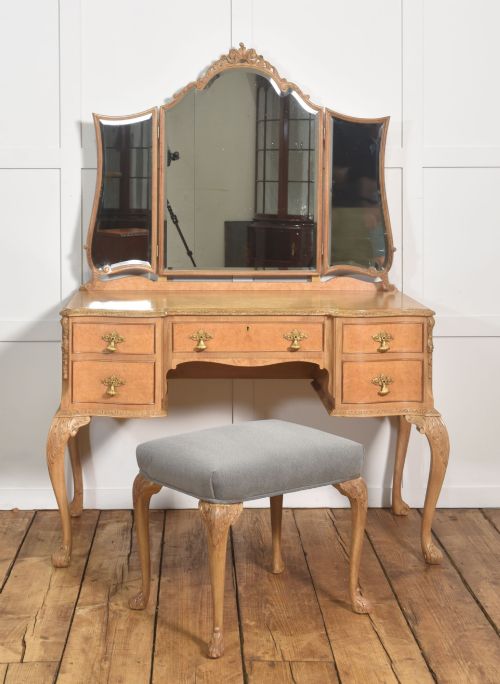
Table lamps and reading lights dominate the form, complemented by occasional filing cabinets and dressing table mirrors.
Assessing Quality and Execution
Quality reveals itself in the heft of the metalwork, the crispness of cast details such as Corinthian capitals or gilt bronze trim, and the precision of adjustable joints. Superior examples employ heavy brass gauges and solid marble or alabaster plinths that anchor the lamp securely.
The integration of materials also defines the tier of a piece, distinguishing standard utility lighting from finely finished decorative objects incorporating opaline glass, cut crystal, or specialised mechanisms like those on Pullman and student lamps.
W.A.S. Benson·Royal Worcester·Heals·Mc Gary
The Edwardian Desk Lighting Glossary
- Corinthian Column
- A classical column form featuring ornate acanthus leaf capitals, frequently utilised for the shafts of heavy table and desk lamps.
- Opaline Glass
- A pale, translucent milk glass often blown into shades to soften harsh electric or oil illumination on a writing desk.
- Student Lamp
- An adjustable reading lamp designed with a movable arm or shade to direct focused light over paperwork or books.
- Pullman Lamp
- A compact, versatile lighting fixture originally adapted for travel use or tight spaces on railway carriages and maritime desks.
- Silver Plate
- A thin layer of silver applied over a base metal core, providing the lustrous appearance of solid silver for desk accessories.
Edwardian Desk Lighting: Frequently Asked Questions
What is an Edwardian student lamp?
An Edwardian student lamp is an adjustable task light designed to focus illumination precisely onto reading material or paperwork. These pieces often feature articulated brass arms and weighted bases for stability on a desk.
They originated to provide targeted light before general room illumination became reliable. Collectors value their mechanical complexity and utilitarian aesthetic.
How do I identify a bankers desk lamp?
Bankers desk lamps typically feature a heavy metal base, an adjustable brass stem, and a characteristic green or neutral glass shade. They were built for heavy administrative use in offices and legal chambers.
These lamps prioritized durability and direct downward light to reduce eyestrain during long working hours. The sturdy construction ensures they survive in working order today.
Were these lamps originally electric or oil?
Many lighting pieces from this era started as oil or kerosene lamps before being converted to electricity during subsequent decades. Some contemporary listings note modern rewiring to meet safety standards.
Original student and reading lamps often retained adjustable hardware that accommodated the transition to electric bulbs. Examining the collar and cord entry points reveals these historical adaptations.
Where should I place a heavy brass desk lamp?
Heavy brass desk lamps suit traditional writing tables, mahogany bureaus, and library desks where their substantial weight provides a secure footprint. They anchor the workspace while supplying functional task lighting.
Pairing them with wooden surfaces creates a balanced, period-appropriate study environment. Their metallic finishes also complement leather desk blotters and inkwells.