



Edwardian Decorative Lighting
Edwardian decorative lighting delivers period charm through brass, glass and bronze fittings designed to illuminate and transform domestic interiors.
Edwardian Decorative Lighting
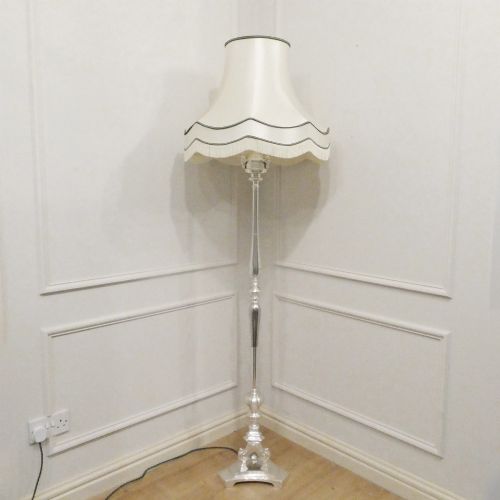
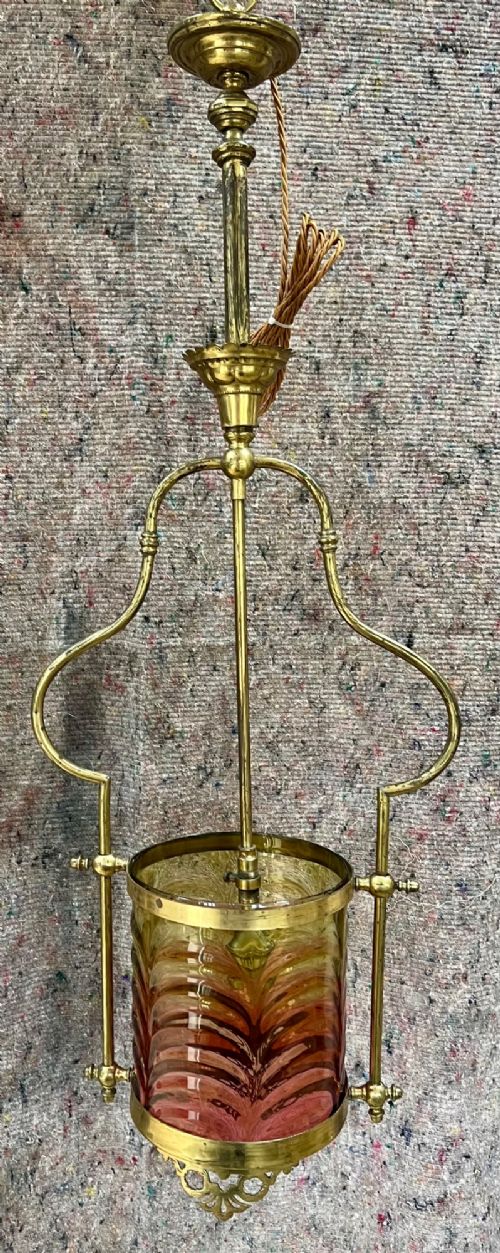
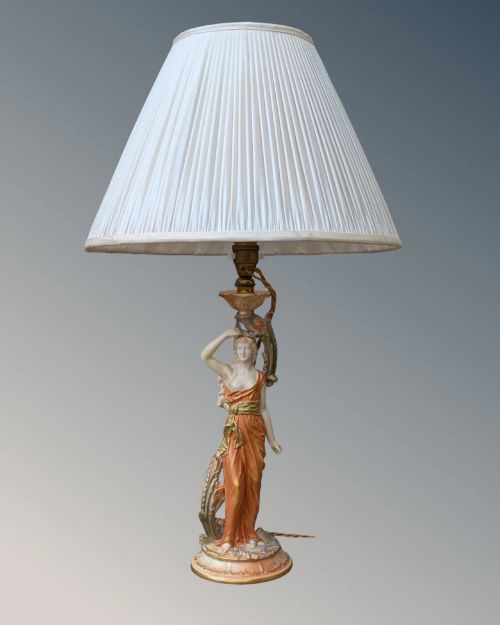
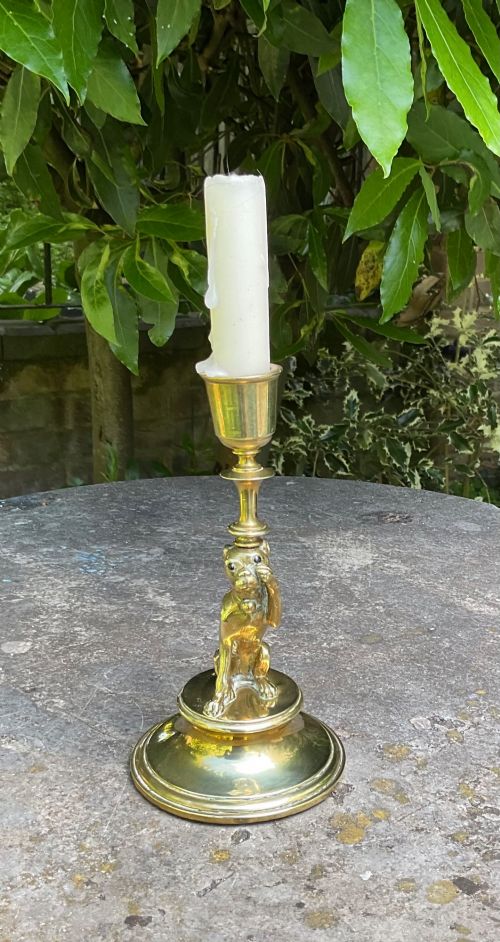
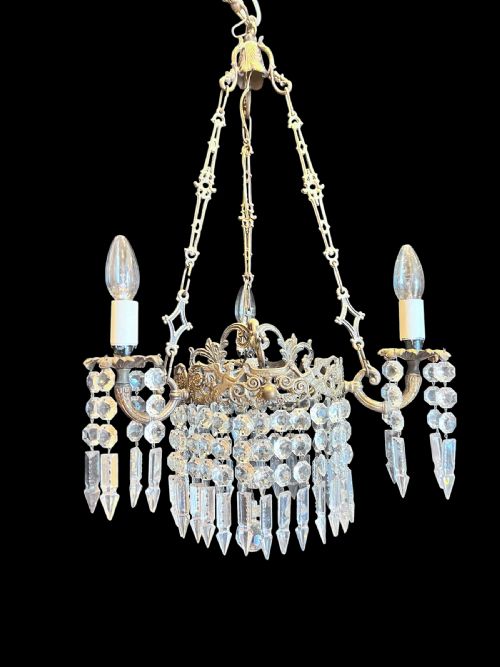
Edwardian decorative lighting encompasses table lamps, oil lamps, floor lamps, ceiling lights, chandeliers, candlesticks and stained glass windows produced around the turn of the twentieth century. These pieces bridge late Victorian ornamentation and the flowing curves of Art Nouveau, reflecting the aesthetic shifts of the period.
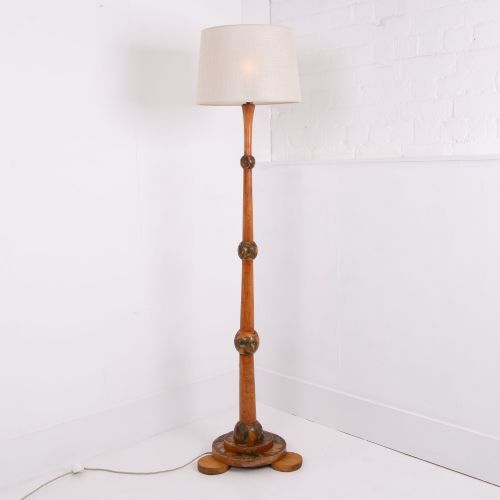
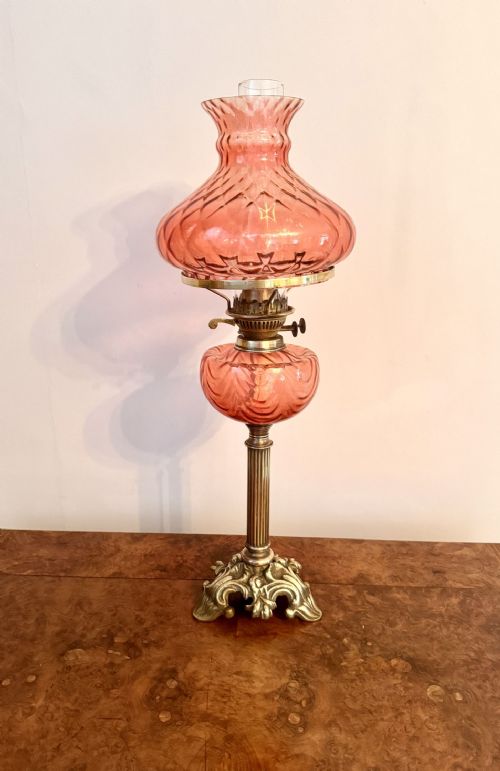
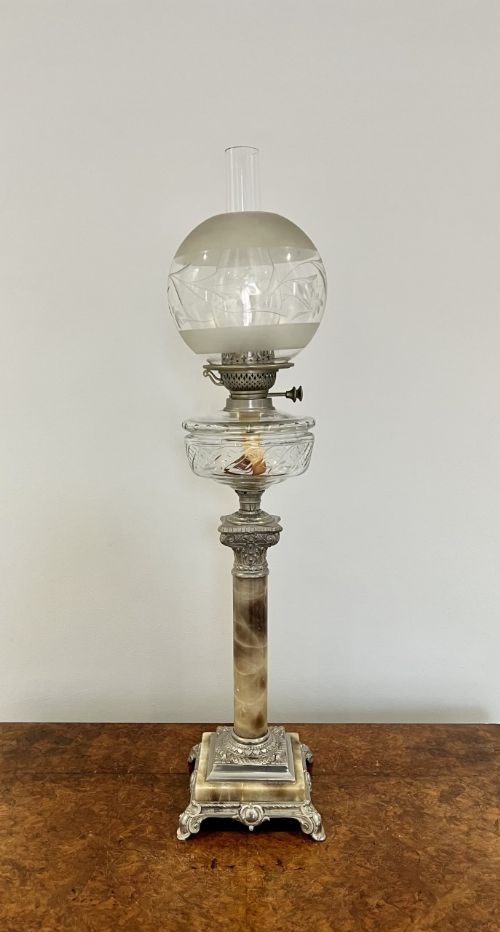
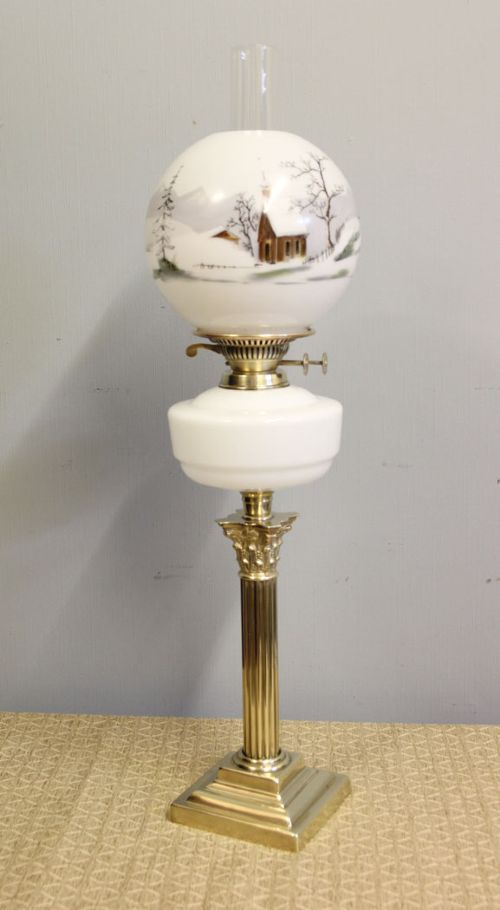
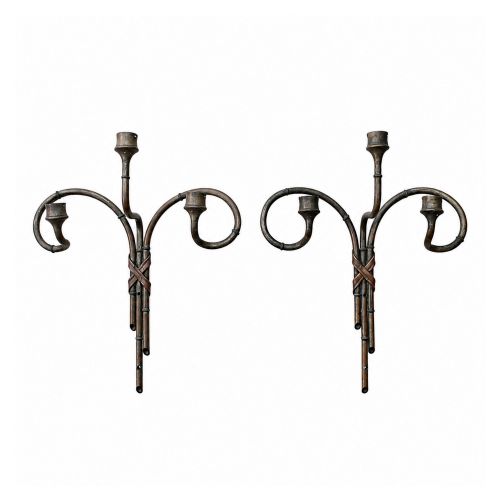
The version most commonly encountered on this page is the brass oil lamp or table lamp, often incorporating glass fonts, shades or ceramic elements. Alongside these, buyers find wall lights, floor lamps, and leaded glass windows featuring hand-painted countryside or winter scenes.
Originating largely from British and French workshops, these items utilise metals, glass and wood to achieve both functional illumination and decorative impact. The selection demonstrates diverse styles spanning Edwardian, Victorian, Art Nouveau, Neoclassical and Arts and Crafts traditions.
How they were made
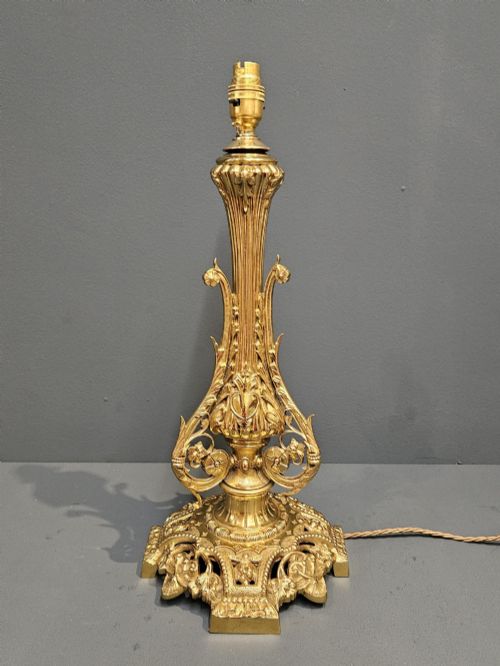
Makers utilised cast brass, bronze, copper and lead to construct the robust frames, columns and mounts of these lamps and lanterns. Metalwork often involved heavy casting, turning on lathes, and hand-finished detailing such as Corinthian fluting or organic Art Nouveau tendrils.
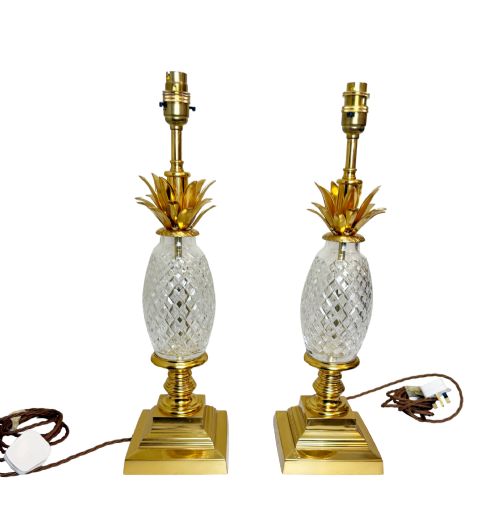
Glass components include cut crystal, cranberry glass, leaded stained glass panels and hand-painted shades that diffuse light warmly. Artisans combined these fragile elements with metal fixtures, securing glass fonts and shades within brass galleries and bronze arms.
Edwardian Decorative Lighting Retail Price Guide 2026
Typical asking prices for edwardian decorative lighting among the pieces listed under this phrase on Sellingantiques today, from the lower quarter to the upper quarter. They describe what is for sale here now, not the wider market.
The inventory spans multiple design movements, incorporating Victorian, Edwardian, Art Nouveau, Neoclassical and Arts and Crafts styles.
What varies in quality
Quality rests in the weight of the metal casting, the clarity and hand-painting of the glass, and the integrity of construction. Heavy brass columns, finely detailed bronze mounts and deeply etched or hand-painted shades separate superior examples from standard production pieces.
The precision of assembly and the originality of components define the upper tier of the range. Pieces bearing specific maker attribution or combining multiple skilled crafts, such as leaded glass paired with painted scenes, display the highest level of period execution.
Georges Leleu·Abel Landry·WAS Benson·Liberty
The Edwardian Decorative Lighting Glossary
- Corinthian Column
- A classical column form utilised for lamp standards and candlesticks, featuring an ornate capital decorated with acanthus leaves. This architectural style appears frequently in brass lighting supports.
- Leadlight
- A window or panel composed of small glass pieces held together within lead cames. These panels often incorporate hand-painted pastoral or floral scenes.
- Chamberstick
- A short candlestick fitted with a wide drip pan and a ring handle, designed for carrying through a house. Period examples are frequently formed from brass.
Edwardian Decorative Lighting: Frequently Asked Questions
What is edwardian decorative lighting?
Edwardian decorative lighting covers lamps, chandeliers, lanterns and illuminated panels produced around the turn of the twentieth century. These fixtures combine practical illumination with the distinct aesthetic movements of the era.
Pieces range from heavy brass oil lamps and Corinthian column table lamps to delicate stained glass windows and bronze wall sconces. They reflect the transition from Victorian density to lighter, more organic design forms.
How were oil lamps used?
Oil lamps served as the primary source of portable interior illumination in homes before electricity became universal. They were placed on tables, desks and sideboards to light specific rooms.
Users adjusted the wick via a metal dial to control the flame height, while glass chimneys protected the flame and directed smoke upward. Coloured glass fonts and etched shades helped soften and diffuse the light.
How do I identify edwardian styles?
Edwardian lighting often incorporates lighter brass frames, classical revival motifs like Corinthian columns, and gentle Art Nouveau curves. The materials typically include polished brass, bronze, cut glass and hand-painted ceramic elements.
Comparing the decorative details against Victorian heaviness helps distinguish the period. Edwardian designs favour refined proportions and botanical or geometric motifs rather than dense, dark ornamentation.
Can antique lamps be wired?
Many antique lamps and oil lamps are adapted for modern electrical use by professional rewiring. This allows period bases and glass components to function safely with contemporary electrical standards.
Retaining the original brass fittings and burners during conversion preserves the historical character of the piece. Buyers should inspect the wiring method to ensure it respects the physical structure of the antique.