
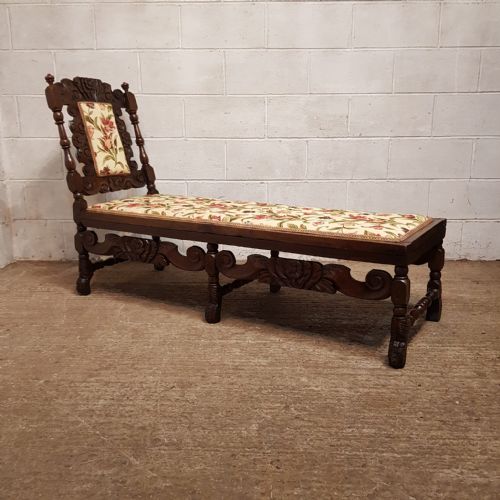


Edwardian Daybed
An Edwardian daybed combines the comfort of a sofa with the resting space of a bed, offering a versatile resting place for any room.
Edwardian Daybed
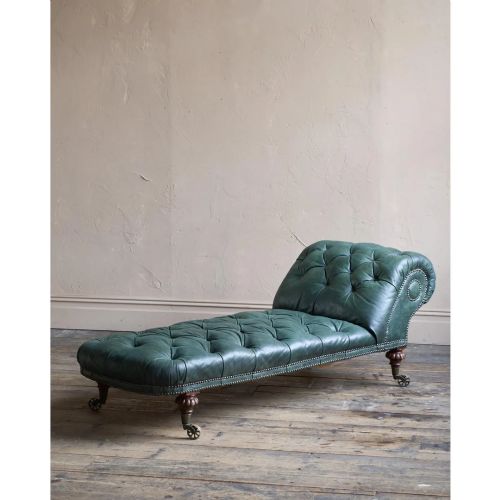
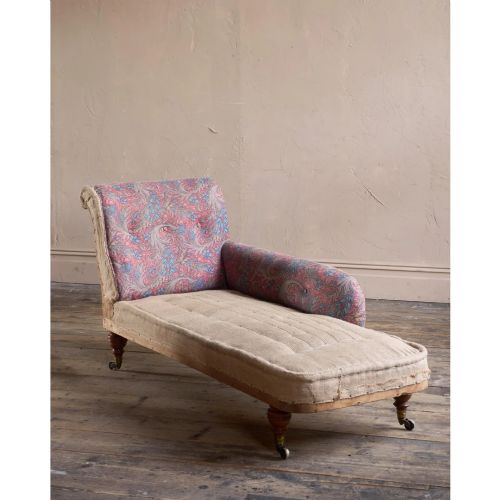
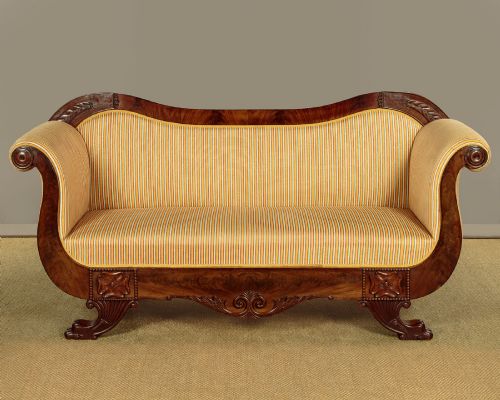
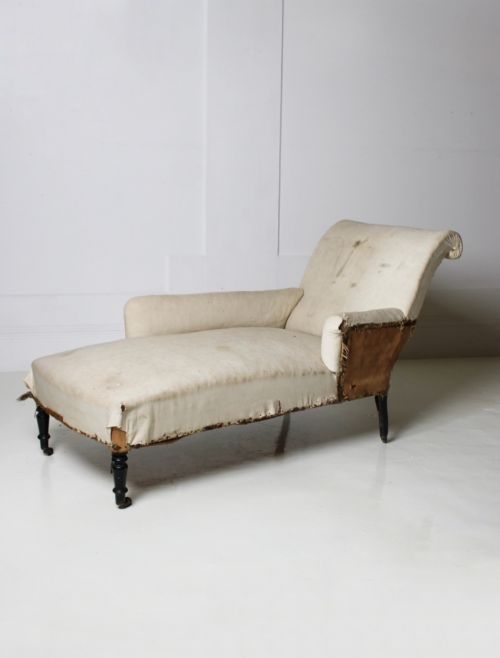
An edwardian daybed represents a practical fusion of seating and sleeping furniture, often appearing alongside related Victorian and 1920s examples on this page. These pieces frequently manifest as day beds, chaise longues, and ottomans, bridging the gap between formal salons and private bedrooms.
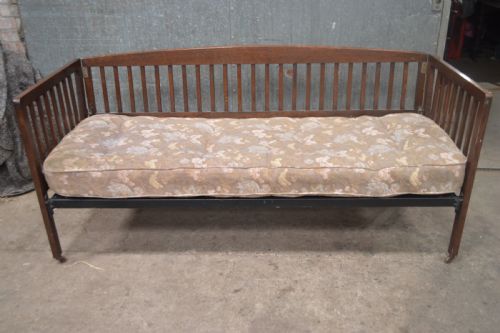
The selection here ranges from solid oak frames and walnut structures to campaign style pieces and folding mechanisms. Buyers will encounter both compact seating forms and larger extending daybeds suited for daily lounging.
Materials and construction
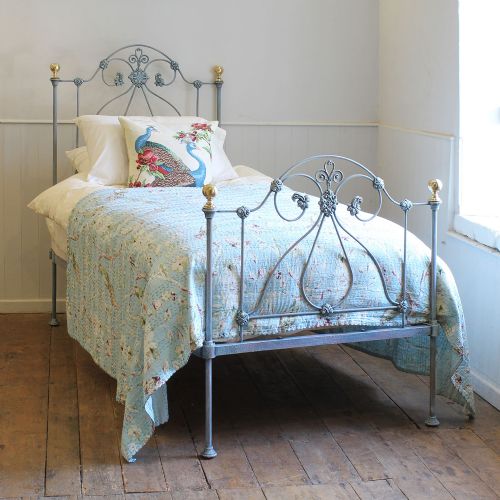
Timbers such as mahogany, oak, and walnut form the structural backbone of these daybeds, often shaped into solid frames or detailed with carved elements. Metal examples utilise brass and iron, sometimes combining both materials for single bed formats.
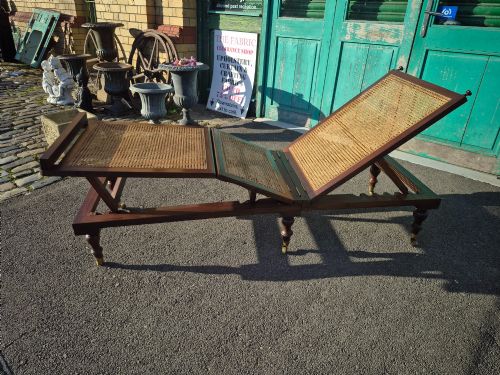
Upholstery relies on fabric, leather, velvet, and caning to provide comfort. Buttoning and gilt decoration appear on select models, whilst folding and reclining mechanisms introduce functional adaptability.
Listings feature woods like mahogany, oak, and walnut alongside brass and iron frames, upholstered in velvet, leather, and fabric.
What separates the best examples
The distinction between standard items and superior examples rests in the crispness of the timber carving, the integrity of the frame joints, and the authenticity of the materials. Maker attribution significantly elevates a piece, particularly when paired with original upholstery methods and undisturbed patina.
Secondary factors include the complexity of the mechanism, the quality of the brass or ironwork, and whether the timber frame retains its original finish without excessive intervention.
C. Hindley & Sons·Howard and Sons·William Birch·Hampton & Sons
The Edwardian Daybed Glossary
- Chaise longue
- An elongated chair designed for reclining, featuring a backrest and a single arm rest or none at all. It functions as an intermediate form between a chair and a daybed.
- Ottoman
- A low upholstered seat or bench without a back or arms, occasionally utilised in daybed formats for extended resting space.
- Bergere
- A type of enclosed upholstered armchair with wooden framing and cane panelling on the back and sides. It appears on French-inspired seating.
- Campaign style
- Furniture designed to be easily dismantled and transported, typically featuring metal reinforced corners and folding sections.
- Spindle back
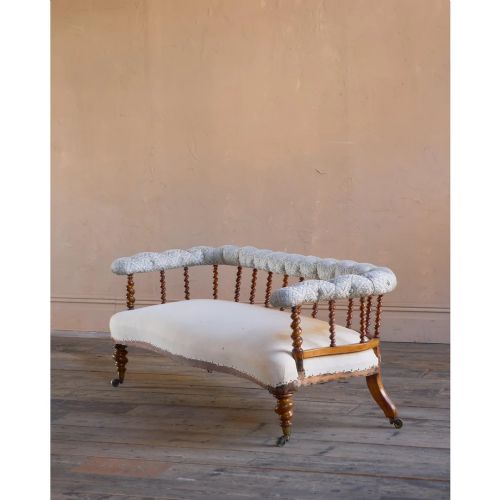
- A chair or sofa back constructed from vertical turned wooden rods. This design lightens the visual weight of heavy timber frames.
Edwardian Daybed: Frequently Asked Questions
Where should I place an edwardian daybed?
These pieces suit living rooms, large hallways, or studies where they provide daytime seating that doubles as an impromptu resting space.
Their finished backs allow them to sit away from walls, dividing larger spaces effectively.
How do edwardian daybeds differ from standard sofas?
A daybed is specifically proportioned for lying down fully, often featuring an asymmetric backrest or a single raised end rather than standard sofa armrests.
They bridge the functional gap between a single bed and a chaise longue.
Can I use an edwardian daybed for sleeping every night?
Whilst built with sturdy timber and metal frames, most historical daybeds are intended for occasional resting rather than heavy nightly use.
Modern mattress pads can improve comfort if utilised more frequently.
How do I identify an edwardian piece from a victorian one?
Edwardian frames generally display lighter proportions, simpler lines, and less heavy ornamentation than their Victorian predecessors.
Mahogany and oak are common, with designs leaning towards refined simplicity.