
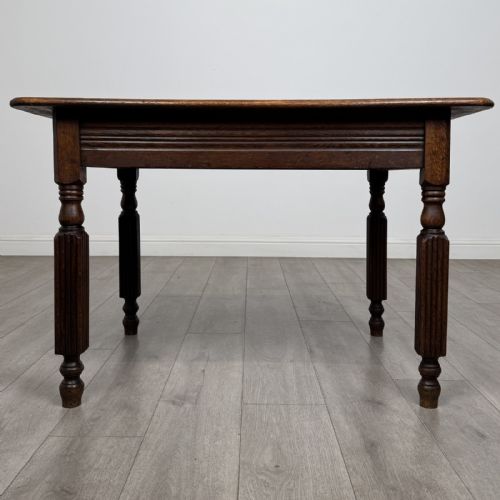
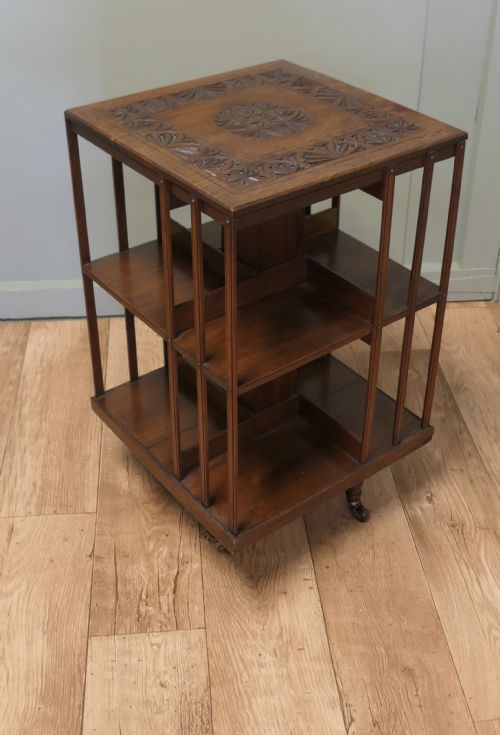
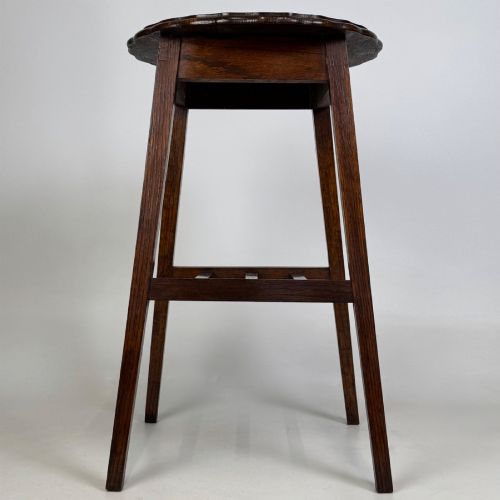
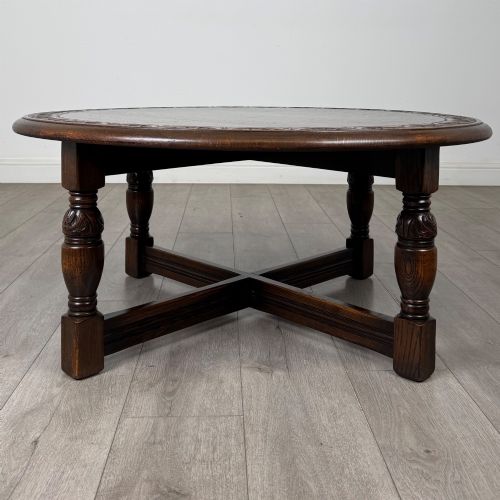

Edwardian Dark Oak Table
An edwardian dark oak table brings solid construction and rich grain into a room, spanning forms from draw leaf dining tables to compact side tables.
Edwardian Dark Oak Table
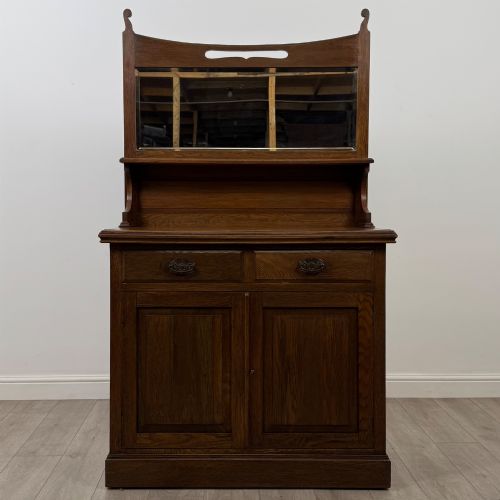
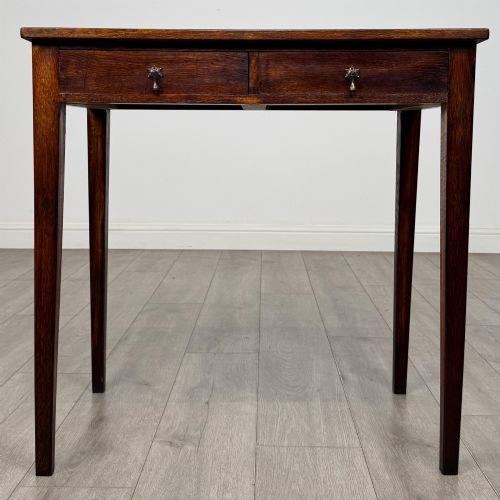
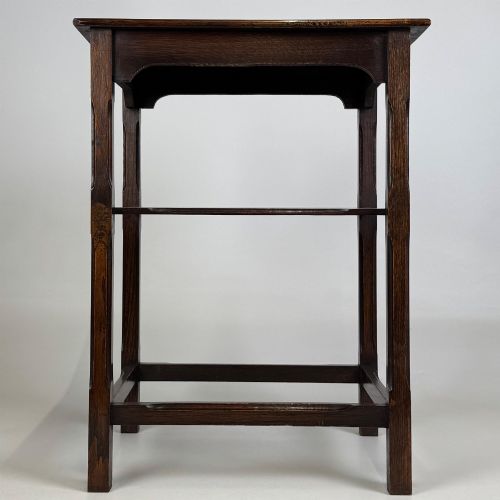
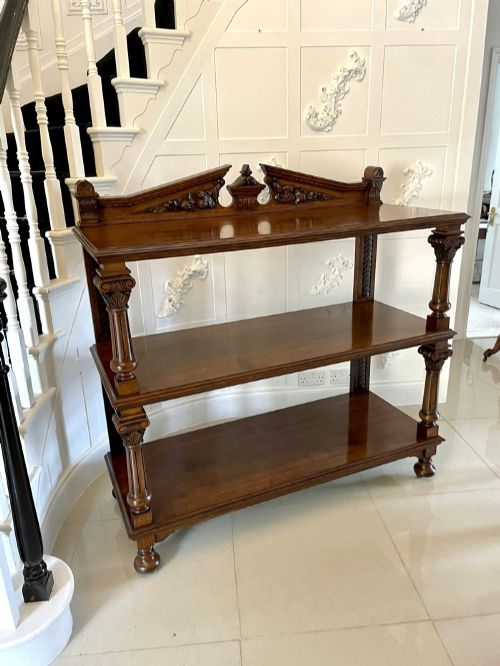
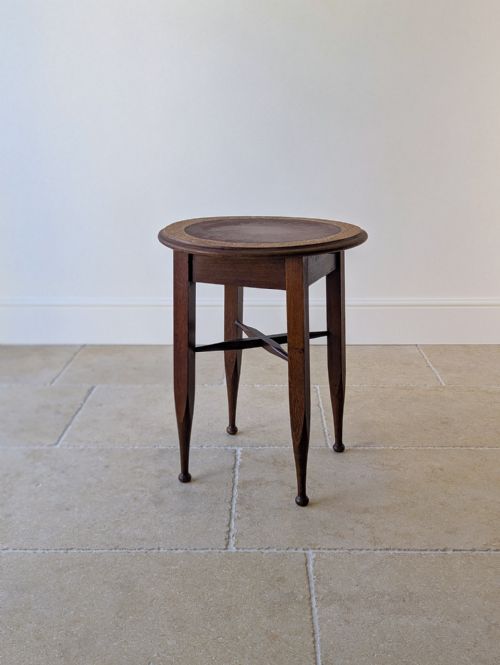
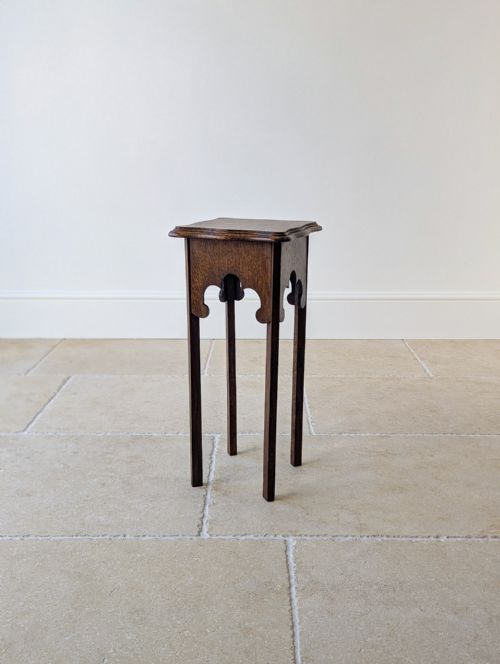
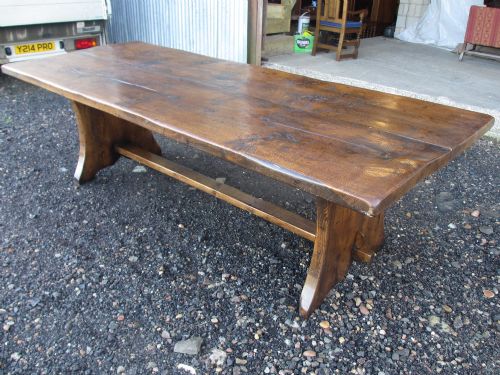
An edwardian dark oak table encompasses a broad assortment of domestic furniture designed around the turn of the twentieth century, appearing in domestic spaces as side tables, dining tables, and occasional furniture. Buyers searching this phrase meet everything from heavy refectory tables with shaped trestle ends to smaller side pieces and plant stands.
The material palette draws heavily on solid timber, occasionally complemented by brass, ceramic, or glass elements, reflecting the utility and aesthetic preferences of the period. Alongside pieces strictly from the Edwardian era, the selection includes related items from the late Victorian period and the early twentieth century.
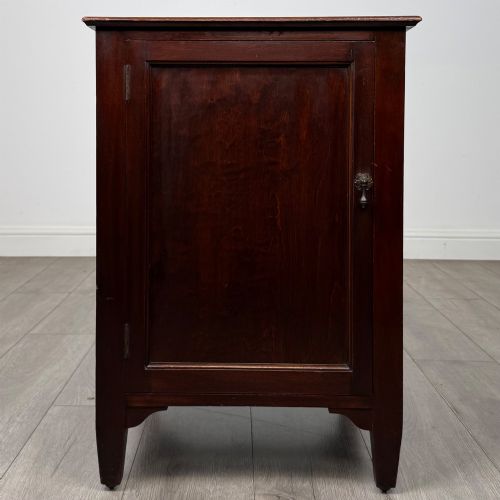
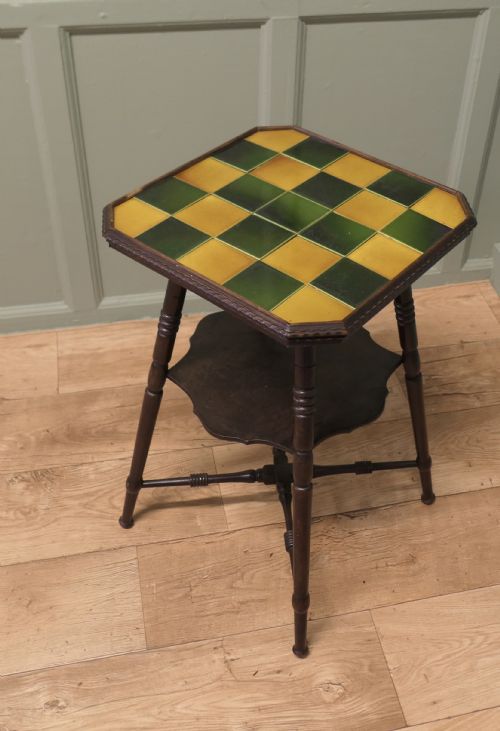
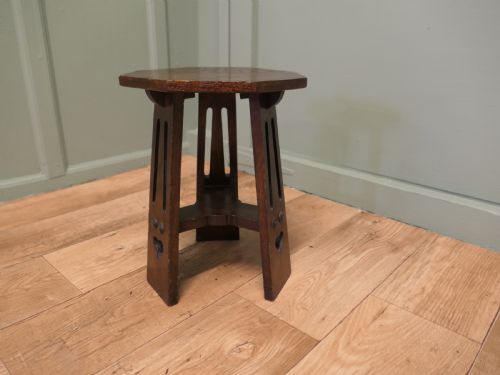
Forms span practical items for daily use, such as writing desks and bedside cabinets, alongside decorative items like tiled top tables and octagonal plant stands. This variety allows collectors to source items that suit both period interiors and modern settings requiring robust wooden furniture.
How they were made
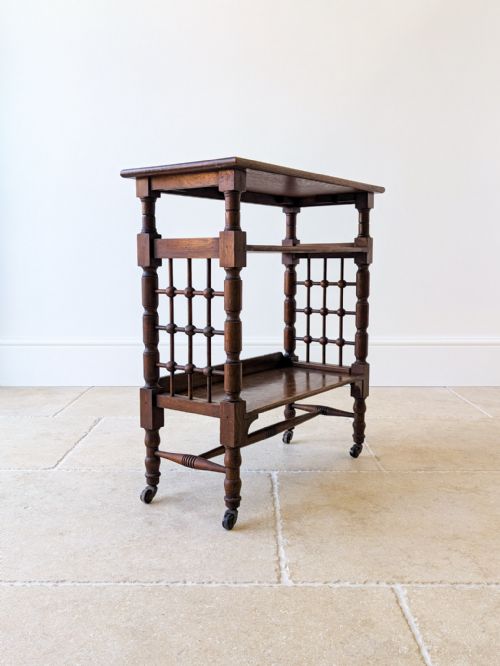
Makers utilised solid timber, frequently incorporating carved details, barley twist turnings, and shaped trestle ends to provide structural support and visual interest. Construction methods relied on traditional joinery techniques suited to heavy wood, ensuring longevity across dining tables, side tables, and desks.
Surface decoration varied from plain polished grain to wood inlay, tiled surfaces, and applied metal hardware in brass or iron. These additional materials highlight the influence of contemporary design movements like Arts and Crafts on standard cabinet making.
Several pieces include fitted spaces for shaving gear, reminding us that morning routines once involved considerable Victorian ceremony.
What varies in quality
Quality in these pieces is dictated by the depth of timber selection and the crispness of the carving, distinguishing standard commercial production from workshop pieces associated with notable retailers or designers. Heavier construction, such as solid refectory tables with well-balanced trestle ends, demonstrates superior structural ambition.
The integration of secondary materials like decorative tiles, chequered wood inlay, or brass hardware influences the overall distinction of a piece. Finer examples display careful attention to proportion and joinery detail that elevates functional furniture into notable design objects.
Shapland & Petter·Liberty & Co.·William Birch·G.H.& F.W. Bravington London
The Edwardian Dark Oak Table Glossary
- Draw Leaf
- A dining table construction featuring sliding leaves stored beneath the main top that pull out to extend the surface. This mechanism allows the table to accommodate more diners without requiring separate loose leaves.
- Refectory Table
- A long, narrow dining table traditionally used in communal halls and later adapted for domestic dining rooms. They typically feature sturdy legs connected by stretchers or shaped trestle ends.
- Barley Twist
- A decorative turning technique resembling a spiral rope, frequently seen on the legs of side tables and stands. This style gained popularity during revival periods drawing on seventeenth-century motifs.
- Tiled Top
- A table surface inset with ceramic tiles, often decorated with floral or geometric patterns. This feature protects the wood from hot dishes or plant moisture and characterises much Arts and Crafts furniture.
- Gateleg Table
- A drop-leaf table where the legs swing out on a gate-like framework to support the hinged leaves. It offers flexible surface space that folds down when not in use.
Edwardian Dark Oak Table: Frequently Asked Questions
How do I identify an Edwardian oak table?
Edwardian oak tables generally date from the period between eighteen ninety-nine and nineteen ten, often displaying lighter or darker brown tones depending on the finish applied. Look at the construction methods and any hardware used for clues to the manufacturing era.
Many pieces show influences from earlier styles like Jacobean Revival or Arts and Crafts, blending traditional heavy timber with simplified forms suited to twentieth-century homes.
What is a draw leaf dining table?
A draw leaf table is designed with leaves tucked underneath the primary top surface that pull outward to extend the length of the table. This system provides a practical way to expand seating capacity for meals.
The mechanism allows the surface to remain stable while offering flexibility for different room layouts and dining numbers.
Where were plant stands used?
Plant stands and jardiniere stands served as decorative furniture items in Edwardian hallways, living rooms, and parlours to display potted ferns and flowering plants. They brought natural greenery into domestic interiors at a time when indoor horticulture was popular.
These stands often feature octagonal tops, two-tier shelves, or tiled surfaces designed to handle moisture from plant pots.
How do I care for dark oak furniture?
Maintaining dark oak involves keeping the timber away from direct heat sources and strong sunlight to prevent the wood from drying out or fading. Regular dusting with a soft cloth preserves the polished finish.
Application of appropriate wax polish helps nourish the grain and protects the surface against everyday wear.