
Edwardian Dark Oak Furniture
Edwardian dark oak furniture brings together the robust craftsmanship of the early twentieth century and the honest utility of domestic interiors.
Edwardian Dark Oak Furniture
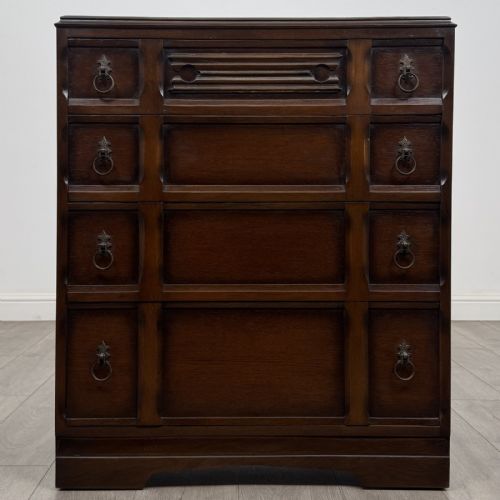
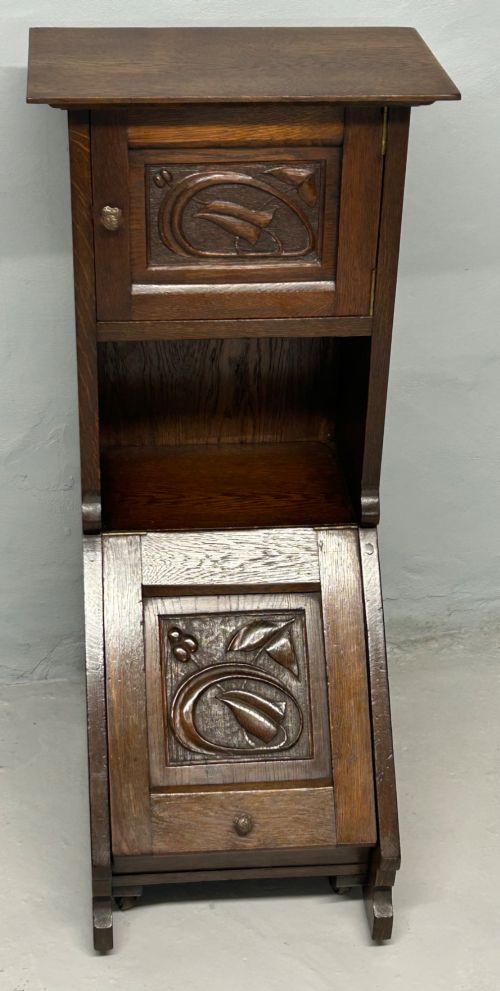
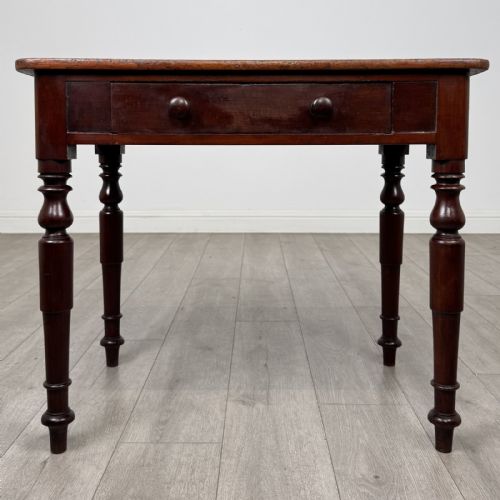
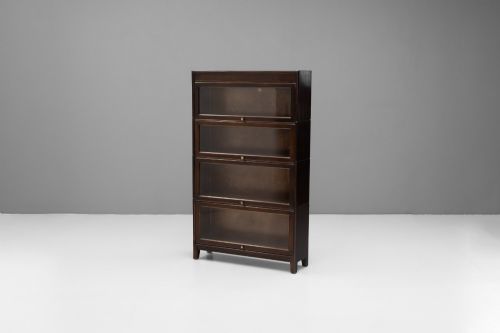
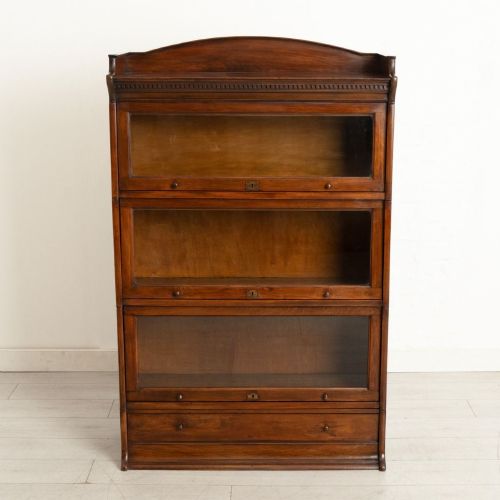
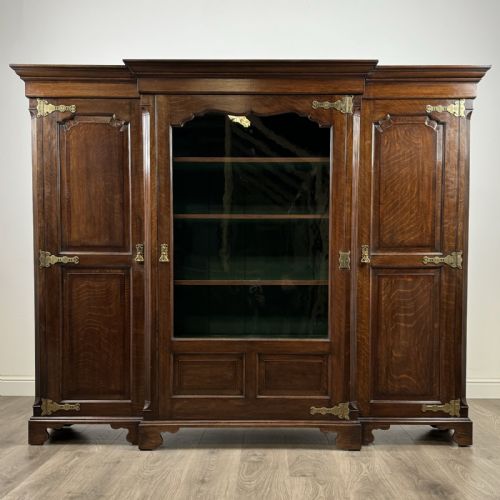
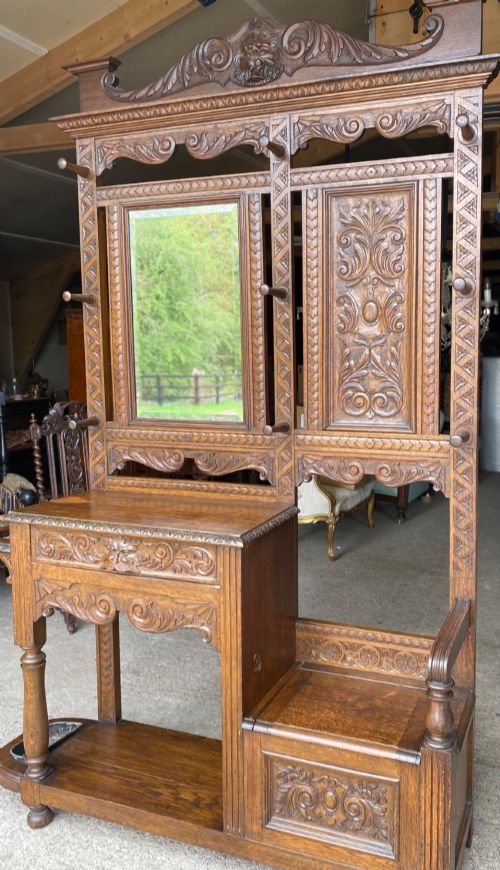
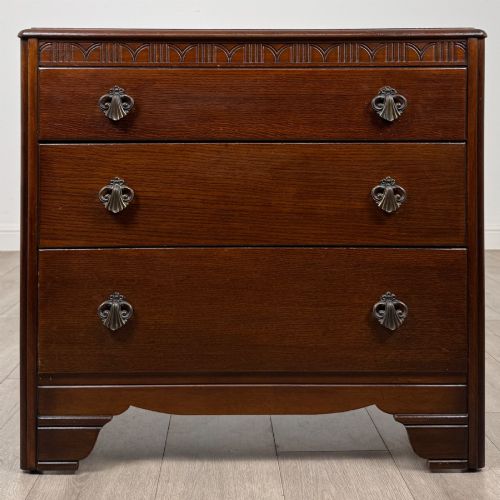
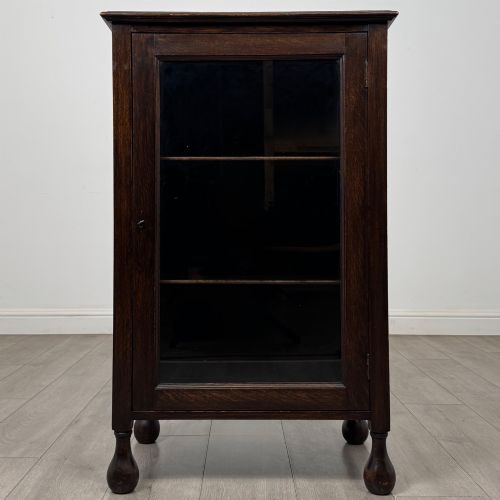
Edwardian dark oak furniture encompasses practical domestic items built around the turn of the twentieth century, alongside pieces carrying influences from the late nineteenth century. Bookcases, side tables, hall stands, and chests of drawers dominate the selections available to buyers.
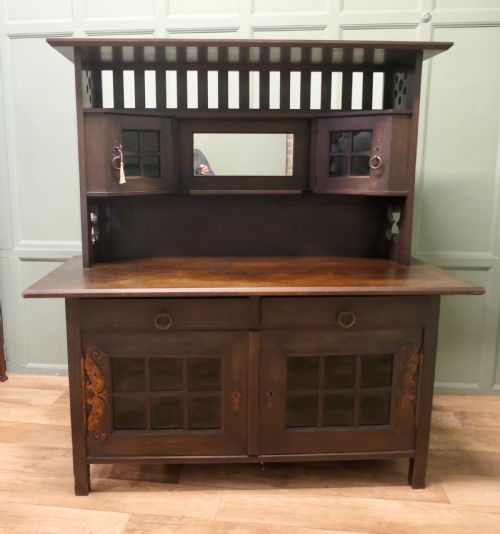
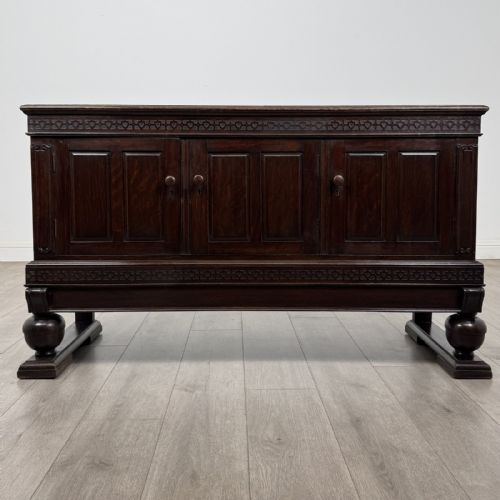
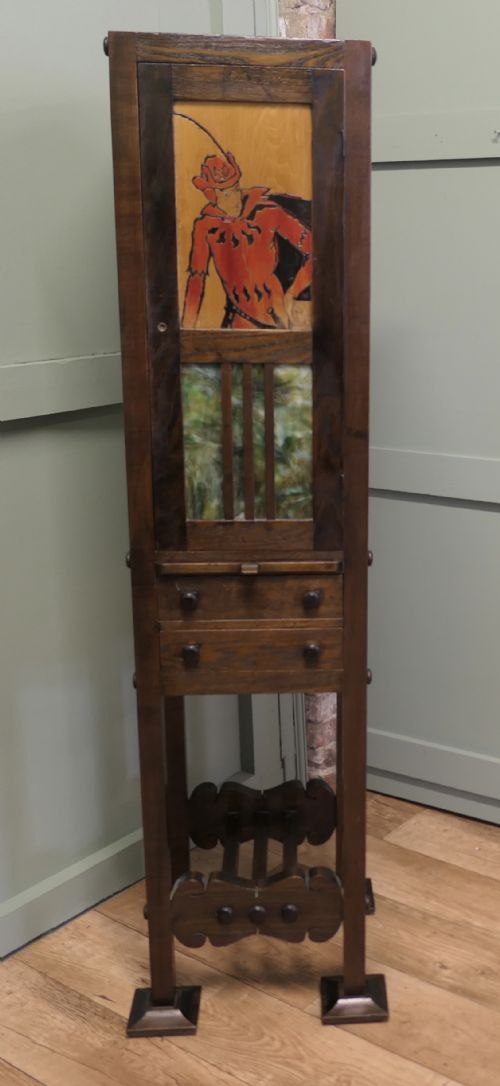
The aesthetic bridges formal Victorian design and the simpler lines championed by the Arts and Crafts movement. Sideboards, occasional tables, and umbrella stands frequently display the deep tones and pronounced grain characteristic of mature oak timber.
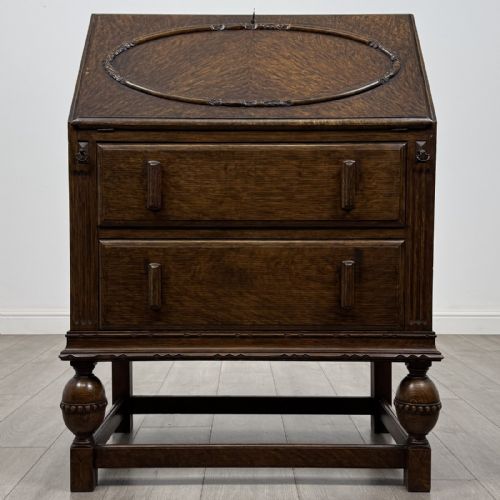
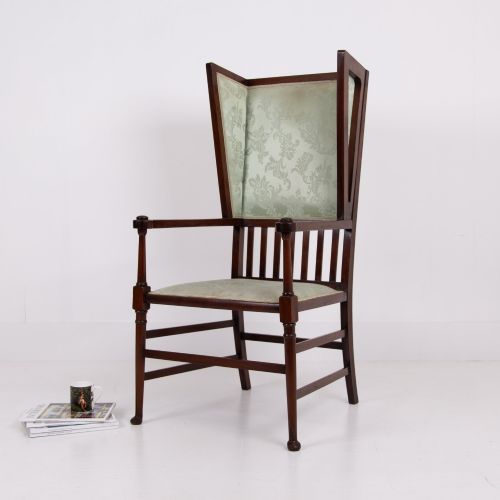
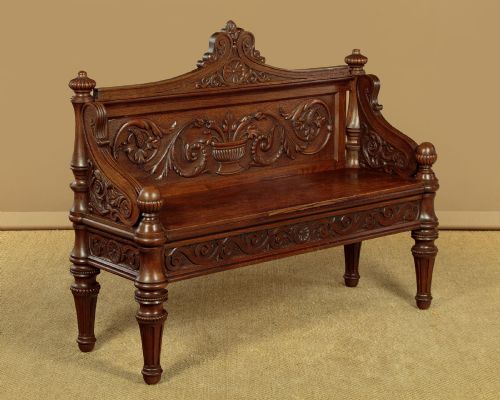
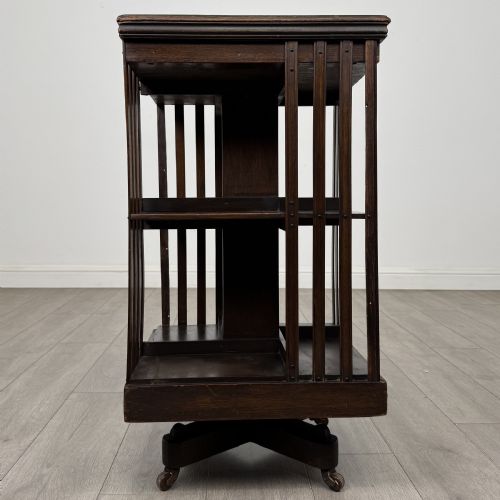
Buyers will encounter functional storage items such as bureaus, cupboards, and revolving bookcases alongside seating pieces like benches and hall seats. These items served busy hallways, libraries, and parlours, combining heavy timber construction with everyday utility.
Factors influencing quality and craftsmanship
The distinction between standard commercial output and superior workshop production lies in the selection of timber and the precision of the joinery. Pieces carrying documented attribution to notable design houses display more considered proportions and refined carving.
Hardware selection and secondary detailing also separate utilitarian items from finer examples. Solid brass mounts, well-executed wood inlay, and integrated ceramic elements demonstrate a higher level of individual maker commitment.
Materials appearing alongside solid oak include brass, cast iron, ceramic inserts, and decorative wood inlay.
Shapland & Petter·GM Elwood·JS Henry·Liberty Design·Liberty & Co·William Birch
The Edwardian Dark Oak Furniture Glossary
- Arts and Crafts
- A design movement that prioritised traditional craftsmanship, simple forms, and visible construction over industrial ornamentation. This ethos shaped many domestic oak items produced around nineteen hundred.
- Draw Leaf Table
- A dining table equipped with sliding leaves tucked beneath the main top, which pull out to extend the surface length. Edwardian examples often utilise solid oak for both top and leaves.
- Revolving Bookcase
- A compact, rotating shelving unit designed to sit on a floor or table for easy access to volumes. Large oak versions were popular in Edwardian libraries and studies.
- Tambour Door
- A flexible shutter formed of narrow slats of wood glued to canvas, running in grooves to slide open smoothly. This mechanism appeared on oak cabinets and desks of the early twentieth century.
- Jardiniere Stand
- A tall, slender piece of furniture designed to display a potted plant or flower bowl. These stands frequently incorporated multiple tiers and shaped surfaces.
Edwardian Dark Oak Furniture: Frequently Asked Questions
What defines Edwardian dark oak furniture?
Edwardian dark oak furniture comprises domestic items produced roughly between eighteen hundred ninety and nineteen hundred twenty, reflecting both late Victorian heaviness and Arts and Crafts simplicity.
These pieces prioritise utility and solid construction, using mature oak timber across forms ranging from hall stands to bookcases and sideboards.
How do I identify an Arts and Crafts piece?
Arts and Crafts pieces are characterised by honest construction, minimal ornamentation, and a focus on natural materials. They often feature exposed joinery, hand-carved motifs, or functional additions such as brass fittings and tiled tops.
Associated workshops and designers frequently produced items like plant stands, music cabinets, and occasional tables with distinct geometric simplicity.
Where were these pieces used in the home?
These furnishings served hardworking areas of the Edwardian household, particularly hallways, libraries, dining rooms, and parlours. Hall stands, umbrella holders, and luggage racks kept entryways orderly.
Meanwhile, bookcases, bureau desks, and heavy chests of drawers provided essential storage for domestic paperwork, books, and clothing.
How should I care for dark oak surfaces?
Dark oak surfaces benefit from minimal intervention, typically requiring only gentle dusting with a dry or slightly damp cloth. Regular applications of appropriate wax help maintain the lustre of the timber without building up heavy residues.
Placement away from direct heat sources and strong sunlight preserves the rich colour and prevents the wood from drying out.