


Edwardian Cut Crystal Dish
When you handle an Edwardian cut crystal dish, you hold a piece designed to catch the light on a dressing table or dining sideboard.
Edwardian Cut Crystal Dish
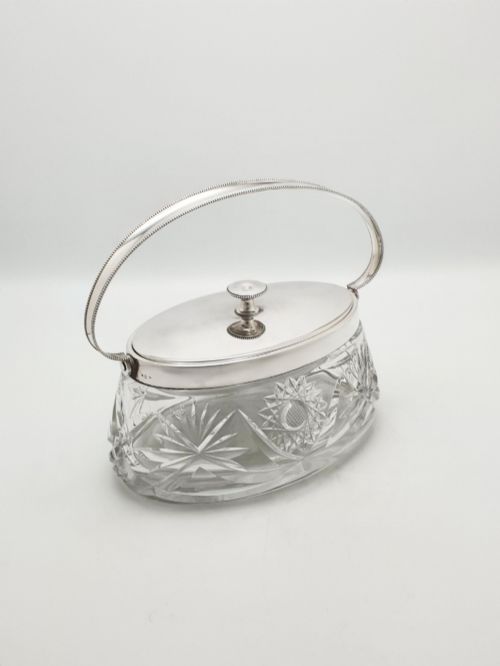
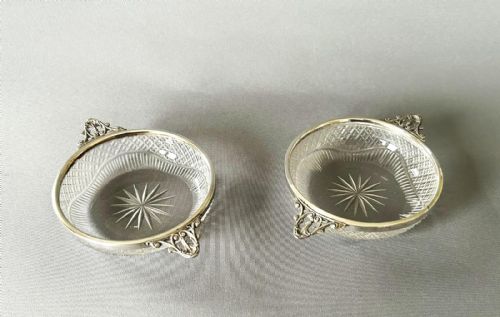
An Edwardian cut crystal dish brings together the heavy refractive qualities of lead crystal and glass with forms ranging from fruit bowls and trinket dishes to butter dishes and relishes. These items emerge predominantly from the Edwardian period and the early twentieth century, alongside related Victorian and nineteenth-century examples that share the same utilitarian elegance.
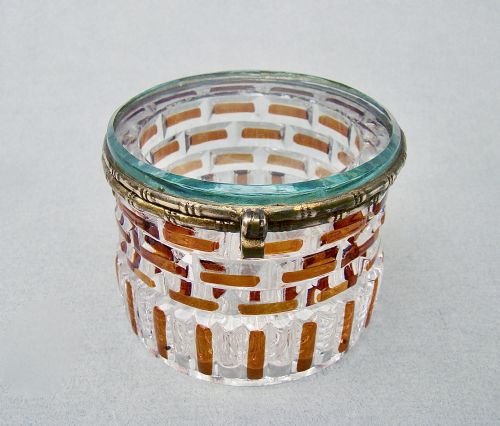
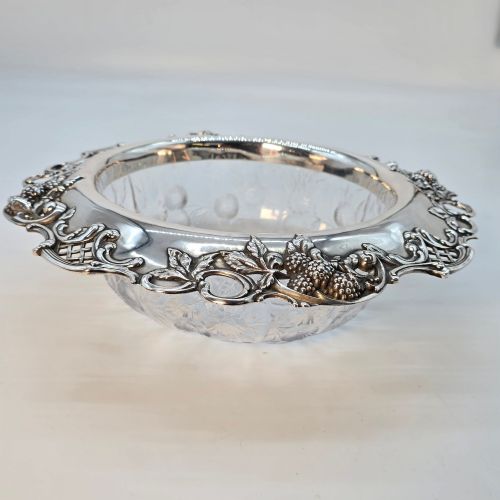
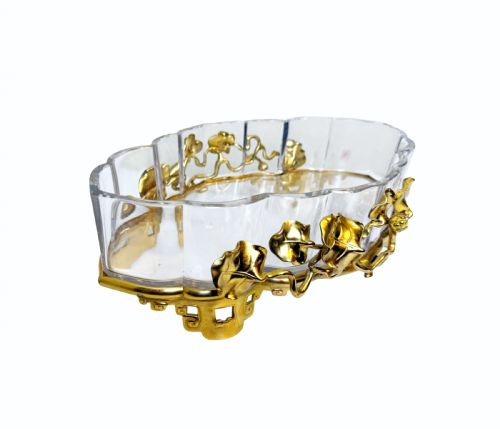
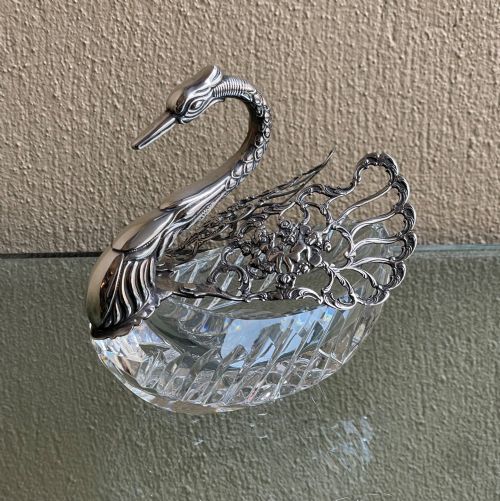
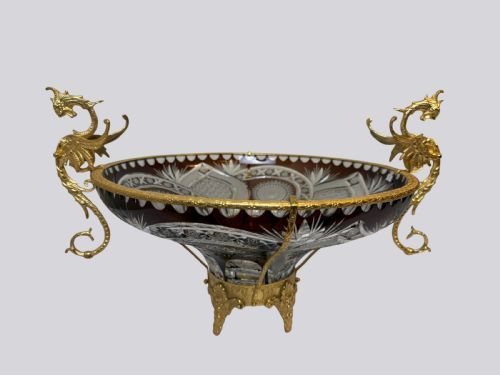
The version you meet most often on this page is the smaller trinket dish or box, frequently mounted with silver plate, sterling silver, or brass mounts. Larger fruit bowls and centrepiece bowls also appear, sometimes paired with gilt bronze frames or swing handles.
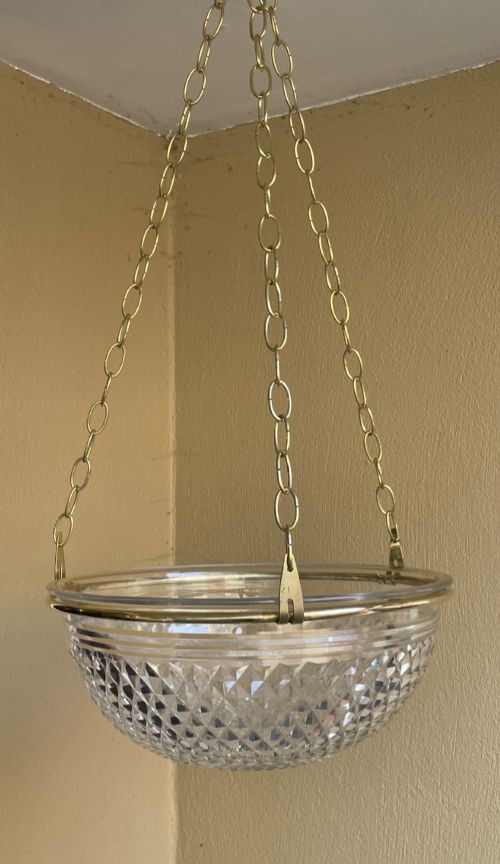
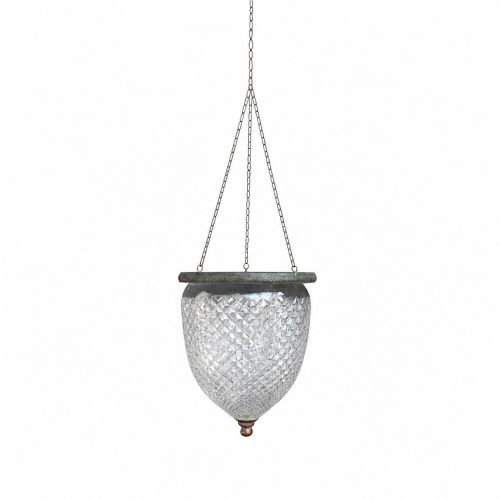
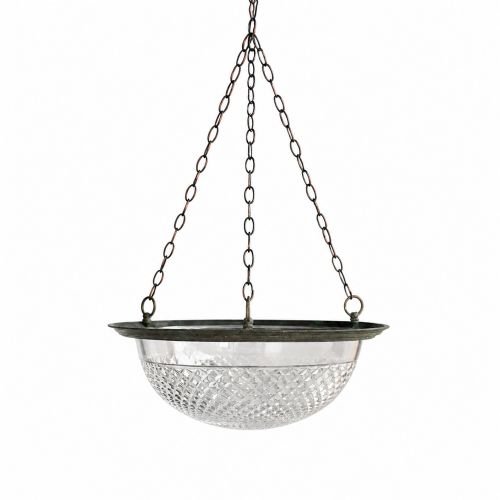
Makers and origins stretch across English workshops and continental houses, bringing varied decorative vocabularies to the table. Beyond simple dishes, the broader category encompasses related forms like plafonnier ceiling lights, biscuit barrels, and potpourri baskets.
Assessing Quality
Quality rests in the crispness of the glass cutting and the weight of the crystal vessel. Deeper, sharper facets throw clearer light and demonstrate greater skill from the cutter than shallow, rounded impressions.
The integration between the glass and its metal mount distinguishes standard production from finer pieces. Substantial sterling silver mounts, robust hinges, and well-cast gilt bronze frames elevate an object far beyond basic silver plate and glass combinations.
Periods represented on this page stretch from nineteenth-century Victorian designs through Edwardian productions into the mid-twentieth century.
Tiffany and Co·William Comyns
The Edwardian Cut Crystal Dish Glossary
- Lead crystal
- Glass containing a proportion of lead oxide that increases density, weight, and the dispersion of light. This material allows for deep, sharp wheel-cutting.
- Plafonnier
- A ceiling-mounted bowl light fitting. These fixtures direct illumination downward through textured or cut glass surfaces.
- Gilt bronze
- Bronze treated with a gold coating or wash, often used for decorative frames and mounts on centrepieces. It provides a warm metallic contrast to clear crystal.
- Sterling silver
- An alloy of silver containing 92.5 percent pure silver and 7.5 percent other metals. It appears frequently in the rims, lids, and swing handles of dishes.
Edwardian Cut Crystal Dish: Frequently Asked Questions
How were these dishes used?
These pieces served practical roles on dining tables and dressing surfaces, holding items like butter, fruit, sweets, and small trinkets.
Fitted versions with metal lids and handles also functioned as portable relish caddies, biscuit barrels, and potpourri baskets.
How do I clean cut crystal?
Wash the glass gently in lukewarm water using mild detergent and a soft cloth to avoid scratching the surface.
Keep abrasive pads away from any attached silver or gilt bronze mounts to preserve the integrity of the metal.
Are these pieces English or continental?
The selection includes both English items from workshops in cities like London alongside continental pieces from French and German houses.
Silver hallmarks on the mounts often clarify the geographic origin and exact production year of the piece.
How can I tell Edwardian from Victorian pieces?
Edwardian items tend to lean towards lighter, airier interpretations influenced by contemporary taste, while Victorian examples often feature heavier, more ornate proportions.
Stylistic markers like Jugendstil or Art Nouveau motifs further help place a piece closer to the turn of the century.