
Edwardian Cupboard Cabinet
The edwardian cupboard cabinet unites practical storage with refined proportions, offering collectors versatile timber pieces designed for daily use.
Edwardian Cupboard Cabinet
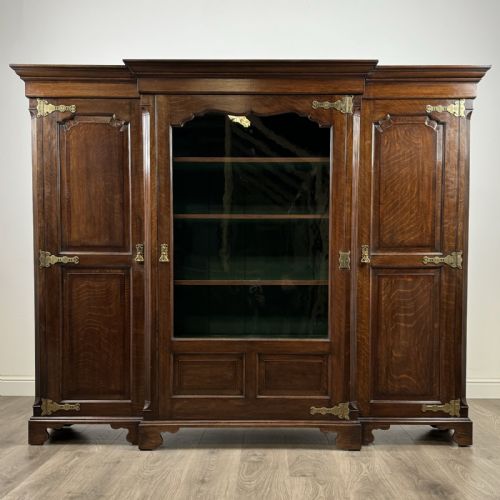
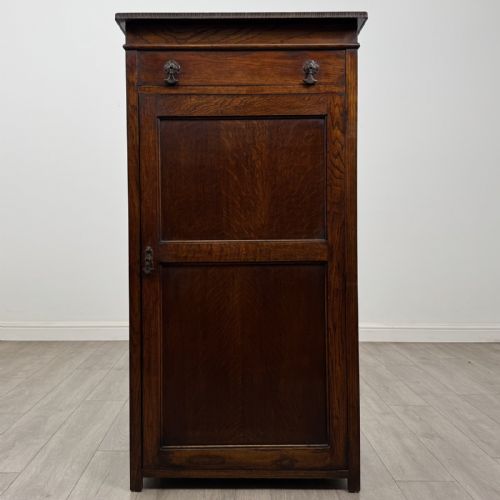
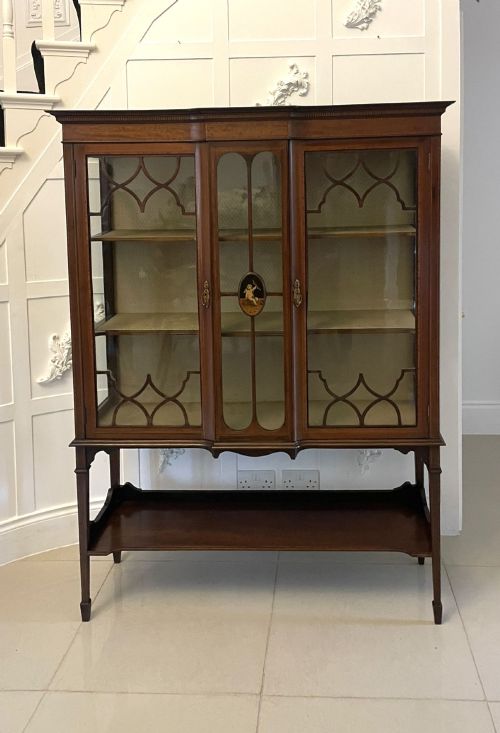
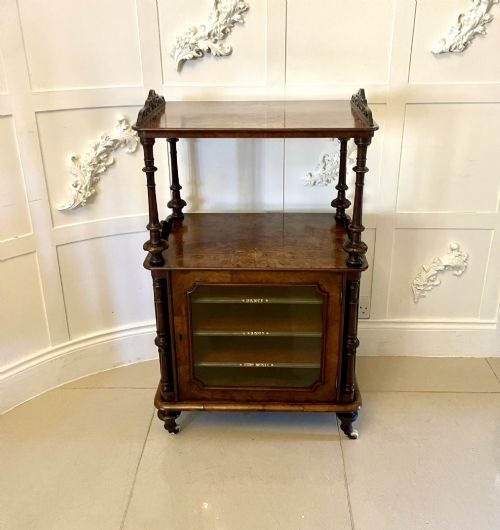
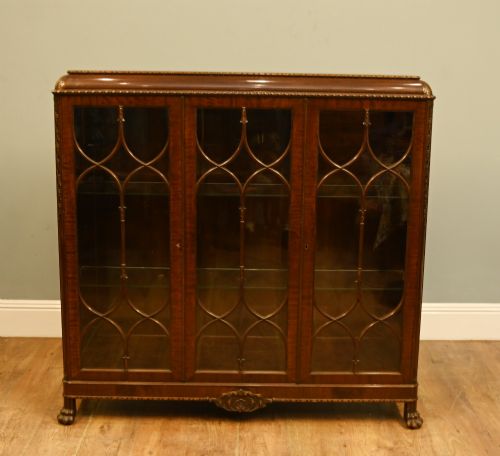
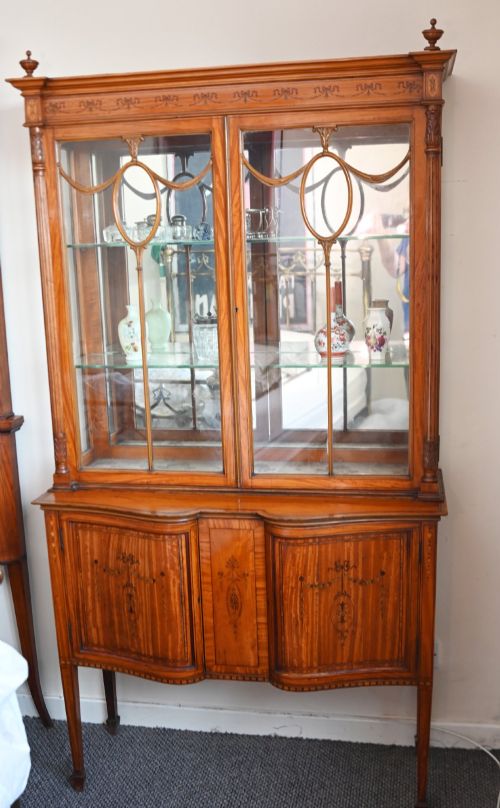
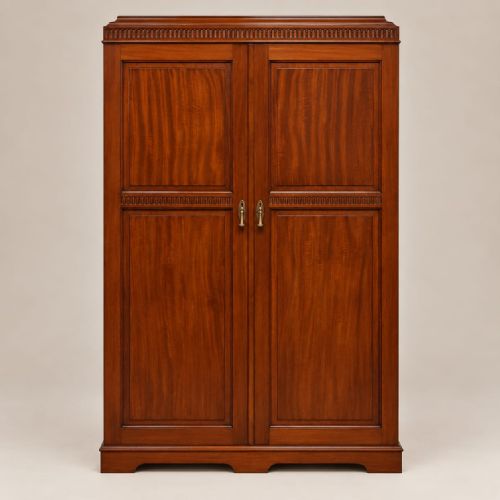
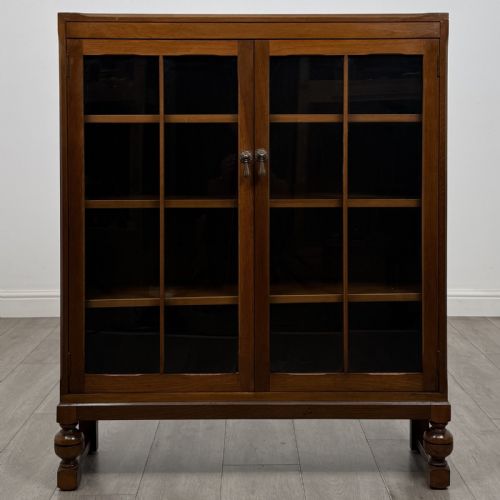
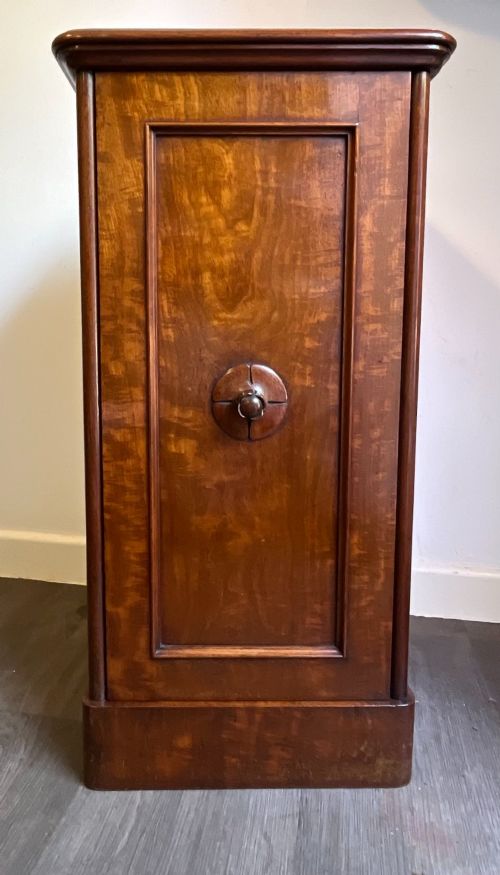
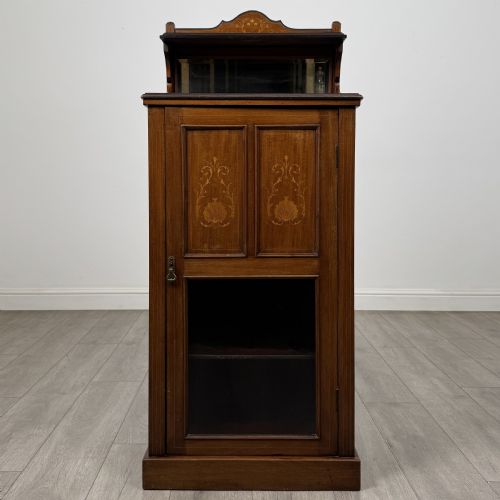
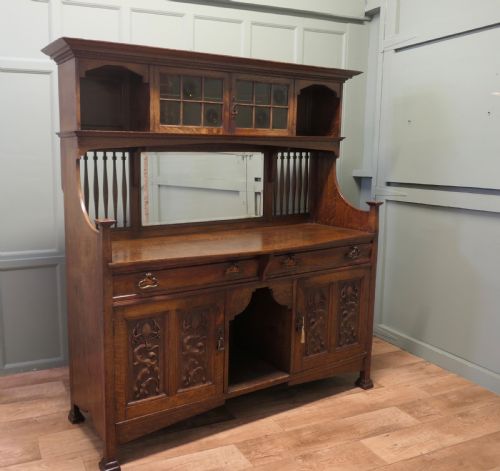
An edwardian cupboard cabinet serves multiple domestic functions, appearing as bedside tables, music cabinets, tallboys, and display cases across the domestic interior. Pieces from this period frequently draw upon earlier design vocabularies like Sheraton Revival, alongside newer movements such as Arts and Crafts and Art Nouveau.
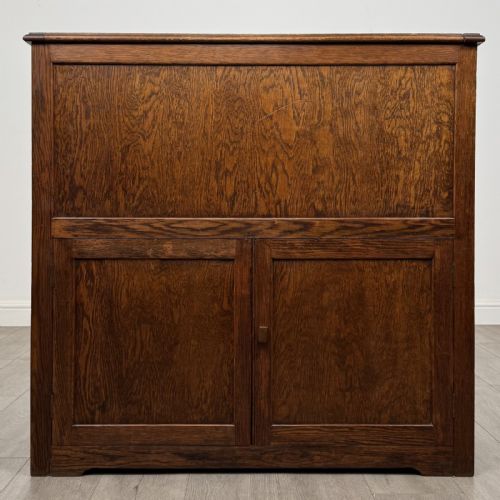
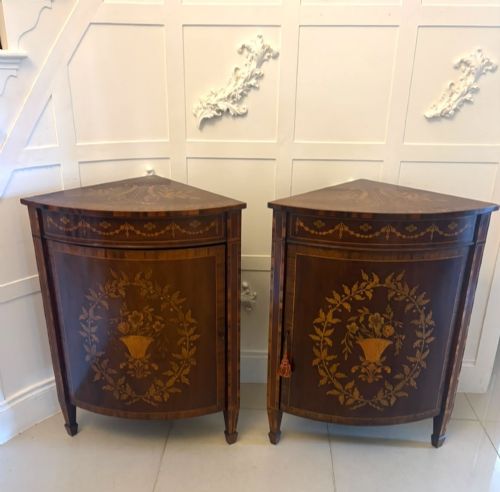
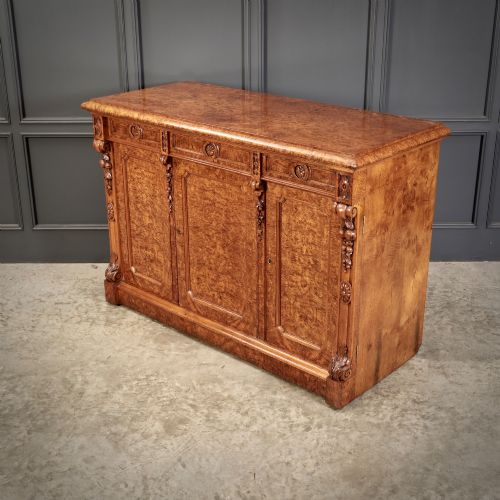
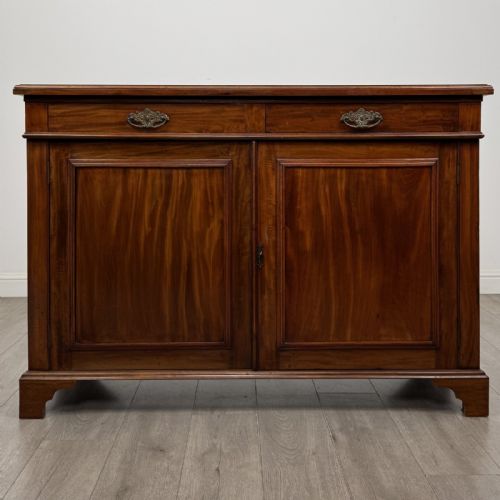
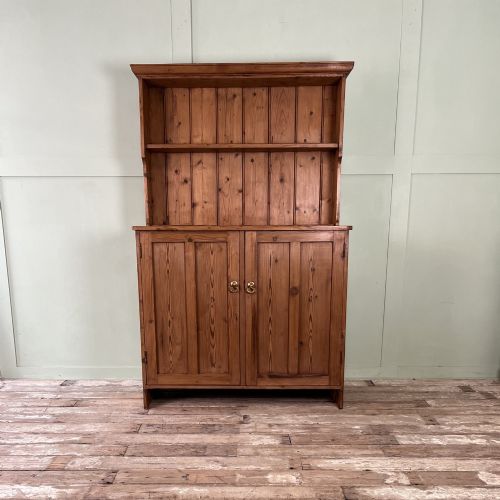
Buyers encounter solid oak and mahogany pieces alongside lighter satinwood and walnut models, often fitted with glass doors, internal shelving, or panelled cupboards. These domestic storage items range from wall-hanging corner cupboards to substantial wardrobes and sideboards produced around the turn of the twentieth century.
Materials and Construction
Cabinet makers utilised dense hardwoods like mahogany and oak for structural integrity, frequently incorporating satinwood, walnut, and harewood for visible exterior surfaces. Inlays in contrasting timbers and delicate brass fittings provide ornamental detail without compromising utility.
Construction techniques combine traditional joinery with period machinery, utilising glazed panels for display sections and carved ornamentation on stylistic revival pieces. Surfaces often feature polished finishes that highlight the natural grain of the timber.
Listings demonstrate a strong preference for oak and mahogany, complemented by satinwood inlay and period brass hardware.
Assessing Craftsmanship
Quality rests on the selection of timber veneers, the precision of marquetry inlay, and the retention of original brass hardware and glass. Pieces bearing maker stamps or attribution to notable workshops reflect higher standards of design and execution.
Structural soundness in joints, smoothly operating drawers, and well-fitted doors distinguish finer examples from standard utility items produced in volume during the period.
GM Elwood for JS Henry·Waring and Gillow·Howard and Sons·Shoolbred and Co·maples and co
The Edwardian Cupboard Cabinet Glossary
- Sheraton Revival
- A design style popular in the late nineteenth and early twentieth centuries that reinterprets eighteenth-century neoclassical motifs. It relies on symmetrical forms and delicate satinwood inlay.
- Pot Cupboard
- A small bedside cabinet originally designed to house a chamber pot. These compact units typically feature a single door and a small internal shelf.
- Music Cabinet
- A specialised storage piece fitted with internal shelving or drop-front drawers designed to hold sheet music. They often include glazed or panelled doors.
- Marquetry
- The art of applying decorative pieces of veneer to a structure to form ornamental patterns. Makers used contrasting woods to create floral or geometric designs.
- Tallboy
- A tall chest of drawers or cupboard standing higher than a standard chest. This form maximises vertical storage space in bedrooms.
Edwardian Cupboard Cabinet: Frequently Asked Questions
How were these cabinets used originally?
These pieces served diverse functions around the Edwardian home, acting as bedside storage for personal items, housing sheet music in the parlour, or displaying china in the drawing room. Their adaptable interiors accommodated the specific domestic requirements of the household.
Larger variants provided wardrobe space or hallway storage for garments and hats, while smaller hanging versions maximised floor space in compact rooms.
Where should I place an edwardian cupboard cabinet?
Bedside models suit modern bedrooms as functional tables with enclosed storage, while corner cabinets utilise neglected wall space in hallways or dining rooms. Display versions work well in living areas to showcase collections behind glass.
Matching the wood tone to existing interior furniture helps integrate these period pieces into contemporary rooms without overwhelming the space.
How do I distinguish Edwardian from Victorian cabinets?
Edwardian pieces generally exhibit lighter proportions, brighter wood tones like satinwood, and restrained inlay work influenced by the Sheraton Revival style. Victorian equivalents tend to be heavier, employing darker mahogany or burr walnut with denser carved ornamentation.
Arts and Crafts examples from the turn of the century emphasise honest construction and exposed joinery over applied surface decoration.
Are these cabinets suitable for daily use?
Solid timber construction and robust joinery make these cabinets well-suited for everyday storage requirements in modern settings. Their interior dimensions accommodate contemporary books, table linen, and personal accessories.
Routine care involving gentle polishing and protection from direct sunlight preserves the original wood finishes and moving parts.