


Edwardian Country Scene
When you seek an edwardian country scene, you find painted records of rural life that bring a quiet pastoral atmosphere into a room.
Edwardian Country Scene
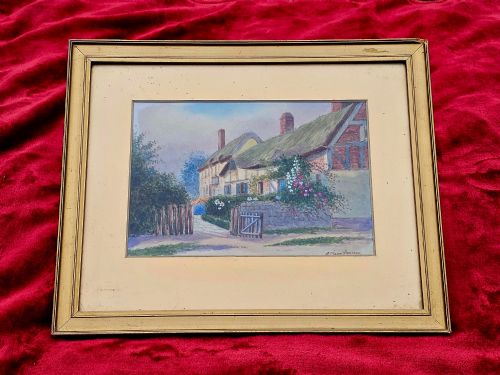
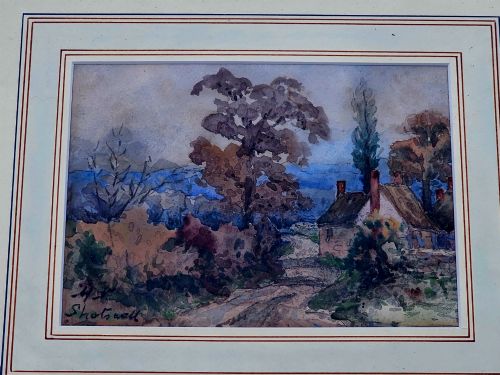
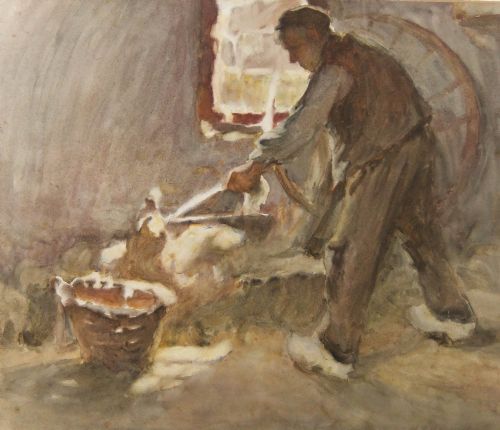
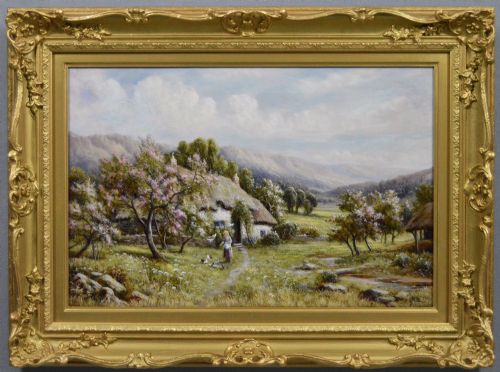
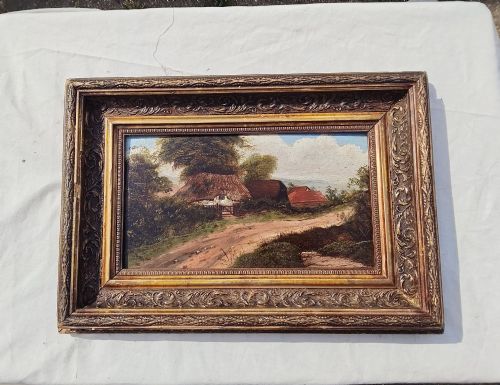
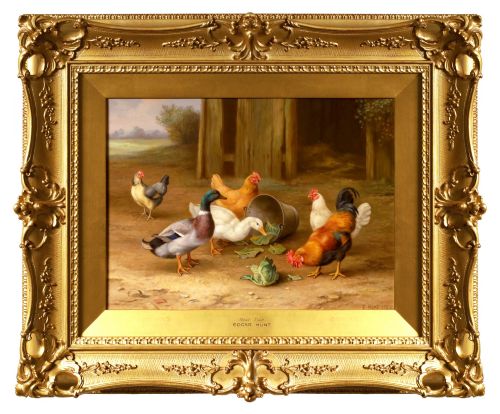
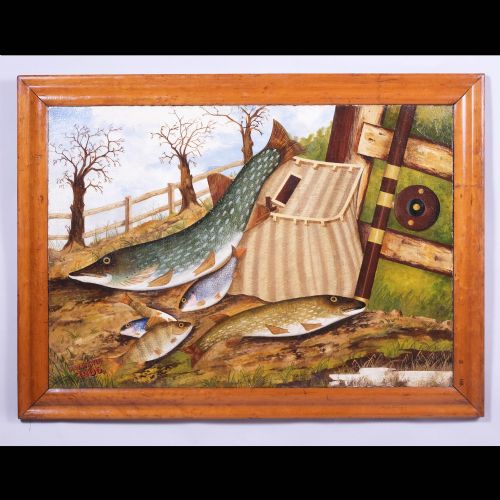
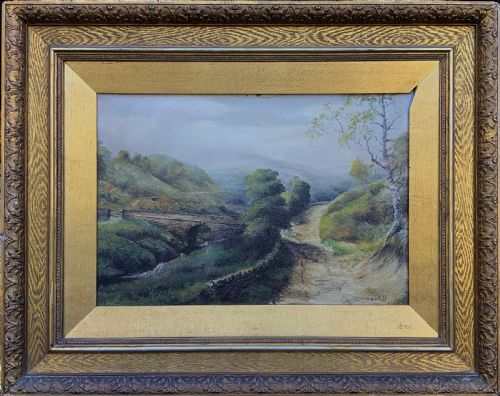
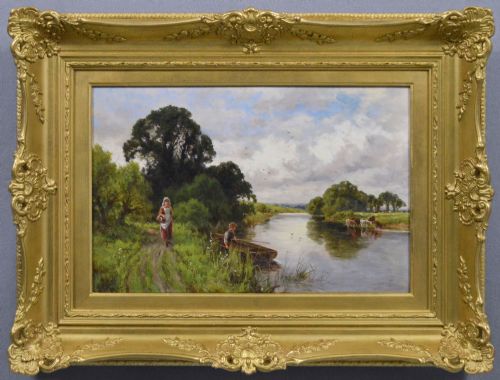
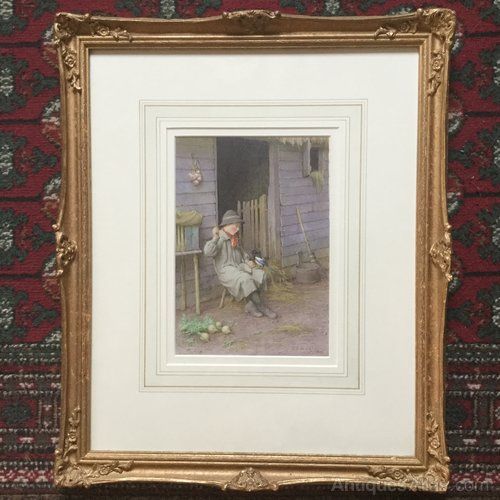
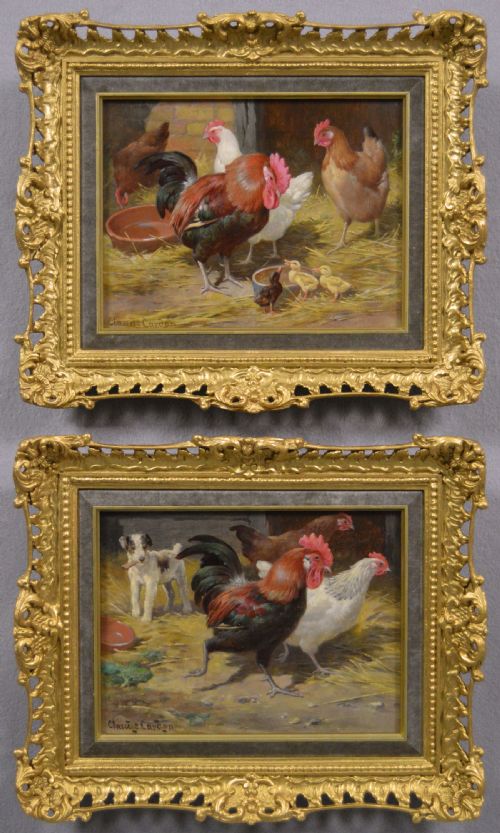
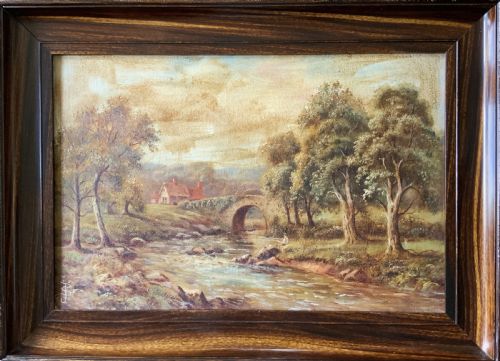
An edwardian country scene captures rural life, farming communities, and quiet landscapes across the British countryside during the late nineteenth and early twentieth centuries. These works frequently depict thatched cottages, riverbanks, farmyard animals, and figures labouring in fields.
The selections on this page span from the Victorian era into the 1930s, reflecting shifts in British realism and impressionism. Watercolours and oil paintings dominate the visual record, alongside framed prints and occasional painted glass.
Rural landscapes and domestic farmyard settings form the core of what is available, offering direct glimpses into historical rural habits. Each piece preserves a specific locality, from Devon streams to Welsh valleys and northern moorlands.
Materials and technique
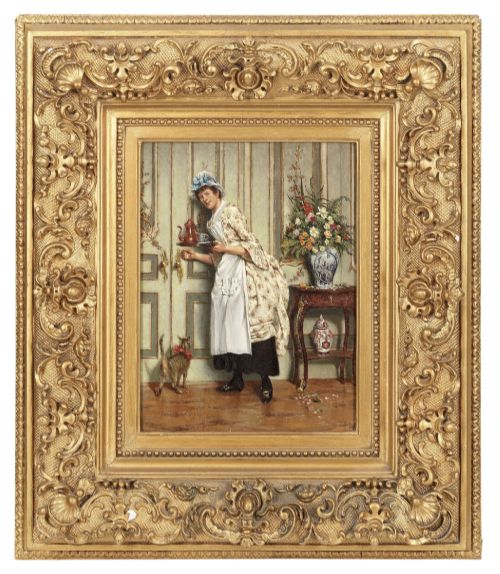
Painters relied primarily on oil paint on canvas or board, and watercolours on paper, capturing light and atmosphere with varied brushwork. Giltwood frames frequently house these works, providing a traditional border that suits the period.
Draftsmanship ranges from loose impressionistic washes to tightly rendered realist details of livestock and architecture. Support materials include paper, card, and stretched canvas, matched to the specific demands of watercolour or oil.
Scenes frequently capture specific rural regions across Britain, including Devon, Cornwall, and Yorkshire.
Factors separating tiers of quality
The skill in capturing natural light, shadow, and movement distinguishes exceptional works from standard decorative pieces. Mastery over anatomical accuracy in animals and human figures elevates individual compositions.
Context and provenance matter, particularly when an artist establishes a distinct regional observation or exhibits a firm grasp of British impressionism. The harmony between the painted subject and the original framing completes the standard.
Stephen Samuel Lewin·Henry Silkstone Hopwood·Robert John Hammond·Edgar Hunt·Henry H Parker·Charles Edward Wilson·Claude Cardon·Sydney Yates Johnson·Richard Harry Carter·Owen Bowen·Arthur Hopkins·Henry John Yeend King·Ernest Pile Bucknall·Philip Henry Rideout·Frederick James Knowles·Ernest Higgins Rigg·Herbert Royle·Arthur Winter Shaw·Rowland Henry Hill·Harry Sylvester Stannard·John Charles Tunnard·Robert Hollands Walker·Thomas James Lloyd·John Sanderson Wells
The Edwardian Country Scene Glossary
- Oil on Canvas
- Pigment mixed with drying oil applied to a woven fabric surface stretched across a wooden frame. This medium allowed artists to build rich textures and deep tones.
- Watercolour
- A paint consisting of colour pigments suspended in a water-soluble vehicle, typically applied to paper. It yields translucent washes that capture soft daylight and weather.
- Giltwood
- Wood carved and coated with gold leaf or a gold-coloured metallic finish. It was standard for framing significant paintings of the period.
- British Impressionism
- A painting style influenced by French techniques but rooted in local light and landscape. Artists focused on spontaneous brushstrokes and everyday rural subjects.
- Genre Painting
- The pictorial representation of scenes from everyday life, such as farm work or domestic interiors. These works offer social history alongside aesthetic value.
Edwardian Country Scene: Frequently Asked Questions
What subjects appear most often in these rural paintings?
The works commonly feature farm animals, cottages, rivers, and labourers working in fields across various British counties.
Scenes of daily rural routines provide a clear window into agricultural life before widespread mechanisation.
How do I distinguish a watercolour from an oil painting?
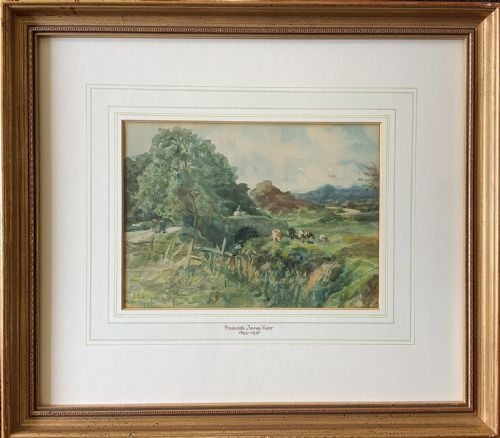
Watercolours are painted on paper and typically displayed under glass with a mount, offering a lighter, translucent quality.
Oil paintings utilise thicker paint applied to canvas, card, or panel, presenting heavier textures and deeper colour saturation.
Are these artworks from the actual Edwardian period?
The pieces span a broader timeline that encompasses late Victorian production, the Edwardian era proper, and into the nineteen-thirties.
Styles shifted gradually, blending late nineteenth-century realism with early twentieth-century impressionist techniques.
How should I care for a vintage paper watercolour?
Watercolours on paper require protection from direct sunlight to prevent the pigments and paper stock from fading over time.
Keeping them away from damp environments ensures the paper and any framing materials remain stable.