




Edwardian Coin Box
These edwardian coin box items are portable treasures and desk containers designed to safeguard currency, offering a tangible connection to early twentieth-century life.
Edwardian Coin Box
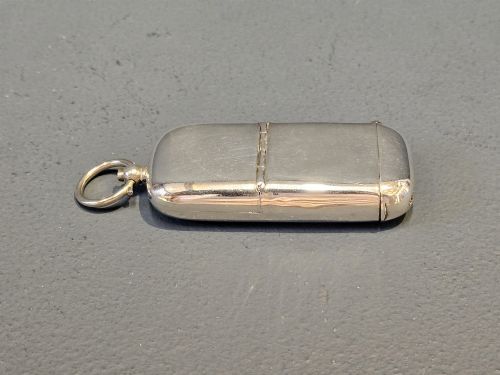
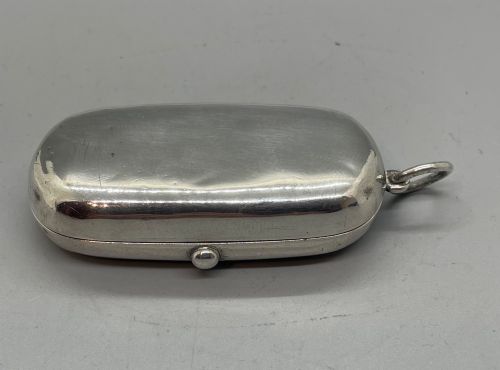
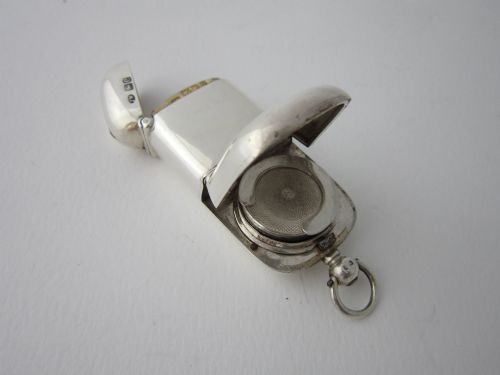
When you search for an edwardian coin box, you encounter a specialised range of small containers designed for holding currency, sovereigns, and keepsakes from the early twentieth century. The selection spans compact silver sovereign cases, wooden money boxes, and desktop storage cabinets.
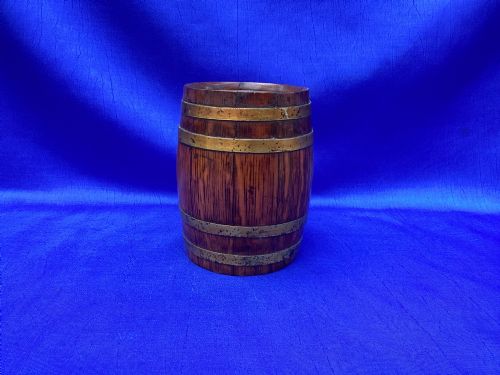
The versions you are most likely to meet on this page include pocket-sized sterling silver combination cases alongside larger oak barrel money boxes and small Victorian or Edwardian collector cabinets. These objects reflect the precise monetary habits and domestic storage needs of the period.
How they were made
The pieces on this page utilise durable metals and seasoned timbers, combining sterling silver and brass with oak and mahogany. Metalwork often involves hinged mechanisms for secure coin storage, while wooden items rely on traditional cabinetmaking techniques.
Makers shaped spelter and bronze into decorative figures for novelty money boxes, whilst silversmiths employed detailed engraving and hallmarking on sovereign cases. Glass and painted finishes occasionally appear to enhance the visual appeal of these functional containers.
Edwardian Coin Box Retail Price Guide 2026
Typical asking prices for edwardian coin box among the pieces listed under this phrase on Sellingantiques today, from the lower quarter to the upper quarter. They describe what is for sale here now, not the wider market.
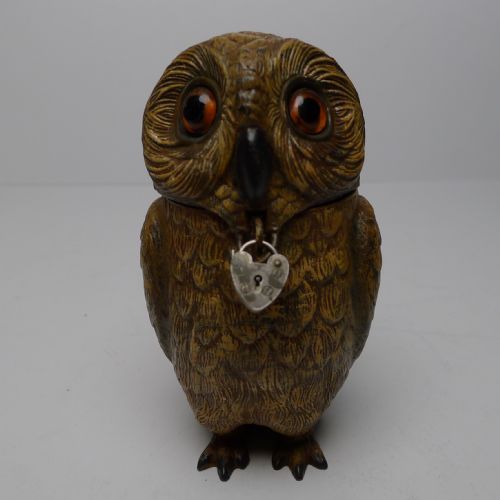
A painted spelter money box from nineteen-ten waits patiently to swallow your loose change.
What varies in quality
Quality in these items rests upon the precision of the metal hinges, the crispness of hallmarks, and the integrity of the timber joints. Finer examples display deliberate craftsmanship in their opening mechanisms and uncompromised surface decoration.
The distinction between standard utility items and superior pieces lies in the weight of the silver, the sophistication of the locking systems, and the preservation of original painted or polished surfaces.
Aaron Lufkin Dennison
The Edwardian Coin Box Glossary
- Sovereign case
- A small, fitted container designed to hold British gold sovereign coins securely in the pocket. These pieces frequently feature spring-loaded clips for individual coins.
- Vesta case
- A small pocket box originally used for holding matches, often found combined with coin compartments in Edwardian accessories.
- Spelter
- An alloy of zinc and other metals utilised for cast decorative figures and novelty money boxes, offering a heavy metallic body.
- Hallmark
- An official stamp applied to precious metals indicating purity, origin date, and the specific assay office.
- Collector cabinet
- A small wooden storage unit featuring multiple shallow drawers, designed for organising coins, specimens, or small artefacts.
Edwardian Coin Box: Frequently Asked Questions
What fits inside an edwardian coin box?
These containers generally hold historical gold sovereigns, circulating currency, or small personal valuables like stamps and tokens.
Smaller silver cases accommodate individual coins, whereas wooden money boxes and cabinets accept larger accumulations of currency.
How were these boxes used daily?
Owners carried pocket sovereign cases daily to ensure ready access to gold currency for transactions. Desk boxes and cabinets remained in domestic studies to store savings or small collections.
Functional security measures, such as fitted keys and snug spring lids, protected the contents during transport or display.
How do I identify the period?
Dating relies heavily upon legible metal hallmarks, which indicate the exact year of assay and the governing monarch's reign. Stylistic markers and construction methods in the wood or metal further confirm whether an object belongs to the Victorian or Edwardian eras.
How should I clean silver cases?
Silver pieces require gentle maintenance using appropriate cloths to preserve the underlying metal and any engraved details. Avoid aggressive cleaning agents that might remove historical patina or damage delicate spring mechanisms.