



Edwardian Champagne Bucket
An edwardian champagne bucket brings heavy metal and timber to the table, designed to keep bottles cold in style.
Edwardian Champagne Bucket
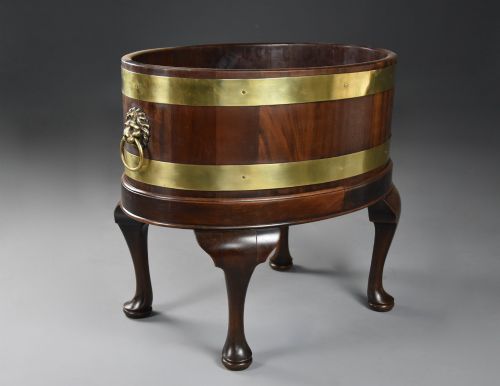
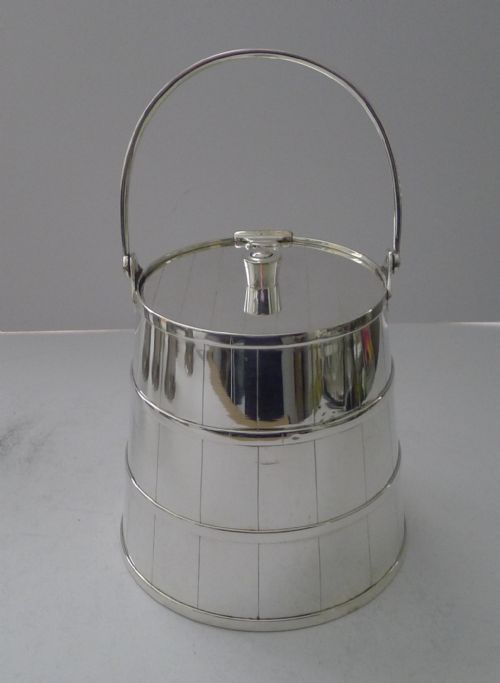
An edwardian champagne bucket is a vessel for chilling wine and holding ice at the table, taking several forms across this selection. The search phrase covers silver plate, brass, and coopered oak vessels designed for hospitality.
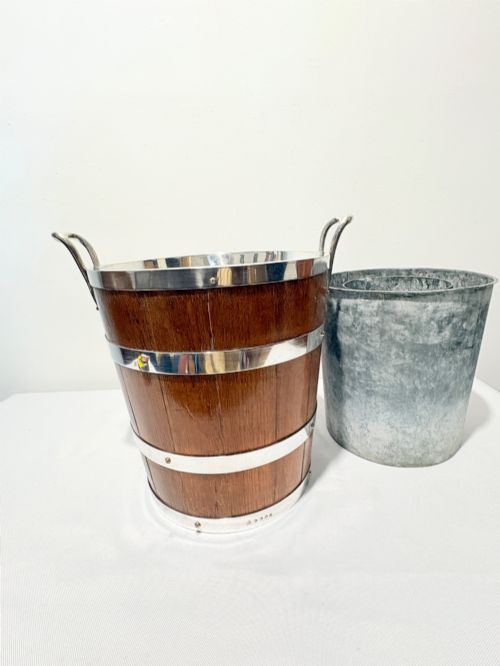
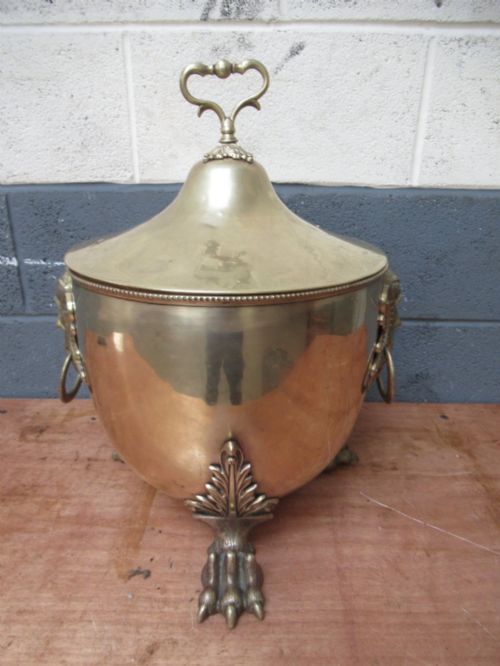
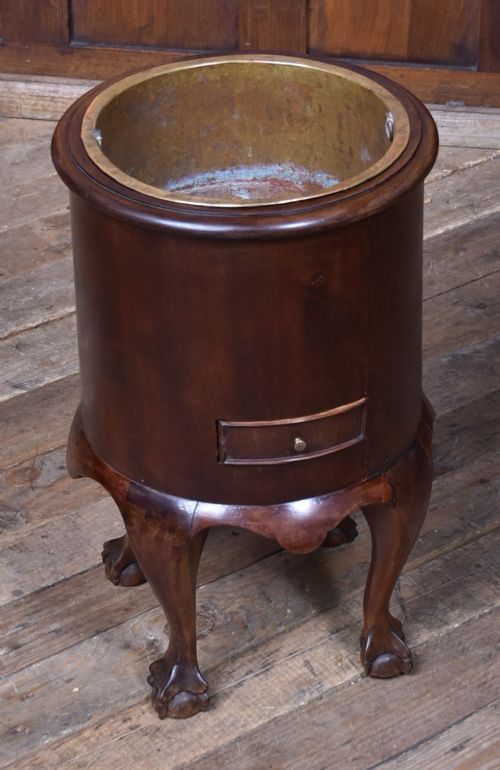
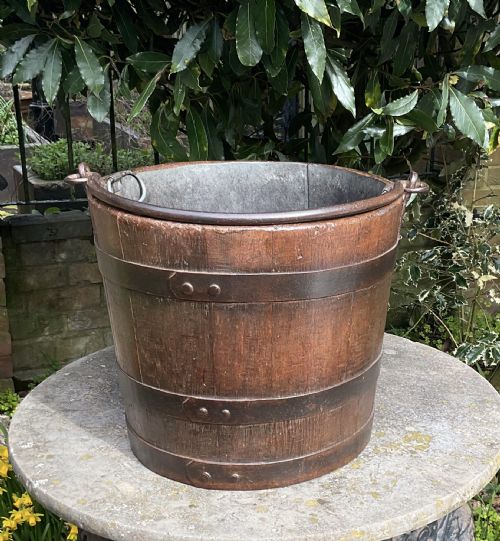
Buyers will most frequently meet silver plated examples from the early twentieth century, alongside brass decorative buckets and oak ice coolers with ceramic liners. Some pieces incorporate stands, while others stand directly on the sideboard.
How they were made
Maker workshops utilised traditional silver plating over base metals alongside metalworking techniques for brass bowls and copper vessels. Woodworkers employed coopered construction methods with staves and bands to build oak and mahogany bodies.
Internal liners made from zinc, ceramic creamware, or silver plate were fitted inside wooden and metal buckets to hold melting ice and water safely. Handles and mounts were cast or soldered onto the main body.
Edwardian Champagne Bucket Retail Price Guide 2026
Typical asking prices for edwardian champagne bucket among the pieces listed under this phrase on Sellingantiques today, from the lower quarter to the upper quarter. They describe what is for sale here now, not the wider market.
Maritime history meets the dining room with a White Star Line silver plated wine cooler among the choices.
What varies in quality
The weight of the metal and the thickness of the silver plate separate ordinary items from superior examples. Heavier gauge brass and solid timber staves indicate better construction.
The presence of original internal liners, maker marks, and matched tongs changes the standing of a piece. Finer items show crisp chasing on mounts and well-fitted wooden staves.
Christofle·Dawson·James Dixon & Sons
The Edwardian Champagne Bucket Glossary
- Coopered
- Built from vertical wooden staves held together by metal bands, much like a traditional barrel. This method gave strength to oak and mahogany buckets.
- Silver Plate
- A thin layer of silver fused to a base metal such as copper, nickel brass, or white metal. It offered the appearance of solid silver at a lower cost.
- Creamware
- A fine earthenware developed in Yorkshire with a pale yellowish-white glaze. It frequently appeared as the internal liner for ice buckets.
- Cellarette
- A lockable container or fitted standalone piece used to store wine bottles near the dining table. They often featured lead linings.
- Barware
- Utensils and vessels used in the preparation and serving of drinks. This category includes ice pails, champagne holders, and presentation bowls.
Edwardian Champagne Bucket: Frequently Asked Questions
What is an edwardian champagne bucket?
An edwardian champagne bucket is a container made to hold ice and chill wine bottles during meals or gatherings. These vessels were produced in silver plate, brass, and oak.
They reflect the dining habits of the early twentieth century, when hospitality required dedicated serving pieces on the sideboard or dining table.
How do I clean a silver plated bucket?
Silver plate requires gentle cleaning with a soft cloth and a specialised silver polish designed to remove tarnish without harming the underlying metal. Avoid abrasive pads that can wear through the thin silver layer.
After polishing, rinse the vessel thoroughly and dry it completely to prevent water spots from forming on the surface.
Did these buckets always have liners?
Many ice buckets and wine coolers were fitted with removable internal containers made of ceramic creamware, zinc, or silver plate. These liners protected the outer wood or metal structure from moisture and melting ice.
Some surviving pieces retain their original liners, while others have lost them over decades of use.
Can I still use these for champagne?
These historical vessels function well for chilling wine or holding ice at modern gatherings. Checking that the base holds water without leaks is wise before filling it with ice.
Dry storage and gentle handling help preserve the silver plating and wooden staves during regular use.