

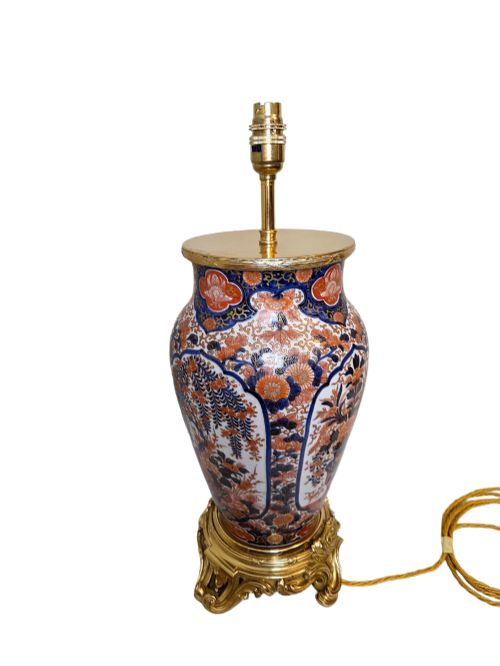
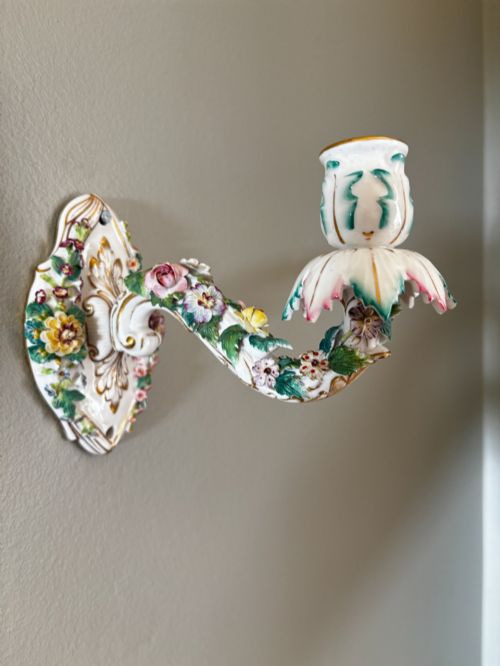
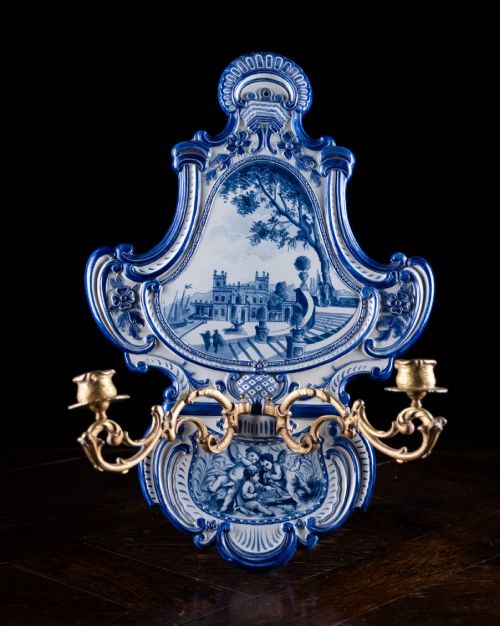
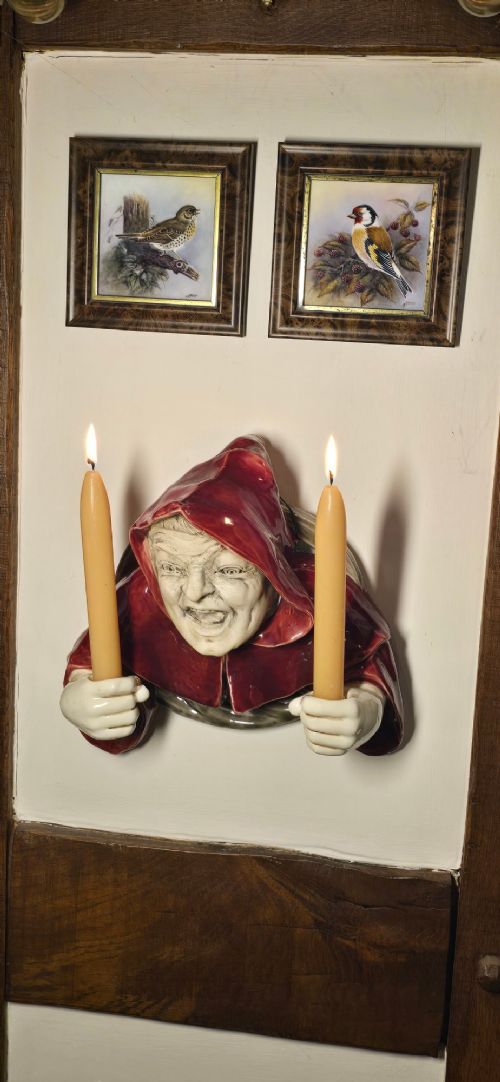


Edwardian Ceramic Lighting
Edwardian ceramic lighting combines functional utility with decorative pottery forms, bringing period character and warm illumination to interiors.
Edwardian Ceramic Lighting
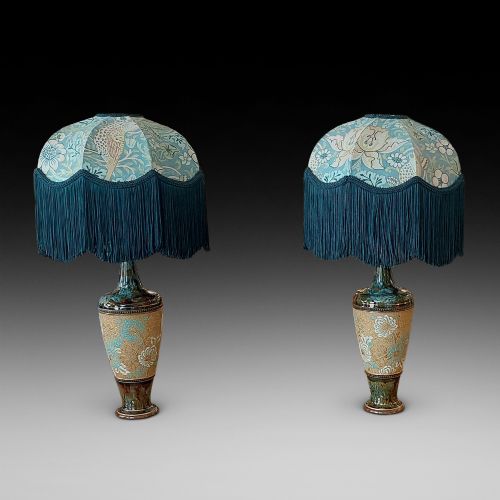
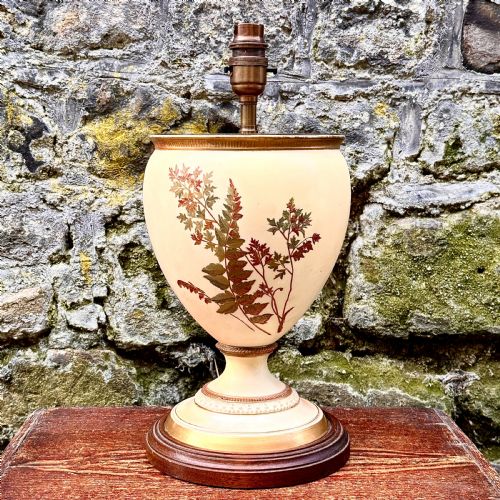
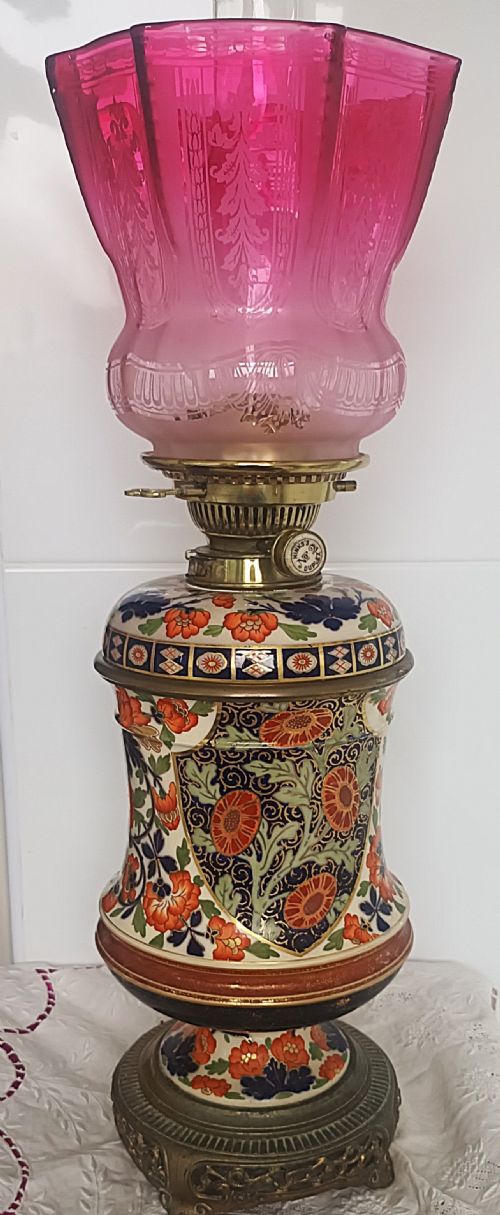
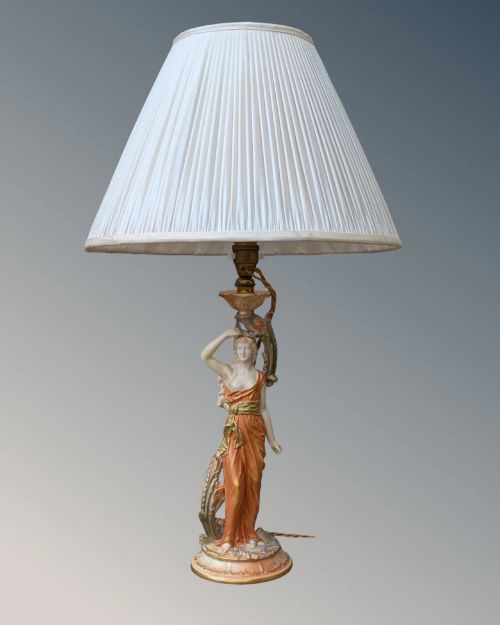
Edwardian ceramic lighting encompasses table lamps, oil lamps, candlesticks, chambersticks, and wall sconces produced during the early twentieth century and the broader Edwardian period. Buyers searching for edwardian ceramic lighting seek pieces that integrate glazed pottery bodies with domestic illumination.
The objects on this page span table lamps, oil lamps, candlesticks, wall sconces, chambersticks, decorative bowls, and light switches. They reflect influences from the Victorian era up through the 1920s.
The forms originate from English and French makers utilising traditional ceramic bodies alongside metal mounts. Many pieces originate as functional oil lamps or household vessels later adapted for electrical lighting.
How they were made
Makers shaped ceramic, porcelain, stoneware, and faience bodies through throwing, moulding, and casting techniques. These ceramic elements were combined with brass, bronze, wood, glass, gold leaf, and fabric components.
Decoration relied on hand painting, glazing, enamel work, and specialised techniques such as jasperware and lustre finishes. Pottery forms frequently incorporated fitted metal burner assemblies, candle sockets, or switch mechanisms.
Edwardian Ceramic Lighting Retail Price Guide 2026
Typical asking prices for edwardian ceramic lighting among the pieces listed under this phrase on Sellingantiques today, from the lower quarter to the upper quarter. They describe what is for sale here now, not the wider market.
Several items started life as everyday tobacco jars before being promoted to the dignity of electrified table lamps.
What varies in quality
Quality rests in the refinement of the ceramic body and the precision of the hand painting or glaze application. Pieces featuring complex multi-coloured glazes or detailed hand-painted scenes stand apart from simpler utilitarian wares.
The integration of metal mounts, brass fittings, and structural hardware influences the overall integrity of each piece. Superior examples maintain balanced proportions between the ceramic base and the lighting fittings.
Royal Doulton·Royal Worcester·Wedgwood
The Edwardian Ceramic Lighting Glossary
- Chamberstick
- A low candlestick fitted with a pan and a handle for carrying from room to room. These portable holders often incorporate ceramic saucer bases.
- Faience
- Tin-glazed earthenware decorated with opaque colours over a white glaze. This technique creates a smooth surface suited to detailed enamel work.
- Slaters stoneware
- A textured pottery finish created by pressing lace or fabric into the damp clay before firing. This technique produces a patterned, fabric-like texture across the ceramic surface.
Edwardian Ceramic Lighting: Frequently Asked Questions
What is edwardian ceramic lighting?
Edwardian ceramic lighting comprises lamps, candlesticks, and sconces made from pottery, porcelain, and stoneware during the early twentieth century. These objects combine functional illumination with decorative ceramic bodies.
Many pieces reflect design movements spanning the Victorian period through the Arts and Crafts and Art Nouveau styles. They utilise materials such as brass, glass, and fabric alongside the primary ceramic element.
Were these always electric lamps?
Many items began as oil lamps, candlesticks, chambersticks, or tobacco jars before being converted into electric table lamps. Original oil lamp fittings and conversion wiring are common.
Makers often adapted household ceramic vessels into lighting fixtures during the early twentieth century. This conversion process preserves the original pottery body while updating the object for modern use.
How do I identify this period?
Dating relies on stylistic markers associated with Edwardian, Arts and Crafts, and Art Nouveau design alongside manufacturer marks on the ceramic base. Periods represented range from the nineteenth century into the 1920s.
Construction details such as brass fittings, ceramic glazes, and hand-painted decoration help distinguish these pieces from later reproductions. Maker stamps and impressed numbers provide specific chronological clues.
How do I care for ceramic lamps?
Clean ceramic bodies gently with a dry or slightly damp cloth to avoid disturbing painted decoration, gilt highlights, or delicate glazes. Protect the pottery surface from abrasive materials.
Inspect wiring and electrical components regularly, consulting a professional for any necessary rewiring or safety updates. Keep fabric shades and metal mounts free from dust using soft brushes.