




Edwardian Ceramic Lamps
These edwardian ceramic lamps bring tactile warmth and period detail to a room, combining fired clay bodies with brass mounts and converted oil or tobacco vessels.
Edwardian Ceramic Lamps
When you search for edwardian ceramic lamps, you encounter a selection of pieces that bridge the late nineteenth century and the early twentieth century. The inventory spans straightforward Edwardian examples alongside Victorian precursors, Art Nouveau designs, and Arts and Crafts pieces.
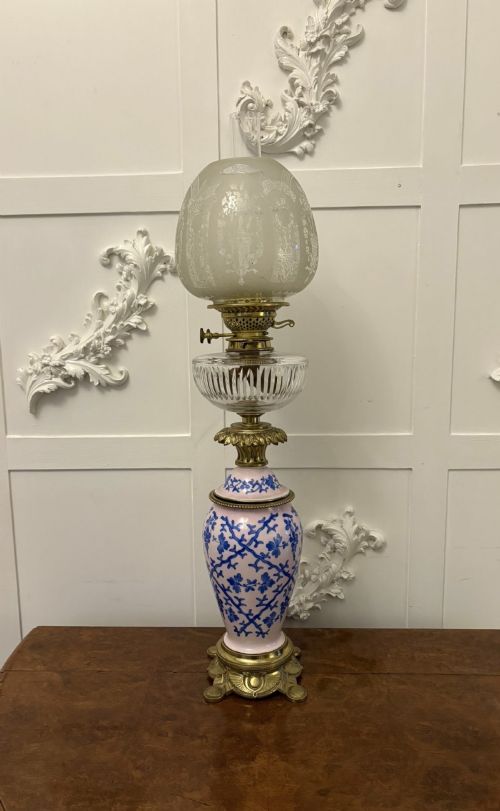
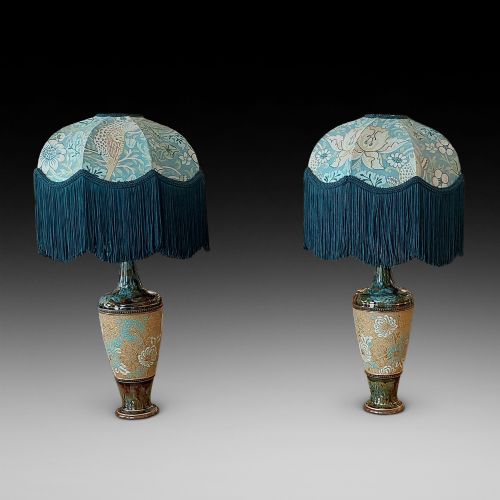
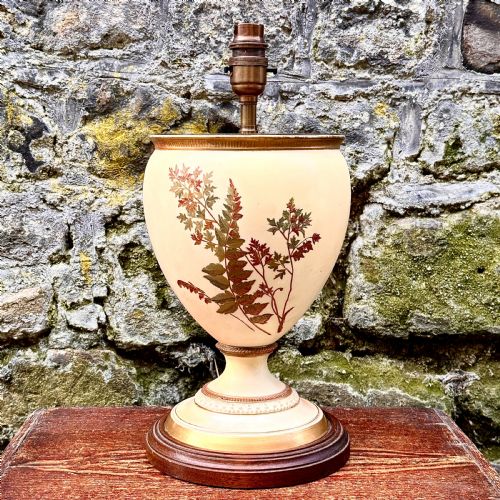
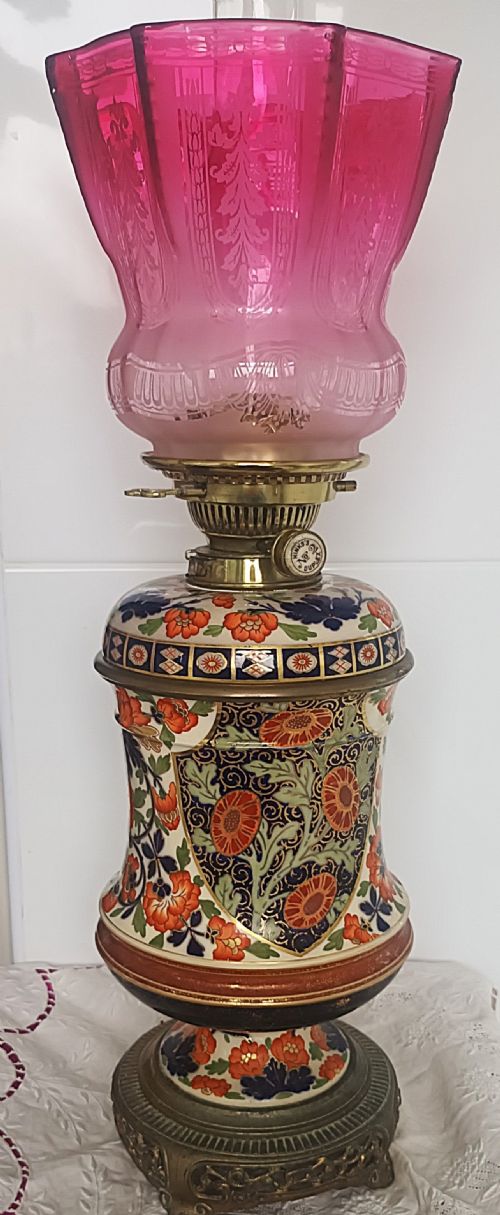
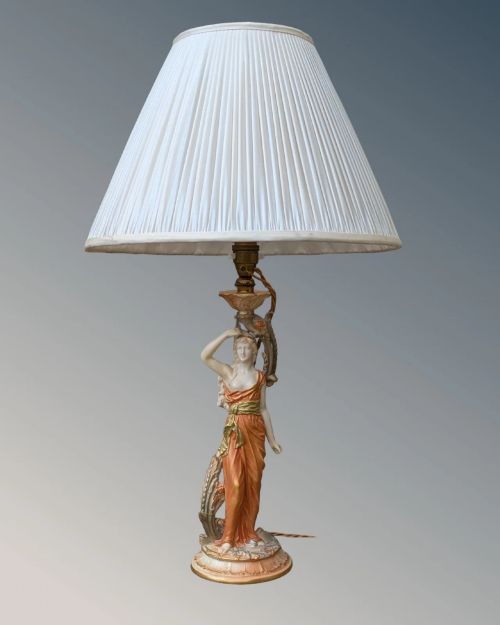
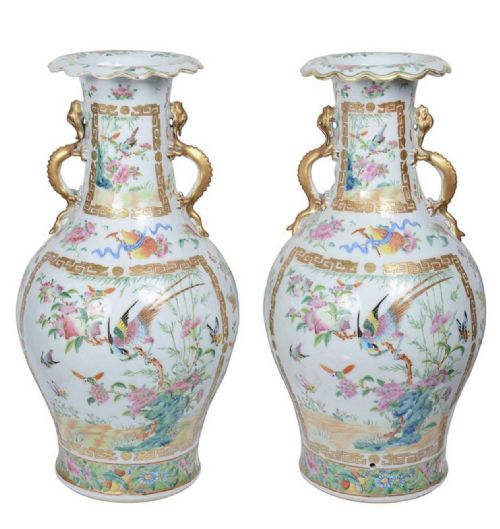
The objects themselves take various forms, including converted oil lamps, table lamps mounted on ceramic bodies, and repurposed tobacco jars or vases. Many items combine fired ceramic or porcelain with brass components, oak frames, or fabric shades to create functional domestic lighting.
How they were made
Makers shaped these pieces using traditional ceramic techniques, moulding porcelain, majolica, faience, and earthenware into bodies that were hand-painted, glazed, or gilt. Factories such as Royal Worcester and Royal Doulton produced fine pottery vessels that later found new life as electrified lamps.
Metalwork formed an essential part of the construction, with brass mounts, collars, and burners securing the ceramic bodies. Artisans also utilised oak for supportive elements, while secondary materials like glass, gold leaf, and fabric completed the assemblies.
Listings feature ceramic bodies combined with brass, oak, and glass across Victorian and Edwardian periods.
What varies in quality
The standard of execution depends heavily on the finesse of the ceramic painting and the crispness of the mould work. Hand-painted porcelain and glazed majolica with deep, clear colours command attention through their artistic execution.
Structural integrity and the quality of the mounting hardware also distinguish finer examples. Solid brass fittings, well-integrated conversions, and harmonious pairings of ceramic bodies with metal bases elevate the overall standard of the piece.
Royal Worcester·Royal Doulton·Taylor Tunnicliff
The Edwardian Ceramic Lamps Glossary
- Majolica
- A type of earthenware covered with an opaque tin glaze and painted with bright colours. It was widely used for decorative vessels during the nineteenth and early twentieth centuries.
- Faience
- A term for tin-glazed earthenware, often associated with French and continental European pottery. It provides a smooth white surface suitable for detailed enamel painting.
- Porcelain
- A fine, hard ceramic fired at high temperatures, known for its translucence and strength. Makers often decorated it with hand-painted motifs and gilt accents.
- Conversion
- The process of adapting an antique oil lamp, vase, or tobacco jar for modern electrical use. This often involves running a cord through the body and adding a bulb holder while retaining the original vessel.
Edwardian Ceramic Lamps: Frequently Asked Questions
What are edwardian ceramic lamps?
These pieces are decorative domestic light fittings that incorporate ceramic, porcelain, or majolica bodies. Many originated as oil lamps, vases, or tobacco jars before being converted for electrical use.
The selection includes designs influenced by Art Nouveau, Arts and Crafts, and neoclassical styles, combining fired clay with brass and oak elements.
How were they used originally?
Before widespread electricity, ceramic vessels served as the bases for oil lamps that provided illumination in domestic interiors. Other ceramic bodies, such as tobacco jars and vases, fulfilled decorative or storage functions on tables and mantelpieces.
Over time, many of these functional objects were adapted with electrical wiring to serve as table lamps while retaining their original aesthetic character.
How do you date these lamps?
Dating relies on stylistic markers, manufacturing techniques, and maker marks stamped or painted on the ceramic base. Pieces from the Edwardian period often share design traits with late Victorian and early twentieth-century work.
Materials such as majolica, heavy brass mounts, and specific porcelain bodies help narrow down the decade of manufacture.
How do you live with them?
These lamps function well on side tables, desks, or credenzas where their textured ceramic bodies and period details can be appreciated up close. Pairing them with appropriate fabric shades helps balance the weight of the ceramic and brass base.
They introduce tactile warmth and historical character to both traditional and contemporary interiors.