

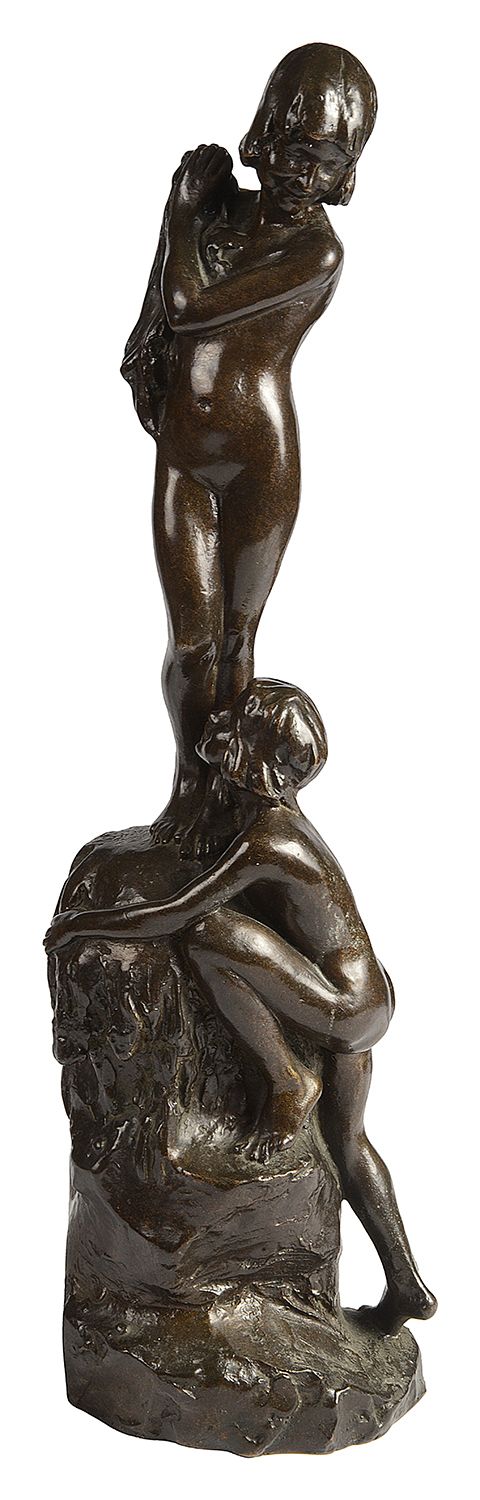
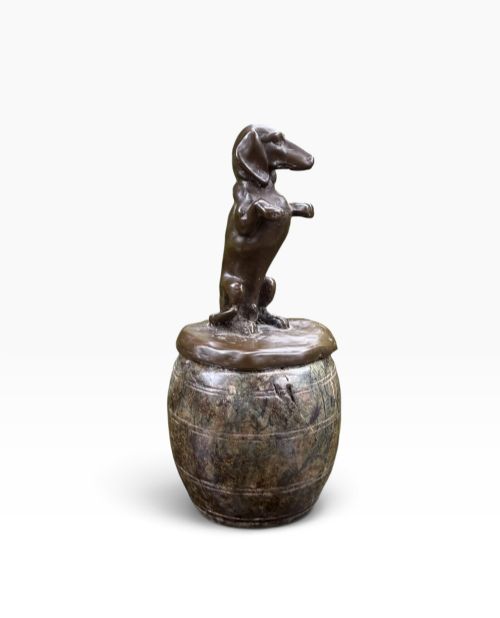
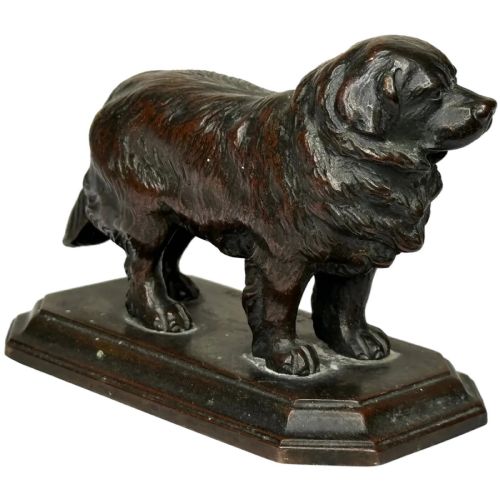
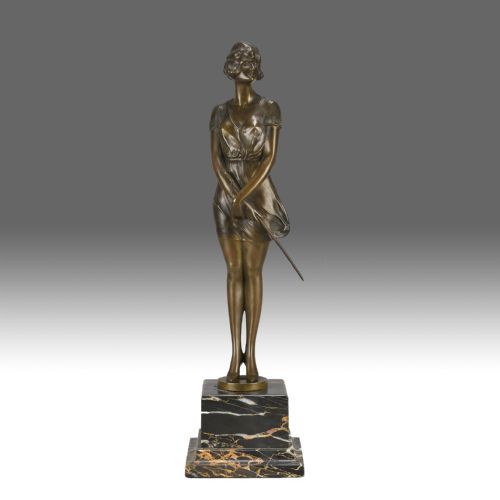
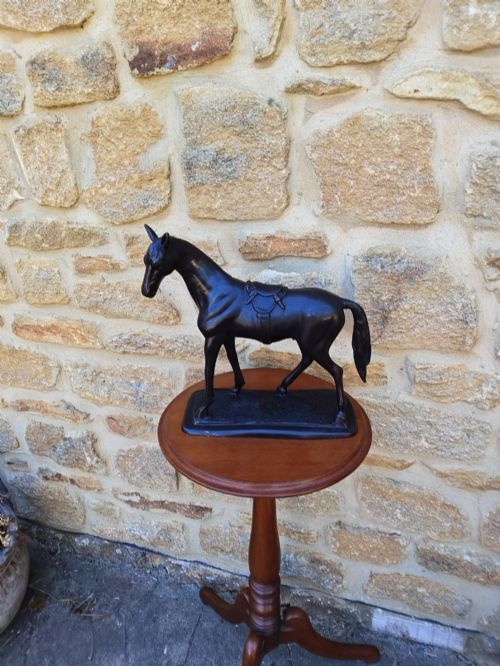


Edwardian Bronze Figurine
An edwardian bronze figurine brings character and refined metalwork to a desk or mantelpiece.
Edwardian Bronze Figurine
An edwardian bronze figurine encompasses small-scale metal sculptures, animal studies, and human figures produced around the turn of the twentieth century. These pieces include works in the Art Nouveau, Art Deco, and Animalier styles, alongside related items in cast iron, spelter, and plaster.
Collectors encounter animal subjects such as dogs, horses, birds, and an ibex, alongside human figures including dancers, a knight, a golfer, and historical characters. The forms range from companion sets and pin cushions to car mascots and portrait busts.
How they were made
Makers utilised casting techniques to shape bronze, cast iron, and spelter into detailed figures and companion sets. Cold painting was frequently applied to bronze surfaces to create lifelike colouration on birds, dogs, and human subjects.
Certain pieces incorporate secondary materials such as marble bases, paint, plaster, and mahogany to support or complement the main metal sculpture.
Edwardian Bronze Figurine Retail Price Guide 2026
Typical asking prices for edwardian bronze figurine among the pieces listed under this phrase on Sellingantiques today, from the lower quarter to the upper quarter. They describe what is for sale here now, not the wider market.
Listings feature bronze, spelter, and cast iron pieces spanning the Edwardian era, Art Nouveau, and Art Deco styles.
What varies in quality
The preservation of original cold-painted surfaces and the integration of quality base materials, such as marble or mahogany, influence the overall character of the piece.
Bruno Zach·E.A. Clapp·Fabergé·HL Blasche for Reps & Trinte
The Edwardian Bronze Figurine Glossary
- Bronze
- An alloy of copper and tin used extensively for durable, detailed sculptural casting during the period. It accepts patination and cold painting readily.
- Cold-painted
- A method where paint is applied to cold metal without firing, often associated with Austrian animal bronzes. The technique creates vibrant surface colours that can show wear over time.
- Spelter
- A zinc or lead-based alloy utilised as an economical alternative to bronze for figures and lamps. It is softer and lighter than bronze.
- Animalier
- A style focusing on the realistic depiction of animals, particularly dogs, horses, and birds. Sculptors captured subjects in naturalistic poses.
- Companion set
- A matching group of fireplace tools and accessories, occasionally cast in bronze or iron in figurative forms. These items combined utility with decorative appeal in Edwardian interiors.
Edwardian Bronze Figurine: Frequently Asked Questions
What is an edwardian bronze figurine?
An edwardian bronze figurine is a small cast metal sculpture depicting humans, animals, or literary scenes produced around the early twentieth century. These decorative objects range from realistic bird studies to human figures in Art Nouveau and Art Deco styles.
They were often placed on desks, mantels, or used as functional items like pin cushions and car mascots. Their compact size made them popular ornaments for period interiors.
How do I care for cold-painted bronze?
Cold-painted bronze requires gentle dusting with a soft, dry cloth and protection from moisture and direct sunlight. Because the paint was applied without heat, harsh cleaning agents will damage the finish.
Keeping the piece in a stable indoor environment preserves the delicate colours on animal and human figures.
How do I distinguish bronze from spelter?
Bronze is heavier, harder, and cooler to the touch than spelter, with a more resonant sound when tapped gently. Spelter is a softer zinc alloy that often shows a greyish metal beneath worn paint.
Examining the underside or areas of wear helps reveal the base metal composition of the figure.
What subjects were popular in Edwardian figurines?
Popular subjects included domestic and sporting animals such as dogs, horses, and birds, alongside human figures representing dancers, golfers, and historical characters. Animalier studies reflected a strong Victorian and Edwardian interest in natural history.
Portrait busts and figures drawn from literature also appeared frequently in metal and plaster.