
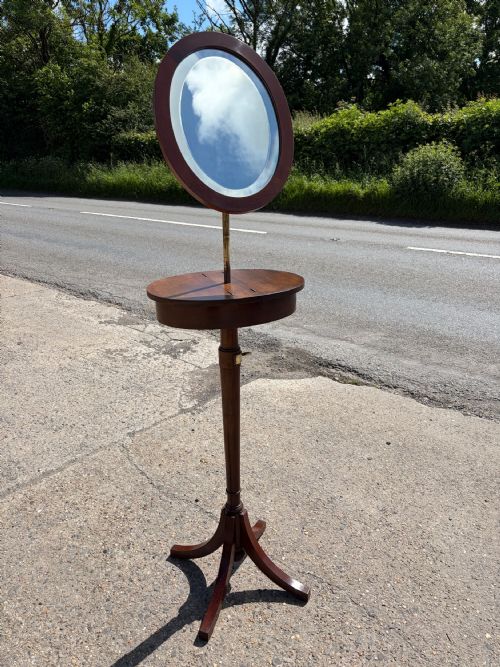
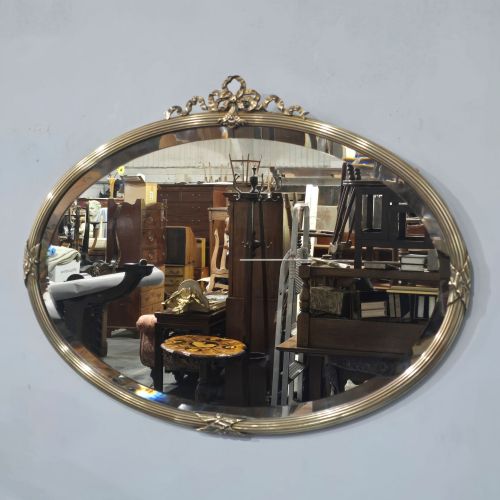


Edwardian Brass Vanity Mirror
These pieces for an edwardian brass vanity mirror offer functional elegance, combining polished metal frames with bevelled glass to anchor a dressing table or chest.
Edwardian Brass Vanity Mirror
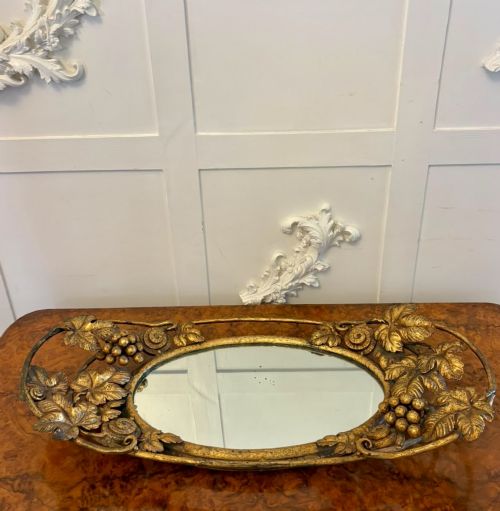
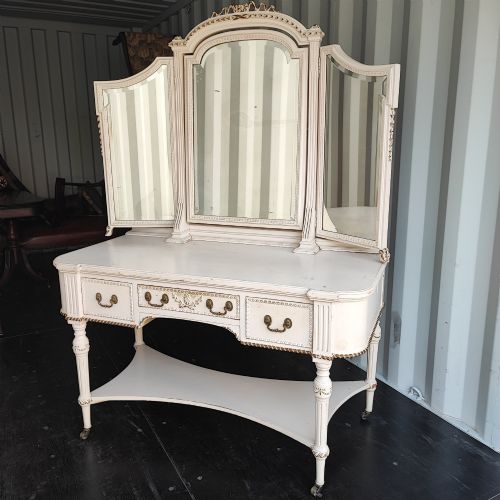
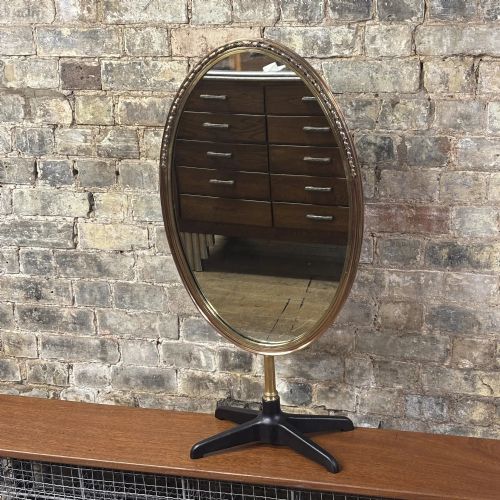
When you search for an edwardian brass vanity mirror, you encounter dressing mirrors, easel mirrors, and dressing table mirrors made primarily around the turn of the twentieth century. The most common versions feature adjustable brass frames supporting oval or rectangular glass plates.
The materials span brass, gilt metal, and glass, often mounted on wooden stands made of mahogany, oak, or satin walnut. While the core period is Edwardian, pieces styled in Victorian, Louis XVI Revival, and Art Nouveau periods also appear in the selection.
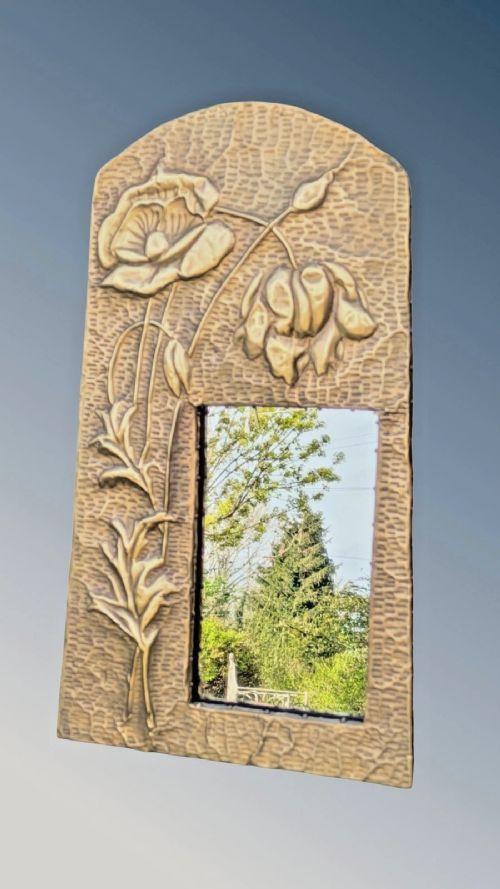
Some examples incorporate repoussé work, hand embossing, or inlaid brass details, reflecting the diverse decorative tastes of the era. They range from simple tabletop dressing mirrors to more elaborate cheval or pivoting designs.
How they were made
Makers utilised cast and sheet brass for the frames, frequently shaping them with floral motifs, repoussé decoration, or smooth oval borders. Glass plates were typically bevelled at the edges to catch the light and set securely within metal channels or wooden surrounds.
Wooden components, such as mahogany and oak stands, were shaped and polished to support the pivoting mirror frames safely. Metal fittings like hinges and screws allowed the glass to tilt at various angles for practical daily use.
Listings feature brass, glass, mahogany, and cast iron across Edwardian, Victorian, and Art Nouveau styles.
What varies in quality
The calibre of an edwardian brass vanity mirror depends on the thickness of the metal frame and the clarity of the bevelled glass plate. Finer pieces demonstrate crisp repoussé work and sturdy pivoting mechanisms that hold their angle without slipping.
The choice of secondary materials also separates standard items from superior ones, with solid mahogany or polished oak stands providing greater stability than simpler constructions. Intricate hand embossing and integrated wooden bases reflect a higher degree of craftsmanship.
The Edwardian Brass Vanity Mirror Glossary
- Repoussé
- A metalworking technique where the metal is hammered from the reverse side to form a raised design in relief. This method creates tactile floral and abstract patterns on the frame.
- Bevelled glass
- A mirror glass plate with an angled, polished edge that catches the light decoratively. It denotes attention to detail in finer looking glass construction.
- Easel mirror
- A tabletop mirror supported by a hinged metal or wooden leg at the back, allowing it to stand independently on a surface. These fold flat when not in use.
- Pivoting mirror
- A glass frame mounted on side pivots or trunnions that permit the user to tilt the angle of reflection up or down. This mechanism is central to adjustable dressing table mirrors.
Edwardian Brass Vanity Mirror: Frequently Asked Questions
How do I date a brass mirror?
Dating involves examining the construction of the brass frame, the thickness and bevel of the glass, and any associated wooden supports. Stylistic clues such as Art Nouveau curves or Edwardian proportions also help narrow the era.
Makers often utilised specific casting techniques and hand-finishing methods that distinguish turn-of-the-century items from later reproductions.
Are these mirrors adjustable?
Many examples include side pivots or hinged arms that allow the glass to tilt to the desired angle. This adjustability was essential for practical use on dressing tables and shaving stands.
The hardware should hold its position securely while allowing smooth movement when adjusted by hand.
Where should I place a vanity mirror?
These mirrors suit dressing tables, chests of drawers, or vanity surfaces where natural light can reflect across the room. Their compact size makes them versatile for bedrooms and dressing areas.
Placing them near a light source enhances their decorative brass frames and bevelled glass.