
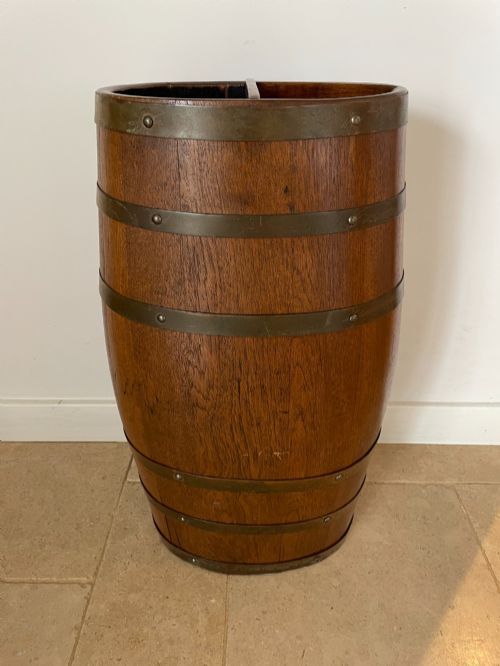


Edwardian Brass Pot
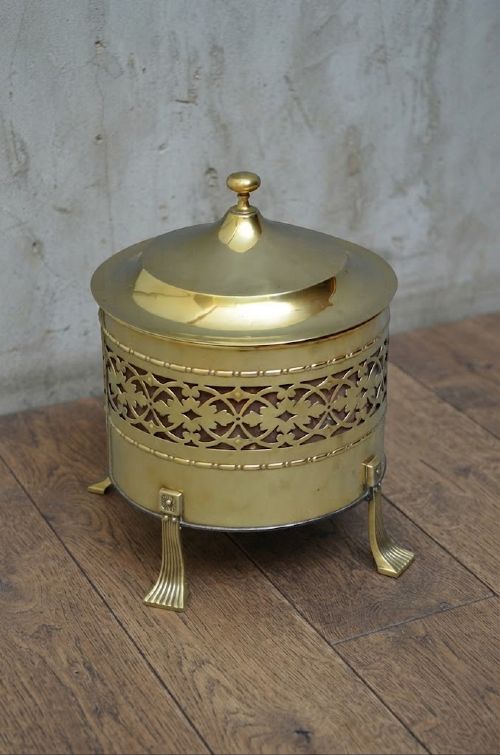
An edwardian brass pot brings warmth and historic utility to a room, functioning primarily as a planter or coal container.
Edwardian Brass Pot
When searching for an edwardian brass pot, buyers encounter vessels primarily designed as jardinieres, coal buckets, planters, and desk accessories. These pieces span the early twentieth century, alongside related items from the Victorian and later periods.
The form is defined by metal vessels intended to hold plants, fuel, or small desk items, often incorporating swing handles, lion mask mounts, or fretwork designs. Many utilise mixed materials, pairing brass bodies with oak framing or copper accents.
Most examples originate from British workshops of the period, though continental influences appear through French Belle Epoque and Art Nouveau styles. Buyers frequently find pieces that double as plant stands or coal bins.
How they were made
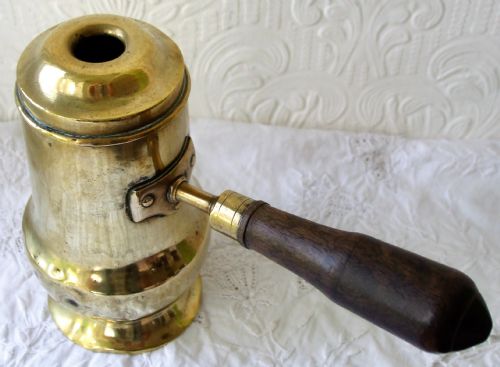
Makers shaped sheet brass and copper through spinning, hammering, and pressing, attaching cast elements such as lion mask handles and paw feet with rivets or brazing. Oak and mahogany serve as structural elements in coopered barrel planters and bound plant stands.
Surface decoration relies on repousse work, fluting, and pierced fretwork to catch the light, contrasting polished metal against dark timber staves. Artisans of the Arts and Crafts and Art Nouveau movements embraced these honest construction methods and tactile finishes.
Listings feature brass, copper, oak, mahogany, and glass across Edwardian, Victorian, and 18th Century periods.
What varies in quality
Quality rests in the thickness of the metal gauge and the crispness of cast details like handles and feet. Heavy, solid brass construction outlasts thin pressed sheets that easily dent under everyday use.
The refinement of decorative techniques - such as deep repousse hammer marks or precise fretwork - separates standard utility items from finer workshop pieces. Original liners, intact patination, and sound wooden cooperage further elevate a piece.
J Sankey and Sons·Baccarat
The Edwardian Brass Pot Glossary
- Jardiniere
- An ornamental pot or stand for holding plants or flowers. These vessels form the majority of brass plant containers from the period.
- Repousse
- A metalworking technique where the artisan hammers the design from the reverse side to create a raised relief on the front. This method decorates many copper and brass planters.
- Coopered
- Built from wooden staves fitted together and bound by metal hoops, similar to barrel construction. Oak and mahogany planters often utilise this technique.
- Fretwork
- Ornamental work consisting of interlaced or perforated patterns cut into the metal or wood. It appears frequently on Edwardian coal buckets and jardiniere galleries.
Edwardian Brass Pot: Frequently Asked Questions
What were edwardian brass pots used for?
These vessels served practical domestic roles, holding household coal near the fireplace or housing potted ferns and palms in the parlour. Their robust metal construction easily accommodated damp soil and heavy fuel.
Over time, many transitioned purely to decorative roles within domestic interiors. Today, they continue to function effectively as planters or umbrella stands.
How do I clean an edwardian brass pot?
Gentle washing with warm soapy water removes dust and accumulated grime without stripping the historic surface. Avoid harsh chemical polishes that destroy the desirable aged patina.
Applying a microcrystalline wax protects the metal from further oxidation. This preserves the warm metallic tone characteristic of the period.
Are these pots made of solid brass?
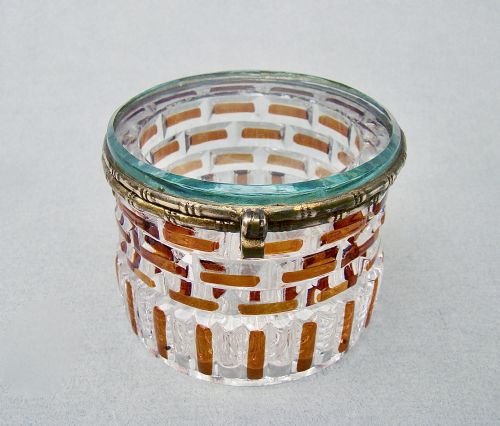
Many examples utilise solid sheet brass or copper throughout the body and decorative mounts. Others incorporate structural elements of oak, mahogany, or lead crystal.
Combination pieces feature brass bands, liners, or feet applied to wooden barrels or porcelain bodies. The evidence shows frequent pairing with timber and glass.
How do I distinguish Edwardian from Victorian pieces?
Victorian items often lean towards heavier, ornate Gothic or classical revival styling with dark patination. Edwardian examples frequently embrace lighter proportions, fluting, or flowing Art Nouveau lines.
Stylistic shifts reflect changing domestic tastes around the turn of the twentieth century. Makers adopted cleaner forms alongside traditional craftsmanship.