


Edwardian Brass Column
Edwardian brass column pieces bring classical order to interiors, offering stately architectural lighting built to anchor a room.
Edwardian Brass Column
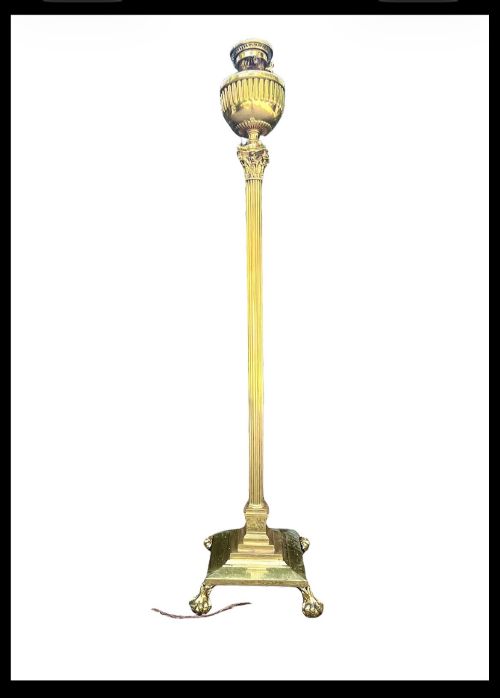
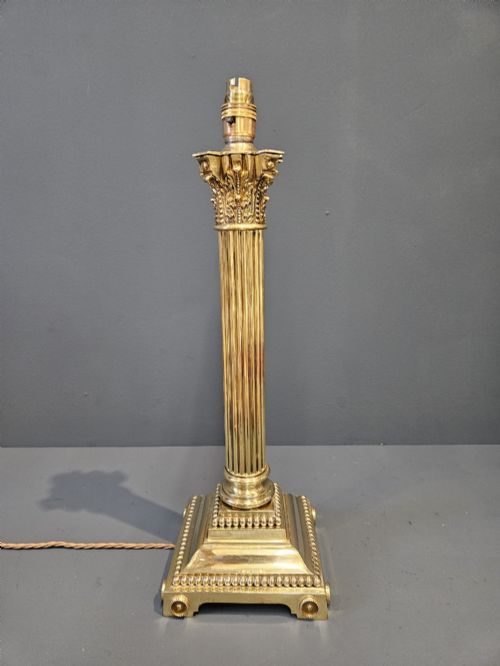
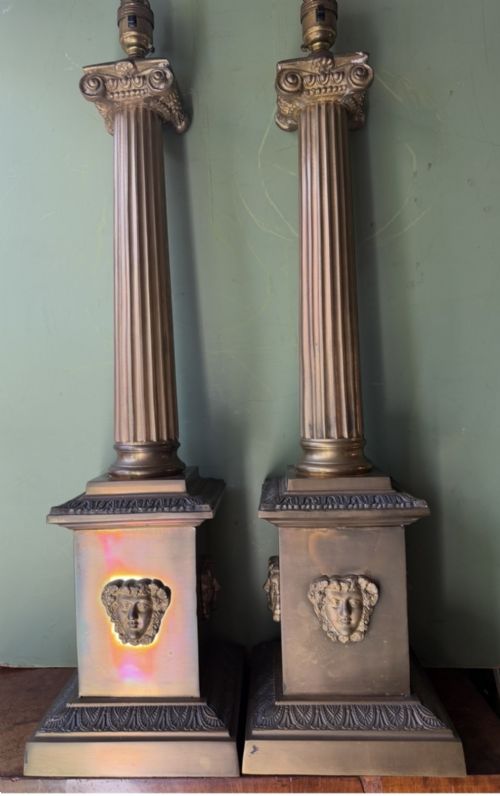
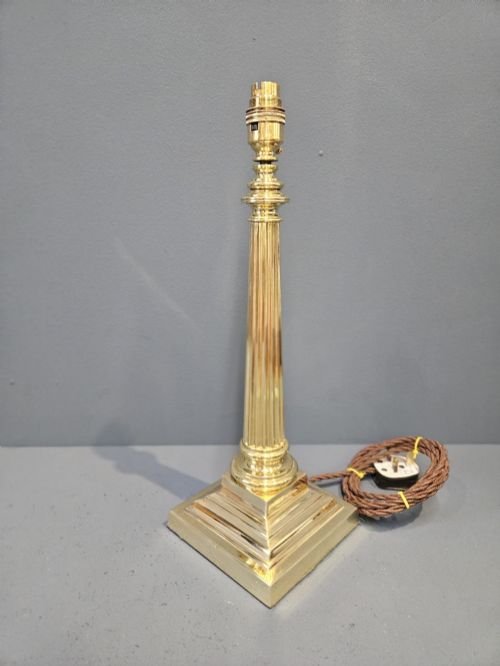
When you examine an edwardian brass column, you find tall vertical shafts modelled on ancient architectural orders, chiefly Corinthian and Doric capitals atop fluted or reeded metal stems. These pieces serve primarily as table lamps, standard lamps, and oil lamps, standing on stepped square bases that ground their height.
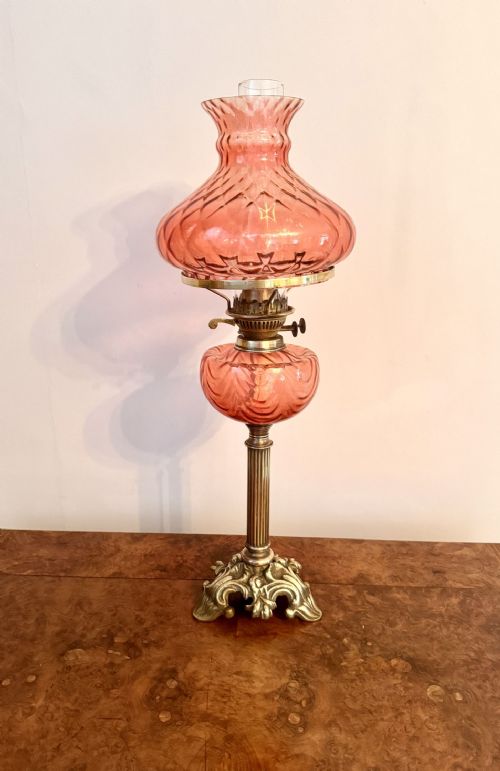
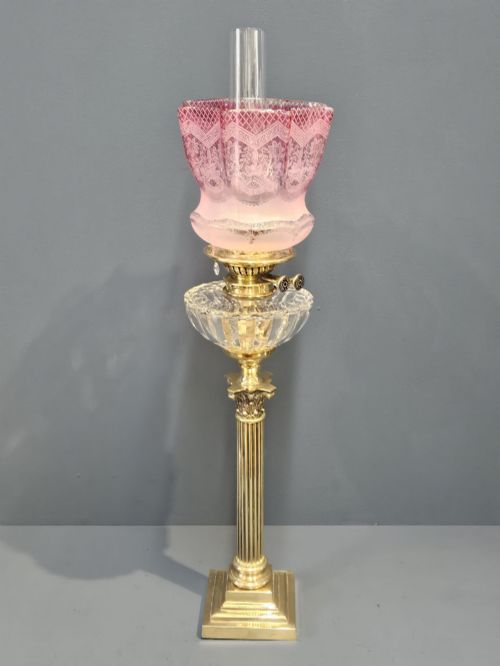
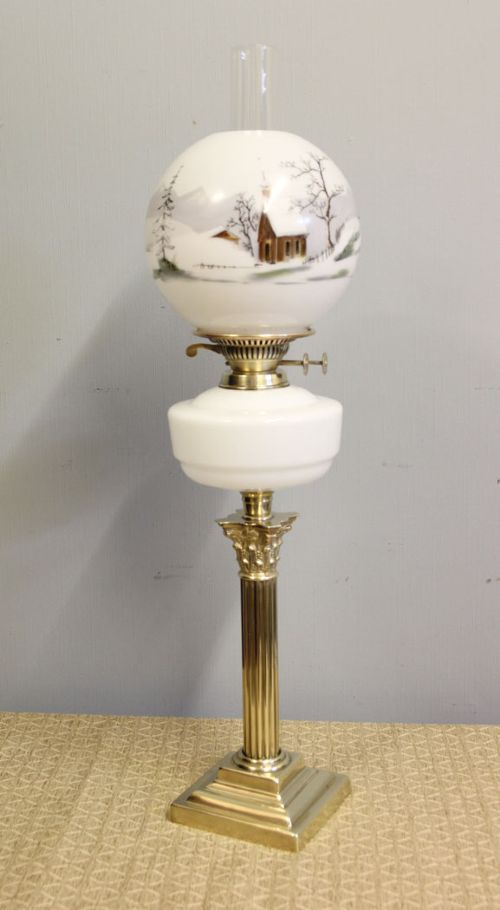
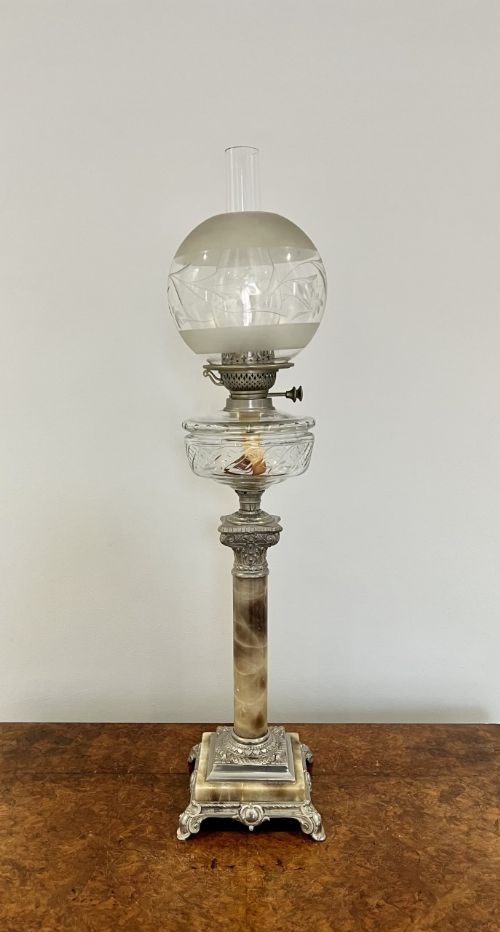
You meet variations spanning the late nineteenth century through to the nineteen-twenties, incorporating classical revival aesthetics alongside functional lighting conversions. Many examples pair the gleaming metal shaft with contrasting font materials such as cranberry glass, opaline glass, or polished marble.
Materials and construction
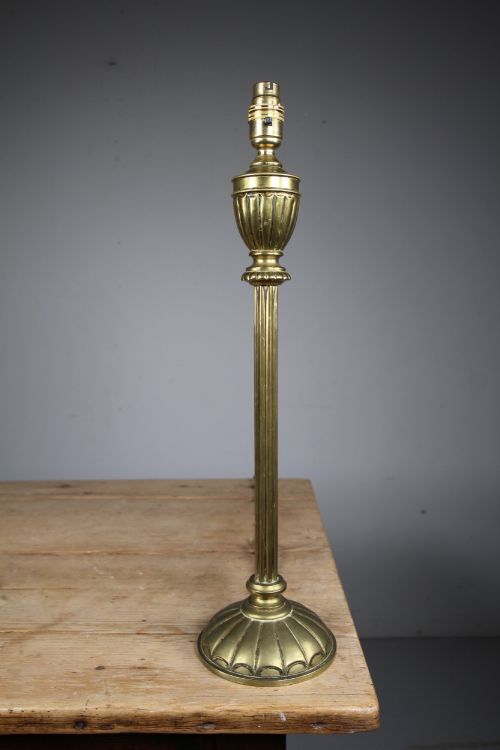
Makers utilised cast and spun brass to construct the structural shafts, capitals, and weighted base plates, often incorporating reeded or fluted channels down the column length. These metal components were frequently combined with turned mahogany, white marble, or glazed ceramic fonts to add weight and textural contrast.
Illumination hardware relied on heavy glass fonts paired with hand-blown or etched shades, sometimes tinted in shades of cranberry or soft pink. Engineering within these pieces involved threaded metal components and internal brass galleries designed to secure burners and later electrical fittings.
Edwardian Brass Column Retail Price Guide 2026
Typical asking prices for edwardian brass column among the pieces listed under this phrase on Sellingantiques today, from the lower quarter to the upper quarter. They describe what is for sale here now, not the wider market.
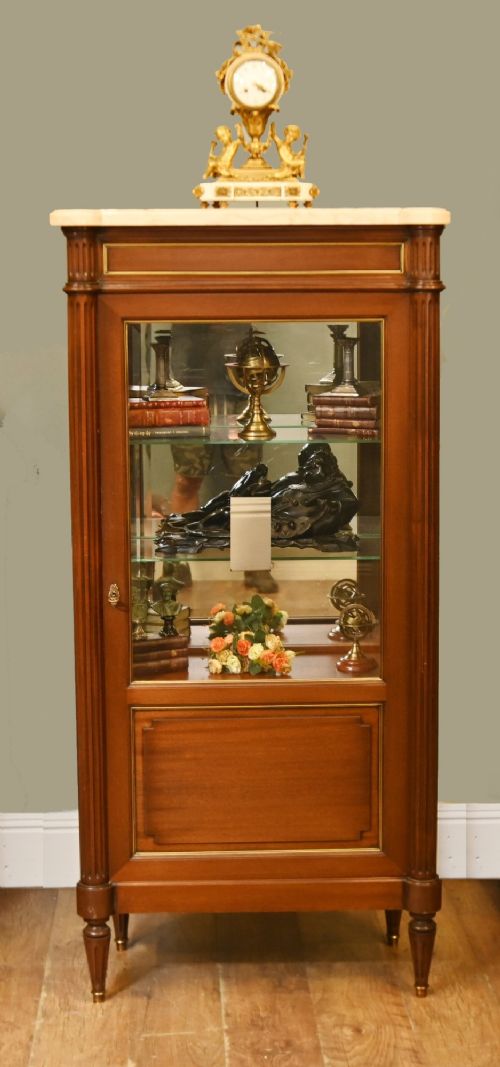
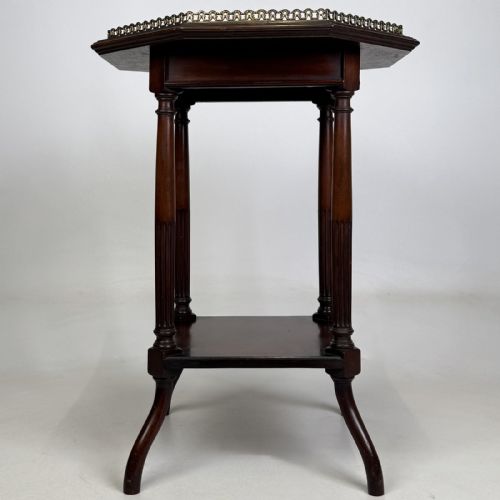
The listings here combine brass and glass materials across standard lamps, table lamps, and wall shelves spanning the Victorian and Edwardian eras.
Judging the standard
The distinction between ordinary and exceptional edwardian brass column examples lies in the crispness of the casting detail across the acanthus leaves and volutes of the capital. Sharply defined metalwork paired with heavy gauge brass indicates superior workshop production, whereas softened edges suggest secondary casting runs.
Proportion and material integrity also dictate worth, particularly where secondary elements like stepped marble bases or flashed glass fonts remain undamaged and properly seated. The integration of maker stamps or patented burner mechanisms elevates certain specimens above standard commercial output.
The Edwardian Brass Column Glossary
- Corinthian capital
- The uppermost member of a column featuring carved acanthus leaves and scrollwork corners. This ornate style is frequently replicated on Edwardian lamp standards.
- Reeded column
- A vertical cylindrical shaft decorated with parallel convex mouldings running its length. It adds texture and light reflection to the metal surface.
- Font
- The oil reservoir positioned directly beneath the burner of a lamp. These are commonly formed from coloured glass, ceramics, or polished stone.
- Standard lamp
- A tall freestanding floor lamp designed to illuminate a wide area. They share the heavy column construction of smaller table models.
- Doric column
- A sturdy, unadorned classical capital style sitting atop a fluted shaft. It offers a simpler architectural silhouette than its Corinthian counterpart.
Edwardian Brass Column: Frequently Asked Questions
How do I identify an Edwardian brass column lamp?
Look for classical architectural detailing such as Corinthian or Doric capitals mounted on substantial brass shafts, often paired with stepped square bases. These pieces frequently show period manufacturing traits consistent with the early twentieth century.
Examine the weight and construction methods, as older examples use heavy cast components rather than lightweight pressed metal. Original oil lamp reservoirs or early wiring configurations also help confirm the age of the piece.
Were these columns originally wired for electricity?
Most tall brass column pieces began life as oil lamps or candlesticks before undergoing later conversion to electricity. This adaptation process typically involved running cords through the central channel without altering the exterior architectural design.
When evaluating converted pieces, check how cleanly the electrical fittings integrate with the historic burner assembly. Professional rewiring ensures the lamp remains safe for modern domestic use while preserving the antique metalwork.
What shades belong on these column lamps?
Period lighting commonly featured opaline glass, etched glass, or coloured cranberry glass shades designed to complement the brass metalwork. These translucent shades soften the light output while echoing the decorative styles of the late Victorian and Edwardian eras.
Matching the scale of the shade to the height of the brass column is essential for proper visual balance. Replacement shades should replicate the traditional proportions and fitter sizes of the original glassware.
How should I clean antique brass?
Maintain the surface using a soft, dry cloth to remove dust without disturbing the aged patina that accumulates over decades. Avoid harsh chemical cleaners or abrasive metal polishes that strip away the desirable historical finish.
Gentle care preserves the subtle variations in tone across the cast capitals and reeded shafts. Letting the brass age naturally protects the character developed since the early twentieth century.