

Edwardian Bracelet
When an edwardian bracelet comes to hand, you hold a delicate piece of early twentieth-century jewellery crafted in gold, silver, or platinum.
Edwardian Bracelet
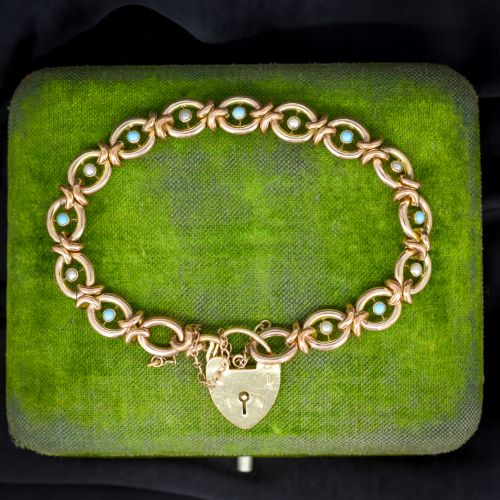
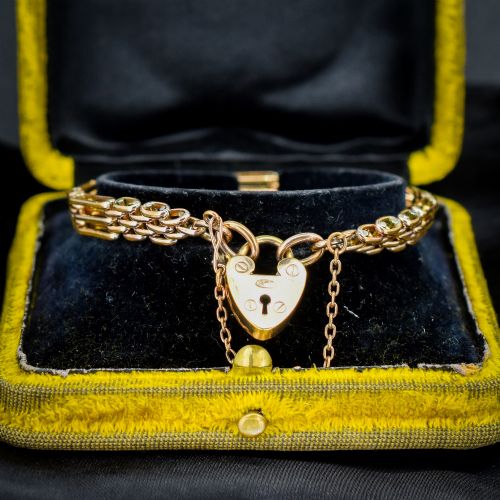
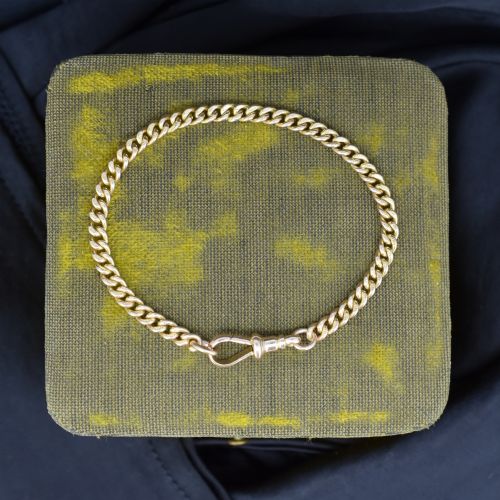
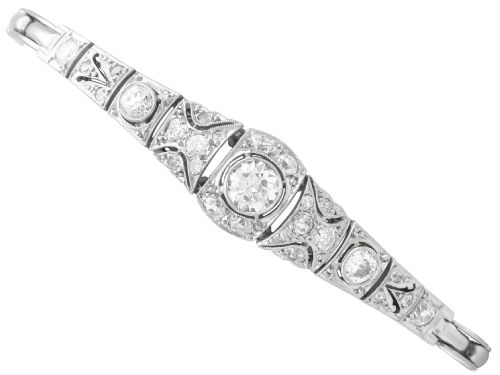
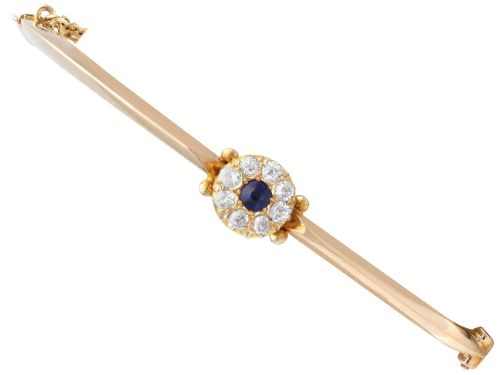
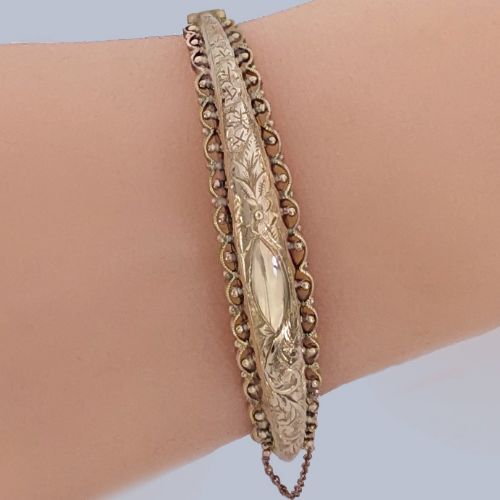
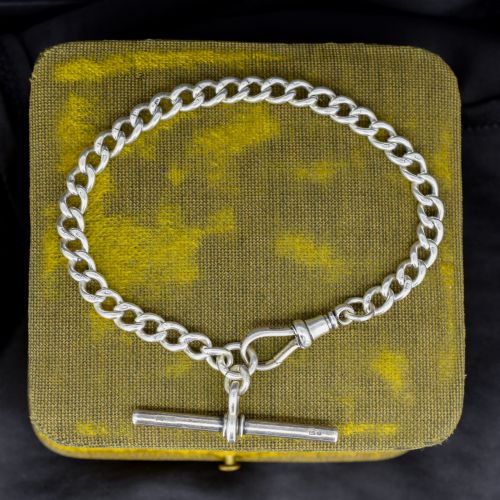
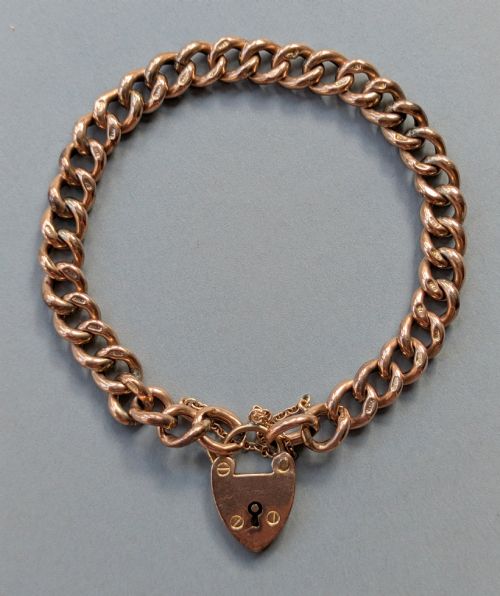
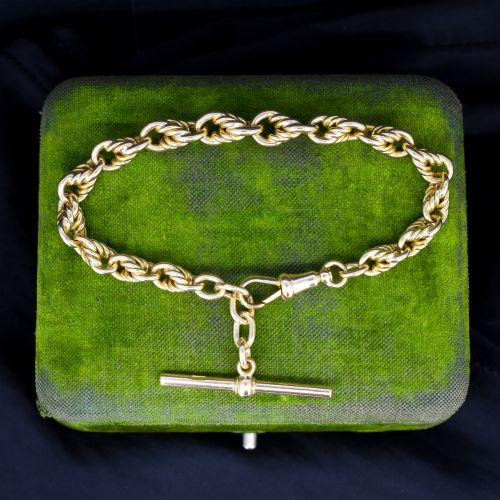
An edwardian bracelet search reveals delicate wristwear spanning the early twentieth century alongside adjacent periods like the Victorian and Art Deco eras. You will frequently encounter curb chains in nine-carat rose gold fitted with padlocks or dog clips, alongside hinged bangles and delicate links set with stones.
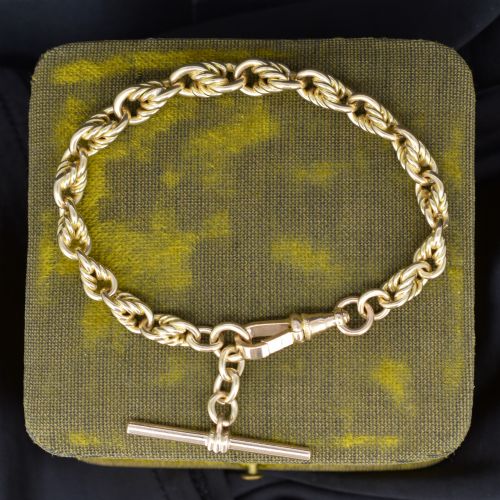
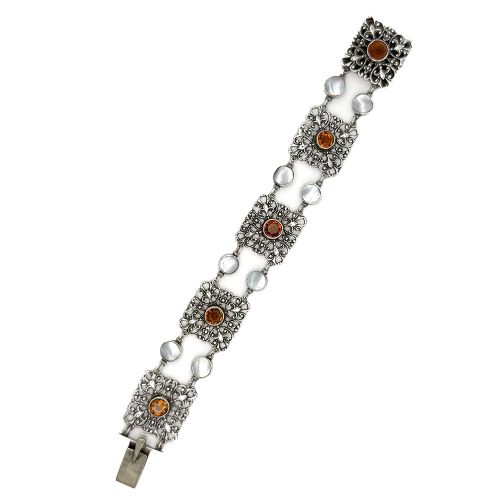
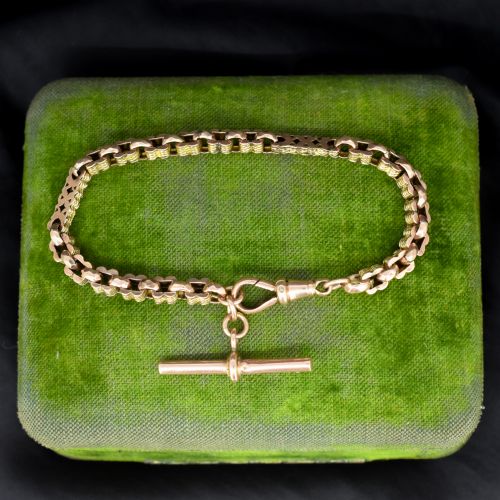
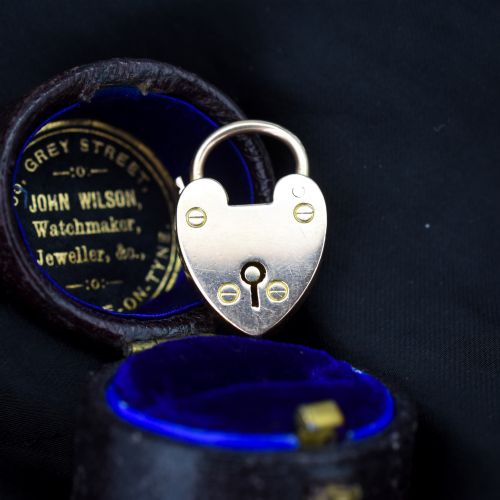
The pieces encompass various styles including Art Nouveau, Arts and Crafts, and Victorian designs, rendered in gold, silver, and platinum. Many items incorporate charming functional elements such as T-bars, safety chains, and heart-shaped padlocks inherited from pocket watch chains.
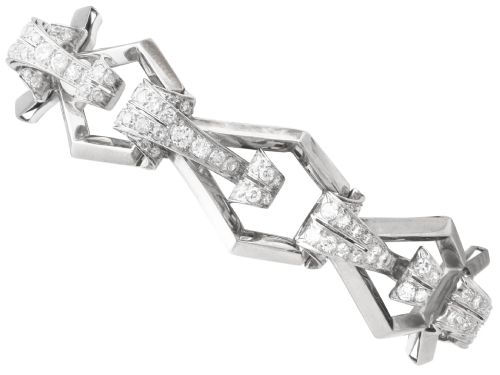
Origin points range from British workshops to Italian studios, featuring both fine gem-set creations and everyday charm bracelets. The selection captures a transition from ornate nineteenth-century revivals toward the geometric lines of the nineteen-twenties.
Materials and construction methods
Metals form the structural backbone, predominantly nine-carat rose gold, fifteen-carat yellow gold, sterling silver, and platinum. Goldsmiths utilised hollow and solid links, tubular bars, and hinged cuffs, often finishing surfaces with half-engraved patterns or niello work.
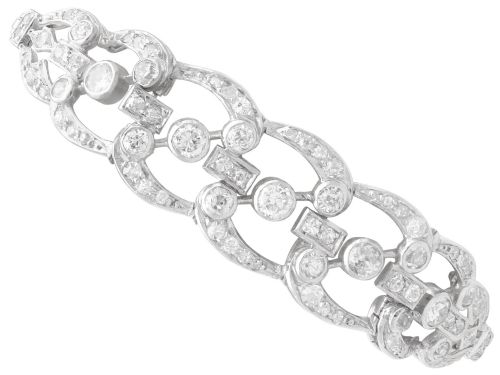
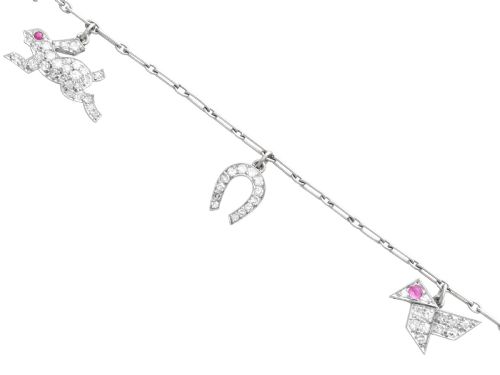
Gemstone selection defines the character of many pieces, bringing together diamonds, peridots, rubies, garnets, turquoise, pearls, and blister pearls. Stones are mounted in claw or flush settings, while paste stones provide colourful sparkle in silver statement pieces.
Edwardian Bracelet Retail Price Guide 2026
Typical asking prices for edwardian bracelet among the pieces listed under this phrase on Sellingantiques today, from the lower quarter to the upper quarter. They describe what is for sale here now, not the wider market.
Several pieces feature tiny carved silver pigs and tennis rackets dangling from split rings, proving Victorians loved quirky sports and lucky charms just as much as we do.
Assessing quality and craftsmanship
The distinction between standard examples and superior pieces rests on the weight of the metal and the integrity of the links. Substantial gram weights in curb chains and robust hinges on bangles indicate higher durability and better original manufacture.
Artistic execution and stone quality separate fine examples from ordinary production. Hand-engraved detail, matched natural pearls, and well-cut diamonds elevate a piece, while maker attributions add historical weight.
Amy Sandheim
The Edwardian Bracelet Glossary
- Curb link
- A type of chain formed by interlocking, slightly flattened links that lie flat against the wrist. This sturdy form frequently supports padlocks or dog clips.
- Dog clip
- A small, spring-loaded clasp shaped like a miniature hook, commonly used on nineteenth and early twentieth-century chain bracelets to secure a T-bar or pendant.
- Padlock clasp
- A miniature heart-shaped or rectangular lock used as a functional fastener on gate and curb bracelets. These often secure with a snap action rather than a key.
- T-bar
- A short metal bar attached by a small chain to a bracelet, originally designed to slip through a waistcoat buttonhole. It remains as a decorative or functional toggle.
- Paste
- Hand-cut lead glass used as a gemstone substitute in antique jewellery. It provides brilliance and colour without using precious stones.
Edwardian Bracelet: Frequently Asked Questions
How do I wear an antique chain bracelet safely?
Most antique chain bracelets secure with a dog clip or padlock clasp that fastens onto a ring or link. Ensure the spring mechanism snaps firmly shut before wearing.
Consider adding a thin safety chain if the main clasp relies solely on historical spring tension. This prevents accidental loss during daily wear.
What is the difference between a Victorian and an Edwardian bracelet?
Victorian bracelets often feature heavier, highly ornate designs with substantial gold weights, dark garnets, or mourning motifs. They lean toward romantic symbolism and rich yellow or rose gold.
Edwardian pieces introduce lighter, airier platinum and silver settings, frequently incorporating diamonds and pearls. The aesthetic shifts toward delicate lace-like geometry and refined grace.
Can I resize an antique bangle or chain?
Chain bracelets are generally straightforward for a jeweller to alter by adding or removing uniform links. Solid curb links and gate chains lend themselves well to length adjustments.
Hinged bangles present greater difficulty because resizing alters the internal circumference and disrupts engravings or safety mechanisms. Consult a specialist familiar with antique construction before attempting alterations.
How do I clean nineteenth-century gold and gemstones?
Clean most gold and durable gemstone pieces using warm water, a mild soap, and a very soft brush. Avoid harsh chemical dips that strip historical patina or damage softer organic gems.
Pearls, turquoise, and paste stones require particular caution because porous materials absorb moisture and chemicals. Wipe these gently with a damp cloth rather than submerging them.