
Edwardian Bookshelf Unit
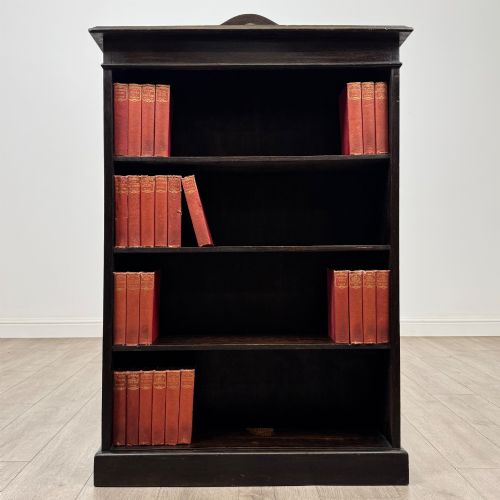
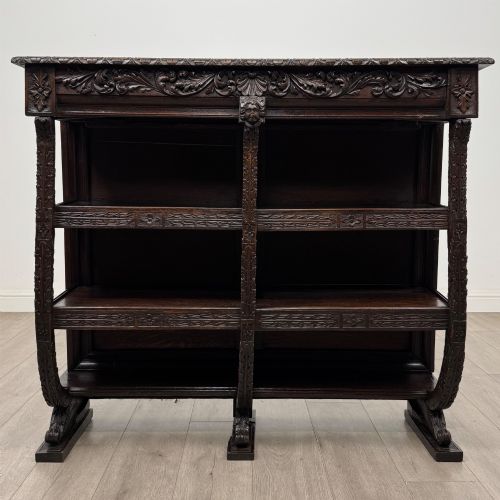
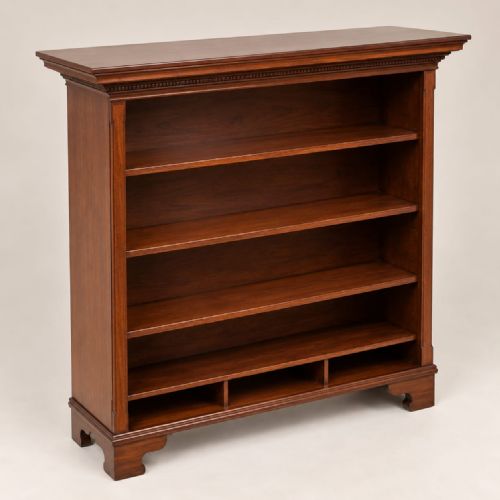
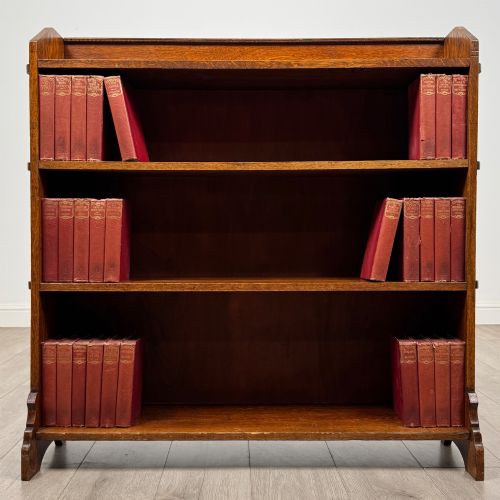
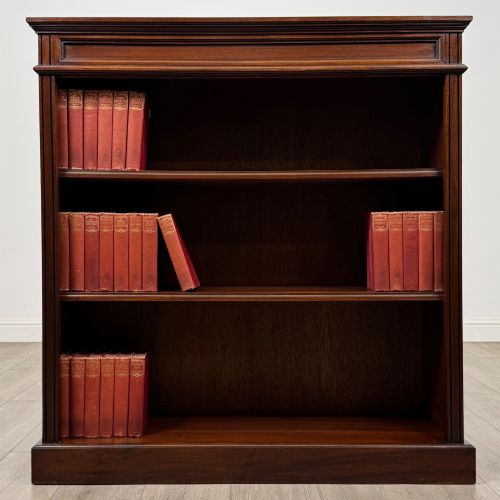
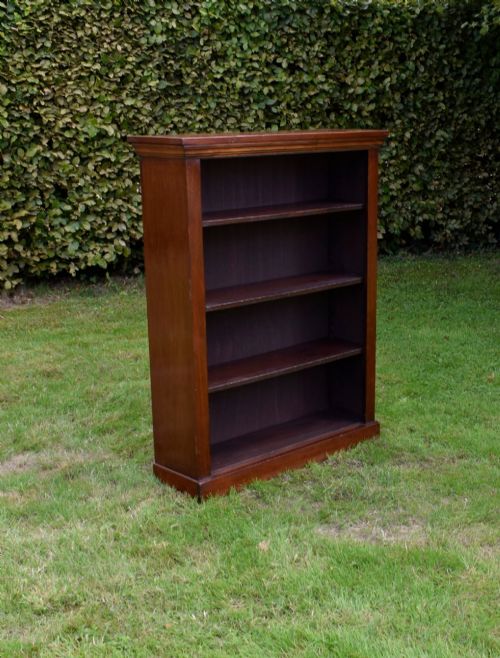
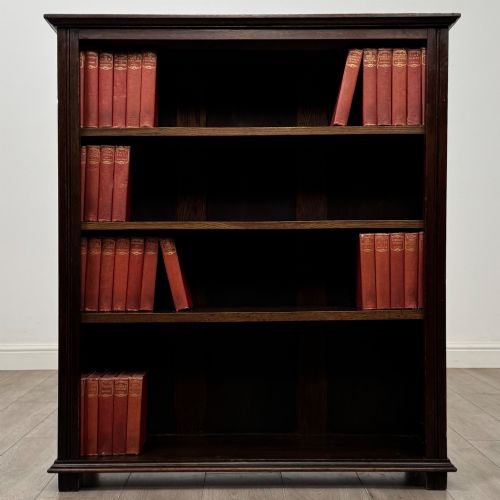
An edwardian bookshelf unit brings practical storage and period character into a room, offering sturdy shelving framed in rich timbers.
Edwardian Bookshelf Unit
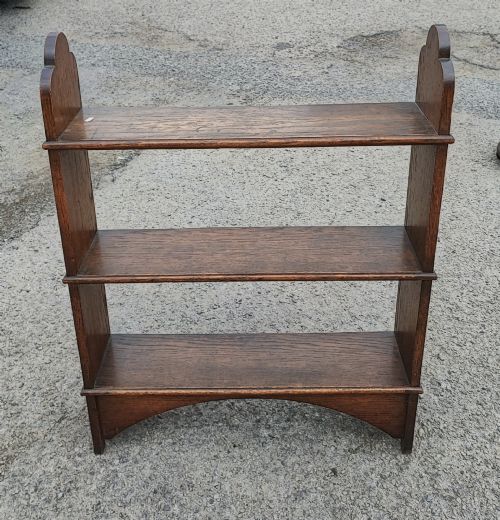
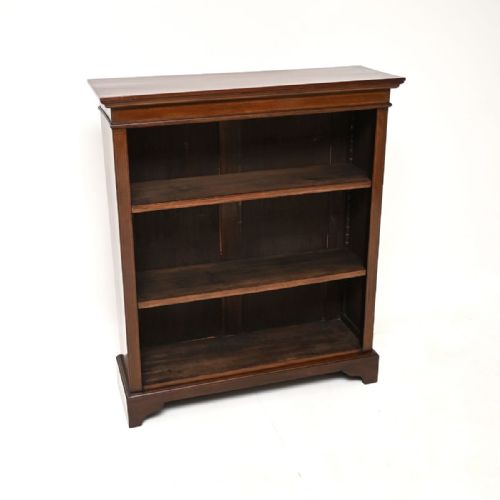
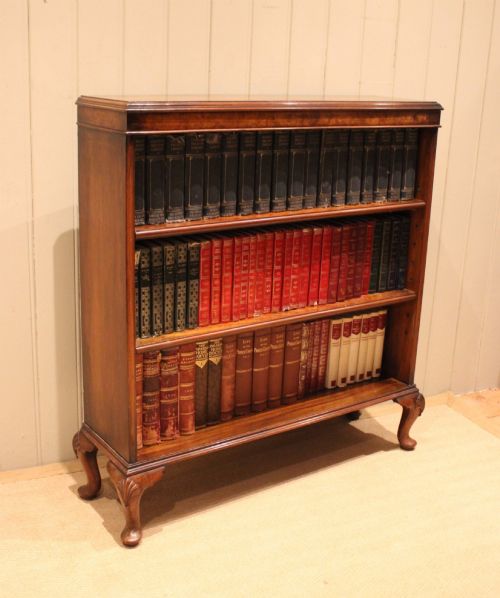
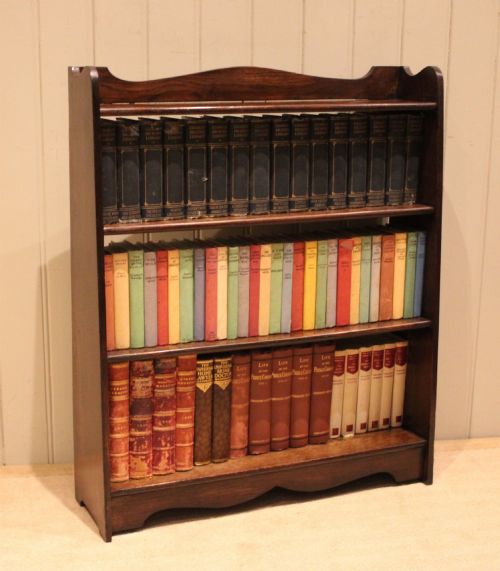
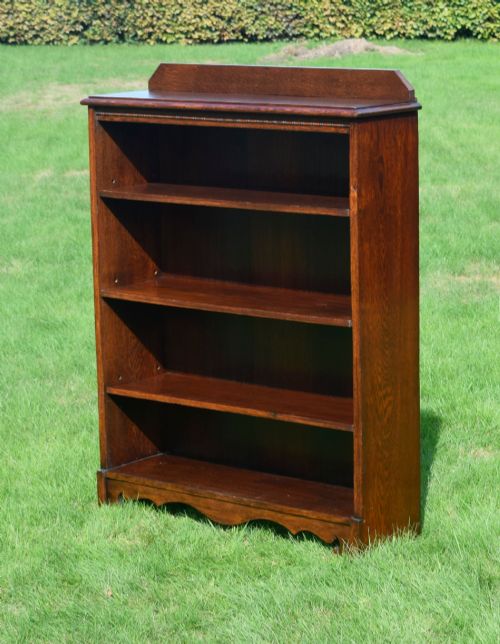
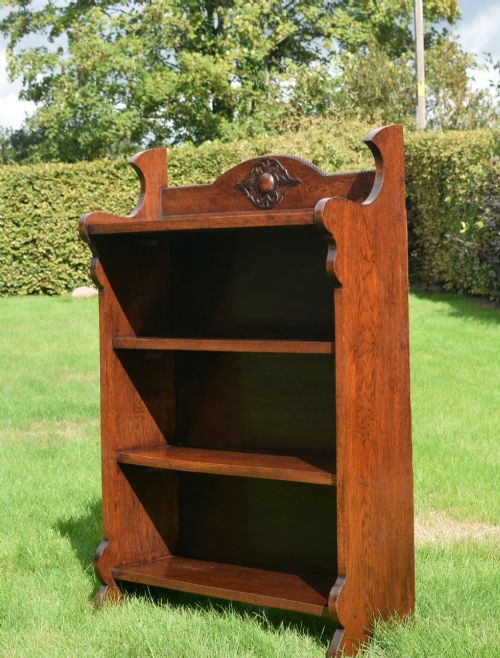
An edwardian bookshelf unit is typically encountered as an open bookcase or multi-tiered shelving structure dating from the early twentieth century. These pieces reflect the domestic priorities of their era, providing accessible storage for growing home libraries and collections of literature.
The selections available span straightforward open designs in oak and mahogany, alongside revolving formats and variations featuring inlaid details. Alongside pieces explicitly from the Edwardian period, related examples from the late Victorian era and the 1920s appear frequently.
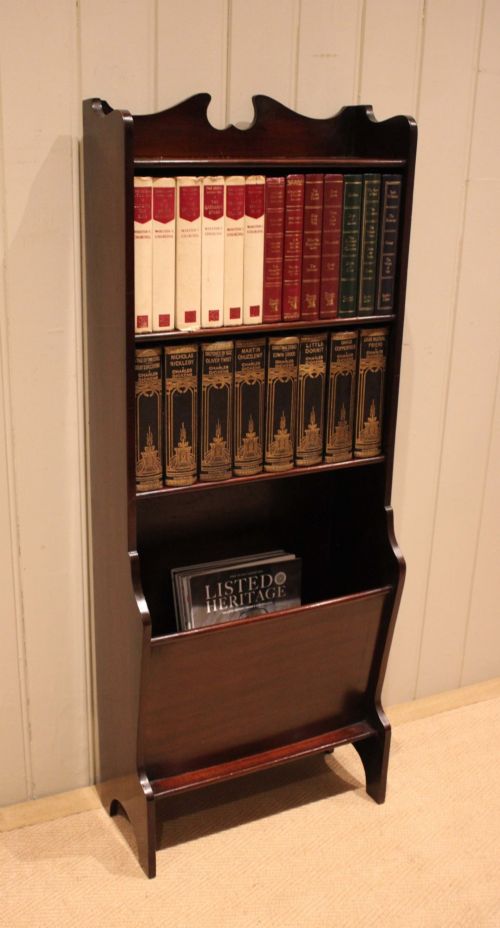
Forms range from small, compact units suited to tight spaces to large library bookcases designed to house substantial volumes. Many incorporate adjustable shelves or built-in magazine racks to accommodate diverse storage needs.
Materials and Construction
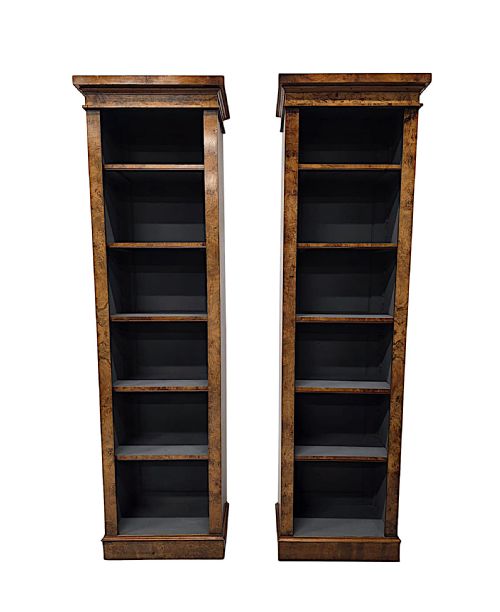
Timbers such as oak and mahogany form the structural backbone of these pieces, providing the necessary strength to support heavy rows of books. Carpenters also utilised walnut, burr walnut, and satinwood for finer finishes and decorative impact.
Surface detailing often includes brass hardware, subtle inlay work, and carved elements aligned with Arts and Crafts or revival styles. Joinery techniques from the period ensured that open frames and adjustable shelf mechanisms remained durable under daily use.
Some slim revolving bookcases let you spin your entire library with a gentle nudge while sitting entirely still.
Assessing Quality and Character
The grade of timber and the crispness of any inlaid work largely determine the standing of an edwardian bookshelf unit. Selected grains in walnut or figured mahogany distinguish more ambitious workshop output from standard domestic furniture.
Proportion and structural integrity separate simpler pieces from finer examples attributed to known makers or specific design movements like Arts and Crafts. Well-executed adjustable shelving systems and original brass castors add both utility and refinement.
Heals
The Edwardian Bookshelf Unit Glossary
- Open bookcase
- A shelving unit without doors, designed for immediate access to books.
- Inlay
- A technique where contrasting woods or materials are set into the surface to create decorative patterns.
- Revolving bookcase
- A freestanding unit mounted on a rotating base to allow access from multiple angles.
- Waterfall bookcase
- A tiered shelving design where each successive shelf steps back from the one below.
- Adjustable shelves
- Shelves resting on movable supports that allow the vertical spacing to be altered.
Edwardian Bookshelf Unit: Frequently Asked Questions
What is an edwardian bookshelf unit?
An edwardian bookshelf unit is a piece of furniture designed primarily to store books, featuring open shelves and dating from the early twentieth century.
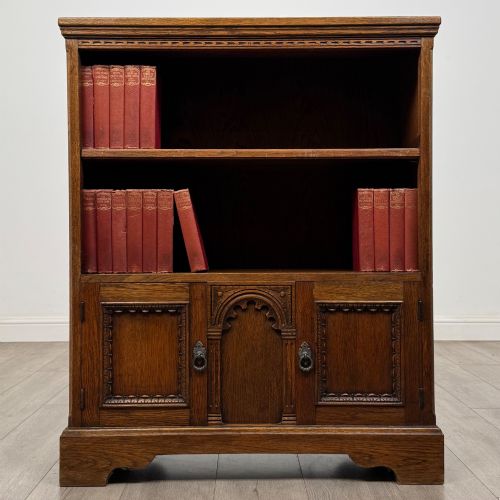
These units often incorporate practical elements like adjustable shelves, magazine racks, or small cupboards alongside their main shelving compartments.
How were these bookcases used?
They served in studies, libraries, and parlours to keep household volumes organised and readily accessible for daily reading.
Many smaller versions were placed beside armchairs or desks to hold current reading material and periodicals.
How do I style one at home?
An edwardian bookshelf unit suits both traditional and contemporary interiors by introducing warm wooden tones and period craftsmanship.
Mix vertical rows of books with decorative objects or framed prints to balance the visual weight of the timber.
How do I tell periods apart?
Victorian pieces often feature darker finishes, heavier carvings, and Gothic revival influences, whereas Edwardian examples tend to feel lighter and simpler.
Pieces from the 1920s frequently display stripped oak surfaces or subtle Arts and Crafts influences that distance them from ornate Victorian styling.