



Edwardian Bookcase with Glass Doors
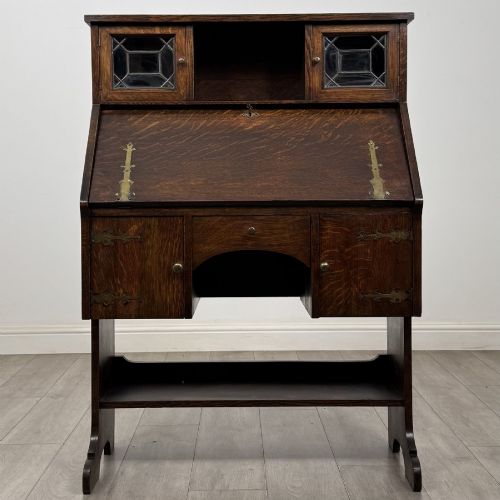
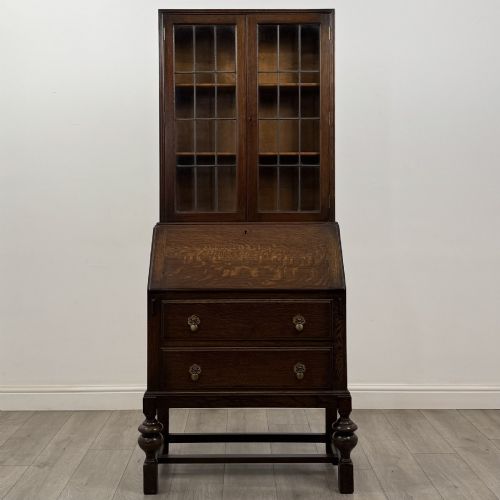
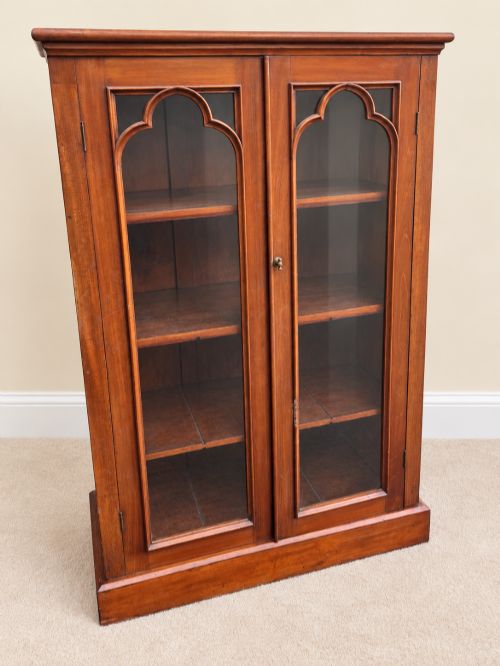
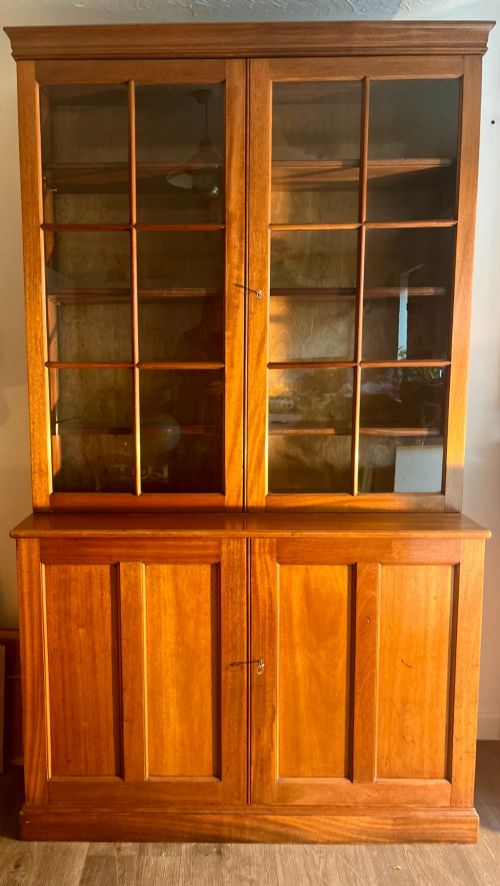
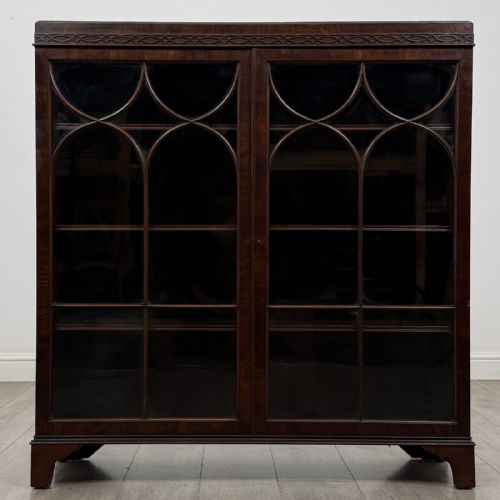
An edwardian bookcase with glass doors holds the library securely behind polished timber and clear panes, combining display with practical storage.
Edwardian Bookcase with Glass Doors
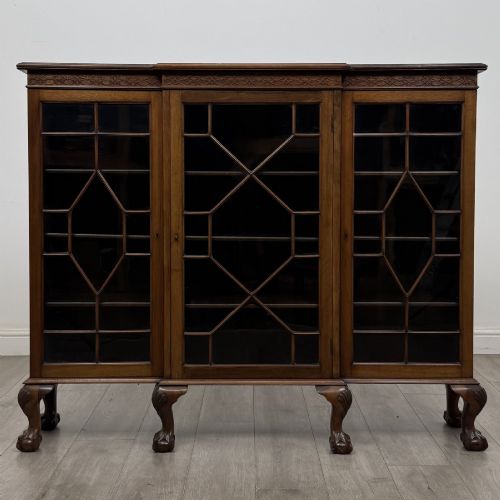
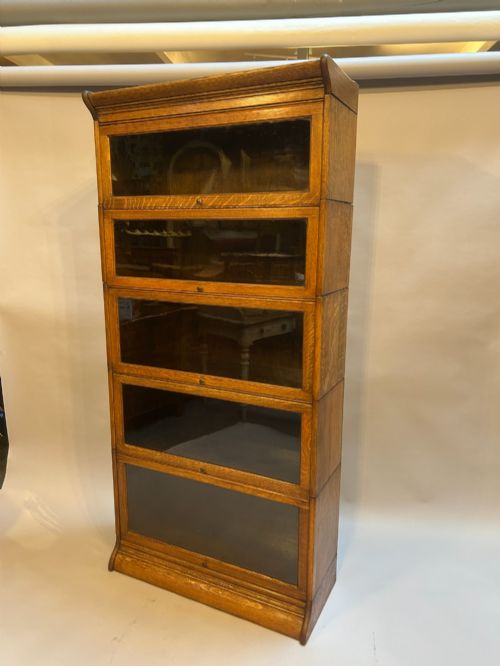
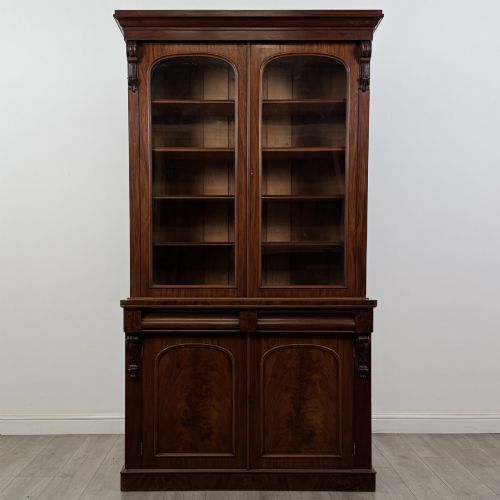
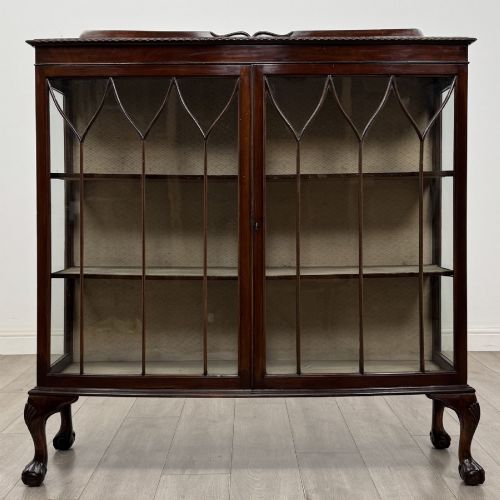
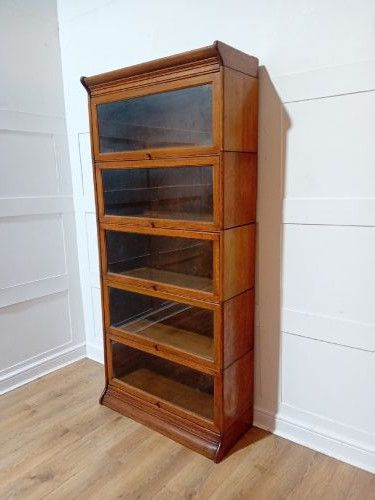
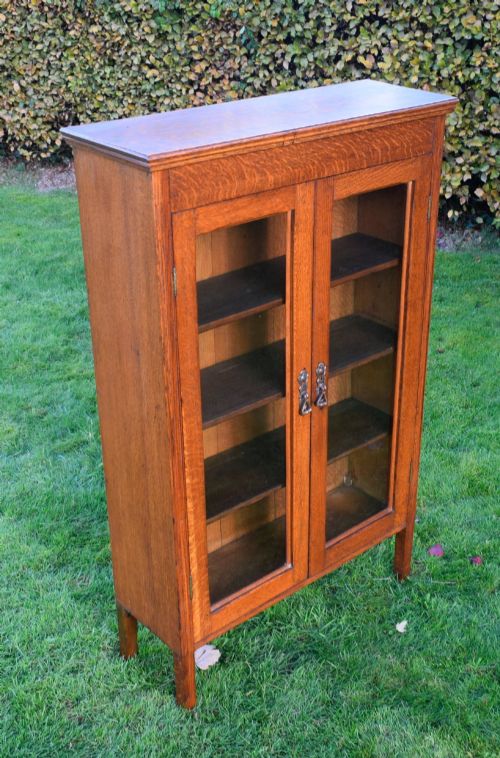
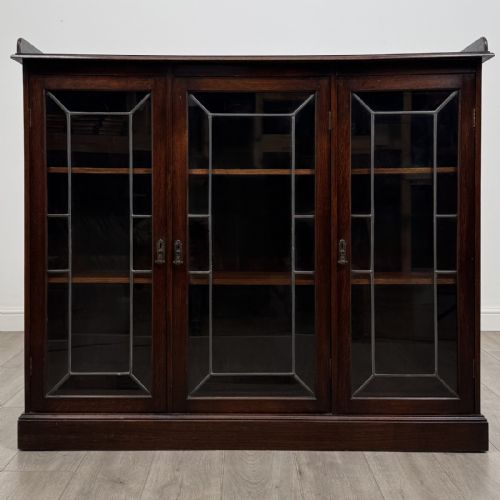
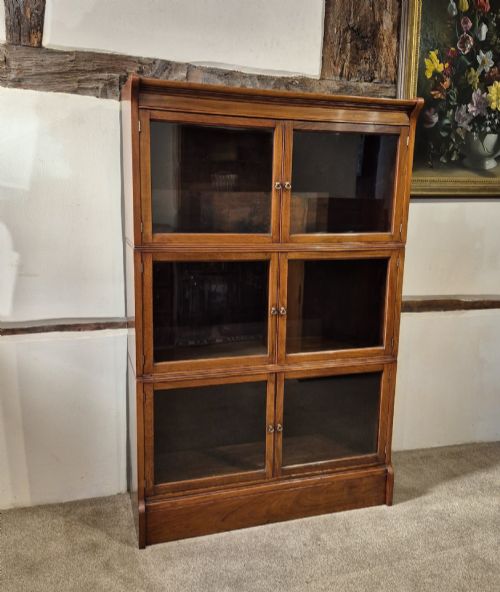
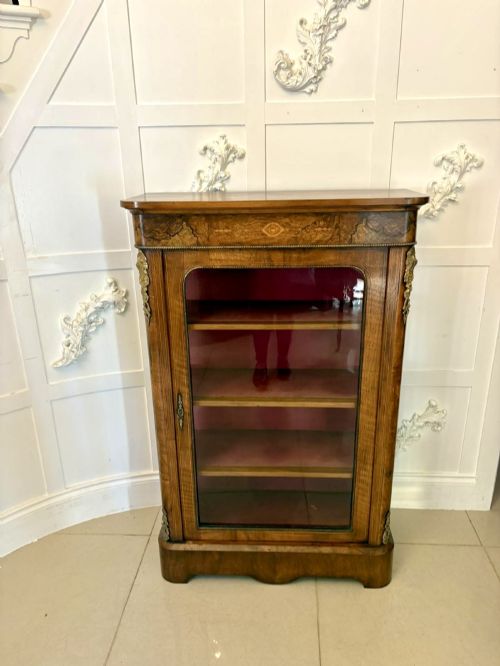
An edwardian bookcase with glass doors brings together the practical storage of books and the decorative display of cherished objects, taking forms that range from upright floor cases to stacking barrister sections and side cabinets. These pieces often arrive from the Edwardian period itself or close adjacent years like nineteen hundred and nineteen ten, while occasionally drawing on late Victorian roots or reaching into nineteen twenty.
Stylistic influences vary across the selection, running from standard Edwardian and Sheraton Revival to Arts and Crafts, Art Deco, and revival modes such as Jacobean and Edwardian Chippendale. Buyers encounter pieces finished in plain timber, black paint, or enriched with satinwood inlay and gilt mounts.
How they were made
Cabinet makers constructed these pieces principally using mahogany and oak, often incorporating secondary timbers alongside decorative elements like satinwood, brass, metal, and lead. Glass played a central role, fitted into doors using timber framing or leaded cames.
Surface decoration relied on varied techniques, including delicate inlay work, satinwood painted details, black paint finishes, and gilt mounting. Modular designs appeared in stacking systems with multiple sections, while traditional joinery ensured stable frames for heavy glazed doors.
Edwardian Bookcase with Glass Doors Retail Price Guide 2026
Typical asking prices for edwardian bookcase with glass doors among the pieces listed under this phrase on Sellingantiques today, from the lower quarter to the upper quarter. They describe what is for sale here now, not the wider market.
One Edwardian display cabinet carries later sign-written perfume brand names on its glass, recording its past life in trade.
What varies in quality
The refinement of the timber and the crispness of the secondary decoration set the standard across these cabinets, distinguishing simpler utilitarian cupboards from finely appointed display pieces. Finer examples display carefully selected figured walnut or rich mahogany paired with precise inlay and painted details.
Construction methods also separate standard production from superior work, seen in the smoothness of sliding mechanisms, the tightness of glazed door joints, and the integration of brass hardware or gilt mounts.
Globe Wernicke·Liberty·Minty·John Alexander
The Edwardian Bookcase with Glass Doors Glossary
- Astragal glazing
- A method where thin timber bars divide a glass door into smaller panes, creating a structured lattice pattern. This technique adds rigidity to larger doors while enhancing the visual lightness of the cabinet front.
- Globe Wernicke
- A modular stacking bookcase system invented in the late nineteenth century, composed of individual barrister sections with glass doors that lift and slide inside the case. These sections stack together to form a customisable bookcase.
- Sheraton Revival
- A late nineteenth and early twentieth century style drawing inspiration from eighteenth century designer Thomas Sheraton, characterised by symmetrical forms, light mahogany timbers, and delicate satinwood inlay.
- Gallery
- A low decorative railing or raised border placed around the top surface of a cabinet, originally designed to keep small items from sliding off. They appear frequently on smaller oak cupboards and side cabinets.
- Lead cames
- Narrow strips of lead used to hold individual small panes of glass together in leaded doors, providing both structural support and decorative linear patterns.
Edwardian Bookcase with Glass Doors: Frequently Asked Questions
What periods do these bookcases come from?
The pieces span the Edwardian era and surrounding decades, including late Victorian manufacture up to the nineteen twenties.
Craftsmen produced them across a time of shifting tastes, blending earlier revival styles with simpler utilitarian forms.
How were stacking bookcases used?
Stacking barrister bookcases allowed owners to add individual glazed sections as their libraries grew over time.
The modular design kept books protected behind glass while remaining easy to reconfigure or move.
What timbers appear most often?
Oak and mahogany form the foundation of almost every piece listed, providing sturdy frames for heavy glass doors.
Cabinet makers also utilised walnut, satinwood, and black paint finishes to achieve different decorative effects.
How do I distinguish revival styles?
Sheraton Revival pieces favour light mahogany and delicate inlay, whereas Arts and Crafts examples lean towards simpler lines and makers such as Liberty.
Revival styles look back to earlier historical periods while maintaining the proportions typical of the early twentieth century.