
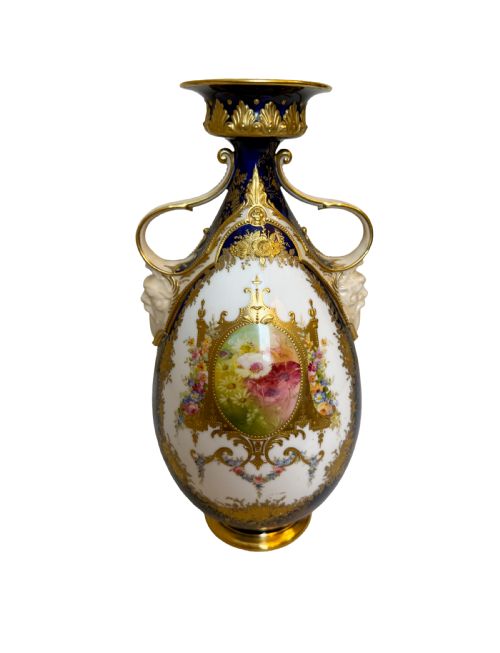
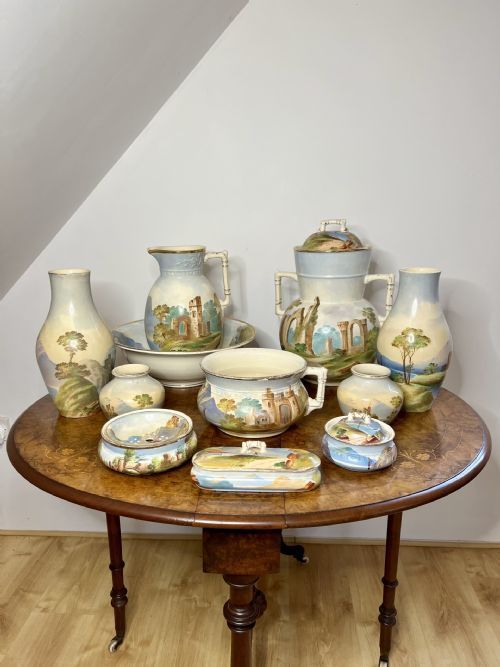


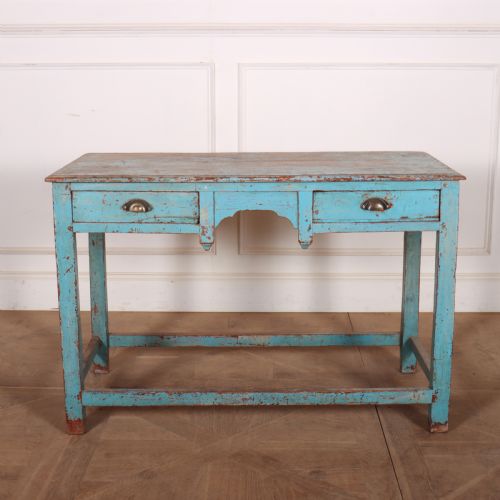


Edwardian Blue Painted Table
An edwardian blue painted table brings painted colour and period craft into a room, offering both practical surface space and decorative charm.
Edwardian Blue Painted Table
When you search for an edwardian blue painted table, you encounter painted wooden furniture spanning the late nineteenth and early twentieth centuries, alongside related pieces finished in blue paint. The selection on this page ranges across styles such as Edwardian, Victorian, and rustic farmhouse variants.
You are most likely to meet bedside cabinets, lamp tables, and washstands rather than standard occasional tables. These items demonstrate the period preference for functional household objects enhanced with decorative painted surfaces.
The origins reflect both English and continental workshops from the Edwardian era, 1900, 1910, 1890, 1920, and the nineteenth century. Each piece carries the distinct surface treatment characteristic of its period.
Materials and construction
Pine forms the primary structural timber for these painted items, providing a sturdy base for surface decoration. Craftsmen applied oil or water-based paint directly to the wood, sometimes combining it with enamel, porcelain, or gilt highlights.
Surface ornamentation involved hand-painted details, gilding, and occasionally marble tops fitted to washstands. The integration of brass fittings and bone china components further defined the decorative execution of these domestic objects.
Listings feature items spanning the nineteenth century, Edwardian era, 1900, 1910, and 1920, utilising pine, paint, enamel, porcelain, and gilt.
Assessing quality
Quality reveals itself in the execution of the hand-painted decoration and the preservation of the original surface. Finer examples display deliberate brushwork and cohesive integration of gilt or enamel elements.
The structural integrity of the pine framework and the retention of original hardware distinguish superior items from more utilitarian examples. The harmony between the painted finish and the underlying timber dictates the visual success of each piece.
The Edwardian Blue Painted Table Glossary
- Edwardian
- Dating from the reign of Edward VII, typically spanning from 1901 to 1910. This period favoured lighter furniture designs and decorative painted finishes.
- Pine
- A softwood commonly utilised for painted nineteenth-century and Edwardian furniture. Its stable grain made it an ideal base for applied paint and enamel.
- Gilt
- Applied gold leaf or gold paint used to highlight carved details or painted motifs. It adds reflective contrast to blue painted surfaces.
- Enamel
- A hard, glossy vitreous coating fused to metal or pottery. It provides durable colour and a smooth surface finish.
- Chinoiserie
- A decorative style reflecting European interpretations of Chinese artistic traditions. It frequently appears on early twentieth-century painted tables and lamps.
Edwardian Blue Painted Table: Frequently Asked Questions
How do I date an edwardian blue painted table?
Dating relies on construction methods, timber choice, and the stylistic traits of the painted decoration. Pieces from the Edwardian era often show lighter proportions compared to heavier Victorian predecessors.
Examining the paint layers and secondary woods helps determine whether a finish is original to the period or a later application.
Where were these tables used?
These items served functional roles in bedrooms, drawing rooms, and hallways of period homes. Bedside cabinets and lamp tables provided convenient surfaces for lighting and personal items.
Washstands were specifically designed to hold basins and water pitchers for daily washing before modern plumbing became standard.
How do I care for painted wooden furniture?
Preserving a painted surface requires keeping the furniture away from direct sunlight and excessive moisture fluctuations. Dusting with a soft, dry cloth prevents particulate accumulation without harming the finish.
Avoid chemical polishes that can degrade historical paint layers and delicate gilt details over time.