


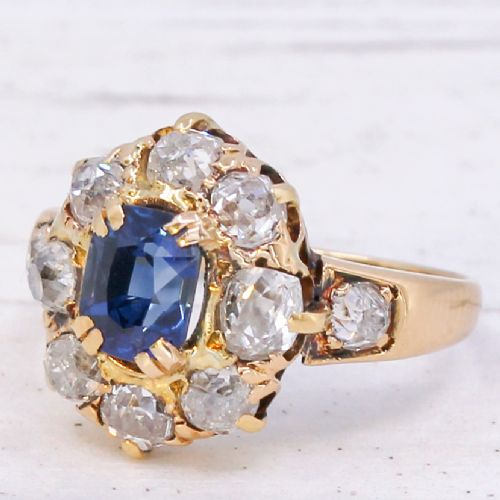


Edwardian Blue Gemstone Ring
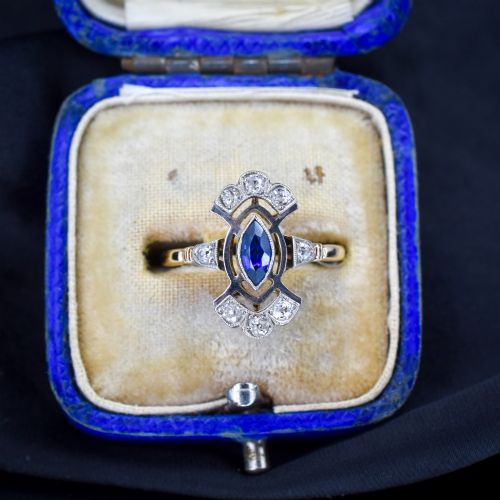
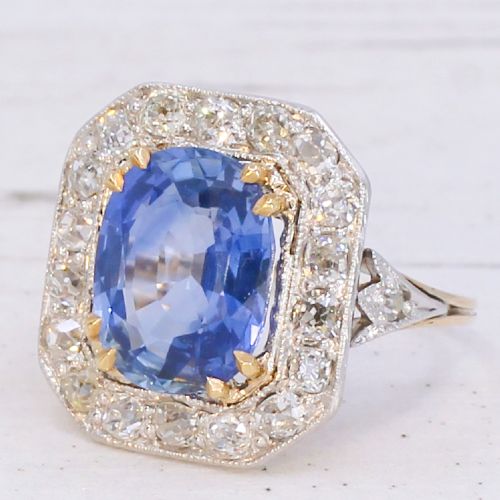
An edwardian blue gemstone ring is a delicate piece of period jewellery, prized for vibrant sapphires and intricate diamond settings.
Edwardian Blue Gemstone Ring
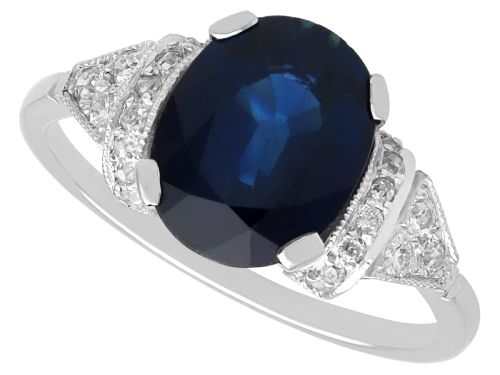
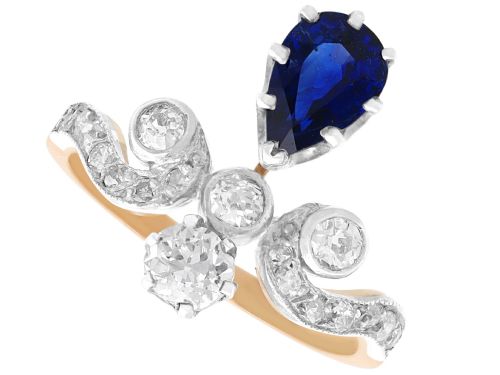
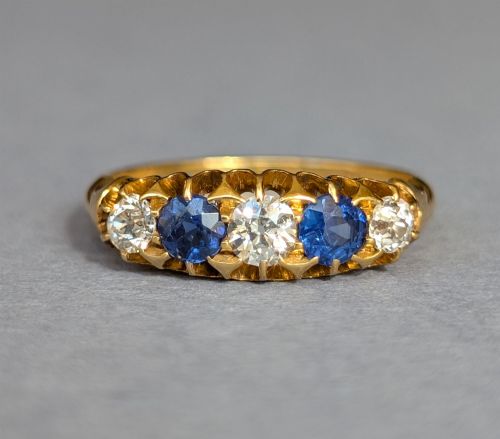
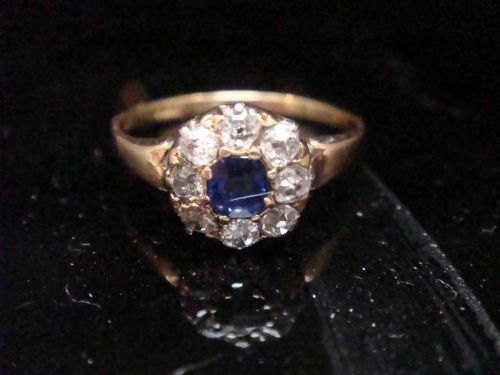
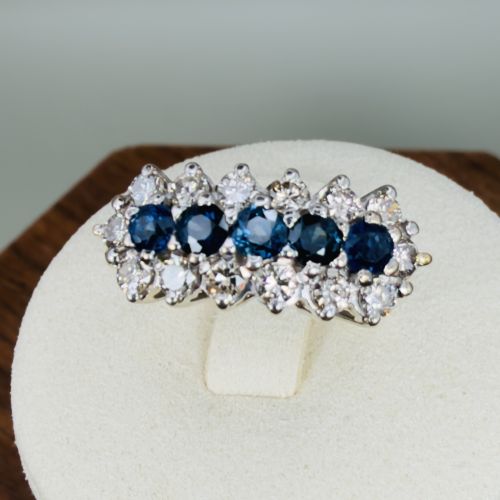
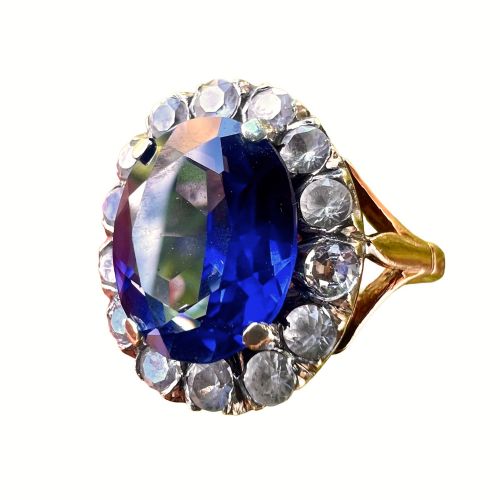
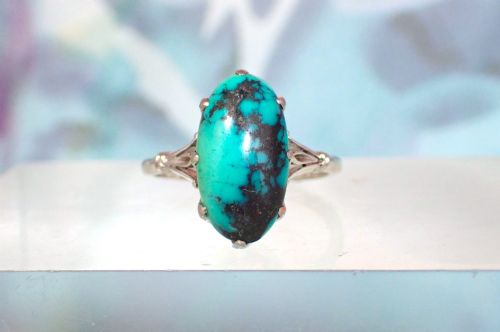
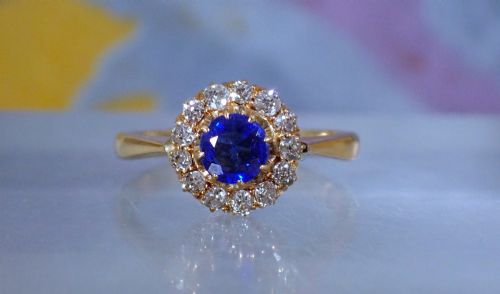
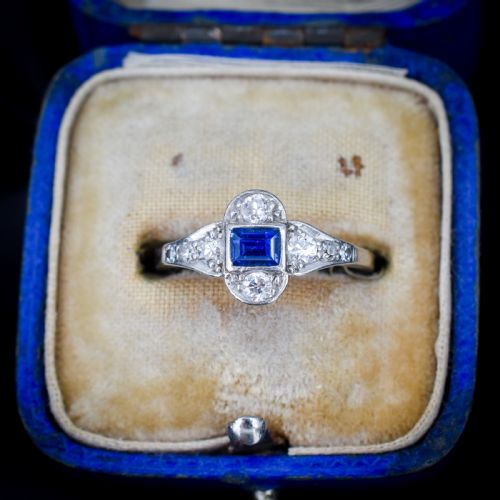
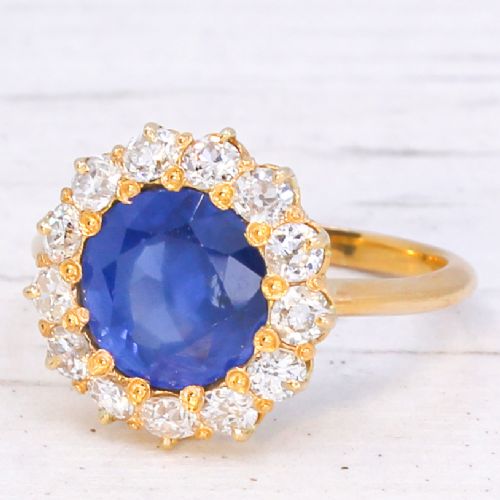
When searching for an edwardian blue gemstone ring, buyers encounter pieces defined by sapphire, turquoise, moonstone, and zircon set in gold or platinum. The form leans heavily toward cluster, daisy, and boat shapes that sit low upon the finger.
Most examples originate from the Edwardian period or neighbouring early decades, frequently pairing blue central stones with old cut diamonds. Variations include later Art Deco revivals and mid-century interpretations of these classic early designs.
The profile of these rings ranges from delicate milgrain-edged mountings to bolder cluster configurations. Yellow gold, white gold, and platinum dominate the structural choices found across the selection.
Materials and construction
Goldsmiths of the period relied on 18ct yellow gold, 18ct white gold, and platinum to fabricate secure settings for fragile gems. Stones such as sapphires, aquamarines, and zircons were shaped into oval, round, and cabochon cuts.
Diamonds were predominantly hand-cut using old mining or old European techniques, showing distinct facets compared to modern stones. Metalwork often incorporated fine claw settings and delicate wirework to maximise light transmission through the blue gemstones.
Edwardian Blue Gemstone Ring Retail Price Guide 2026
Typical asking prices for edwardian blue gemstone ring among the pieces listed under this phrase on Sellingantiques today, from the lower quarter to the upper quarter. They describe what is for sale here now, not the wider market.
Listings feature yellow gold, white gold, and platinum alongside diamonds, sapphires, aquamarines, and zircons.
Distinctions in quality
Quality rests primarily upon the provenance and natural state of the central blue gemstone, particularly unheated stones originating from Kashmir or Burma. The clarity and colour saturation of sapphires or zircons dictate the upper tier of the market.
Execution of the metalwork separates finer pieces from standard production, visible in the precision of claw placement and the crispness of gallery wirework. Original hallmarks and untouched stone settings also elevate the standing of a ring.
The Edwardian Blue Gemstone Ring Glossary
- Cluster ring
- A central gemstone surrounded by a ring of smaller stones, usually diamonds. This arrangement maximises visual impact and light reflection.
- Boat ring
- A navette-shaped ring mounting that curves gently across the finger. The elongated silhouette accommodates multiple stones in a row.
- Milgrain
- A decorative technique creating a tiny beaded border along the edges of metal settings. It was widely used during the Edwardian era to soften the transition into gemstones.
- Cabochon
- A gemstone polished into a smooth rounded dome rather than faceted. This cut is typical for moonstones and certain sapphires.
Edwardian Blue Gemstone Ring: Frequently Asked Questions
How do I wear an antique ring safely?
Remove delicate antique jewellery before undertaking manual work, gardening, or heavy lifting to protect fragile settings and soft gemstones.
Store pieces individually in lined boxes to prevent stones from scratching one another when not on the hand.
Are these rings suitable for daily wear?
Many Edwardian and antique rings withstand daily wear if constructed in robust metals like 18ct gold or platinum.
Gemstones such as sapphire and diamond offer good hardness, though softer stones like turquoise or moonstone require greater care.
How can I tell an Edwardian ring from later styles?
Authentic Edwardian pieces often utilise platinum-topped gold settings, intricate filigree, and milgrain detailing alongside soft floral motifs.
Later Art Deco or revival pieces introduce sharper geometric lines and bolder white metal contrasts.