




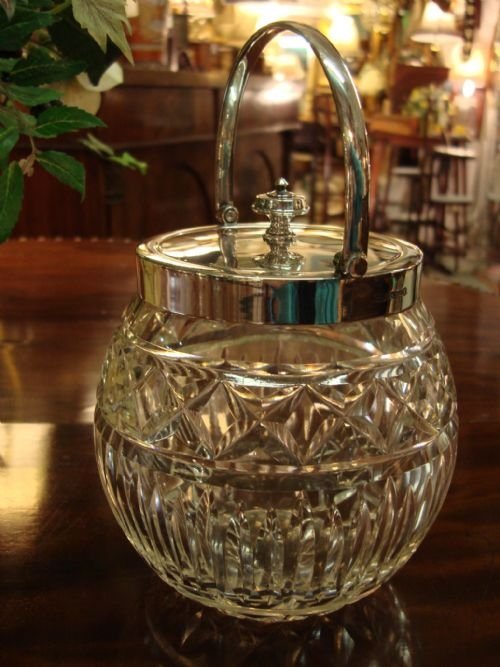


Edwardian Biscuit Box
An Edwardian biscuit box keeps the parlour tidy and dry, combining cut glass, silver plate and oak in one hospitable table vessel.
Edwardian Biscuit Box
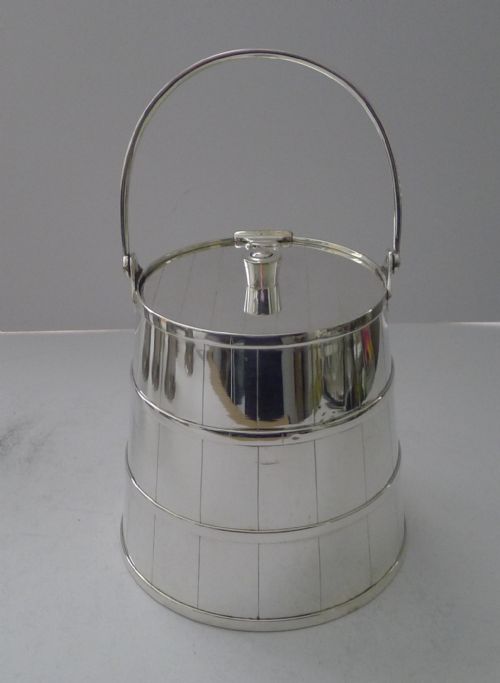
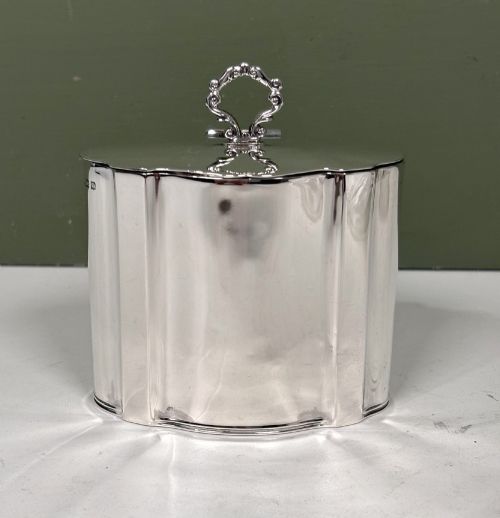
An edwardian biscuit box sits on the drawing room sideboard or tea table, designed to keep dry baked goods fresh behind a secure lid. You will regularly encounter cylindrical barrels and boxes made during the early decades of the twentieth century, alongside a few late Victorian examples.
The form appears in several distinct guises, from cut glass and silver plated barrels to oak drum containers and lithographed metal tins shaped like books, satchels, hats or weights. Makers also produced novelty containers influenced by Jugendstil and Anglo-Indian designs to amuse guests during afternoon tea.
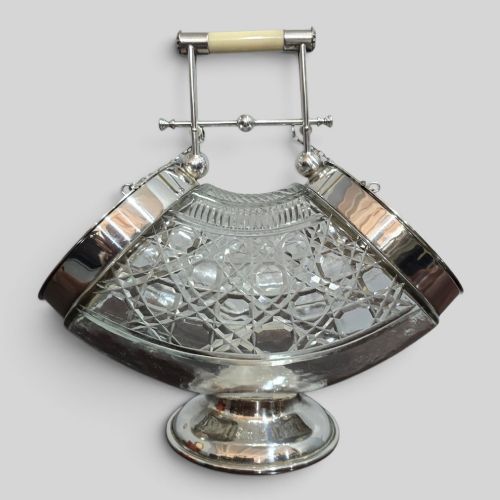
While many pieces belong strictly to the Edwardian period, others bridge the late Victorian years or extend into the George V and Art Deco eras. The selection ranges from straightforward silver plated containers with glass liners to elaborate triple shell boxes and automated mechanisms.
How They Were Made
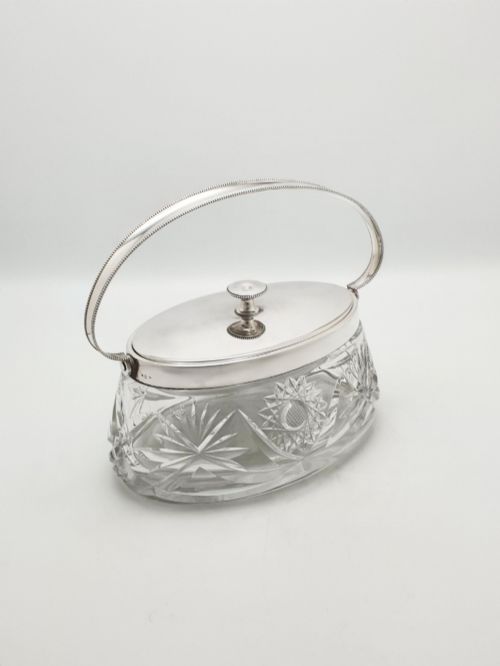
Silversmiths and electroplaters produced mounts, lids and swing handles in sterling silver or electroplated nickel silver, often piercing or engraving the metal with foliage and geometric patterns. Glass bodies were heavily cut, hobnailed or faceted to catch the light, then fitted snugly into metal frames.
Cabinetmakers utilised solid oak, mahogany and carved hardwoods for wooden barrels and novelty boxes, securing them with stout metal hinges and lockplates. Tinplate manufacturers lithographed intricate patterns directly onto metal to simulate leather books or woven textiles for novelty biscuit tins.
Edwardian Biscuit Box Retail Price Guide 2026
Typical asking prices for edwardian biscuit box among the pieces listed under this phrase on Sellingantiques today, from the lower quarter to the upper quarter. They describe what is for sale here now, not the wider market.
Some Edwardian biscuits travelled inside metal books and hat boxes, proving that clever marketing is older than the twentieth century.
What Varies in Quality
The weight and depth of the cut glass dictate the standard of a barrel, with heavy hobnail and faceted vessels sitting well above thin or plain glass. Crispness in the silver plating and substantial gauge metal on the mounts separate everyday vessels from those produced by leading workshops.
Ingenuity in design marks out the finer pieces, particularly where mechanical actions, complex shell configurations or convincing novelty shapes in wood and tinplate display superior craftsmanship.
Thomas Bradbury·Peek Frean and Co·John Grinsell and Sons·James Dixon and Sons
The Edwardian Biscuit Box Glossary
- Silver Plate
- A thin layer of silver fused to a base metal such as nickel silver. This technique allowed Victorian and Edwardian manufacturers to create domestic wares with the appearance of solid silver at a lower cost.
- Hobnail
- A dense, faceted glass cutting pattern resembling the broad-headed nails used on heavy boots. It creates intense sparkle and provides a tactile grip on heavy barrels.
- Lithographed Tinplate
- Sheet iron or steel coated with tin and printed with coloured designs using a lithographic press. This process enabled mass production of decorative and novelty tins with convincing surface textures.
- Jugendstil
- The continental European manifestation of Art Nouveau, prominent around nineteen hundred. It favours stylised organic forms and flowing, asymmetrical floral motifs.
- Hallmark
- Official stamps applied to precious metals indicating the standard of purity, the assay office, and the maker. Sterling silver pieces carry these marks to guarantee their metal content.
Edwardian Biscuit Box: Frequently Asked Questions
What were Edwardian biscuit boxes used for?
These containers were kept in the drawing room or dining room to store sweet biscuits and crackers for family tea or visiting guests. The tight-fitting lids protected the contents from damp air and kept them crisp.
Hostesses would present the box during afternoon tea, letting guests help themselves from the glass liner or wooden interior. The decorative appearance made them permanent fixtures on sideboards rather than items stored away after meals.
How do I clean a silver plated biscuit box?
Silver plate requires gentle cleaning with a soft cloth and a dedicated silver polish to remove tarnish without wearing away the thin coating of silver. Avoid harsh abrasive cleaners or soaking wooden components in water.
Glass liners can usually be removed and washed separately in warm soapy water. Metal mounts and hinged lids should be dried thoroughly immediately after cleaning to prevent moisture damage.
Are novelty biscuit tins rare?
Novelty tins shaped like books, satchels or hats were produced by manufacturers like Huntley and Palmers as attractive packaging for festive purchases. Their survival in good condition is uncommon because they were everyday items made of lithographed tinplate.
Collectors prize them for their inventive forms and surviving printed surfaces. They represent a lighter side of Edwardian and Victorian manufacturing that targeted middle-class consumers.
How can I tell glass and silver periods apart?
Makers of the Edwardian period often favoured deep hobnail cutting and heavy faceted glass combined with florally pierced silver-plated mounts. Late Victorian examples tend towards robust oak frames or simpler cylindrical glass barrels with swing handles.
Checking for hallmarks on the silver portions provides definitive date letters for solid silver pieces. Stylistic cues such as Jugendstil curves or Art Deco lines help narrow down the decade of manufacture.