




Edwardian Beech Seat
These edwardian beech seat pieces offer sturdy domestic comfort and honest craftsmanship, making them a practical choice for everyday seating.
Edwardian Beech Seat
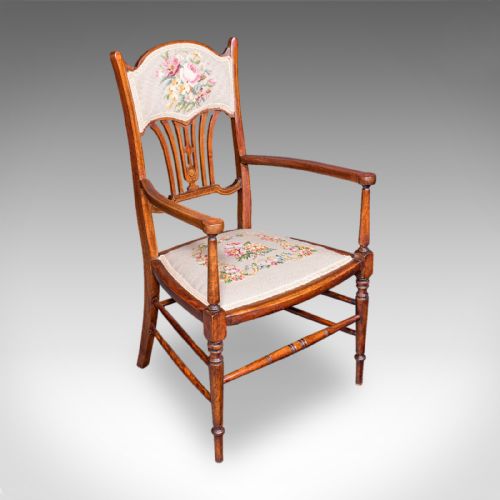
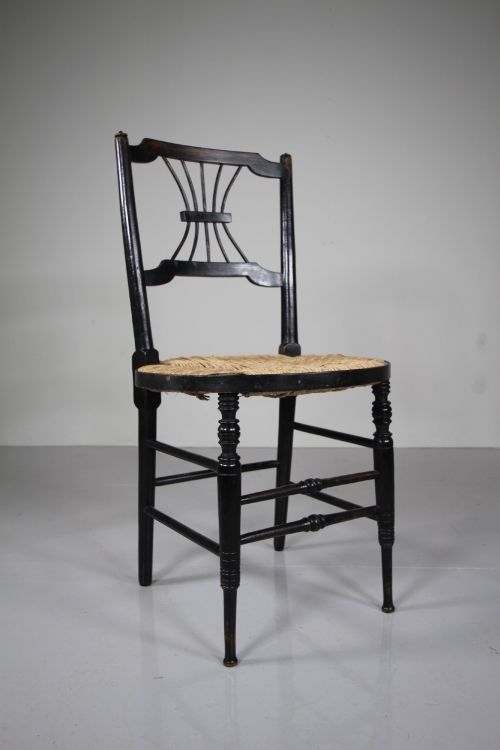
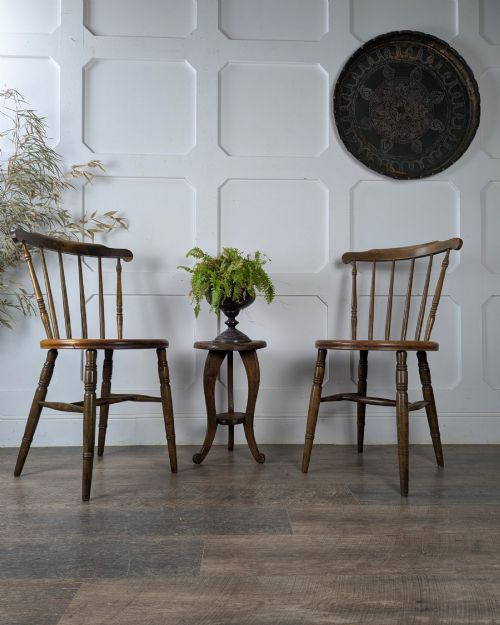
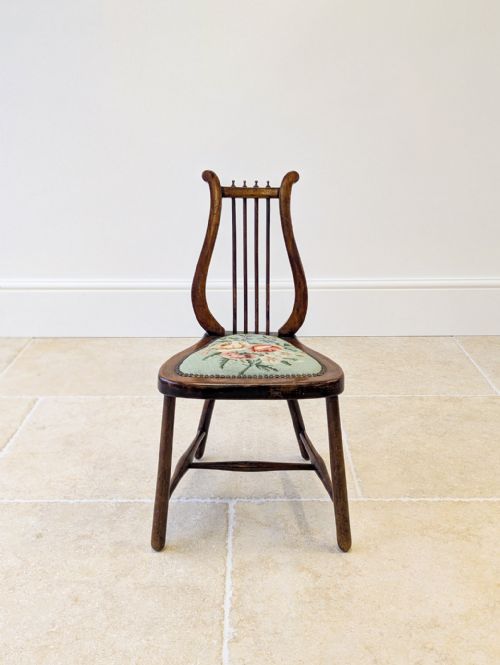
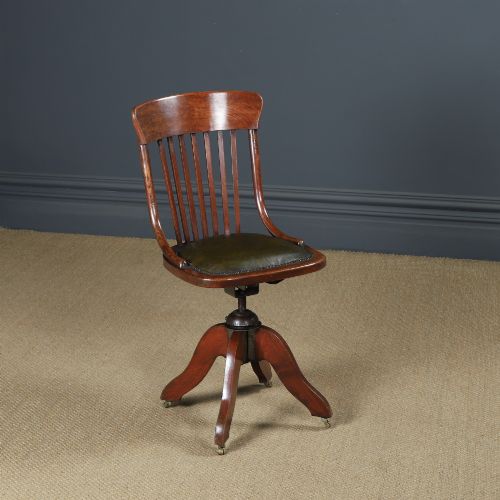
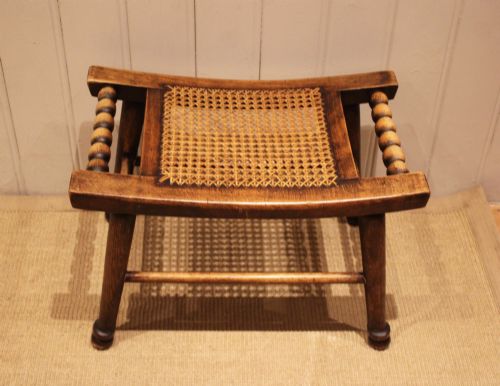
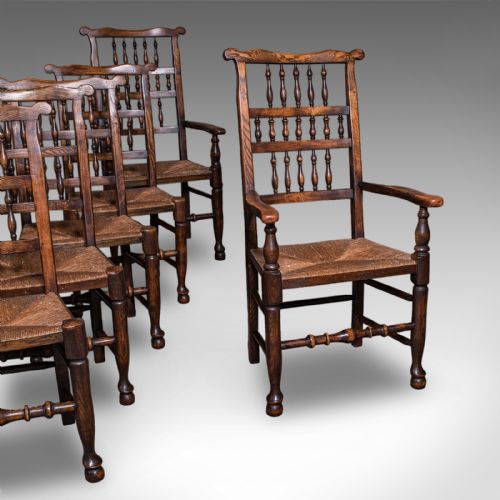
An edwardian beech seat encompasses dining chairs, armchairs, office desks chairs, rocking chairs, stools and settees produced during the early twentieth century and the late nineteenth century. You are most likely to encounter single side chairs, sets of dining chairs, and occasional seating formed from turned or bent timber.
The materials and styles span Edwardian, Art Nouveau, Arts and Crafts, and Victorian aesthetics. Makers combined beech frames with rush, leather, cane, textile, tapestry, elm and brass details to create functional furniture for morning rooms, kitchens, and studies.
How they were made
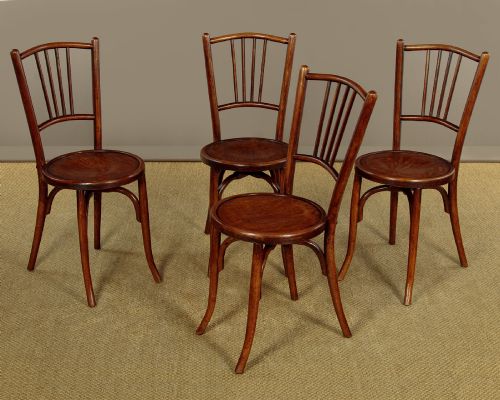
Makers utilised solid beech for frames, turning or bending the timber to form spindle backs, lyre-backs, and high-back profiles. Steam bending allowed workshops to produce curved components such as bentwood bistro frames.
Seats were woven from rush and cane, or upholstered with leather, hide, tapestry, and textiles. Secondary woods like elm appear in seat bases, while brass hardware provides structural support on revolving office and desk chairs.
Edwardian Beech Seat Retail Price Guide 2026
Typical asking prices for edwardian beech seat among the pieces listed under this phrase on Sellingantiques today, from the lower quarter to the upper quarter. They describe what is for sale here now, not the wider market.
Listings feature items spanning the Victorian, Edwardian, and George V periods, utilising beech combined with rush, leather, cane, and elm.
What varies in quality
The refinement of the turning and the integrity of the frame construction separate standard utility seating from finer examples. Higher grade pieces display careful jointing, well-balanced proportions, and sophisticated decorative carving or wood bending.
The condition and authenticity of original upholstery materials, whether leather, rush, cane or tapestry, influence the character of the piece. Matching sets of dining chairs demonstrate greater consistency in timber selection and workshop execution.
William Morris Antique Sussex Chair by Rossetti·Codina·Thonet·Liberty of London
The Edwardian Beech Seat Glossary
- Beech
- A dense, pale hardwood with a fine grain utilised extensively for chair frames and turned spindle work. It accepts staining and polishing readily.
- Bentwood
- Wood softened by steam and bent into curved structural forms. This technique produced continuous curves for bistro and occasional seating.
- Rush
- Dried marsh grass twisted into cord and woven tightly to form traditional seat pads. It provides a durable, textured surface.
- Cane
- Split rattan woven in open mesh patterns to create lightweight, flexible seat panels and backrests. It allows air circulation.
- Carver
- An armchair, typically designed with open arms to match a set of smaller dining chairs. They usually sat at the head of a dining table.
Edwardian Beech Seat: Frequently Asked Questions
What defines an edwardian beech seat?
These pieces are practical wooden chairs, stools and settees produced around the start of the twentieth century. They rely on pale hardwood frames paired with woven or upholstered pads.
They appear in various styles including Arts and Crafts, Art Nouveau and vernacular country designs. Workshops built them for daily domestic use in dining rooms, kitchens and studies.
How were these seats used?
They served functional roles throughout the home, from dining and desk work to relaxing in a morning room. Stools and rocking chairs provided movable seating for specific domestic tasks.
Larger sets accommodated families around dining tables, while revolving armless chairs assisted with administrative tasks in offices.
How do I care for beech furniture?
Keep wooden frames away from direct heat sources and sudden temperature shifts to prevent timber splitting. Regular dusting with a dry cloth maintains the polish.
Treat leather, rush and cane seats gently according to their specific material needs. Avoid using harsh chemical cleaners on original upholstery.
How do I identify the period?
Examine the construction methods, turning styles and upholstery materials used on the frame. Arts and Crafts and Art Nouveau influences point towards the late nineteenth and early twentieth centuries.
Compare the turned spindles and jointing techniques with documented examples from the era. Stamped maker marks or attribution labels occasionally confirm the workshop origin.