



Edwardian Artwork Miniature
These edwardian artwork miniature pieces offer intimate painted and printed portraits that bring period character to any wall.
Edwardian Artwork Miniature
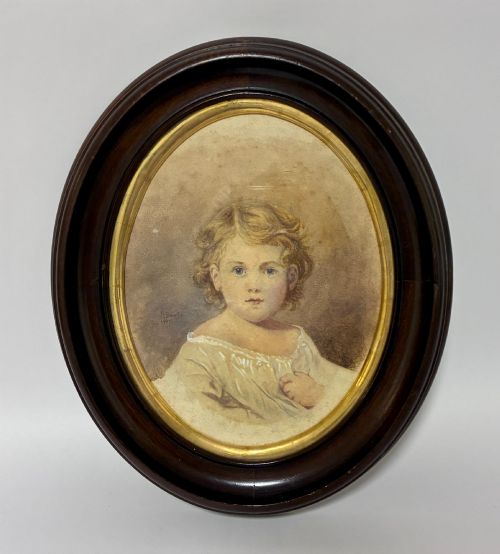
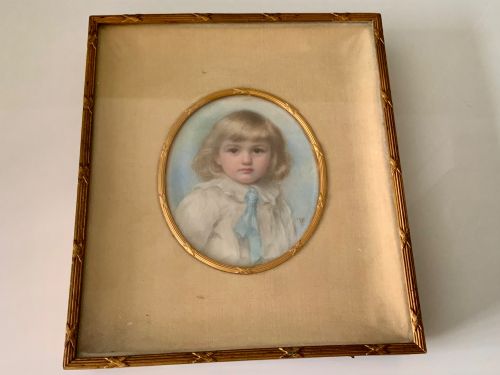
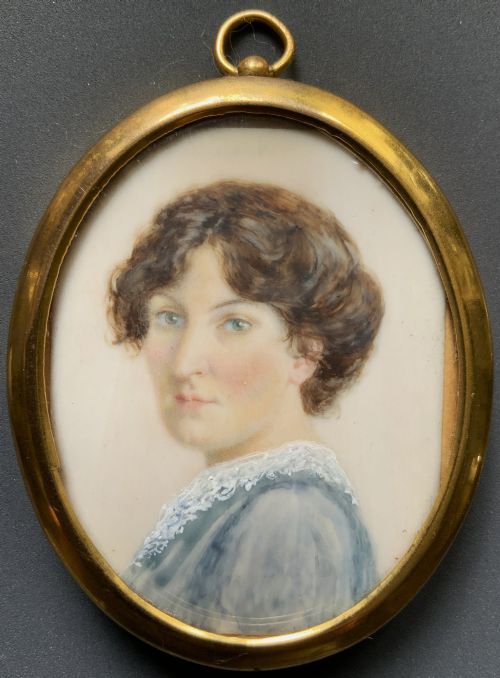
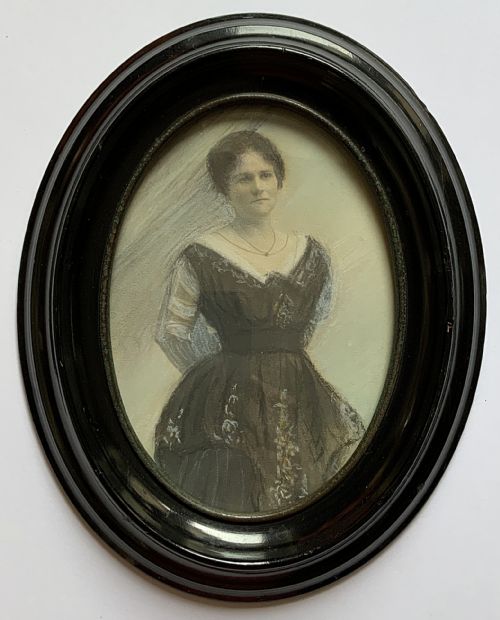
An edwardian artwork miniature brings small-scale portraiture and framed prints into domestic spaces, capturing subjects from romantic ladies to historical figures. You are most likely to meet delicate oval framed pieces and miniature paintings depicting identifiable sitters or fanciful costume subjects.
The objects recorded here span the late nineteenth century through to the nineteen-twenties, incorporating Edwardian, Victorian, and Art Deco aesthetic influences. Miniature paintings and framed prints dominate the selection, often preserved behind glass within ebonised wood or brass frames.
Materials and construction methods
Portraits and etchings rely on skilled hand painting and printmaking, frequently finished with gold leaf accents or housed in distinct Hogarth frames. The combination of lightweight paper sheets and rigid wooden surrounds ensured these small works remained durable yet portable.
Edwardian Artwork Miniature Retail Price Guide 2026
Typical asking prices for edwardian artwork miniature among the pieces listed under this phrase on Sellingantiques today, from the lower quarter to the upper quarter. They describe what is for sale here now, not the wider market.
Materials documented in the inventory comprise watercolour, pastel, paper, glass, brass, and ebonised wood.
Assessing quality in miniature works
The refinement of the brushwork and the precision of the portraiture distinguish superior examples from simpler printed alternatives. Hand-painted watercolours and signed works by recognised miniaturists demonstrate a higher level of artistic execution than standard mass-produced prints.
The original framing contributes significantly to the integrity of the piece, with period brass, ebonised wood, and Hogarth moulding preserving the artwork correctly. Intact glass and well-maintained paper supports maintain the visual impact of the miniature without fading or moisture damage.
Susie Lassam RMS RA·Herbert Dicksee·Edward Smyth·Leslie Moore
The Edwardian Artwork Miniature Glossary
- Miniature Portrait
- A painting executed on a very small scale, traditionally focusing on the face and shoulders of a specific individual.
- Hogarth Framed
- A style of narrow, dark wooden frame with an inner gilded slip, popular for framing prints and watercolours from the eighteenth century onwards.
- Ebonised Wood
- Timber treated with a dark stain or finish to imitate ebony, commonly utilised for nineteenth-century picture frames.
- Watercolour
- A paint consisting of pigment suspended in a water-soluble binder, used extensively on paper for detailed miniature studies.
Edwardian Artwork Miniature: Frequently Asked Questions
What subjects appear in these miniatures?
The subjects range from historical figures and military commanders to romantic ladies and fancy dress characters. Portraits of identifiable people sit alongside imaginative fashion studies.
Many pieces reflect the personal tastes of the era, capturing individual likenesses with remarkable detail despite their diminutive scale.
How were these small artworks displayed?
Owners typically hung these pieces in intimate spaces such as boudoirs, studies, or small parlours where viewers could appreciate them at close range. Their compact size allowed groups of miniatures to cluster together on a single wall.
Original frames in brass or ebonised wood provided both protection and a formal boundary for the delicate paper surfaces within.
How do I care for paper miniatures?
Keep these works away from direct sunlight to prevent the watercolour and pastel pigments from fading over time. Maintaining a stable indoor climate protects the paper and the wooden frames from moisture.
Leaving the original glass and framing intact shields the delicate painted surface from dust and accidental touch.
Are these pieces signed by artists?
Certain examples feature artist signatures, initials, or contemporary dates inscribed directly onto the paper or mount. Signed works by established miniaturists offer a documented link to the creator.
Unsigned pieces remain common, reflecting the widespread popularity of amateur and commercial miniature painting during the period.