



Edwardian Art Study
These pieces for an edwardian art study bring together period desks, original watercolours and oil paintings that ground a workspace in authentic craft.
Edwardian Art Study
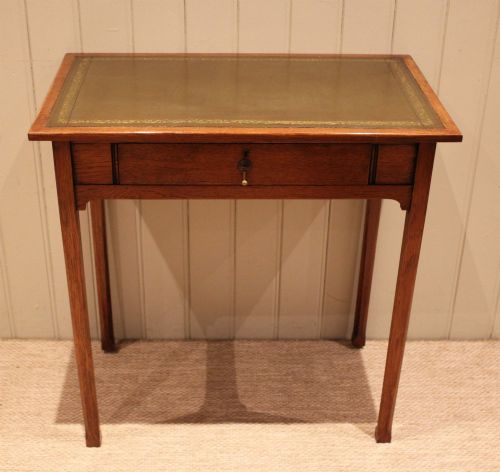
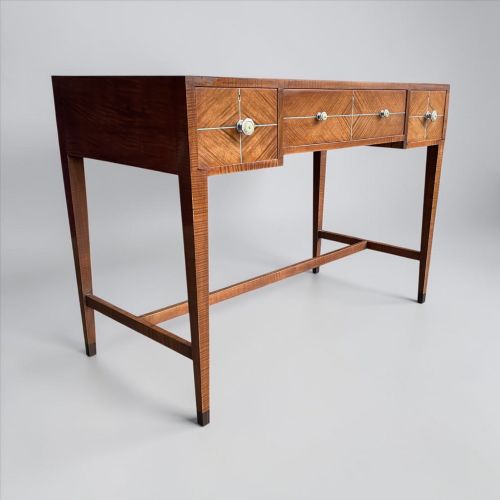
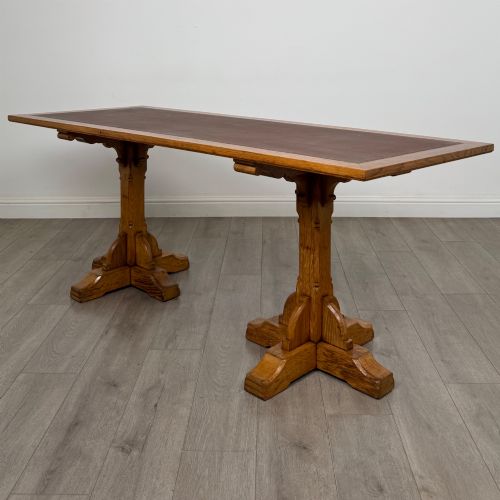
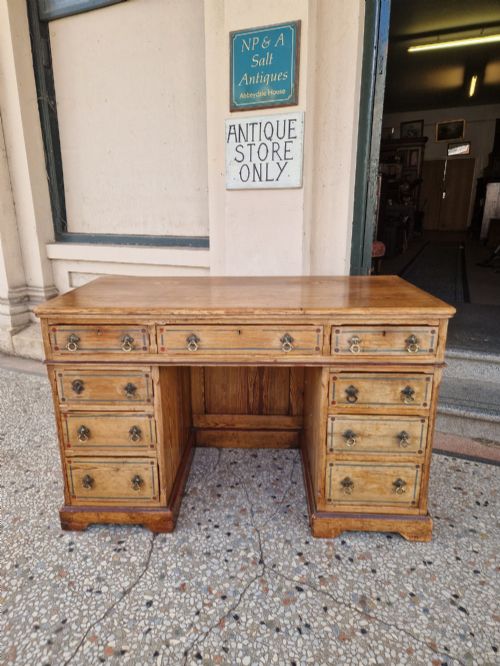
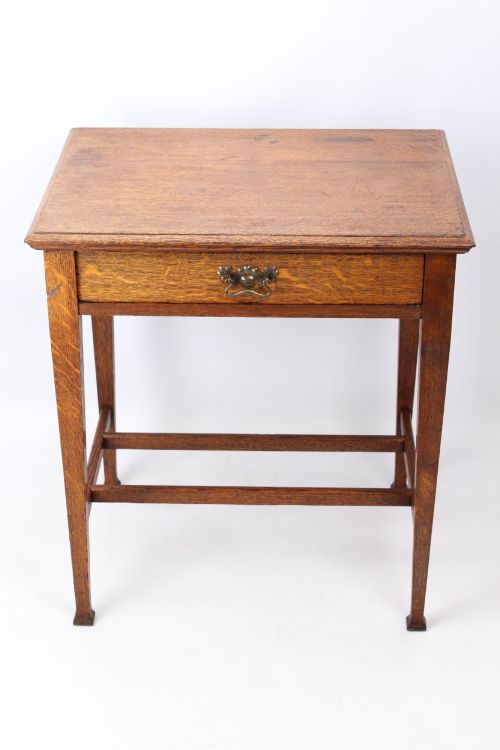
When you search for an edwardian art study, you encounter a curated selection of desks, tables, and original works on paper or canvas originating predominantly from the early twentieth century. The primary forms span substantial oak writing desks, library tables, and functional accessories like brass desk lamps.
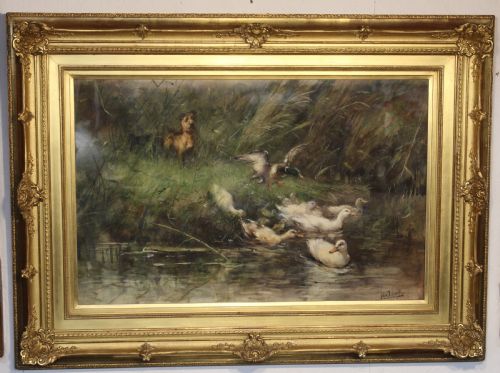
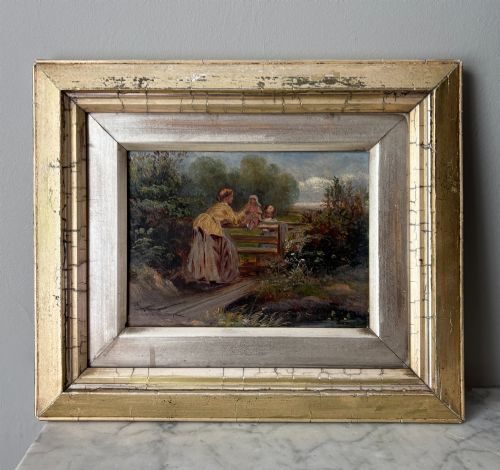
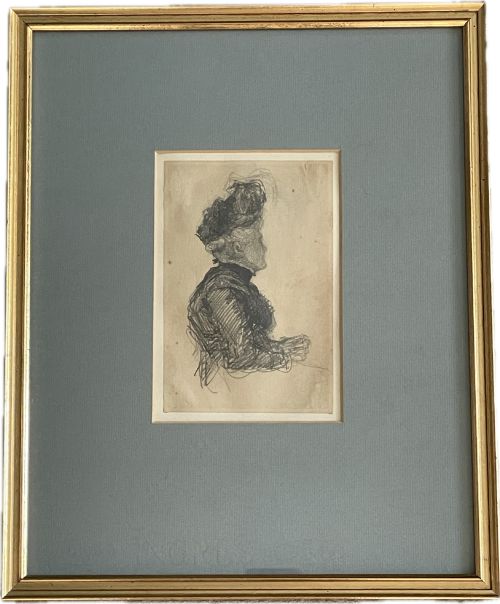
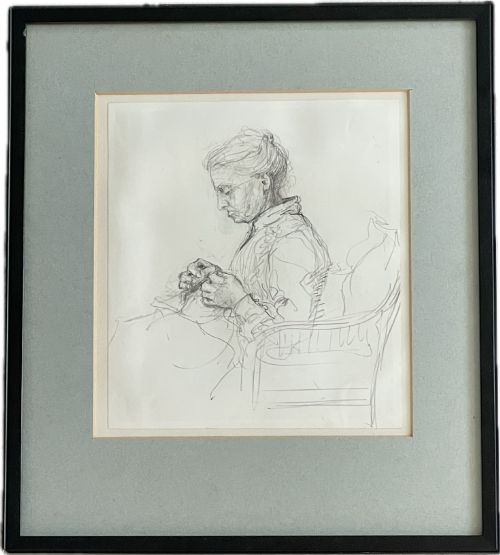
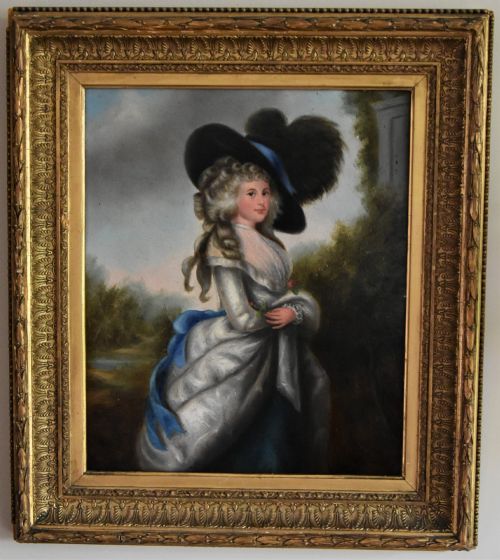
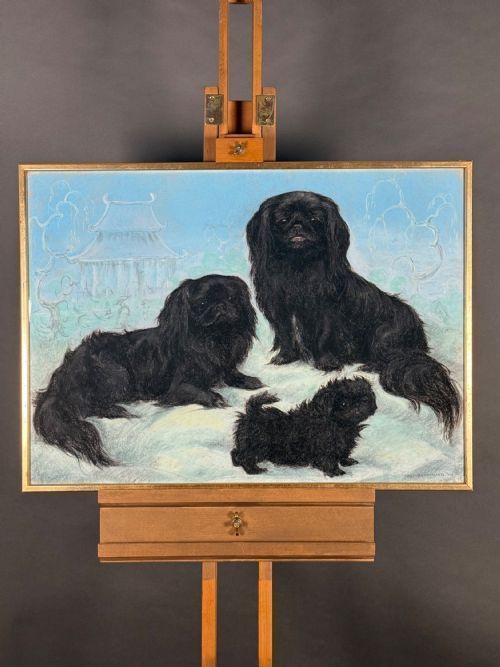
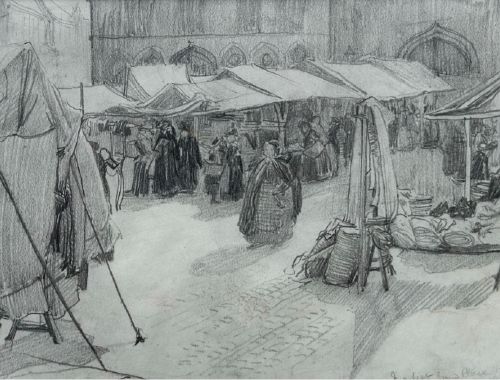
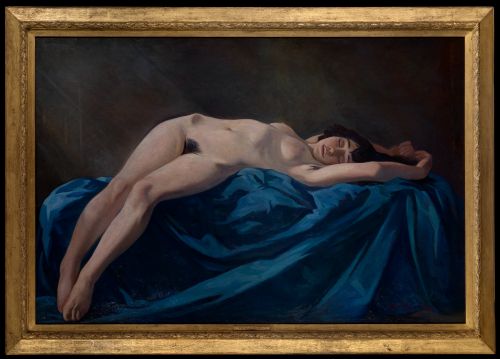
The aesthetic bridges the robust vernacular of the Arts and Crafts movement with the refined portraiture and landscapes of the Edwardian era. You meet oil paintings, pencil drawings, and watercolours that reflect academic training and domestic portraiture alike.
Materials and construction
The furniture is built primarily from solid oak, mahogany, and pitch pine, employing traditional joinery such as linenfold carving and raised galleries. Surfaces often feature integrated leather inserts or straightforward polished wood.
Works on paper and canvas utilise traditional media including watercolour, pastel, pencil, and oil paint applied to boards, panels, or stretched fabric. Metalwork relies on heavy cast brass and bronze, shaped into adjustable lamps and figures.
Edwardian Art Study Retail Price Guide 2026
Typical asking prices for edwardian art study among the pieces listed under this phrase on Sellingantiques today, from the lower quarter to the upper quarter. They describe what is for sale here now, not the wider market.
Listings feature works created across several decades, spanning the late nineteenth century through to the mid-twentieth century.
Distinctions in quality
Quality rests on the integrity of the materials and the provenance of the maker or artist. Signed works on paper by documented painters stand apart from anonymous copies, just as desks by known firms like James Shoolbred or Bath Cabinet Makers carry distinct construction merits.
The physical condition of the timber surfaces and the preservation of pigment on canvases determine the grade of an object. Original hardware on desks and untouched patination on brass lamps elevate an example above later alterations.
Bath Cabinet Makers·Bruno Zach·Augustus John·Allan Douglas Davidson·James Shoolbred
The Edwardian Art Study Glossary
- Linenfold
- A style of relief carving used on wooden panels to imitate folded fabric. It appears frequently on the doors and modesty panels of Edwardian desks.
- Arts and Crafts
- A design movement prioritising traditional craftsmanship and simple forms. This aesthetic is visible in the solid oak tables and utilitarian writing desks.
- Oil on Board
- A painting technique where pigment is applied to a rigid wooden or cardboard support rather than canvas. Many smaller studies from this period utilise this format.
- Raised Gallery
- A low decorative railing fitted to the back or sides of a desk. It keeps writing implements from rolling off the working surface.
- Bronze Study
- A small sculptural model cast in metal, often used as an artist's reference or a cabinet piece. These figures capture dynamic movement or anatomical detail.
Edwardian Art Study: Frequently Asked Questions
How do I identify Arts and Crafts furniture?
Arts and Crafts pieces rely on visible construction methods, solid timber like oak or pitch pine, and minimal surface ornamentation. You see functional forms intended to display natural grain.
These items often feature straightforward hardware, linenfold panels, and sturdy proportions that distinguish them from more ornate Victorian designs.
Where were these paintings and drawings displayed?
Original watercolours, pencil drawings, and oil paintings from this era typically hung in domestic libraries, studios, and public school rooms. They served as both personal inspiration and interior decoration.
Many works represent preliminary studies, portraits, or landscapes produced by trained artists for exhibition or private collections.
How do I care for antique leather desk tops?
Leather inserts require gentle cleaning with a damp cloth and occasional treatment with neutral wax or leather cream to prevent drying and cracking. Avoid abrasive cleaners.
Maintaining the natural moisture of the hide preserves the original patina and protects the writing surface from daily wear.