
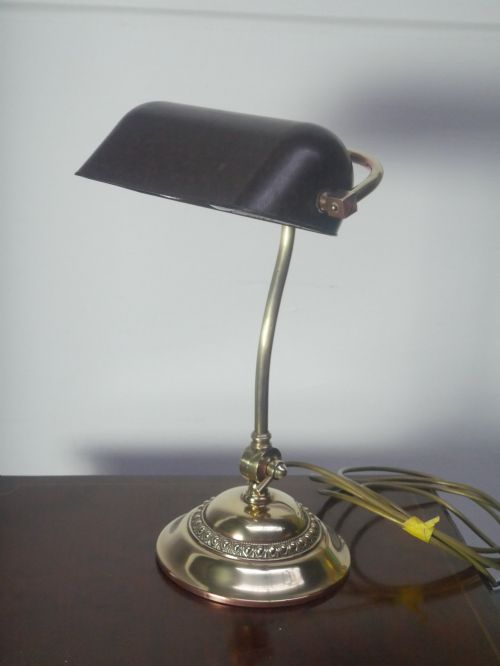


Edwardian Adjustable Desk Light
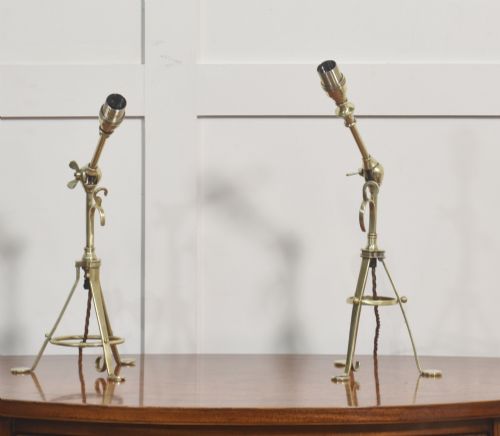
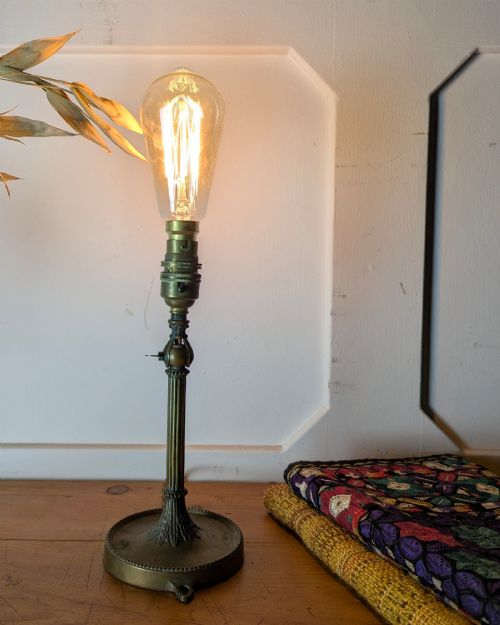
These edwardian adjustable desk light examples offer practical illumination through pivoting arms and weighted bases, combining period character with adjustable reach.
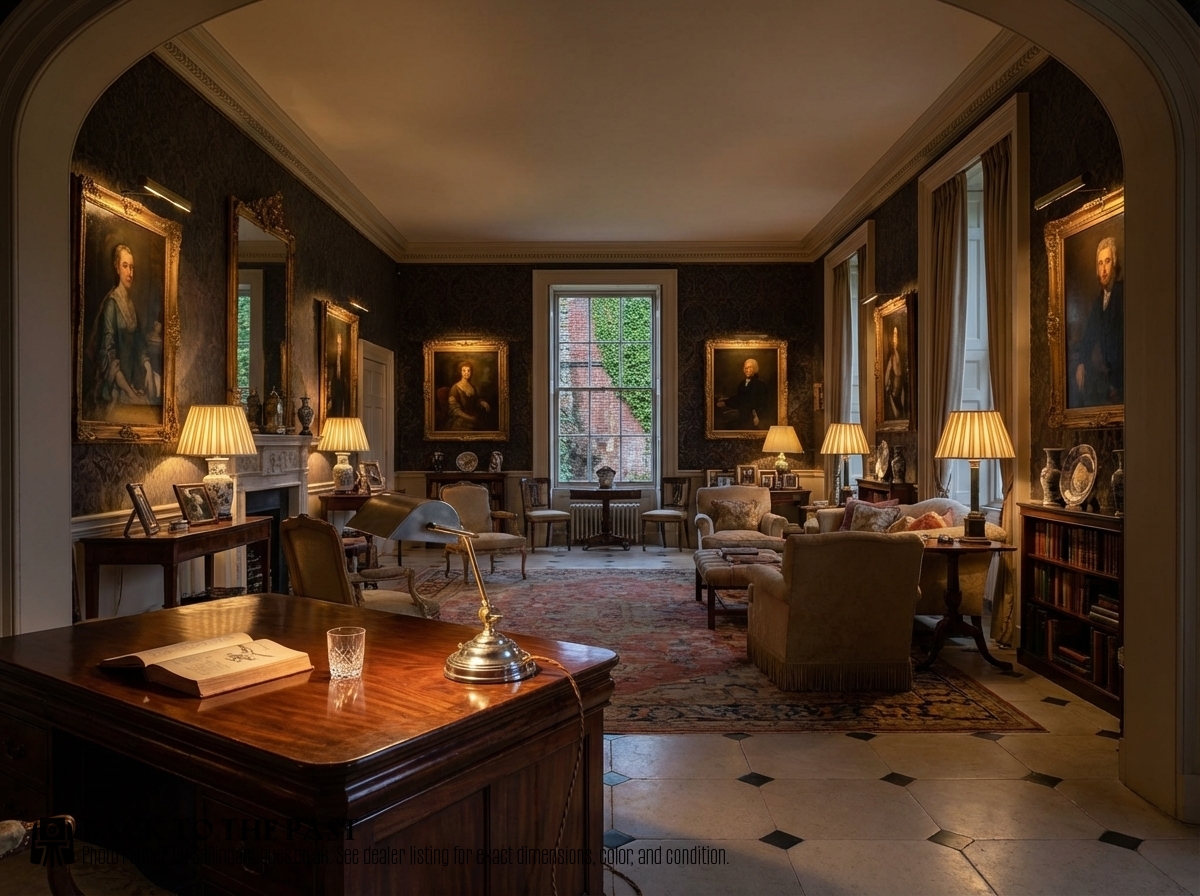
Edwardian Adjustable Desk Light
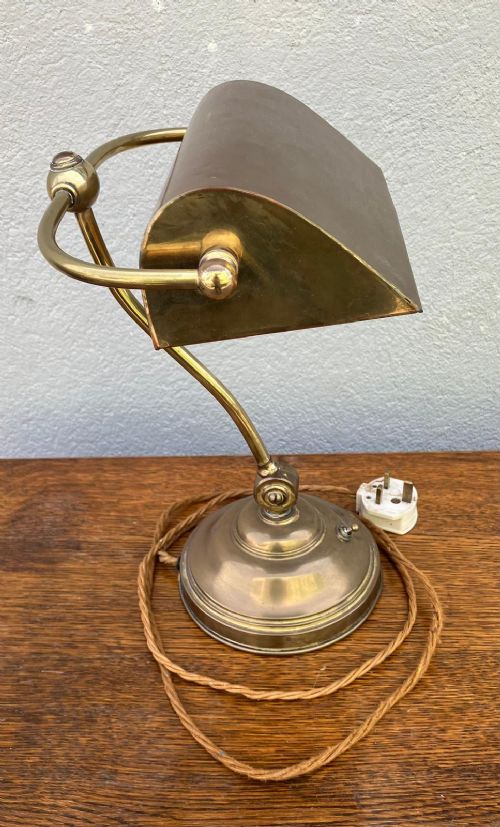
An edwardian adjustable desk light brings period character and directional illumination to a workspace, combining functional movement with traditional materials. Buyers searching for an edwardian adjustable desk light encounter various forms, including swan neck designs, banker lamps, and gimbal fixtures.
Brass is the predominant metal across the selection, often paired with glass shades or fabric elements. These desk lamps and table lamps reflect the practical needs of early twentieth-century offices and studies, utilising flexible positioning to direct light precisely where required.
The objects span the late nineteenth century through to the interwar decades, encompassing Edwardian, Art Deco, and Arts and Crafts styles. While specific dates vary, the core aesthetic remains rooted in robust metalwork and functional articulation.
Assessing Quality
Quality in an edwardian adjustable desk light lies in the weight of the base and the precision of the joints. Heavier castings provide stability when the arm is fully extended, preventing the lamp from tipping during adjustment.
The refinement of the metal finish and the integrity of original components distinguish finer examples from standard production pieces. Hand-hammered details and high-grade brass or bronze signify superior craftsmanship within Arts and Crafts and Edwardian workshops.
The listings demonstrate a strong presence of brass as the primary material, alongside bronze and copper across various Edwardian and Arts and Crafts forms.
W.A.S. Benson
The Edwardian Adjustable Desk Light Glossary
- Swan neck
- A curved upper arm resembling a swan's neck that allows the shade to be positioned over a specific area. This form is common on adjustable desk lamps from the period.
- Gimbal
- A pivoted support ring that permits an object to remain horizontal regardless of the motion of its base. It originates from maritime lighting used on ships and trains.
- Cranberry glass
- A rich red glass created by adding gold chloride to the molten metal. It provides a warm, coloured glow when the lamp is illuminated.
- Arts and Crafts
- A design movement emphasising handcraftsmanship and simple forms rather than mass production. Pieces from this tradition often display visible working marks and honest materials.
- Banker lamp
- A traditional desk light featuring a green or neutral glass shade and a brass base. It was designed to reduce eye strain for accountants and office workers.
Edwardian Adjustable Desk Light: Frequently Asked Questions
How do I adjust the light?
Most models use pivoting joints, swivel bases, or swan neck arms that move manually to direct the beam. Users simply tilt or rotate the shade and stem to the desired angle.
Ensure any tightening screws or hinges are handled with care to maintain the tension in the joints over time.
Where were these lamps used?
These lamps were primarily designed for desks, offices, libraries, and studies where focused task lighting was essential. Some maritime variants were built specifically for use on ships or trains.
Their adjustable reach made them versatile for reading, writing, and detailed paperwork.
Are the glass shades original?
Shades vary across the selection, featuring materials such as cranberry glass, porcelain, and standard glass. Determining originality involves examining the fit, wear patterns, and compatibility with the period.
Replacements are common in lighting due to the fragile nature of glass over a century of use.
How do I date an adjustable desk light?
Dating relies on stylistic markers, materials, and construction methods associated with periods like the Edwardian era, Arts and Crafts movement, or Art Deco. Details such as switch types, wiring channels, and metal patination provide further clues.
Most pieces in this category date from the late nineteenth century through to the nineteen thirties.