

Edwardian 9ct Pendant
An edwardian 9ct pendant brings delicate openwork and coloured gems to the neckline, offering wearable history from the early twentieth century.
Edwardian 9ct Pendant
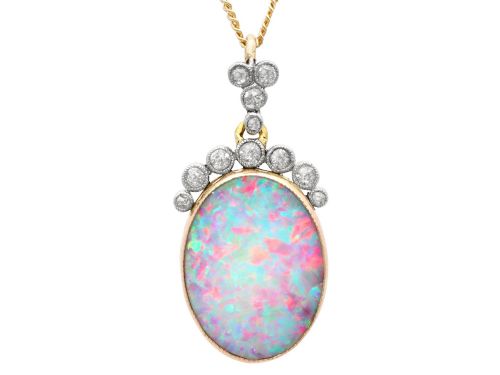
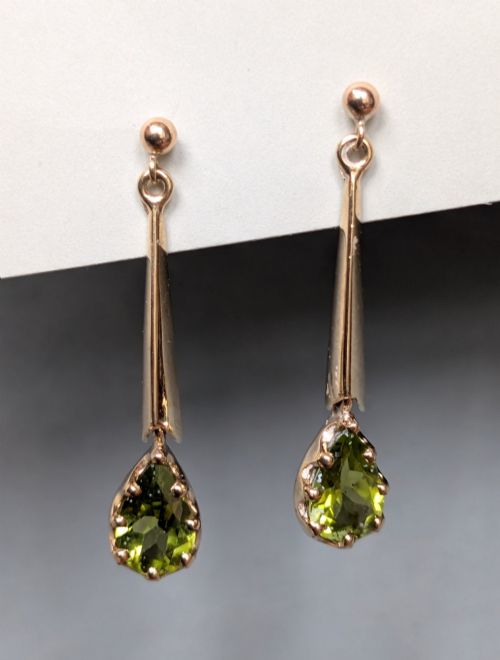
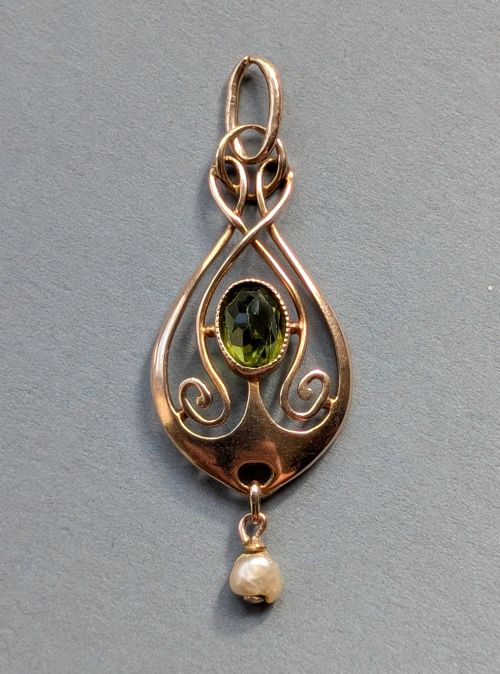
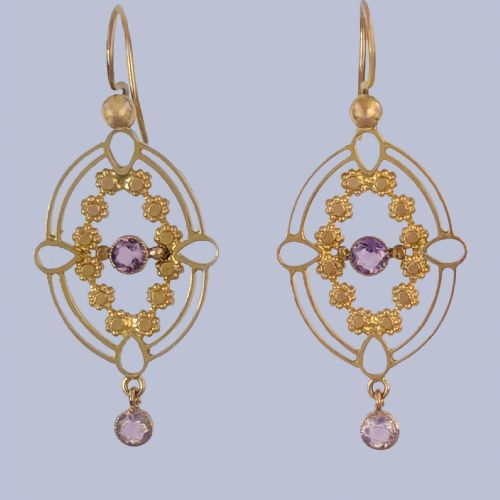
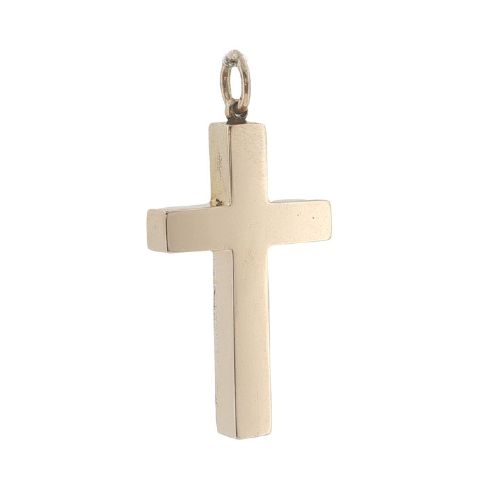
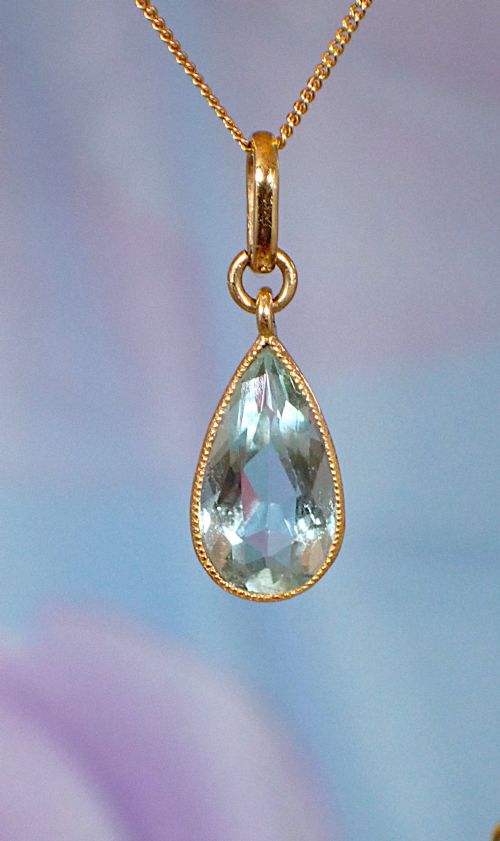
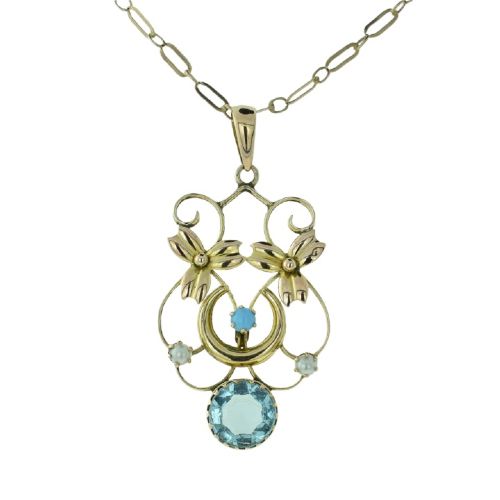
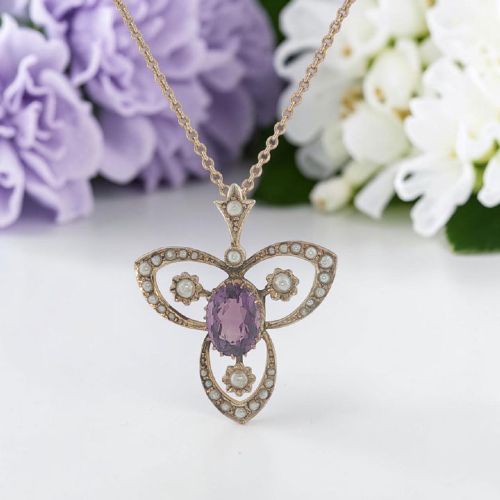
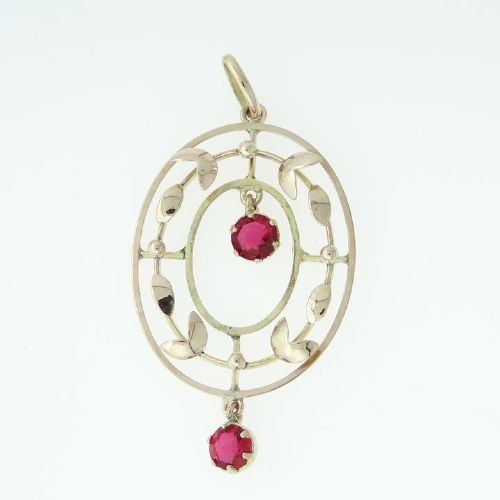
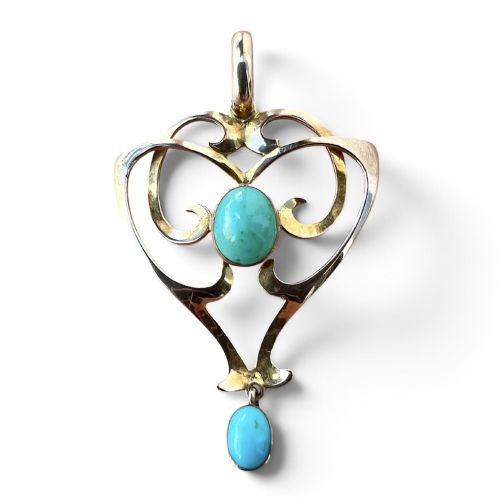
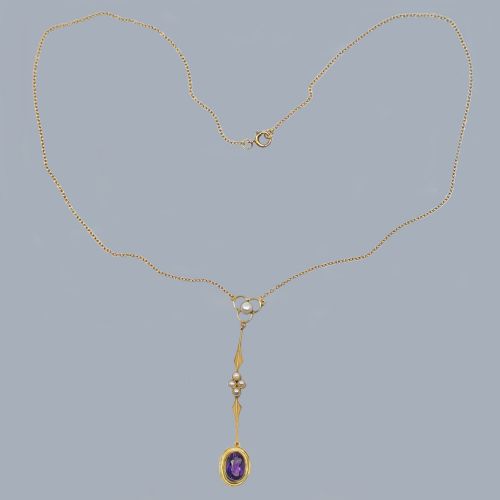
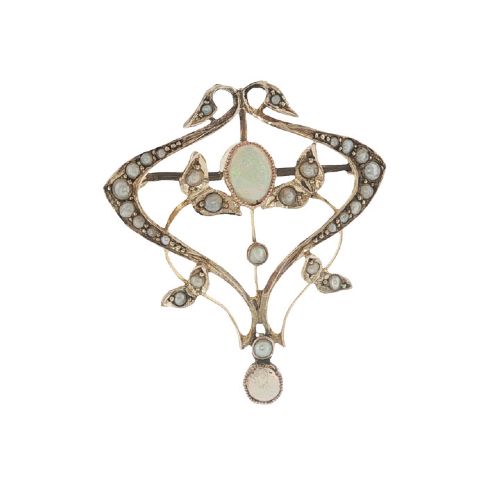
When you search for an edwardian 9ct pendant, you encounter delicate pieces fashioned from nine-carat yellow and rose gold, often carrying central gemstones like amethyst, peridot, aquamarine, or turquoise. The most common examples on this page date from the Edwardian period and around nineteen-ten, frequently featuring seed pearls and openwork floral or heart designs.
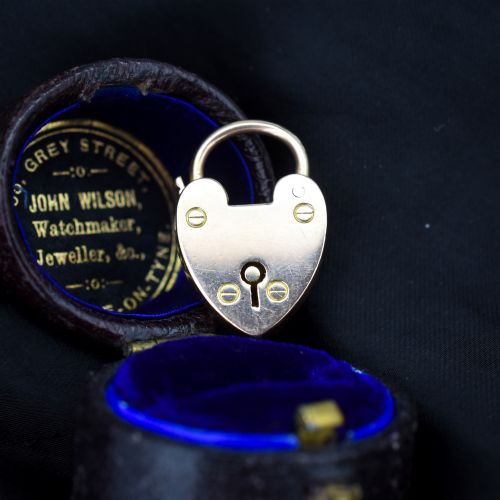
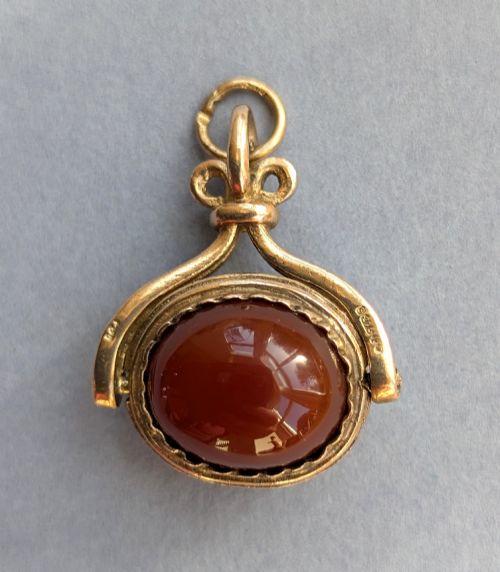
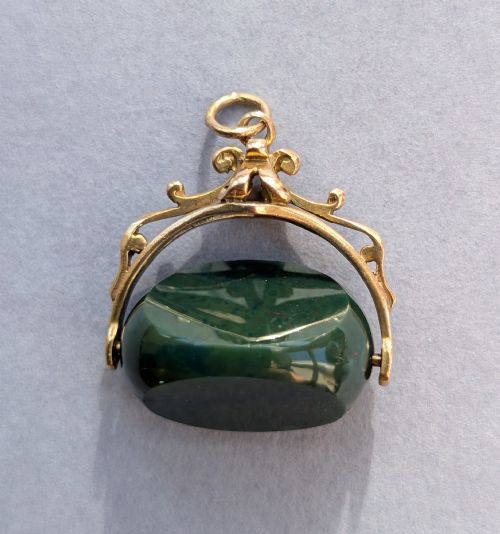
Beyond straightforward drops, these jewels cross paths with related forms including spinning fobs, padlock charms, and negligee necklaces. Makers of the era employed styles ranging from classic Edwardian elegance to flowing Art Nouveau curves and Arts and Crafts simplicity.
How They Were Made
Goldsmiths utilised nine-carat yellow and rose gold to construct lightweight yet intricate mounts, often pairing the metal with silver or platinum settings for gemstones. Piercing, openwork wirework, and delicate collet settings define the structural technique behind these pieces.
Natural stones such as seed pearls, amethysts, opals, and aquamarines were meticulously hand-set into the gold framework, sometimes accented with paste or white sapphires to create rich colour contrast and visual depth.
Edwardian 9ct Pendant Retail Price Guide 2026
Typical asking prices for edwardian 9ct pendant among the pieces listed under this phrase on Sellingantiques today, from the lower quarter to the upper quarter. They describe what is for sale here now, not the wider market.
A tiny sliding Mr Punch charm brings cheerful Victorian cheekiness straight to the Edwardian neckline.
What Varies in Quality
The finesse of the openwork and the symmetry of the wire scrollwork separate ordinary examples from exceptional ones. Master workshops invested greater labour in hand-engraving and secure bead-setting for fragile seed pearls.
Gemstone selection and retention drive the hierarchy of quality. Natural stones with vibrant saturation, intact seed pearls without discolouration, and fully signed maker marks elevate a piece above standard mass-produced work.
Murrle Bennett·Deakin & Francis·B & F
The Edwardian 9ct Pendant Glossary
- Negligee necklace
- A pendant style featuring two drops suspended at slightly different lengths from a central connector. This asymmetrical design became highly fashionable during the Edwardian era.
- Seed pearl
- A very small, natural or saltwater pearl, typically under two millimetres in diameter. Goldsmiths clustered them tightly to create delicate floral and star motifs.
- Openwork
- Metalwork pierced through to create an airy, lace-like pattern. This technique reduced the weight of the pendant while maximising light transmission through the gemstones.
- Collet setting
- A band of metal that encircles the girdle of a gemstone to hold it securely in place. It represents a traditional method of bezel setting found across antique jewellery.
- Spinning fob
- A double-sided or rotating seal stone mounted in a swivel frame. Originally used for stamping wax, these items frequently appear repurposed as pendants.
Edwardian 9ct Pendant: Frequently Asked Questions
How do I care for my pendant?
Clean your nine-carat gold pendant gently with a soft cloth and warm soapy water, avoiding harsh chemical dips that damage seed pearls and softer gemstones.
Store the piece flat in a dedicated jewellery box to prevent the fine gold chains and delicate openwork drops from tangling or bending.
Are these pendants hallmarked?
Many pieces feature traditional gold standard marks stamped directly onto the reverse or the jump ring, indicating the nine-carat fineness of the metal.
Some items rely on maker stamps or period characteristics when assay office marks have worn down through decades of gentle polishing and wear.
What is negligee style?
A negligee pendant suspends two uneven drops from a central motif, creating a cascading vertical line that flatters the collarbone.
This distinct configuration originated in the late Victorian era and reached peak popularity during the height of Edwardian fashion.
Can I wear my pendant daily?
These antique jewels withstand regular wear provided you handle them with care during activities involving physical impact or moisture.
Seed pearls and softer stones like opal require particular mindfulness to avoid contact with cosmetics, perfumes, and household cleaning products.